Exploring the Secret to Infinite Replayability
4 July 2026
Let’s face it—some games grab you once and never let go. You keep coming back, time and time again, even though you’ve seen the credits roll. But what is it that keeps pulling us back in? Why do some games gather digital dust while others become timeless favorites?
Today, we’re diving deep into the magic behind infinite replayability. If you’ve ever wondered what makes a game feel fresh, exciting, and worth replaying dozens (or even hundreds) of times, you’re in the right place.
What Does Replayability Really Mean?
Before we can unlock the secret sauce, let's define our terms.Replayability is a game’s ability to stay appealing after you've already played it. It’s the reason you’re still booting up Skyrim, Stardew Valley, or Hades years after your first run. It’s not just about content—it’s about connection, creativity, challenge, and choice.
So, what's the secret? Honestly, there's not just one. It's a mix of design elements working together like a well-oiled machine. Let’s break those elements down.
1. Player Choice and Freedom
Think about games like The Elder Scrolls V: Skyrim or The Witcher 3. What do they have in common?Tons of choices.
When a game gives you options—real, impactful ones—it instantly boosts replay value. You’re not just watching a story unfold; you’re shaping it.
Multiple Paths = More Play Time
Games that offer branching narratives or multiple endings encourage you to go back and try something different. Maybe you went all-in on diplomacy the first time—next time, you're swinging a two-handed axe.And it’s not just about dialogue trees. Even combat styles, class builds, or moral decisions drive varied playthroughs.
Would you rather sneak through a level unnoticed or go full Rambo? That choice gives you two (or more) distinct experiences.
2. Procedural Generation: Never the Same Twice
Enter the magic of randomness.Procedural generation—essentially randomized game elements—is a cornerstone of replayability in titles like Minecraft, No Man’s Sky, or Dead Cells. The idea? Every playthrough feels new because, well, it is new.
Infinite Worlds, Infinite Adventures
Think of procedural content like a shuffled deck of cards. Even if the pieces are familiar, the order and combination make each hand unique.Randomized dungeons, loot drops, quests, and world layouts keep things unpredictable. And unpredictability? That’s gold for replayability.
3. Tight Game Loops That Feel Good… Every Time
You ever play a game that’s just... fun to play? Like, the mechanics are so satisfying, you don’t even care about the story anymore?That’s what we call a tight game loop. It’s the core set of actions you repeat—jump, run, shoot, craft, explore—and when it feels buttery smooth, it’s addictive.
Good Loops Hook You
Take Hades, for example. The loop is simple: fight, die, upgrade, repeat. But it’s executed so beautifully, with smooth combat and evolving dialogue, that it never feels stale.If the gameplay is fun at its core, people will come back. Again. And again. And again.
4. Progression Systems That Actually Matter
You want to feel like your time means something, right?Games with solid progression systems—think leveling up, unlocking skills, base-building—give players a reason to return. You’re not just replaying; you’re building a legacy.
Carrots on Sticks
Smart games use “carrot-on-a-stick” design to keep you moving. Maybe it’s a new weapon, a rare mount, or a cosmetic skin. Whatever it is, it’s just around the corner, and you’ve gotta come back tomorrow to get it.Call of Duty, Destiny 2, and Genshin Impact all use this trick. And you know what? It works.
5. Mods and Community Content
You know what’s more powerful than a dev team? A passionate community.Mod support adds a whole new layer of replayability. Players don’t just consume—they create. That’s how games like Skyrim stay fresh for over a decade.
The Modding Goldmine
From new quests and characters to total game overhauls, user-generated content can take a solid game and stretch it into something infinite.Communities breathe ongoing life into games. When devs open the doors to modding, they’re basically saying, “Here’s the canvas—paint your masterpiece.”
6. Competitive and Co-op Modes
Let’s not ignore the multiplayer elephant in the room.If a game has competitive elements—whether it’s PvP, leaderboards, or esports—there’s a built-in reason to keep playing: you want to win. Or at least get better.
Friends Make Everything Better
Co-op modes bring a social hook into the mix. Playing a game with friends adds new dynamics, strategies, and hilarious chaos sessions (looking at you, Overcooked).When you combine fun gameplay with human unpredictability? That’s a recipe for endless fun.
7. Daily Challenges and Live Events
Sometimes, all it takes is a little push. Games that keep adding fresh content—even small amounts—stay top-of-mind for players.Daily challenges, time-limited events, and rotating content inject novelty without changing the core game.
Fear of Missing Out (FOMO) Is Real
Let’s be honest, we all hate missing out. Developers cleverly tap into this by offering exclusive items, achievements, or experiences that can’t be accessed later.It pulls players back in, whether they “need” to log in or just want to see what’s new.
8. Meaningful Rewards
Infinite replayability doesn’t mean grinding forever for nothing. The best games reward you in ways that matter.Make It Feel Worth It
Whether it’s unlocking a killer new ability, discovering lore-rich secrets, or just getting a shiny badge—rewards fuel motivation. They close the loop.Even cosmetic rewards can be powerful motivators. Think of Fortnite’s endless skins or Apex Legends’ flashy finishers. If it feels good to earn, it's doing the job.
9. Emotional Engagement and Storytelling
Here’s a curveball: replayability isn’t just about mechanics. It’s about emotion, too.Games that tug at your heart or challenge your beliefs stay lodged in your brain. They whisper, “What if you’d chosen differently?”
Stories That Beg a Second (or Third) Try
Narrative-focused games like Detroit: Become Human or Undertale offer deep, branching stories. Your choices matter. And your curiosity pushes you to go back and see every angle.When a game gets under your skin emotionally, it doesn’t just entertain—it lingers.
10. Freedom to Break the Rules
Let’s be real—sometimes the most memorable game moments happen when things go off the rails.Games that let you experiment, bend or break systems, and go totally off-script are endlessly fun.
Sandbox Magic
Want to hijack a spaceship and crash it into a building? Go nuts (GTA approves).Games like Hitman or Breath of the Wild thrive on giving players tools and saying, “Figure it out!”
That creativity creates water-cooler moments you want to chase again.
So… What’s the Real Secret?
If we boil all this down, infinite replayability is about one core thing:> Give players the power to create new experiences.
Whether through choice, randomness, challenge, creativity, or community—replayable games hand over the reins.
They’re not just lines to follow; they’re playgrounds to explore.
And when a game respects your time, gives you ownership of the journey, and feels amazing to play? You’re not just playing a game—you’re building a relationship with it.
That’s the magic.
Final Thoughts: Not Every Game Needs to Be Infinite
Let’s wrap up with a little perspective.Not every title needs to shoot for infinite replayability. Some of the best games are one-and-done masterpieces. But for those chasing longevity, the key isn’t just more content—it’s better design.
Build systems that are fun, flexible, and inviting. Empower players with choice. Embrace randomness, community, and creativity.
Do that well, and players will keep coming back—not because they have to, but because they want to.
Now… what game are you booting up tonight?
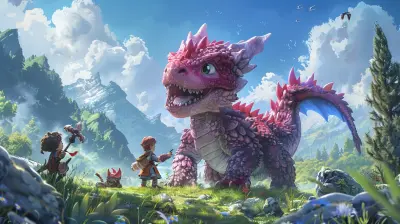
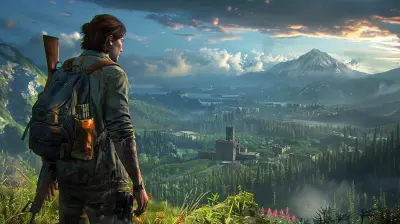
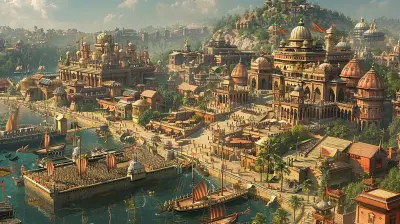
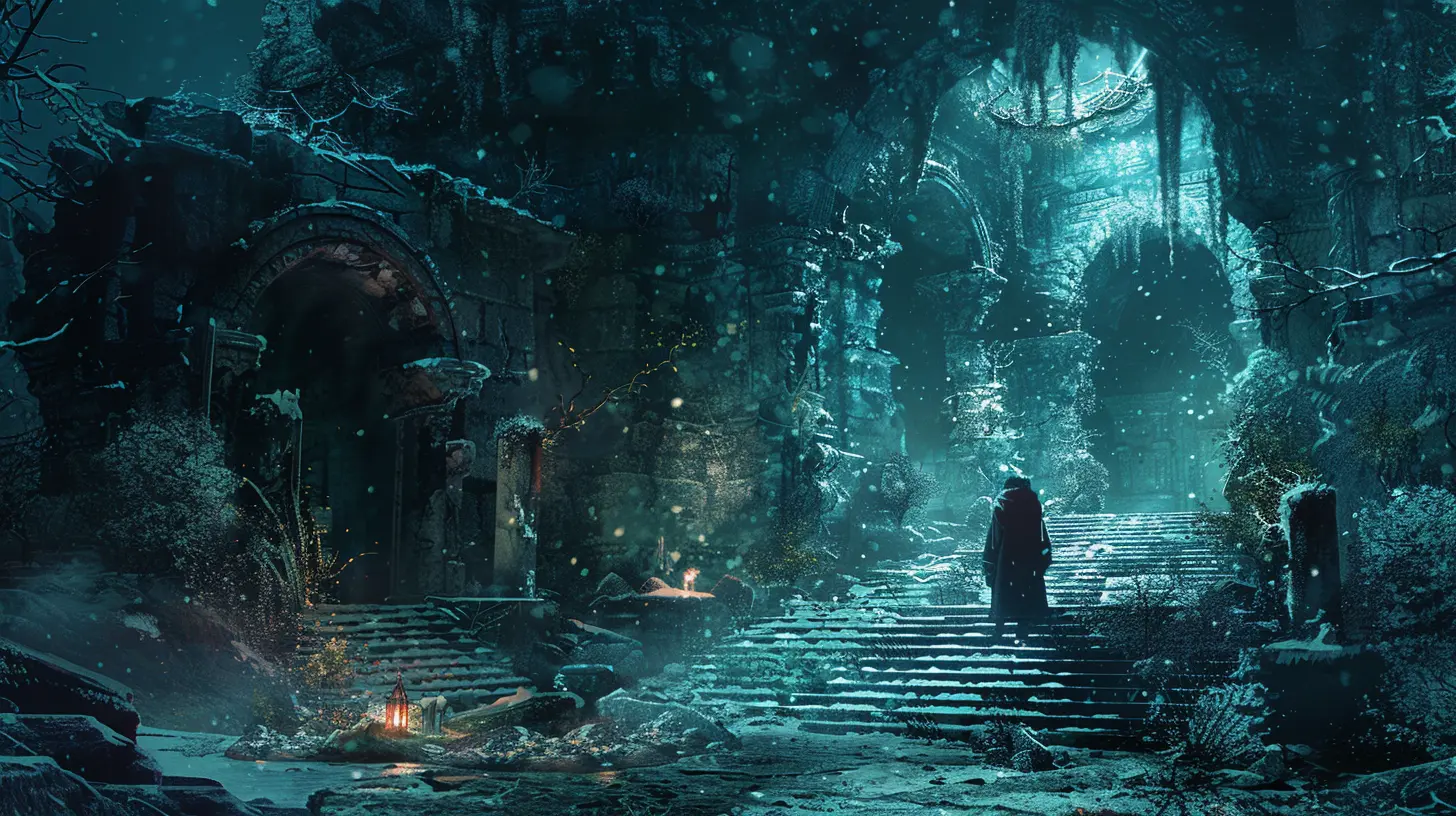
all images in this post were generated using AI tools
Category:
ReplayabilityAuthor:

Luke Baker
Discussion
rate this article
1 comments
Zanya McFadden
Infinite replayability often hinges on meaningful choices and evolving narratives. Games that surprise us, challenge our strategies, or let us forge unique paths stay fresh. It's about the depth of experience, not just the mechanics, that keeps players coming back for more.
July 5, 2026 at 4:25 AM
Luke Baker
Absolutely, it's the choices and unexpected twists that create a lasting impact. Depth in storytelling and strategy really keeps players engaged long after the first playthrough.