The Most Influential Female Characters in Gaming
16 June 2026
When we talk about video games, it's easy to get caught up in the action, the graphics, the weapons, or the fantasy worlds—but what truly makes a game unforgettable? For many of us, it's the characters. And while male protagonists have long dominated the gaming sphere, times have changed, and with that, so has the face of the hero (or anti-hero). Ladies and gentlemen, it's time to shine a much-deserved spotlight on the most influential female characters in gaming.
These iconic women didn't just break hearts and records—they broke barriers. They inspired gamers, changed the industry, and proved that video games aren't just for the boys. Whether you're a lifelong gamer or just getting started, you’ve likely crossed paths with at least one of these powerhouses. So, grab your controller and let’s dive in!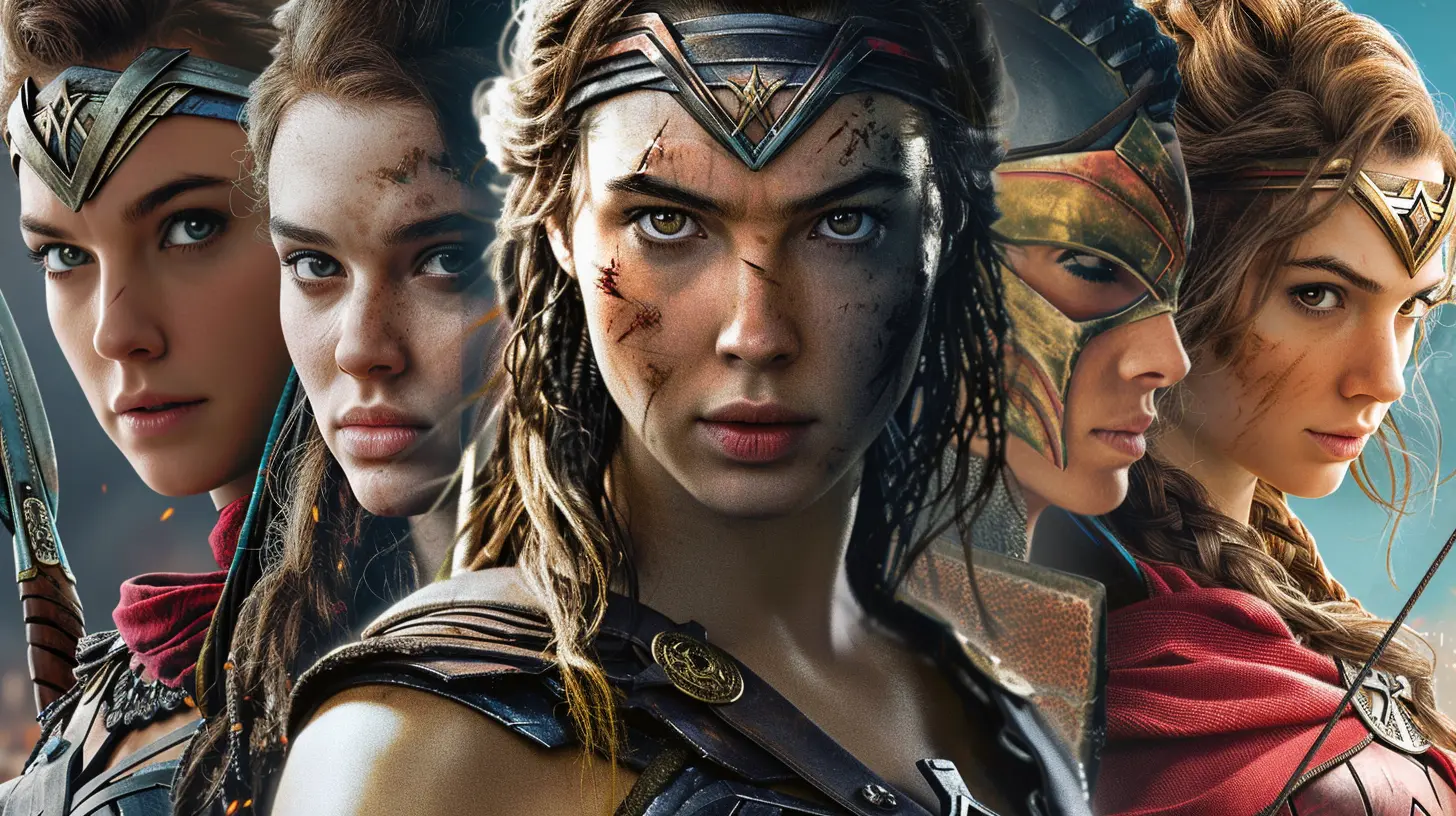
Why Female Characters in Games Matter
Before we go into the roll call of legendary ladies, let’s ask a simple question: Why does representation matter in games?Gaming is a form of storytelling. And stories reflect our world, our ideals, our dreams, and yes—even our flaws. Seeing strong, diverse, and well-written female characters helps broaden perspectives. It lets players see themselves in the games they love. And honestly, it's just refreshing, right?
Let's be real: the damsel-in-distress trope? It's outdated. Today’s female characters are warriors, strategists, survivors, leaders—and not just in a token way.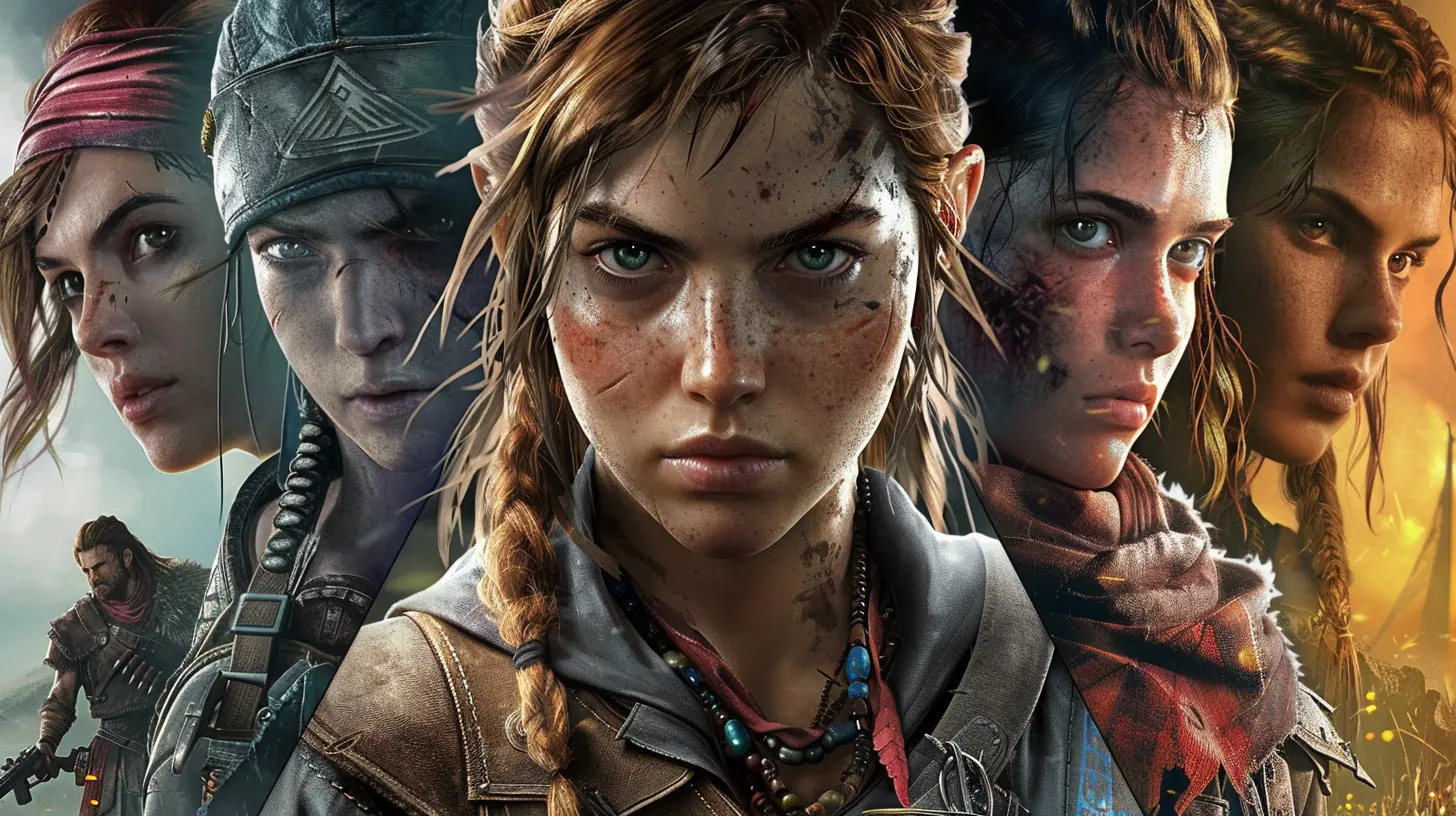
Lara Croft – The Archeologist Who Redefined Adventure
When talking about influential female characters, let’s start with the absolute icon—Lara Croft.Introduced in 1996’s Tomb Raider, Lara Croft wasn’t just a heroine—she was a revolution. She kicked down doors (sometimes literally) in an industry dominated by male action heroes.
Originally portrayed with exaggerated features and tight outfits (thanks, 90s), players stuck around for more than just the visuals. Lara was smart, resourceful, and fearlessly independent. Over the years, her character evolved, shedding those early design choices for a more grounded, emotionally complex persona in the rebooted series starting in 2013.
Lara proved that women could carry blockbuster gaming franchises on their shoulders. And she did it while fighting tigers, dodging traps, and solving ancient mysteries.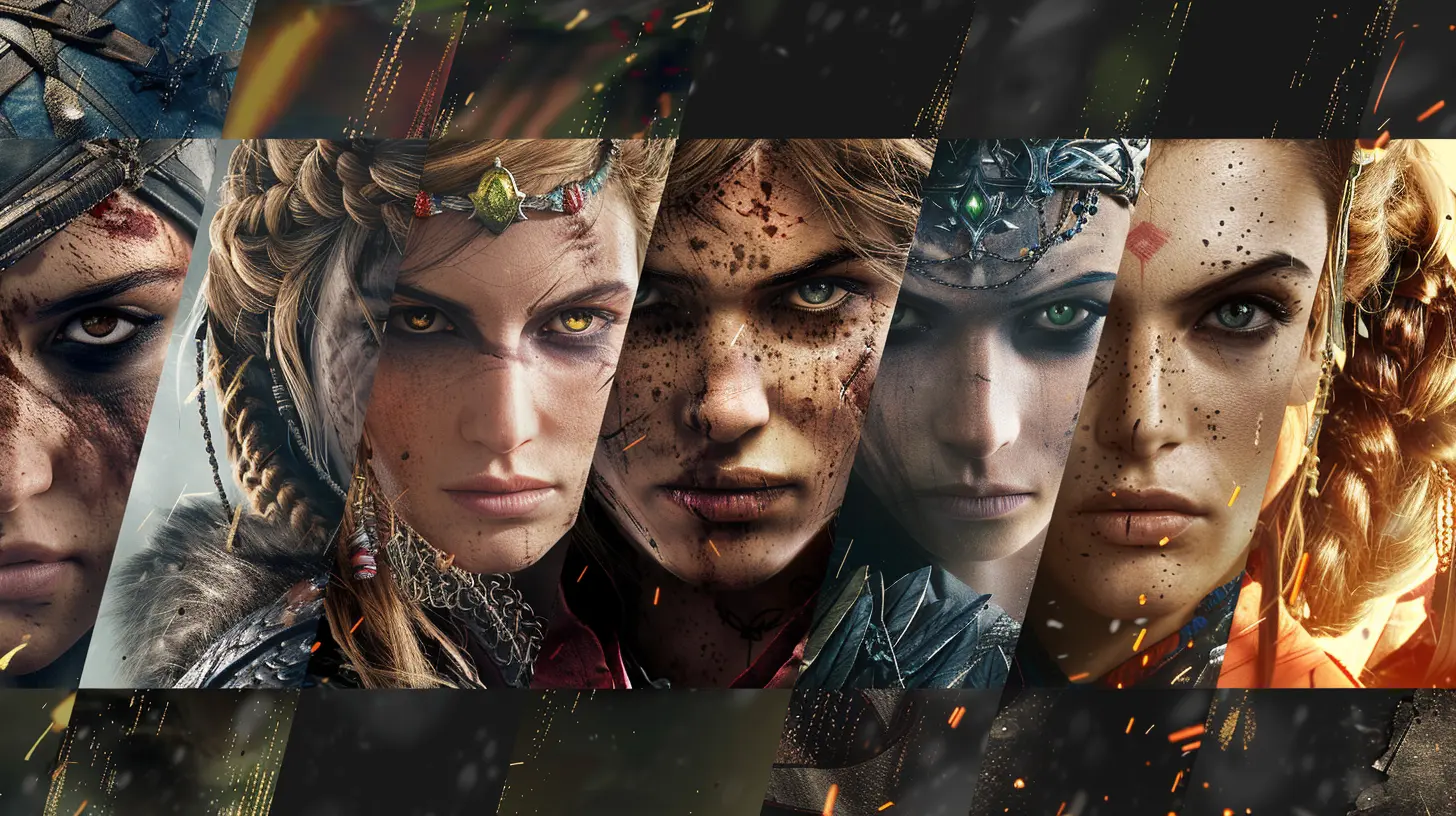
Samus Aran – The Original Twist You Didn’t See Coming
Remember the first Metroid game in 1986? Gamers played the entire game assuming they were guiding just another armored space soldier. Then, boom—the big reveal: Samus Aran is a woman.That twist wasn’t just mind-blowing; it was trailblazing. Samus wasn’t defined by her gender. She was defined by her strength and skill. And she didn’t need anyone to save her—she was too busy saving the galaxy.
Over the years, Samus has remained a beloved, albeit quiet, force in the industry. She’s a symbol of quiet confidence, resilience, and capability. She doesn’t talk much—but when she moves, people listen.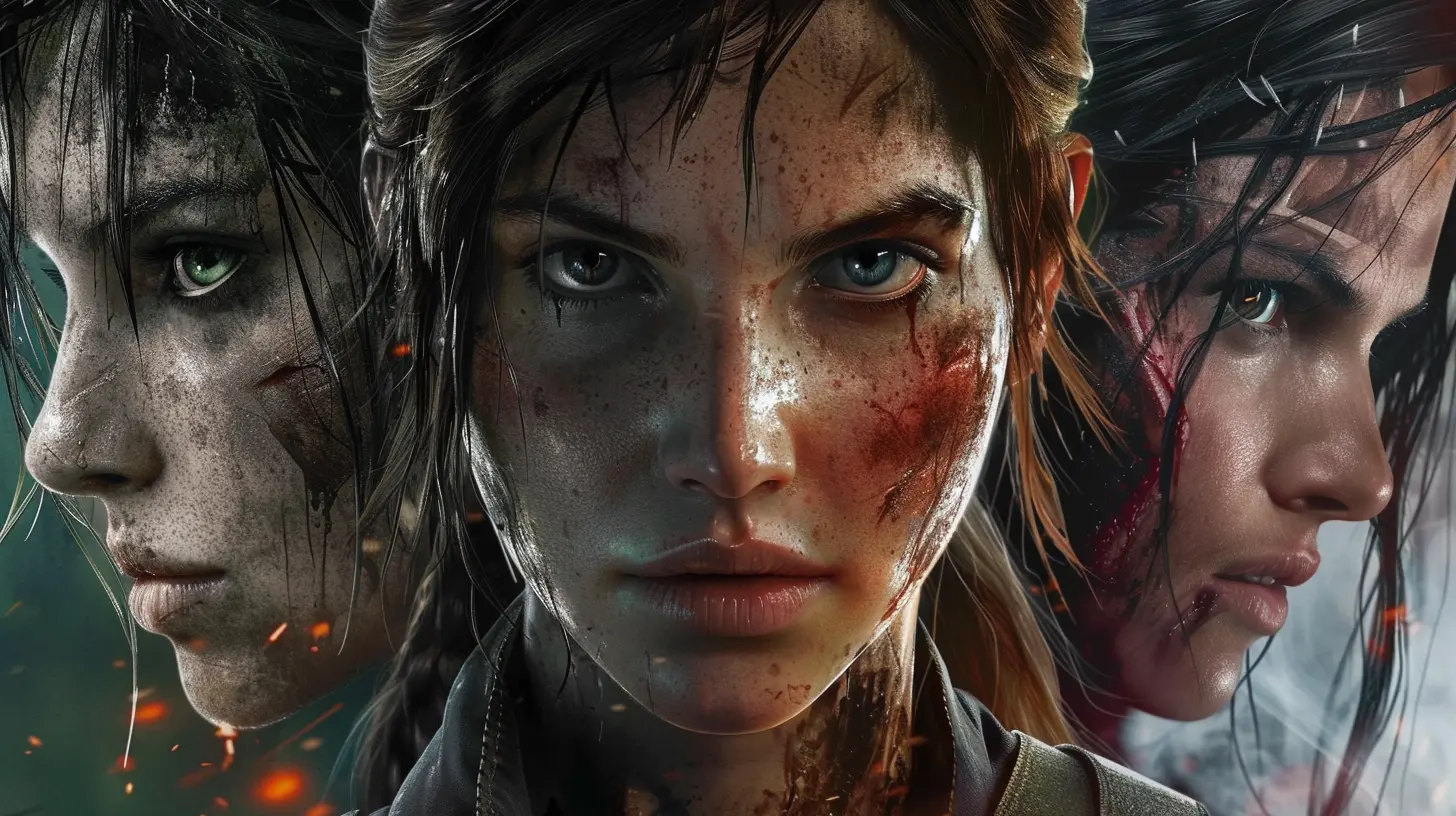
Aloy – A Hunter Searching for Truth
From the post-apocalyptic beauty of Horizon Zero Dawn, Aloy burst onto the scene as a breath of fresh air. She’s intelligent, curious, and deeply human.Raised as an outcast in a mysterious, machine-ruled world, Aloy fights not just robotic beasts but also the weight of her past and destiny. She’s the kind of protagonist who feels real—someone you root for because she’s not perfect, but she learns, grows, and leads.
She’s not just a powerful character—she’s a role model. Her journey is about discovery, not only of the world around her but of her own identity.
Ellie – A Survivor of Unimaginable Strength
Few characters in gaming history have gone through what Ellie has endured in The Last of Us series.From a wide-eyed, witty teenager to a hardened adult shaped by love and loss, Ellie’s journey is raw, emotional, and incredibly powerful. She's fierce on the battlefield, loyal to the end, and flawed in intensely human ways.
Ellie isn't just influential because she’s a strong female lead; she’s influential because she’s real. Players felt her pain, her anger, her conflicted emotions—and that kind of storytelling is groundbreaking.
Chun-Li – Kicking Down Stereotypes Since the 90s
Let’s rewind to 1991. Street Fighter II hits arcades, and in walks Chun-Li—the first female fighter in a major fighting game.Fast, stylish, and packing a mean kick, Chun-Li didn’t just belong in the game—she dominated it. She became an instant fan favorite and remains a staple in fighting games to this day.
Beyond the spinning bird kicks and lightning-fast combos, Chun-Li represented something bigger: a woman who fought on equal footing with the guys and won. She wasn’t eye candy—she was a force of nature.
Jill Valentine & Claire Redfield – Queens of Survival Horror
If anyone knows how to survive a zombie apocalypse, it's Jill Valentine and Claire Redfield from the Resident Evil series.Jill, a member of the elite S.T.A.R.S. unit, and Claire, a resourceful college student turned zombie-slayer, showed players that when the undead rise, the ladies don’t run—they fight.
Both characters balanced vulnerability with strength, showing courage in the face of horror. They became benchmarks for survival horror protagonists and inspired countless others in the genre.
Bayonetta – Style, Sass, and Supreme Power
Bayonetta is what happens when elegance meets deadly.As a powerful witch with guns in her heels (yes, really), Bayonetta dances through battles with a unique blend of style and ferocity. She’s confident, fabulously over-the-top, and owns every second of it.
Some may criticize her design, but Bayonetta knows exactly who she is—and that self-assuredness is empowering. She doesn’t ask for permission. She commands attention and takes no prisoners.
Senua – A Deep Dive Into the Mind
In Hellblade: Senua’s Sacrifice, players step into the shoes of Senua, a Celtic warrior battling not just mythical monsters but the very real torment of psychosis.Senua’s story is intimate, haunting, and deeply respectful. The developers worked closely with mental health experts to portray her condition with accuracy and empathy.
This wasn't just a game—it was a journey into the human psyche. Senua made history not just by being a protagonist, but by giving players a closer, more understanding look into mental health—a topic rarely touched in games.
Princess Zelda – More Than Just Royalty
Let’s set the record straight—Zelda is way more than just the damsel in The Legend of Zelda series.Sure, Link does most of the heavy lifting on-screen, but Zelda’s influence is woven throughout the series. In many incarnations, she’s a powerful force—sometimes as Sheik, a stealthy warrior, or as a magical ruler with wisdom and strength.
Over time, Zelda has become recognized not just as a plot device, but as a character with depth, intelligence, and agency.
Clementine – From Innocence to Leadership
If you played The Walking Dead from Telltale Games, you probably remember the first moment you met Clementine—a scared little girl hiding from the undead.She starts as someone you protect. But as the series goes on, the roles reverse. Clementine grows up. She learns. She becomes the leader.
By the end, you’re not just playing as her—you’re proud of her. She’s the epitome of growth, perseverance, and strength in a world crumbling around her.
How Female Characters Have Changed the Game Industry
These characters didn’t just entertain us—they pushed the entire industry forward. They challenged stereotypes, inspired developers to think deeper, and opened doors for more diverse storytelling.Today, game designers are increasingly aware that players want relatable, strong, and multi-dimensional female characters. They want stories that go beyond cookie-cutter characters and deliver something real.
And let’s not forget the impact on young girls who pick up a controller and see someone like themselves on-screen. That kind of representation? Priceless.
The Future Looks Bright (And Balanced)
It’s clear we’ve come a long way, but the journey isn’t over. There’s still room for more stories, more cultures, more voices. Female characters can be heroes, villains, leaders, rebels, dreamers, anything.Game studios are finally listening, and the result is a more vibrant, inclusive, and emotionally powerful gaming experience for everyone.
Whether it’s in indie games or AAA titles, female characters are no longer the exception—they’re becoming the standard.
Final Thoughts
So, here's the thing: gaming is for everyone. And the most influential female characters in gaming have shown us that being powerful doesn't always mean having the biggest weapon. Sometimes, it means surviving. Sometimes, it means being vulnerable. And sometimes, it just means showing up and not backing down.These women have shaped the hearts and minds of millions. They’ve turned pixels into icons and inspired generations of gamers. And honestly? They’re just getting started.
So the next time you load up a game and see a female protagonist front and center—take a moment to appreciate the path these legends paved.
all images in this post were generated using AI tools
Category:
Best Game CharactersAuthor:

Luke Baker
Discussion
rate this article
2 comments
Hudson Morales
This article highlights the vital role female characters play in shaping gaming narratives. From strong leaders to complex anti-heroes, these characters challenge stereotypes and inspire players. It's about time we celebrate their influence in this evolving medium.
September 14, 2026 at 4:40 PM
Icarus Jennings
This article beautifully highlights the powerful impact of female characters in gaming. It's inspiring to see their stories celebrated and how they shape our gaming experiences. Great read!
June 23, 2026 at 4:06 PM
Luke Baker
Thank you! I'm glad you enjoyed it. Female characters truly do enrich our gaming experiences.