Endings That Make You Rethink Everything
10 May 2026
Ever finished a game and just sat there, staring at the screen, trying to process what the heck just happened? You know the feeling—the credits are rolling, your controller's still in your hand, and you're emotionally bruised from a plot twist that hit harder than expected. Some games don’t just end; they grab your brain, shake it around, and leave you questioning everything you thought you knew.
Well, you're in the right place, my friend. Let’s talk about those unforgettable game endings that flipped the script and made us rethink not only the story—but ourselves too. These are the “wait… what?” moments that stick with you long after you’ve turned off the console.
Why Endings Matter More Than We Think
So why do game endings mean so much? Easy. They're the final piece of the puzzle—the grand finale that ties all your choices, emotions, and time investment into one epic or tragic bow.And let’s be real: A weak ending can make a great game instantly forgettable. But a spectacular, mind-bending finish? That can turn a good game into a legendary one.
Story-rich games do this best. When narratives are built like layered cakes, a twist at the end isn’t just shock for shock’s sake—it’s a calculated reveal that forces you to re-evaluate every scene, choice, and breadcrumb dropped along the way.
Let’s dig into some of the most killer endings that threw us into the emotional deep end and made us do a double-take.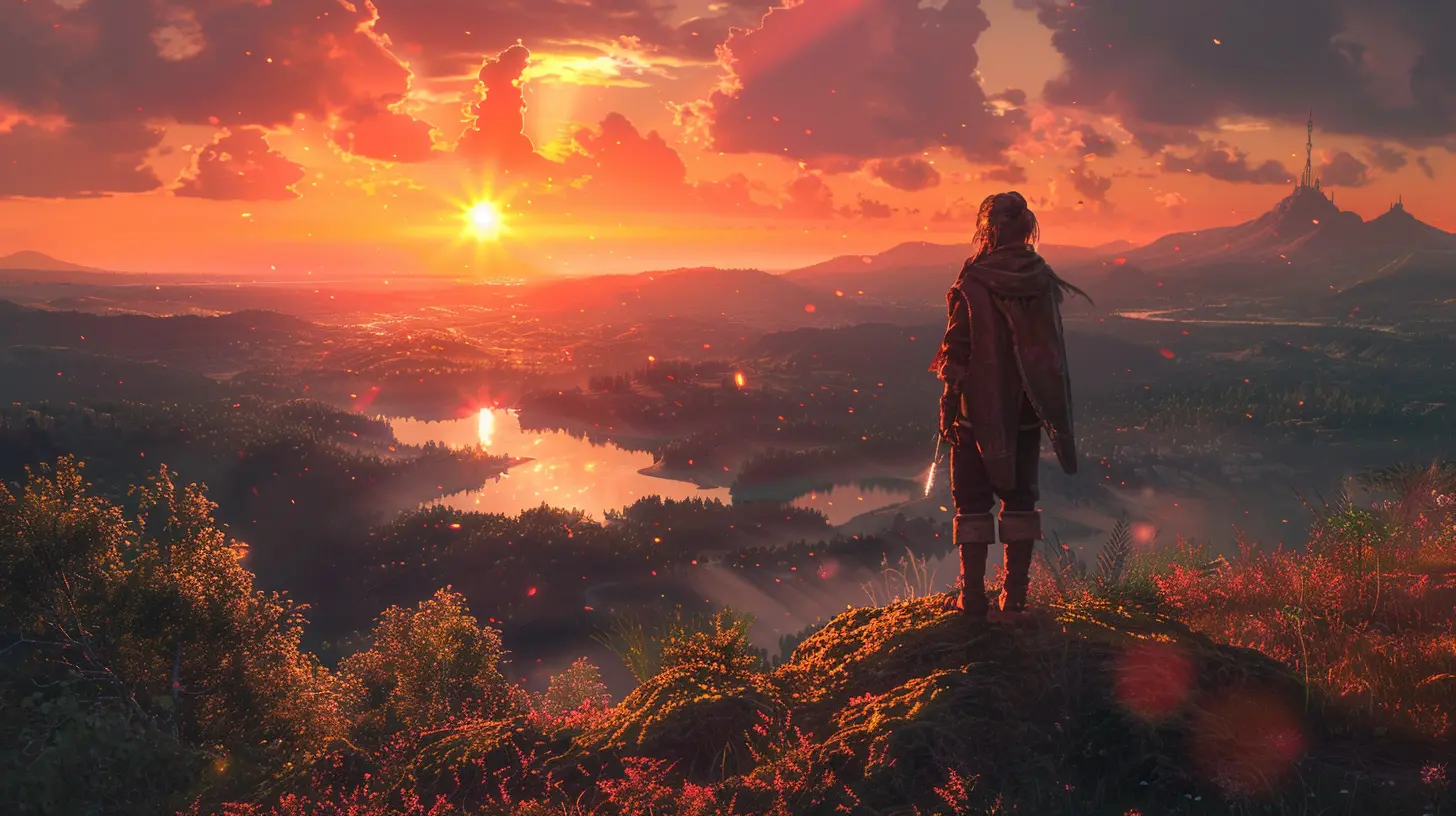
1. Bioshock – “Would You Kindly?”
Ah, Bioshock. A first-person shooter? Yes. A philosophical gut punch? Absolutely.When you finally realize that your entire journey in Rapture was manipulated by the phrase "Would you kindly?"—it’s a sucker punch to the gut. It's not just a twist; it's a commentary on free will, player agency, and how we blindly follow in-game instructions.
You were never in control. Just like your character, you were doing exactly as told the whole time. Mind. Blown.
Would you kindly re-evaluate your entire experience after that?
2. The Last of Us – The Lie That Changed Everything
When Joel lies to Ellie at the end of The Last of Us, it isn't just a typical plot twist—it’s a moral maze. He tells her the Fireflies found other immune people and didn’t need her, but the truth? They needed her, and using her might’ve meant her death.This ending forces you to ask: Was Joel right? Can love justify a lie? Would you do the same?
The answer isn't clear—and that's what makes it so powerful. It leaves you questioning not just Joel's choices, but your own values too.
3. Inside – That Ending Was... What Now?!
Inside is like a fever dream wrapped in a puzzle platformer. And then... that ending.You spend the whole game avoiding death, running through a dystopian world, solving mind-bending puzzles—and then you end up merging with a fleshy, writhing blob of limbs?
You escape... or are set free... or maybe manipulated all along?
No dialogue. No exposition. Just a gut feeling that you've been a pawn, not a hero. It’s insomnia fuel, honestly.
4. Red Dead Redemption – Rest in Peace, John Marston
Rockstar Games really put us through it with this one. You think you’ve earned your peaceful retirement after everything you've done as John Marston. You’ve turned your life around, right?Wrong.
When the government betrays you and John is gunned down, it’s not just heartbreaking—it's brutally honest. Redemption doesn’t come easy, and sometimes it doesn’t come at all.
But wait—years later, you get revenge as his son, Jack. The cycle of violence continues. It makes you ask: Can you really escape your past?
5. Spec Ops: The Line – You Were The Villain All Along
If you’ve ever doubted that video games can explore deep psychological trauma, Spec Ops: The Line proves otherwise.You play as a soldier trying to do the right thing in a war-torn Dubai. But the lines between hero and villain blur fast. When the game finally reveals that most of the horrors were a result of YOUR actions... it’s devastating.
You weren’t saving anyone—you were justifying your own descent into madness. It's not just a twist; it’s a reflection of how easily we shape our own truths.
And yeah... that loading screen message that says, “Do you feel like a hero yet?” still haunts us.
6. Nier: Automata – Hope Through Sacrifice
Nier: Automata doesn’t just have one ending. It has 26. But only when you reach the final one—Ending E—do you truly grasp the full picture.After heartbreak, despair, and countless battles, the game offers you a choice: sacrifice your save file—your actual progress—to help players you'll never meet.
You literally delete everything you’ve worked for to give someone else hope. Powerful? Absolutely.
It’s a message that cuts deeper than most. In the end, it’s not only about war or AI emotions; it’s about selflessness, connection... and second chances.
7. Life is Strange – Butterfly Effects, Literally
In Life is Strange, your choices matter—like, butterfly-effect level matter. It all comes down to one final decision: save your best friend Chloe or save an entire town.Neither option feels right. There’s no perfect ending, and that’s kind of the point. Life’s messy. Grief is messy. And choices? They can haunt you.
This game doesn’t wrap things up with a bow. It makes you sit with the consequences—and feel every inch of that emotional weight.
8. Silent Hill 2 – A Deep Dive into Guilt
Silent Hill 2 is a psychological horror masterpiece, and its ending(s) are like therapy sessions you didn’t ask for. Depending on your in-game behavior, the truth about James and his wife Mary is revealed differently.One version reveals James killed Mary himself. Some endings have him accepting that truth. Others show him drowning in guilt—literally.
The game turns your own actions into a mirror. The better you treat the world around you, the more merciful the ending. Talk about poetic justice.
9. Undertale – The Power of Mercy or Destruction
Undertale has multiple endings, but the most memorable are the “Pacifist” and “Genocide” routes. The kicker? The game remembers your choices.If you go full Genocide mode, the game punishes you emotionally and narratively—even if you restart and try to go the good route afterward.
It’s rare for a game to hold you accountable like this—like a digital karma system.
Kinda makes you think twice the next time a game asks if you want to “attack” the cute monster, huh?
Why These Endings Work
So what makes these endings hit so hard? Three big things:1. They Challenge Your Morals
These aren't tidy tales where the hero saves the day. They force you to confront uncomfortable truths—about the characters, the world, and yourself.2. They Subvert Expectations
Just when you think you know where things are going—bam! Plot twist. But not the cheap kind. These are carefully crafted turns that make you appreciate the journey even more.3. They Stick With You
These endings don’t fade. They echo in your mind days, even weeks later. That’s storytelling magic right there.Honorable Mentions (Because This List Could Be Endless)
Seriously, there are so many other games that could’ve made the cut—like:- Oxenfree – Time loops and trauma? Yes, please.
- What Remains of Edith Finch – Sad and strange stories that linger.
- The Stanley Parable – The definition of meta.
- Heavy Rain – Press X to Doubt… yourself.
Each of these spin endings in ways that either tug at your emotions or slap your mind awake. And honestly? That’s the kind of art we need more of in gaming.
So... How Did YOUR Last Game End?
Every gamer’s got that one title—the one they can't stop thinking about, the one that changed the way they look at storytelling in games. Maybe it’s The Last of Us. Maybe it’s Undertale. Or maybe it’s something totally unexpected that hit you right in the feels.If you haven’t experienced one of these jaw-dropping endings yet, go do yourself a favor. Dive in, finish that game, then come back and let’s talk about it. Just remember: not all endings bring closure. Some leave you with questions—and that’s exactly why they’re unforgettable.
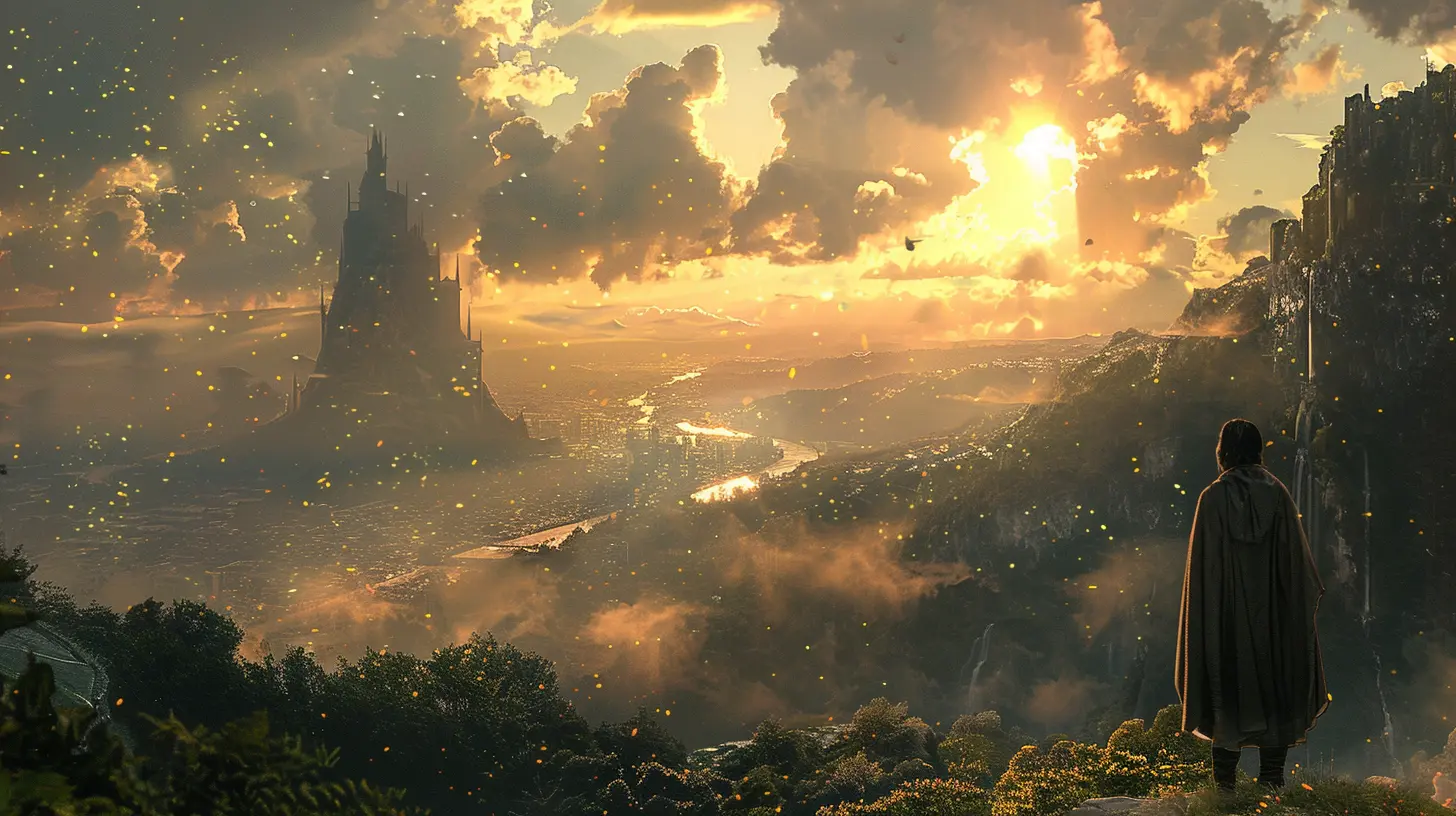
all images in this post were generated using AI tools
Category:
ReplayabilityAuthor:

Luke Baker
Discussion
rate this article
2 comments
Easton Lee
Nothing like a game ending to make you question your life choices... right?
June 22, 2026 at 2:50 PM
Luke Baker
Absolutely. Those moments can be eye-opening and leave a lasting impact.
Jett McFee
Great endings inspire reflection, changing our perspective on the journey.
May 10, 2026 at 2:52 AM
Luke Baker
Thank you! I'm glad you found the endings thought-provoking. They really can shift our view on the entire journey.