When Games Become Second Homes: Stories from Online Worlds
24 February 2026
Have you ever logged into a game just to feel… home again?
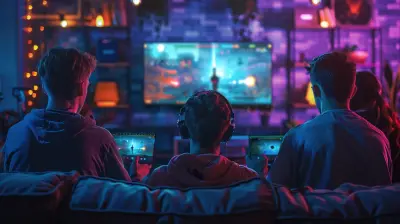
You know that feeling—it’s not about hitting high scores, completing quests, or getting the rarest loot. It’s about logging into a space that feels safe, familiar, and full of memories. Maybe it’s the soft chime of background music, the way your character moves, or the sight of your guild name glowing above friends' avatars. For many gamers around the world, online worlds are more than just entertainment—they’re second homes.
In this article, we're diving deep into the emotional side of gaming. Real stories. Real people. And how these digital landscapes have become sanctuaries, playgrounds, and communities. So, grab a snack, lean back, and let's step into the pixelated magic of when games become second homes.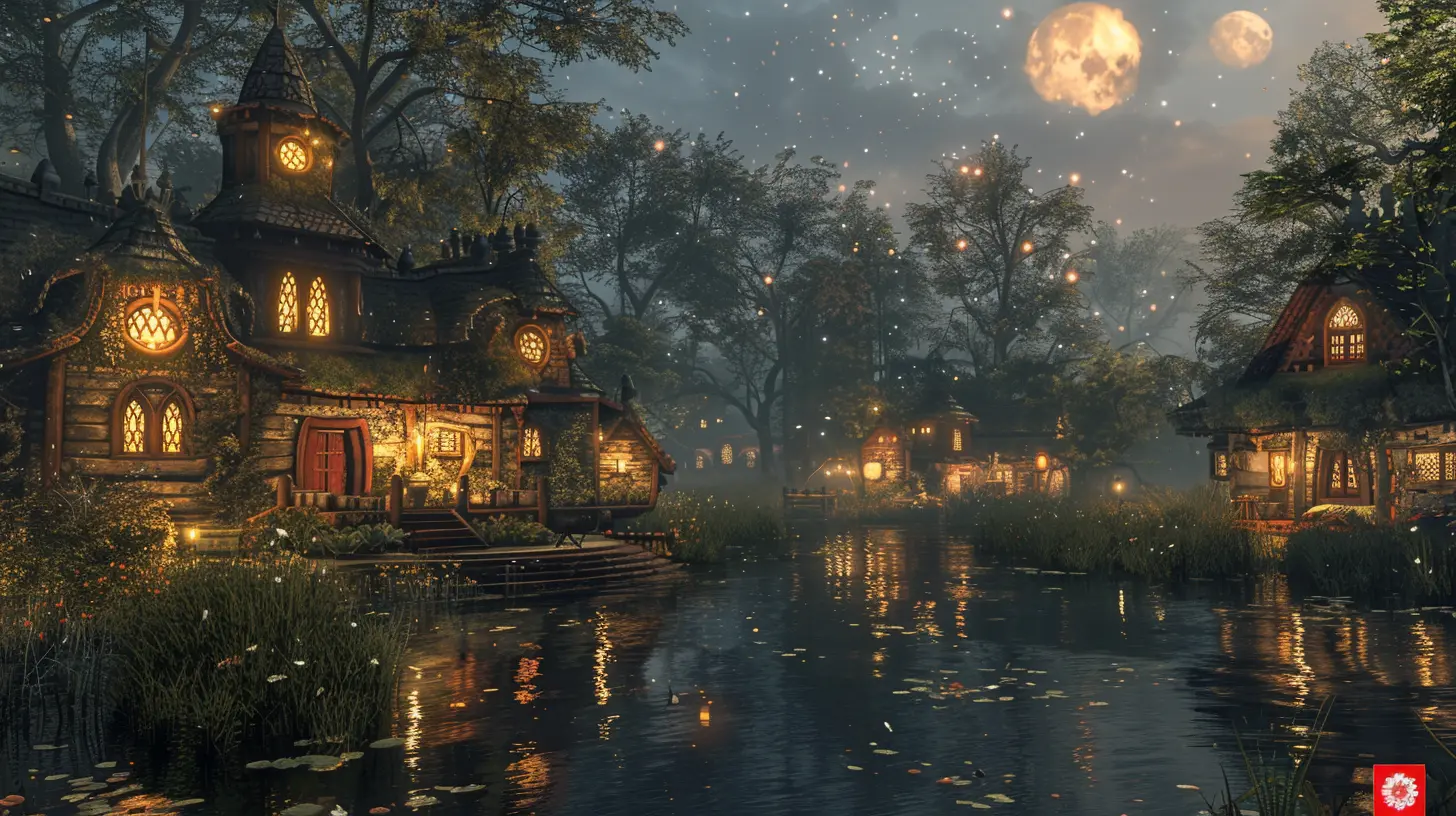
What Makes an Online World Feel Like Home?
At first glance, an online game is just code, graphics, and mechanics. But it’s much more than that, isn’t it?1. Familiarity Breeds Comfort
Just like that cozy coffee shop where the barista knows your name, online games become familiar terrain. The way your character mounts their virtual steed, the rhythm of daily tasks, or just knowing where everything is—it creates comfort. It’s repetition without boredom.Many players say logging into their favorite MMORPG is like stepping into their living room. You might be halfway across the world, stressed from work or school, but one click transports you to a place where everything makes sense.
2. Customization = Ownership
The ability to make your character truly your own is powerful. Whether you're rocking neon purple hair or a dragon-shaped cloak, this level of self-expression makes the world feel tailored to you. It's yours.Even player housing, which might seem trivial, adds another layer. Decorating your own virtual space lets you leave a personal stamp in a shared universe. It's not unlike putting up posters in your room or painting the walls your favorite shade.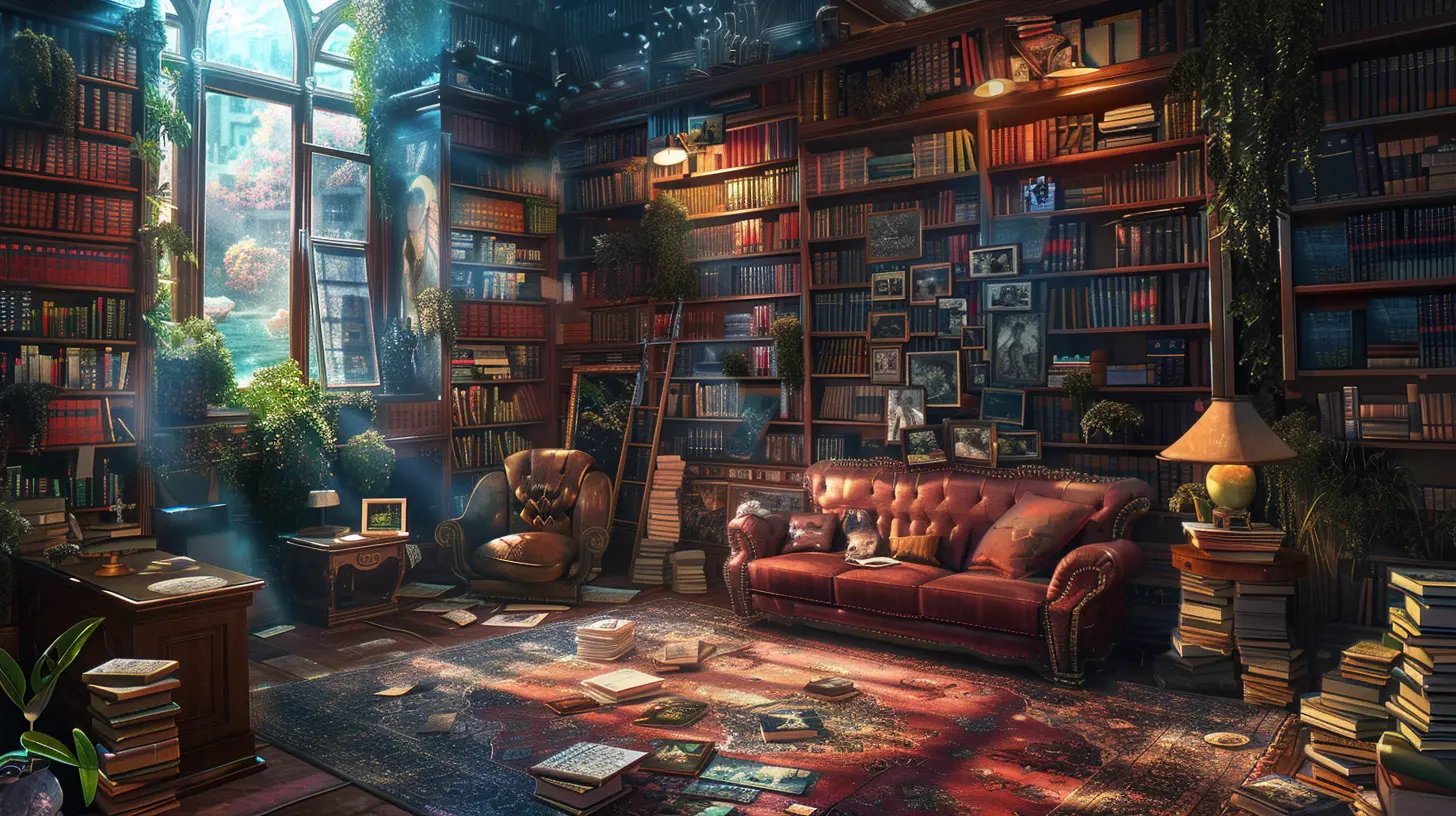
Real Stories: When Pixels Feel Personal
Meet Sarah: Escaping Into Azeroth
When Sarah's parents went through a tough divorce, she found herself struggling to adjust. School was rough, and home wasn’t exactly peaceful. But World of Warcraft? That was her secret sanctuary."I started playing WoW when I was 15. Honestly, I think it saved me," she says. "I had guild mates who became like family. We’d run dungeons, joke over Discord, and share parts of our lives we couldn’t anywhere else."
Azeroth became her hideaway when reality got too loud—and it helped her heal.
Jake & Mia: Love in the Time of Lag
You know those relationships that start in the most unexpected ways?Jake and Mia met in Final Fantasy XIV during a low-level Fate battle. From party invites to late-night grinding sessions, their connection grew. Fast forward three years: they’re living together and still run weekly raids.
"Some people meet at bars or coffee shops," Jake laughs, "We met killing goblins."
Their story isn't rare. Online games—especially MMORPGs—create opportunities for genuine connections, not just flings or quick chats.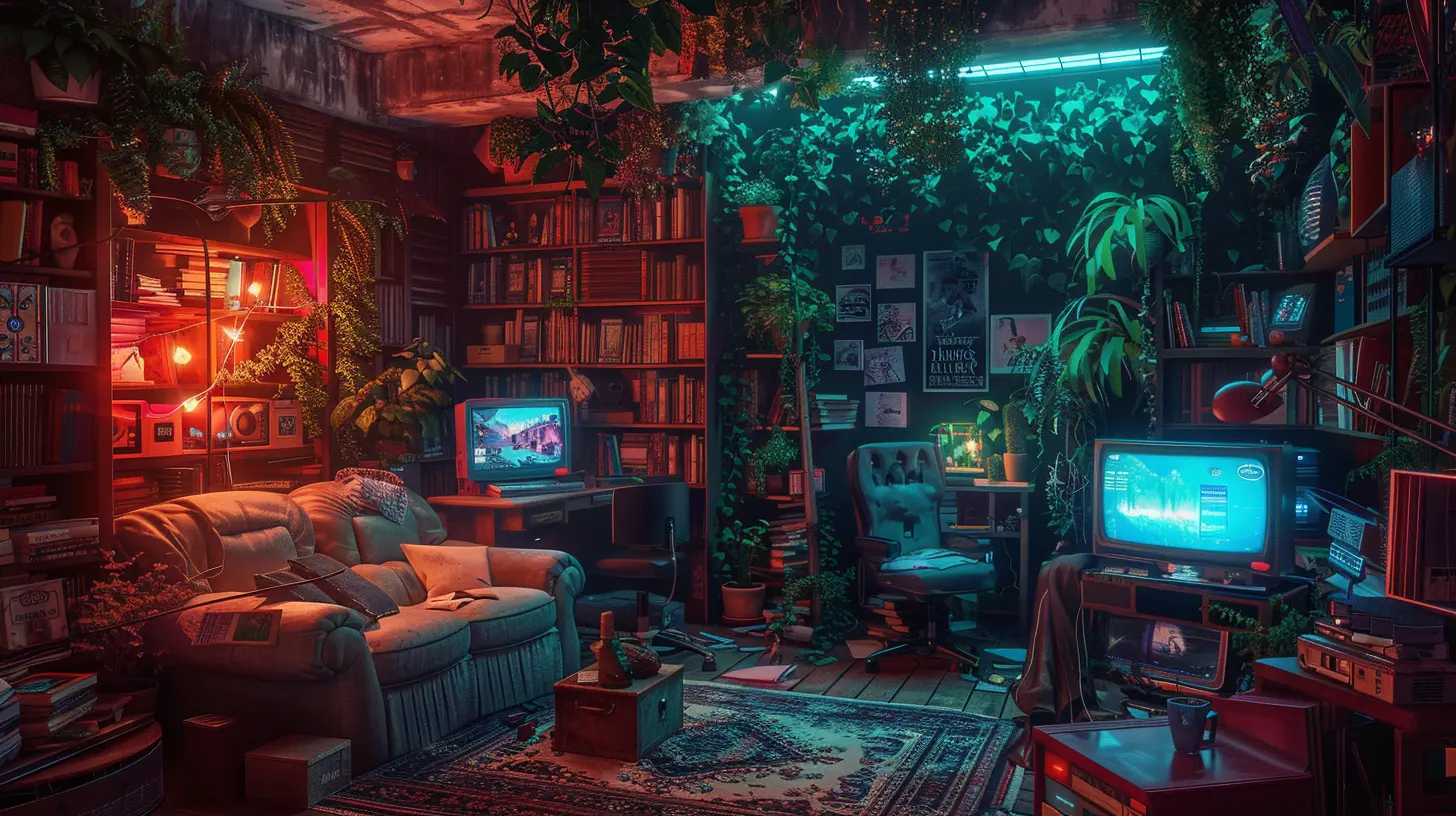
Communities That Stick Around
One of the biggest reasons games become second homes? The people.Guilds, Clans, and Crews
Being in a guild feels a lot like having a second family. You have roles, responsibilities, and inside jokes that only your team gets. Remember the time your tank pulled too many mobs and chaos ensued? Legendary.These relationships often spill outside the game. Players attend each other’s weddings, support fundraisers, or just hang out in real life. The bonds built over voice chat and dungeon crawls are very real.
Player Events and Traditions
You’ve probably attended a digital wedding, right? Or maybe a holiday celebration inside a game world?Gamers create their own traditions. From annual Halloween parties in Animal Crossing to massive parades in World of Warcraft, these player-made events give games that lived-in, real-world feel.
They're not just features. They’re shared moments and rituals that make us feel like we belong.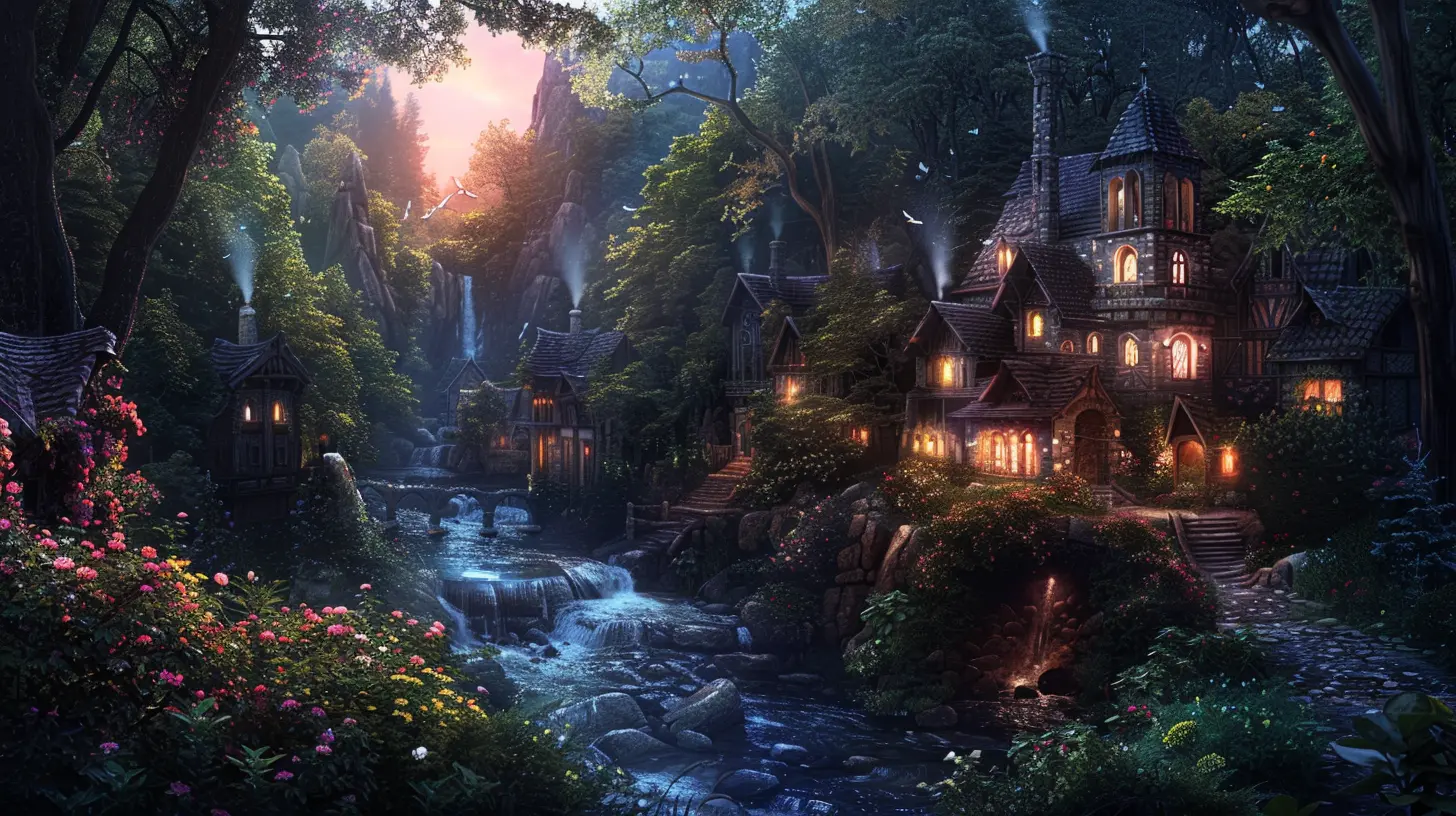
Safe Spaces in a Chaotic World
Let’s face it—the real world can be overwhelming. From personal issues to global crises, people look for places to breathe.A Comfortable Escape
There’s a difference between running away and taking a break. Online games offer that pause button we sometimes desperately need. They provide structure in chaos and give us control when everything else feels out of hand.And the best part? No one judges you for being there. You’re not asked about your past or your problems. You just exist—and sometimes, that’s enough.
Gaming During Hard Times
During the COVID-19 pandemic, online multiplayer games saw record-breaking activity. Why? Because people were stuck at home, craving interaction and stability. Games like Animal Crossing became digital havens, where people could "visit friends," exchange gifts, and escape the anxiety of the outside world.It showed us that virtual-world comfort isn't just a trend—it’s a lifeline.
The Role of Nostalgia
Ever revisited an old game and instantly felt a wave of emotion?That’s nostalgia kicking in. And it’s strong.
Just hearing a certain background track or seeing an old city like Orgrimmar or Windurst can transport you back to a different time in your life. Kind of like flipping through an old photo album—but interactive.
For many, old games represent specific chapters in their life. College years, a first job, a long summer vacation. These memories get locked into the digital environments, making them homes we can always revisit.
The Flip Side: When It Becomes Too Much
Alright, time to address the other side of the coin. Can games be too much of a second home?Absolutely.
Escapism vs. Avoidance
Escaping into a game is fine—but when it turns into avoidance of real-life responsibilities or social withdrawal, it’s a red flag. The line between safe space and hiding place can get blurry real quick."I missed job interviews because I didn’t want to log off," says Tom, an avid gamer. "I didn’t even realize I was spiraling."
It’s all about balance. Games should support your life, not replace it.
Toxicity in Virtual Communities
Not all experiences are sunshine and loot drops. Sometimes, communities turn toxic. Harassment, gatekeeping, or elitist behavior can ruin a good thing.That's why moderation, self-awareness, and choosing the right tribe is so important. Just like in real life, not every "neighborhood" online is welcoming.
The Future of Online Homes
Virtual reality (VR) and the metaverse are pushing boundaries every day. With platforms like VRChat or Meta’s Horizon Worlds, the idea of digital homes is evolving fast.Imagine walking into a 3D room, sitting down on a couch you designed, and chatting with friends from across the world—all in real time. That’s not sci-fi. That’s now.
And with AI-driven NPCs and dynamic storytelling, these worlds are going to feel even more alive, even more personal.
Final Thoughts: Home Is Where Your Heart Logs In
So, why do games become second homes?Because they allow us to be ourselves—even better versions of ourselves. They offer friendship, creativity, challenge, and comfort. Whether it’s a fantasy realm filled with dragons or a quiet island of talking animals, online worlds give us space to breathe, grow, and feel something real.
Sure, they’re digital. But the emotions? 100% human.
So next time you log in, remember—you’re not just playing a game. You’re heading home.
all images in this post were generated using AI tools
Category:
Gaming CommunitiesAuthor:

Luke Baker
Discussion
rate this article
2 comments
Regina Ruiz
Online worlds aren't just games; they're thriving communities where friendships flourish and adventures unfold—our second homes filled with endless possibilities!
March 2, 2026 at 3:15 AM
Luke Baker
Absolutely! Online worlds offer a unique blend of connection and adventure, making them more than just games—they truly become second homes for many.
Amalia Graham
Home is where you play!
February 25, 2026 at 3:23 AM
Luke Baker
Thank you! Indeed, gaming often creates a sense of belonging and community that feels just like home.