Emotionally Powerful Moments with Beloved Game Characters
1 June 2026
Let’s be honest—video games aren't just about high scores, loot drops, or who has the biggest sword. Sometimes, they sneak up on your heart and hit you right where it hurts (in the best way possible). Whether it’s shedding a tear during a crushing loss or feeling pure joy during a triumphant reunion, games know exactly how to tug at your emotional strings.
In this post, we’re diving deep into the emotional rollercoasters we've all ridden thanks to some of the most iconic characters in gaming. It’s about those unforgettable scenes, the ones etched into your memory forever. Ready to take a trip down emotional memory lane? Grab your controller—uh, I mean, tissues—and let’s go.
Why Emotional Moments in Games Matter
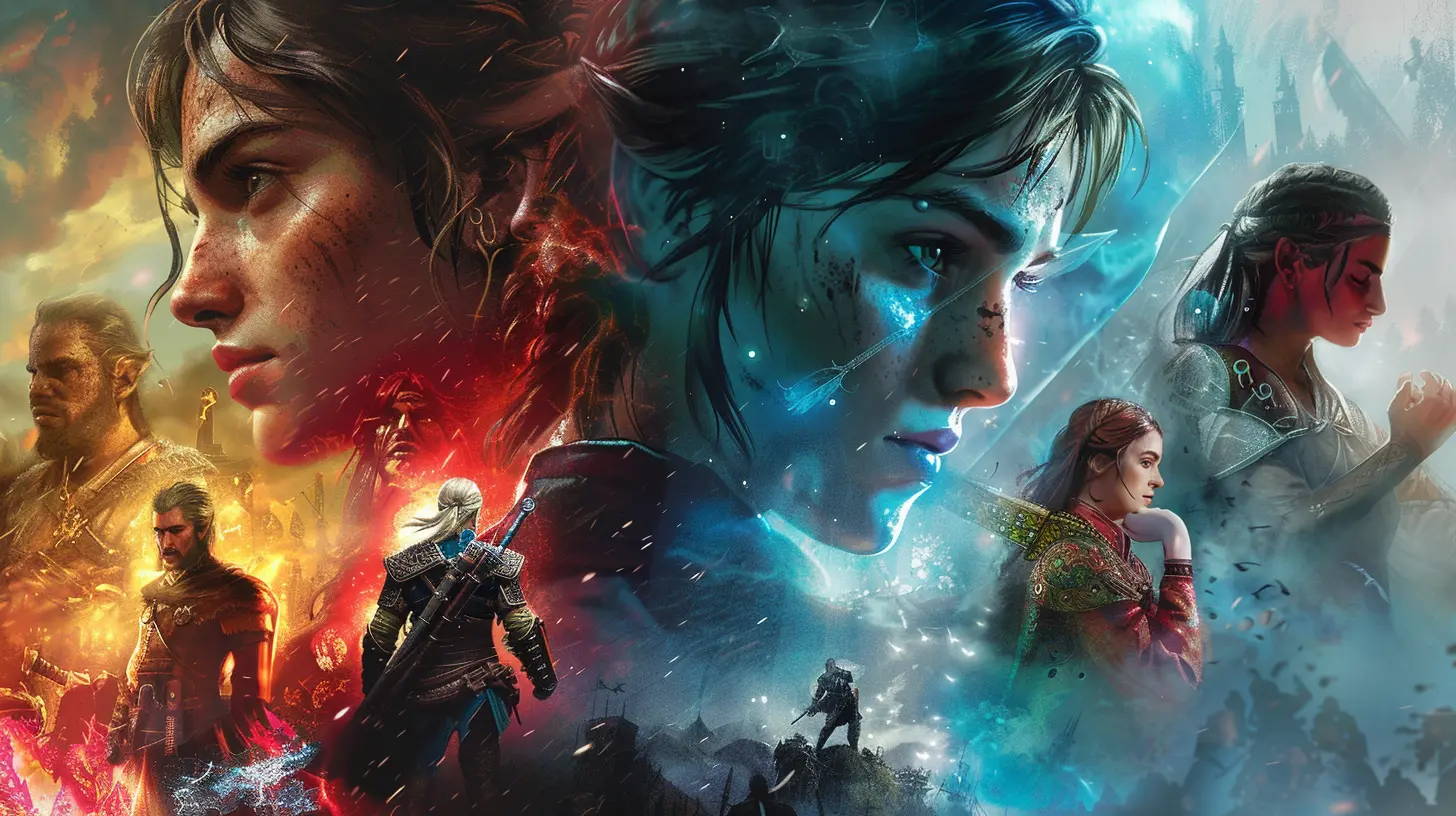
Before we talk about those tearjerkers and triumphs, let’s take a sec to appreciate why these moments hit so hard. Games are unique—they're interactive. You're not just watching a story unfold like in a movie; you're a part of it.When a character laughs, cries, or sacrifices something important, it feels personal. You've been with them for hours, maybe even years across sequels. You’ve fought alongside them, failed with them, and celebrated their wins. So yeah, it cuts deep when things get emotional.
The Power of Character Attachment in Games
Have you ever paused a game because something hit too hard? Or maybe you just stared at the screen, trying to process what just happened? That’s character attachment in full swing.Games give us time to connect with characters. Sometimes, you get 30–50 hours, even longer, walking in their shoes. It’s no wonder when something emotional happens, it feels like it’s happening to you too.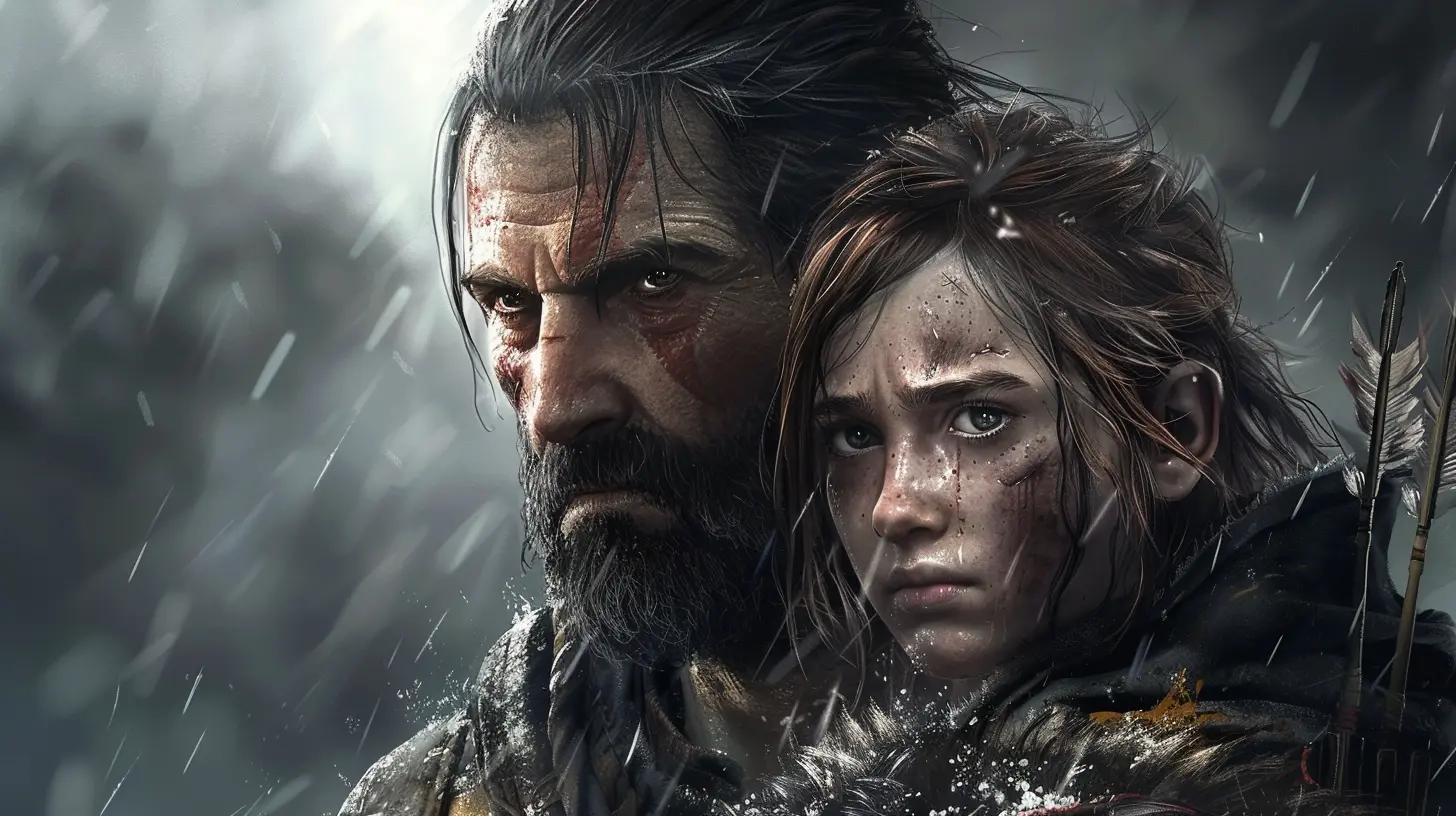
Memorable Game Moments That Wrecked (or Healed) Us
Let’s break down some of the most emotionally powerful moments in gaming history—scenes that made grown adults cry in front of their TVs without shame. ??1. Aerith’s Death – Final Fantasy VII
Let’s just get the obvious one out of the way. If you're a gamer and you’ve played Final Fantasy VII, you know what’s coming. Aerith’s death is one of the earliest and most iconic emotional gut-punches in gaming history.She was the heart of the group—gentle, kind, and always smiling. Then, Sephiroth appears and… well, you know the rest. That moment, complete with haunting music, left an entire generation stunned and in denial. “Did that really just happen? Is there a way to bring her back?”
Nope. It was brutal, beautiful, and unforgettable.
2. The Ending of The Last of Us
Few games do emotional storytelling like The Last of Us. And the ending? Oof. Joel, after everything he and Ellie have been through, lies to her in the final moments. Her subtle “Okay” is packed with weight.It’s not a dramatic twist. It’s not a flashy fight. It’s quiet. It’s human. And it’s heartbreaking in a way that sticks with you for days.
What would you do for someone you love? That’s the question this game throws in your face and doesn’t give a clear answer.
3. Lee and Clementine – The Walking Dead (Telltale Series)
This one hurts. Like, physically hurts.Lee and Clementine’s bond is one of the most beautifully crafted mentor-protege relationships in gaming. From that first episode to the devastating finale, you feel like you’ve watched her grow up—and Lee grow too.
When Lee gets bitten, and you realize what’s coming, it’s emotional chaos. The final scene, where you guide Clementine through saying goodbye, is a masterclass in emotional storytelling.
You didn’t just play as Lee. You were Lee.
4. Red Dead Redemption – John Marston’s Sacrifice
Red Dead Redemption gave us John Marston—an outlaw trying to do right by his family. And just when you think he's made it, that he’s finally earned peace...Bang. Ambushed and gunned down in a hopeless last stand.
It’s not just the act that’s emotional. It’s the build-up. You saw John struggle, try to walk away from a violent life, and take care of his family. And then it’s just... gone.
That slow-motion door push? Chills.
5. Undertale – The Genocide Route Regret
Undertale plays with your expectations and emotions like a puppeteer with heartstrings.Go down the Genocide route, and the game punishes you emotionally. The characters, who once smiled and joked, become terrified of you. Every kill strips away your humanity.
By the time you face Sans, you’re not a hero—you’re the villain. And trust me, that realization? It sucks. It’s powerful, though, because the game makes you feel every. single. consequence.
6. Kratos and Atreus – God of War (2018)
Everyone expected God of War (2018) to be angry as ever. What we got instead? A deep, emotional story about a father and son trying to understand each other.Kratos’ struggle to connect with Atreus, to guide him without repeating his own mistakes—it hits hard. Especially if you’ve ever had a complicated relationship with a parent.
The moment Kratos calls Atreus “my son,” not just “boy”? That’s when the dam breaks. It’s a small thing, but it says everything.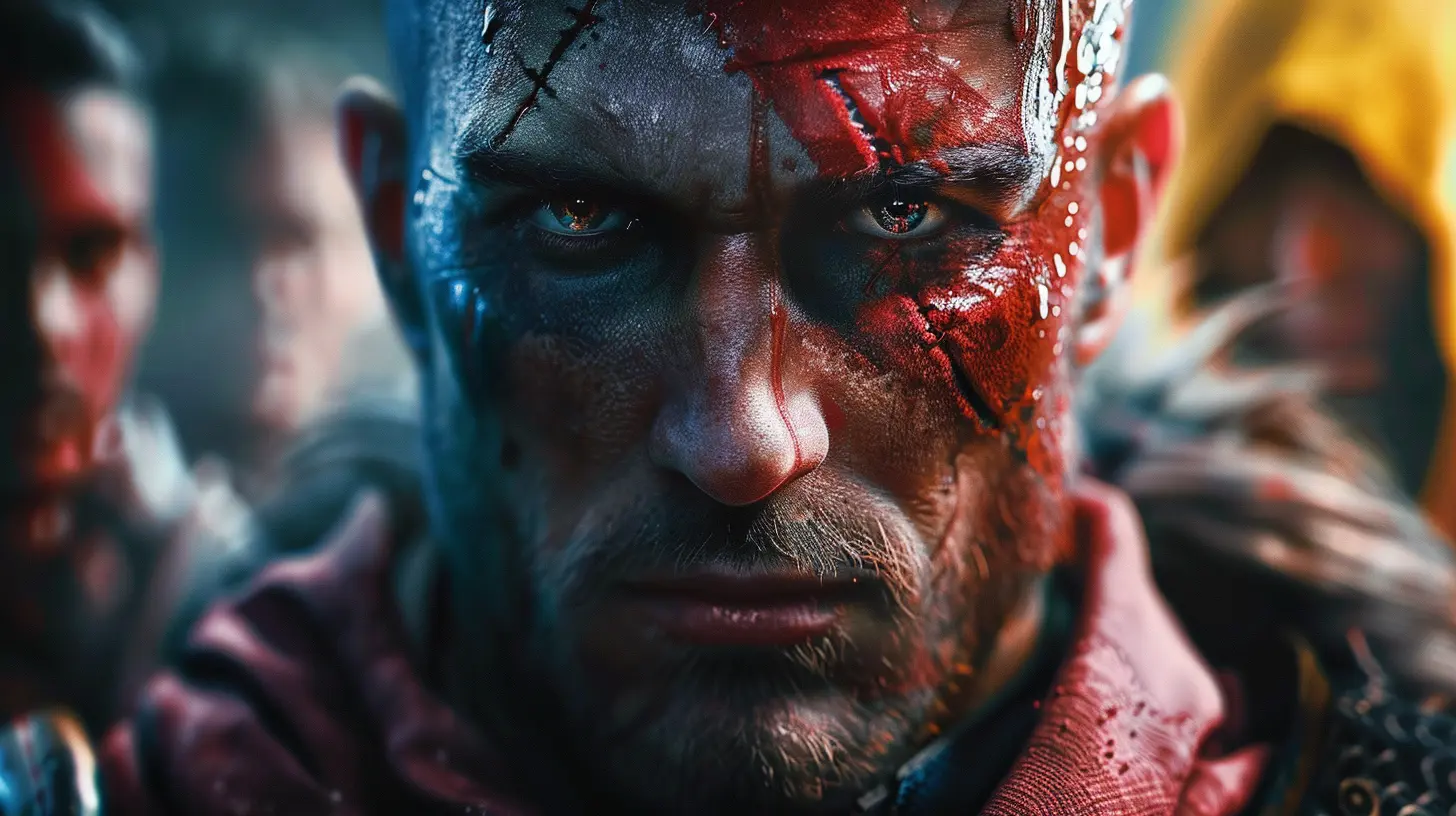
Why These Moments Matter Beyond the Game
You might be thinking, "Okay, so a character cried or sacrificed themselves. Why’s it such a big deal?"Because it's not just about them. It's about us.
These moments reflect real-life struggles—loss, love, bravery, guilt, hope. When we see characters go through things we’ve experienced, or fear, or hope for, it gives us clarity. Catharsis, even.
They remind us we’re not alone.
How Game Developers Craft Emotional Impact
Creating a genuinely emotional scene takes more than a sad plot twist. Here’s how game devs nail it:1. Strong Writing
Dialogue that sounds real, motivations that make sense, pacing that builds the moment—writing is crucial. If the characters aren’t believable, the emotion won’t land.2. Music and Sound
Ever notice how the right song can make or break a scene? Soundtrack choices in emotional game moments are masterfully timed.Think about Journey’s wordless storytelling or Ori and the Blind Forest’s orchestral heartbreak. Music amplifies emotions tenfold.
3. Player Choice
Games like Life is Strange and Mass Effect give you the power to shape outcomes. That means the consequences hit harder—because you made that call.That blend of responsibility and regret is unique to gaming.
Honorable Mentions – Because We Can’t Leave Them Out
This list could be ten times as long. But here are a few other moments that hit us straight in the feels:- Final Fantasy X – Tidus fading away and Yuna saying, "Thank you."
- Metal Gear Solid 4 – Snake’s aging and struggle during the microwave corridor.
- Ghost of Tsushima – Choosing whether to honor or kill Lord Shimura.
- Celeste – Madeline battling her inner demons (literally).
- Kingdom Hearts – Sora sacrificing himself to save Kairi.
How These Stories Shape Us as Players
You know what’s wild? These emotional moments don’t just make games better—they make us better.They teach empathy. They make us reflect. They spark conversations and foster understanding.
When we cry over Aerith, mourn with Clementine, or fight through trauma with Kratos, we’re not just witnessing stories—we’re living them. And maybe, just maybe, they help us understand our own emotions a little better too.
Final Thoughts: Emotions Are a Feature, Not a Bug
Games are so much more than pixels and buttons. They’re experiences—rich, emotional journeys with characters who become part of our lives.Those powerful moments? They stick with us. They remind us why we play.
So next time a game makes you choke up, don’t be embarrassed. Embrace it. It means the story mattered. And that’s something truly special.
all images in this post were generated using AI tools
Category:
Best Game CharactersAuthor:

Luke Baker
Discussion
rate this article
2 comments
Elara McGhee
Every great game leaves a mark on our hearts. Those emotional moments with beloved characters remind us of the strength of storytelling and our connections. Keep gaming and feeling deeply!
August 3, 2026 at 2:35 AM
Luke Baker
Absolutely! It's those heartfelt moments that make gaming unforgettable. Here's to the stories that stay with us long after we put down the controller.
Piper Barrett
Games have a unique ability to connect us to characters in profound ways. When they face challenges or experience growth, we feel it deeply. These moments remind us of our own struggles and triumphs, highlighting the power of storytelling in gaming to reflect our humanity and evoke genuine emotions.
June 7, 2026 at 4:24 AM
Luke Baker
Absolutely! Games let us live these stories alongside the characters, making their journeys resonate with our own experiences. It's a beautiful reminder of our shared humanity.