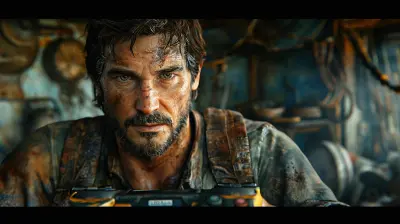
Characters That Proved Morality Isn’t Black and White
22 May 2026
Let me ask you something. Have you ever started playing a game thinking, “Yep, I know who the good guy is,” only to find yourself questioning everything by the time the credits roll?
We’ve all been there. Video games are no longer shallow coin munchers with pixelated plumbers and jumpy dinosaurs (though we still love you, Mario). These days, games dive deeper into the murky waters of morality. Not every hero wears a cape, and not every villain twirls a mustache.
Some game characters are so complex, they make you rethink your entire moral compass. One second you're rooting for them, and the next you're wondering, “Wait… are they the villain?”
Let’s dive into this glorious gray area together and meet some unforgettable characters that proved morality isn’t black and white.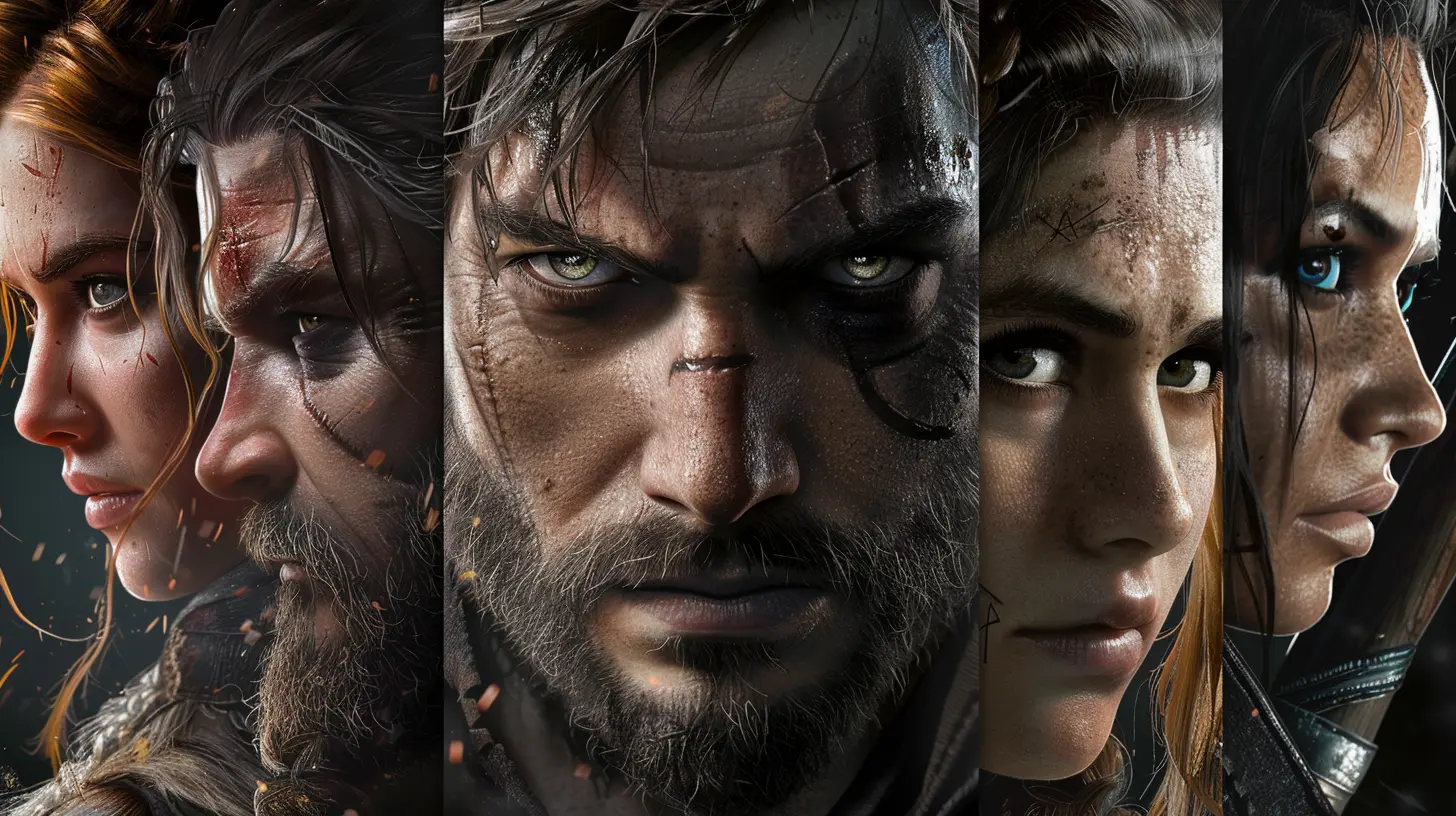
1. Joel Miller – The Last of Us
Let’s be real—Joel isn’t your average apocalypse poster boy.Sure, he’s a tough, gun-toting survivor who forms a heart-melting bond with Ellie. But remember the end of The Last of Us? Yeah, that moment. When Joel cough "rescues" Ellie from the Fireflies by, you know, killing most of them and dooming potential hope for humanity?
Selfish? Kind of. Understandable? Absolutely.
Joel doesn’t do what’s “right.” He does what’s right for him. And who among us wouldn’t protect someone we love, even if the world calls it wrong? He’s not textbook noble—he’s tragically human.
2. Arthur Morgan – Red Dead Redemption 2
Arthur Morgan is like that grumpy uncle who turns out to have a heart of gold. Kind of.At first, he’s an outlaw through and through—robbing trains, beating up debtors, and cracking jokes like he’s doing us all a favor. But as the story unfolds, we get to see a new Arthur. A conflicted, soulful man battling with who he is and who he wants to be.
Depending on your choices, he can reach redemption or go down in flames. Either way, Arthur shows us that being “bad” doesn’t mean you’re beyond hope. Sometimes the road back to the light starts in the darkest places.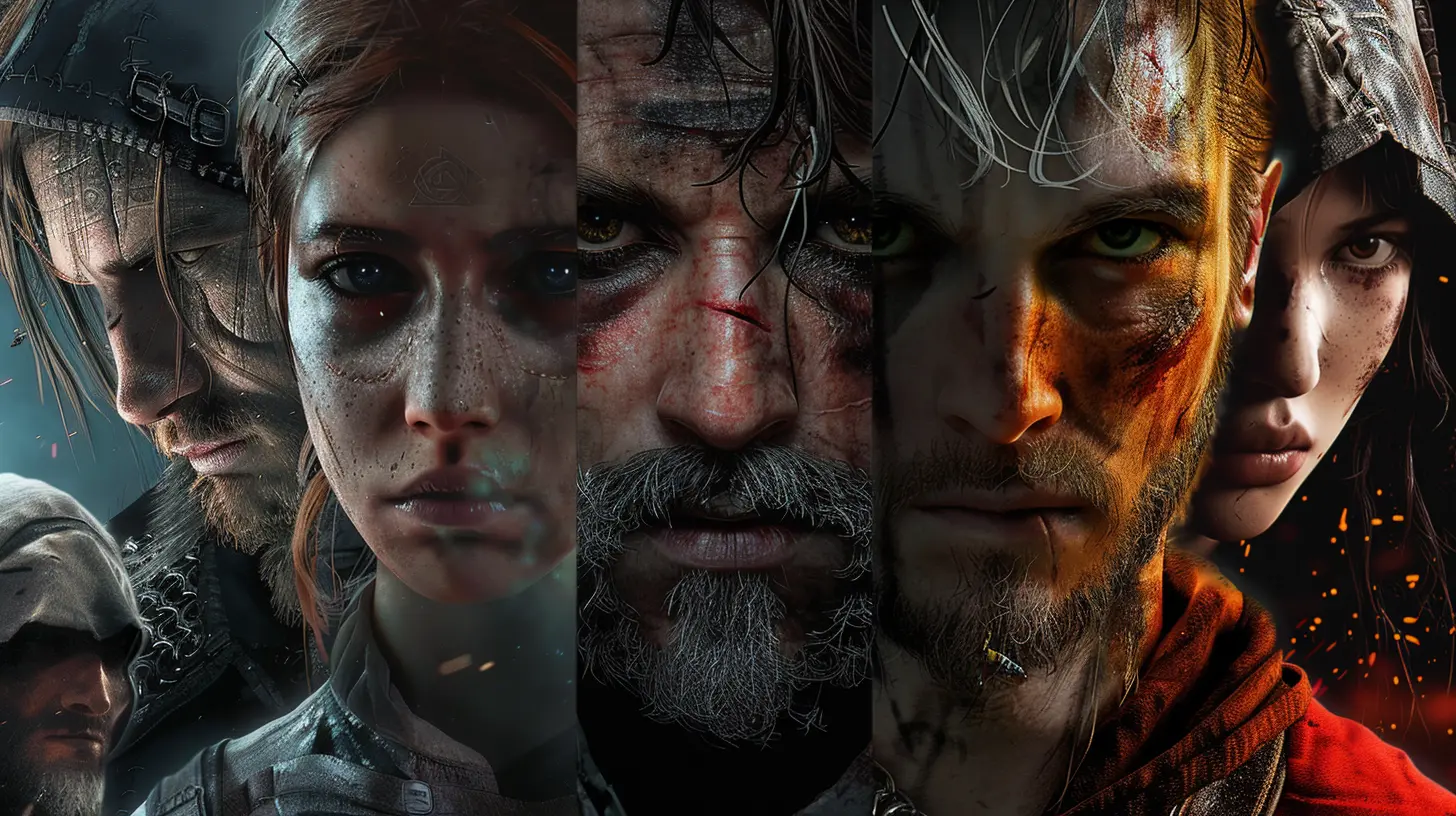
3. Kratos – God of War Series
Ah yes, the God of ~Anger~ War himself.Kratos was once the embodiment of rage—seriously, the man screamed more than the crowd at a WWE pay-per-view. He tore through gods like they were tissue paper. Definitely not winning dad-of-the-year awards back then.
But then comes the 2018 reboot. Kratos is older, beardier, and… wiser? Who knew?
Now a father trying to raise his son Atreus, Kratos struggles with his violent past. He’s desperately trying NOT to be the monster he once was. He doesn’t hide from his sins; he carries them like a 300-pound guilt backpack.
And you know what? That makes him one of the most compelling moral gray areas in gaming.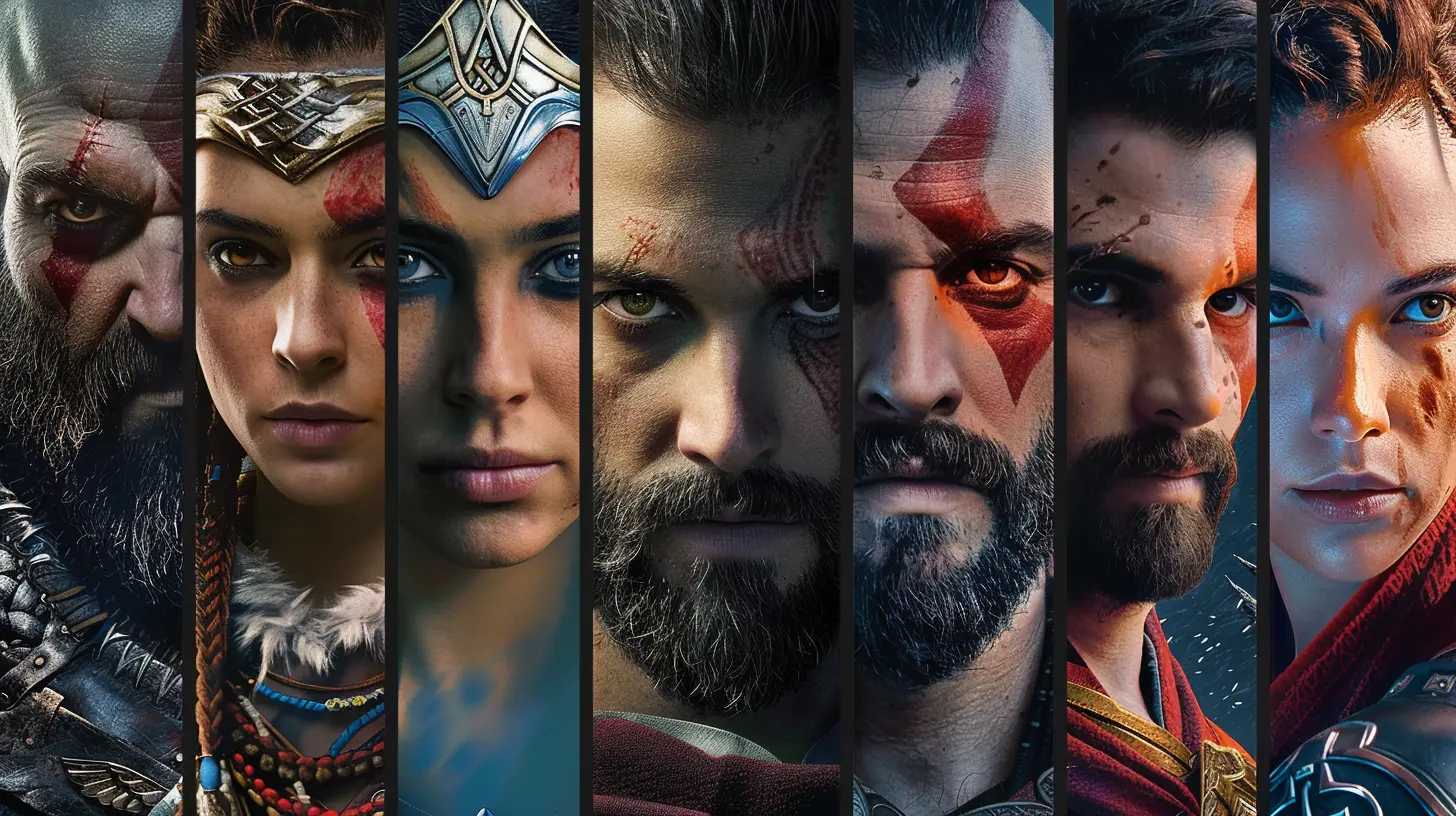
4. Big Boss – Metal Gear Solid Series
Is he a hero? A villain? A clone dad? We’re not even sure Kojima knows at this point.Big Boss starts off as a loyal soldier, a legend in the making. But war changes him—erodes his ideals, warps his morals, and ultimately turns him into something darker.
He fights for peace, but his methods are morally questionable at best and totally bonkers at worst (kidnapping people with balloons, anyone?). Yet, we sympathize because we see the road he walked and the price he paid.
He’s not evil. He’s just… complicated. Like trying to assemble IKEA furniture with missing screws.
5. Geralt of Rivia – The Witcher Series
Geralt is the king of moral ambiguity. If you had a coin for every time you faced a tough decision as him, you’d probably have enough to retire from monster hunting.From choosing which side in a war to support, to deciding the fate of a child or a mythical beast… Geralt is constantly stuck between awful and “slightly less awful.”
And the best part? The game doesn’t shove a moral scoreboard in your face. There’s no “+5 Good Boy Points” here.
Every decision has consequences, and Geralt just rolls with it like a moral tightrope walker juggling flaming swords.
6. Ellie – The Last of Us Part II
Remember that sweet, pun-loving kid from the first game? Yeah, she’s gone through... a lot.In Part II, Ellie becomes a force of vengeance. She’s brutal, unrelenting, and often straight-up dangerous. But what makes her story so gut-wrenching is that you understand why.
She’s not evil. She’s broken. Fueled by grief and pain, she walks a road paved with questionable choices. Watching Ellie deal with the consequences makes you question everything about justice, revenge, and healing.
By the end, you don’t know whether to hug her or scream “WHAT ARE YOU DOING?!” into your controller.
7. Vaas Montenegro – Far Cry 3
Okay, technically Vaas is the bad guy… but he’s also ridiculously entertaining.Sure, he’s a psychotic pirate who probably took one too many caffeine pills. But underneath the insanity lies a man who’s more than just evil for evil’s sake. He’s a product of a broken, violent world where sanity is optional.
He challenges your understanding of reality and questions whether you’re any different from him. And the scary part is? Sometimes, he makes a good point.
As he famously said: “Did I ever tell you what the definition of insanity is?”
Yes, Vaas. Yes, you did. About 47 times. And every time, it hits harder.
8. Trevor Philips – Grand Theft Auto V
Let’s not pretend Trevor is a misunderstood softie.This man is unhinged. He’s wild, unpredictable, and probably the last guy you'd let babysit your dog. But—and it’s a big “but”—he also has a strange kind of loyalty.
Trevor’s chaos is raw and unfiltered. He doesn’t hide behind morals or pretend to be something he’s not. In a weird way, he’s more honest than the game’s so-called “good guys.”
He represents the dark, primal side we all keep buried. He’s the guy who says what we’re too scared to admit… and then blows something up for fun.
9. Handsome Jack – Borderlands Series
Oh Jack. You magnificent, narcissistic, sarcastic monster.Handsome Jack is arguably one of the most charismatic villains in gaming. He makes you laugh while he’s being utterly catastrophic. He thinks he’s the hero. Seriously—he believes he’s saving Pandora from chaos.
And that’s what makes him so compelling.
He’s not just evil; he’s convinced he’s righteous. And no lie is more dangerous than the one we tell ourselves. He’s a perfect reminder that sometimes, the “villain” thinks they're wearing a hero’s cape… even when it's made of kittens and duct tape.
10. Shepard (Renegade Path) – Mass Effect Series
Commander Shepard is usually seen as the savior of the galaxy… but oh boy, the Renegade path paints a different story.Punching reporters? Intimidating people into submission? Making cold, hard calls that leave entire species on the chopping block?
Not exactly Paragon of virtue, right?
And yet—those decisions come from a place of logic, necessity, and survival. Shepard isn’t evil; they’re just practical. The ruthless kind of practical. Like Batman with fewer boundaries and more space lasers.
Sometimes, saving the galaxy means doing things you’re not proud of. And Shepard’s moral dilemma makes sure you feel every tough choice you make.
So, What’s the Takeaway Here?
If these characters have taught us anything, it’s that morality isn’t some neatly labeled box you can stuff people into.Life—and video games—are messy. People are complicated. The best characters are the ones that force us to ask, “Am I doing the right thing… or just the thing I think is right?”
Whether it’s a father saving his daughter at the cost of humanity, an outlaw searching for redemption, or a hero making dark choices for the greater good—these stories stick with us because they reflect reality.
Not clean. Not easy. Definitely not black and white.
And let’s be honest, that gray area? That’s where the magic happens.
Final Thoughts: Embrace the Gray
Next time you’re playing a game and find yourself hesitating before a decision, think of Joel, Arthur, Ellie, or Vaas. Think about what makes these characters tick. The best games don’t tell you what’s right—they make you figure it out.So go ahead, make that tough call. Save the kid. Sacrifice the army. Punch that reporter (okay maybe not that one).
Because in the world of video games, morality isn’t a straight line. It’s a twisted, bumpy, exhilarating ride—and we wouldn’t have it any other way.
all images in this post were generated using AI tools
Category:
Best Game CharactersAuthor:

Luke Baker
Discussion
rate this article
2 comments
Fallon Whitley
Morality in games often challenges our perceptions, showcasing how characters navigate complex dilemmas that reflect real-world shades of gray.
July 9, 2026 at 4:45 AM
Luke Baker
I completely agree. Games have a unique way of presenting moral ambiguity, making us reflect on our own values through the choices characters face.
Marlowe Conrad
This article really highlights the complexity of characters who navigate moral grey areas. It's fascinating how these stories challenge our perceptions and make us question what we believe to be right or wrong in gaming. Great read!
May 30, 2026 at 3:42 AM
Luke Baker
Thank you for your thoughtful feedback! I'm glad you found the complexity of these characters engaging. It's always intriguing to explore those moral grey areas.