Emotional Attachments We Form with Game Characters
4 September 2026
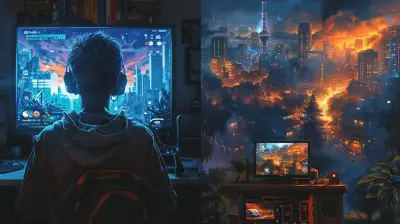
Whether you're a seasoned gamer or someone who just casually picks up a controller on weekends, you've probably had that moment — the one where you pause, sit back, and realize you actually care about a video game character. Maybe it’s shedding a tear during a heartbreaking cutscene. Or perhaps it's that overwhelming joy when your favorite character triumphs. Let’s be real — games aren't just about graphics and gameplay. They're about connection, story, and emotional resonance.
So, why do we care so deeply about fictional beings in virtual worlds?
The Human Side of Pixels
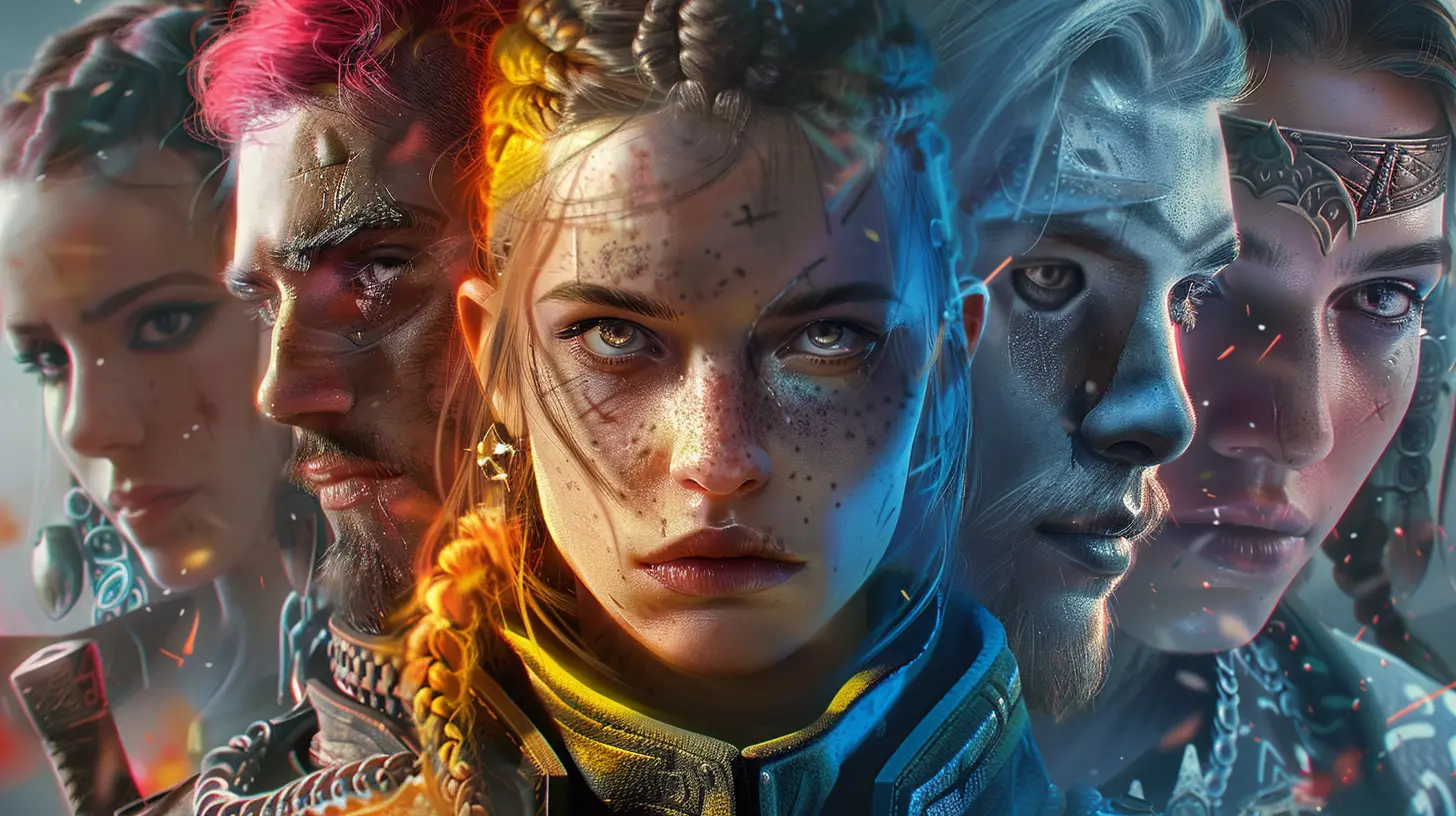
At first glance, game characters are just digital avatars moving across a screen. But developers, writers, animators, and voice actors work together to breathe life into these virtual identities. They give them backstories, personalities, flaws, goals, and relationships — everything we relate to in real life.You know what makes that connection even stronger? Interactivity. Unlike books or movies, games give us control. We decide where the character goes, what they say, and how they fight. We don’t just watch their story — we live it.
Storytelling That Hits You in the Feels
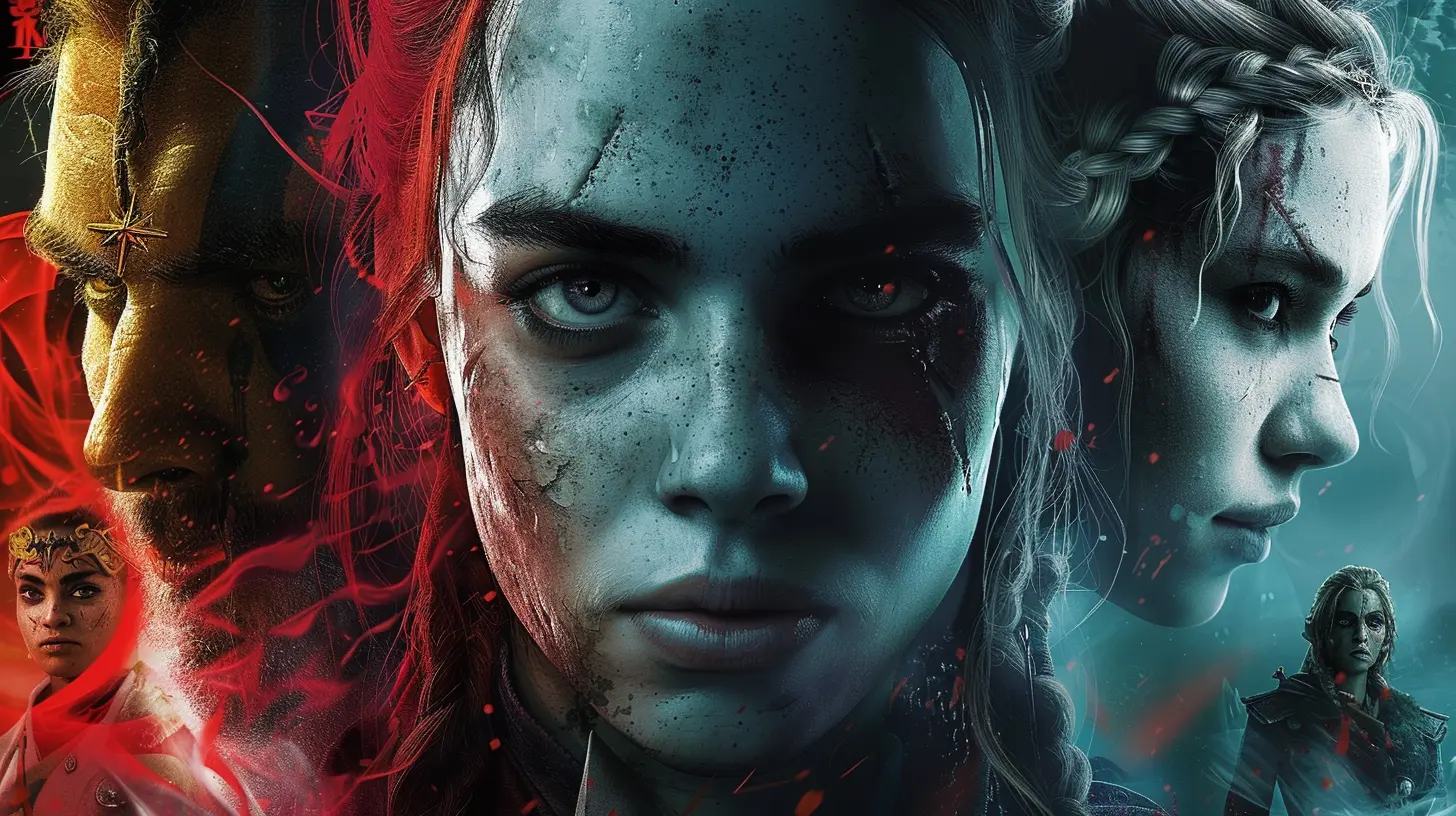
Think of some of the most iconic gaming moments — Aerith in Final Fantasy VII, Lee and Clementine in The Walking Dead, or Arthur Morgan in Red Dead Redemption 2. These characters don’t just exist in the world of gaming; they live in the hearts of players.Why? Because their stories are written with depth and emotion. They’re not just heroes or villains. They’re complicated, human (well… mostly human), and real in the sense that their experiences mirror our own struggles and triumphs.
Choice-Driven Games Amplify Emotion
Ever played a game where your decisions shape the outcome? Titles like Mass Effect, The Witcher 3, or Life is Strange take emotional investment to another level. When you’re the one making the tough calls — who lives, who dies, who to trust — the connection runs deeper. You’re no longer just playing; you’re participating in a shared emotional journey.And when things go south because of something you decided? Oh man, the guilt is real.
The Psychology of Emotional Attachment in Gaming
Now, let’s get into why our brains get so attached to digital characters. Spoiler: it’s not just because the writing is good.1. Empathy is a Powerful Tool
Humans are wired to empathize. When a game character is in pain, sad, angry, or joyful, we mirror those feelings. If we’ve been walking in their shoes (often literally, in-game), we’re more likely to care about what happens to them. It’s the same mechanism that makes us cry during movies or feel for a character in a novel — just amplified by interactivity.2. Familiarity Builds Bonds
Spending tens (or hundreds) of hours with a character has an effect. Think about it. You’ve hung out with Geralt of Rivia or Kratos longer than some of your coworkers. You’ve seen them grow, evolve, and react in different situations. That familiarity breeds attachment — much like we build friendships in real life.3. Projection and Roleplay
Often, we project ourselves onto our avatar. Especially in RPGs where you get to customize your character, choose their responses, and shape their stories. The more we see “us” in a character, the more we care about their fate.
Memorable Characters Who Stole Our Hearts
Let’s take a stroll down memory lane. Here are just a few characters who made players laugh, cry, and everything in between:Ellie – The Last of Us
Ellie’s journey is an emotional rollercoaster. From her witty banter to her raw vulnerability, players felt protective of her. Watching her grow from a scared teenager to a hardened survivor makes every moment with her stick.John Marston – Red Dead Redemption
Redemption is a powerful theme, and John’s story is soaked in it. His struggle to leave behind a life of crime, all for the sake of his family, struck a chord with everyone. That ending? Still hits like a punch to the gut.Garrus Vakarian – Mass Effect
Not just a badass space cop — Garrus is your partner, your pal, your confidante. Whether you flirted with him or kept it professional, his loyalty and dry humor made him unforgettable.Clementine – The Walking Dead
Watching Clementine grow from a scared little girl to a capable young leader is one of gaming’s most emotional experiences. Players who started with her felt like proud parents by the end.Arthur Morgan – Red Dead Redemption 2
Arthur’s character arc — from loyal outlaw to reflective man confronting his mortality — is a masterpiece in writing and performance. His change in perspective, shaped by your decisions, makes his journey even more powerful.Games as Emotional Safe Spaces
Sometimes, reality is just too much. In those moments, games become a lifeline. Emotional attachments to characters can be comforting — like reconnecting with an old friend who’s always there waiting for you.Characters give us a chance to process feelings we might not be ready to face in real life. They offer perspective, catharsis, and empathy in a world that can often lack all three.
Ever cried with a character? You’re not alone. That emotional outlet is healing.
The Role of Voice Acting and Animation
Voice acting is often the unsung hero of emotional storytelling in games. A well-delivered line can carry more weight than a thousand lines of text. When you hear a character’s voice break or feel the hesitation in their words, it hits differently.Same goes for animation — the way a character walks, slouches, or looks away can tell you everything they’re feeling. Those subtle cues are powerful emotional tools.
Why Emotional Attachments Matter in Game Design
Developers aren’t just crafting gameplay loops — they’re creating emotional experiences. More and more studios now prioritize strong narratives and character development because they understand one simple truth:Players don’t just want to play a game — they want to feel something.
When you’re emotionally invested, you remember the game long after the credits roll. You talk about it. Share it. Replay it. That’s the kind of impact that keeps the gaming industry thriving.
What This Means for the Future of Gaming
With tech evolving, storytelling in games is only getting better. AI and machine learning will soon allow characters to respond in more lifelike ways, making emotional connections even deeper.Imagine a game where your companion actually remembers your every action and dialogues like a real person. That level of connection? Mind-blowing. Emotional attachment in games is only going to get more intense — and we’re here for it.
The Bitter-Sweetness of Saying Goodbye
Of course, with deep attachment comes the pain of loss. Ever finished a game and felt hollow afterward? That’s known as “post-game depression.” It’s totally a thing. When we say goodbye to a beloved character, it’s like ending a chapter in our own lives.But hey, isn’t that the beauty of it?
The ability of a game to make you feel something is its greatest strength. It turns a simple pastime into an unforgettable experience.
Final Thoughts
We form emotional attachments to game characters because they represent more than just pixels and code. They symbolize our hopes, fears, and dreams. They make us laugh, cry, and reflect — often at the same time.In a way, they hold up a mirror to ourselves.
So, next time you find yourself teary-eyed over a cutscene or choosing a dialogue option carefully like it’s real life, just know this — you’re not alone. It’s not “just a game.” It’s a story, an experience, and yes, a relationship.
And that’s what makes gaming magical.
all images in this post were generated using AI tools
Category:
Best Game CharactersAuthor:

Luke Baker
Discussion
rate this article
1 comments
Whitney Foster
Games have a unique way of creating deep connections with characters. It's fascinating how their stories and struggles resonate with us, making their triumphs and losses feel incredibly personal. This emotional investment enriches our gaming experience in unforgettable ways.
September 23, 2026 at 2:59 PM
Luke Baker
Absolutely, the emotional bonds we form with characters can turn a game into a profound experience. Their journeys often mirror our own, making every victory and loss hit home in a special way.