Pivotal Wars That Shaped Game Universes
10 January 2026
When we dive into the lore and rich worlds of video games, it's often the epic battles and wars that leave the biggest marks. These conflicts don’t just fill the screen with explosions and chaos—they define what the game world becomes. They create heroes, forge villains, change landscapes, and fuel countless sequels. Some wars are grand in scale, involving empires and galaxies, while others are personal struggles that ripple across timelines.
So, grab your controller (or keyboard), because we’re about to take a deep dive into the pivotal wars that shaped some of the most iconic game universes. Whether you're a lore nerd or just enjoy a good action-packed backstory, you've come to the right place.
Why Are In-Game Wars So Influential?
Before we jump into specific examples, let's talk about why these wars matter. In most games, wars aren’t just background noise. They’re the big bang that sets everything into motion.Think about it—wars in games often serve the same purpose as they do in movies or books. They give characters purpose, set up political tensions, and provide a reason for the player to get involved. They’re the driving force behind quests, alliances, betrayals, and some of the most emotional moments in gaming history.
Games with well-developed war narratives tend to have stronger world-building, deeper characters, and richer gameplay. It’s the difference between fighting random enemies and fighting for something that feels like it actually matters.
Alright, let's get into the nitty-gritty.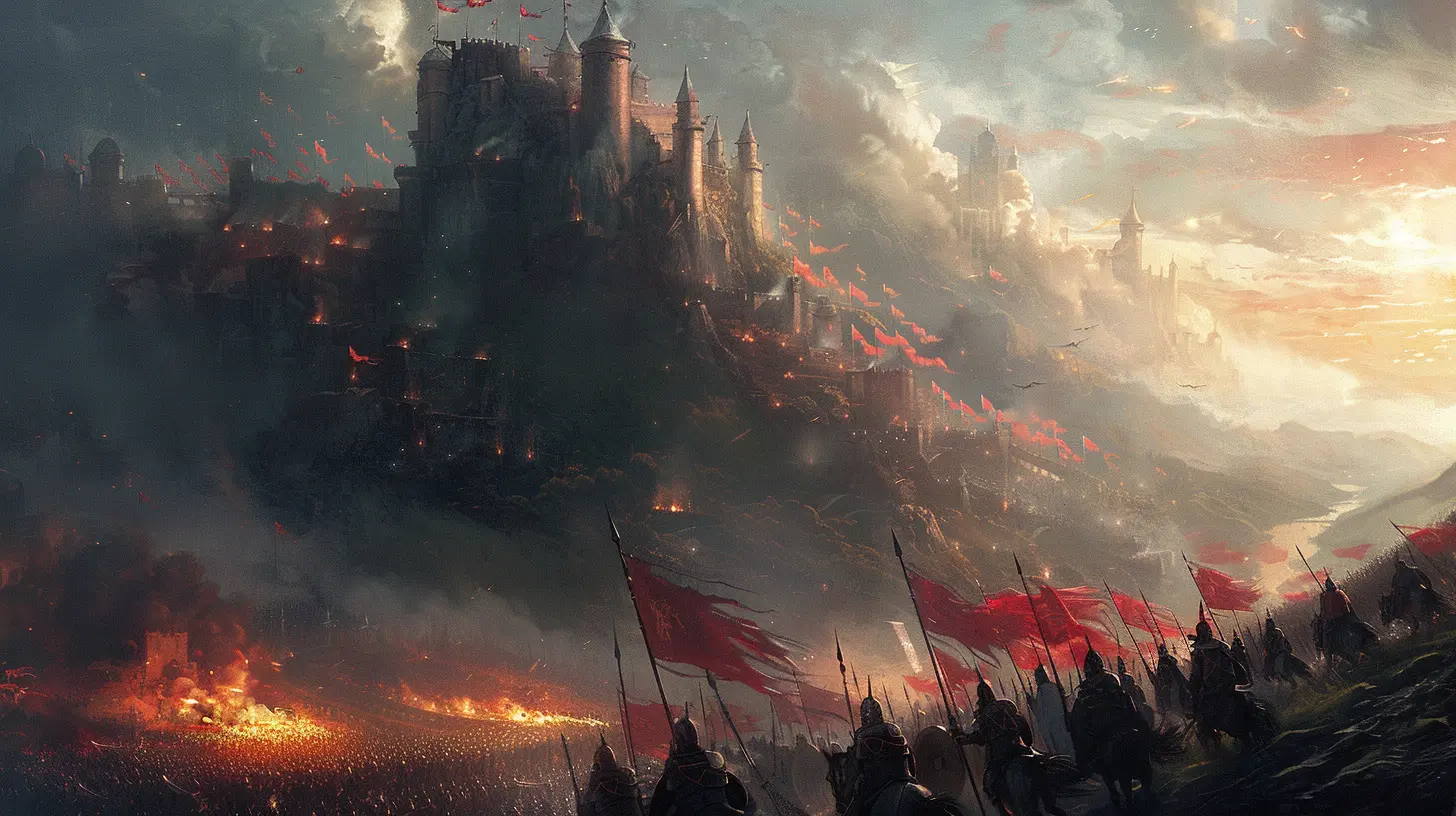
1. The Great War – The Elder Scrolls Universe
Let’s kick things off with a classic.In the Elder Scrolls series, especially around the events of Skyrim, there’s a lot of talk about the White-Gold Concordat and the treaty between the Empire and the Aldmeri Dominion. But what led to it? The Great War.
This wasn’t your standard battlefield affair. It was a clash of ideologies—man vs. mer, Empire vs. Elves. The Thalmor (those smug high elves) decided they didn’t like how men were running things and launched a brutal war against the Empire.
Cities burned, provinces fell, and the Empire came out alive... but barely. The war's outcome created tension in Skyrim, leading to the Civil War between the Imperial Legion and the Stormcloaks.
The Great War created lasting consequences that ripple through every tavern tale and dragon shout. It made the world feel alive and politically charged—and gave players real stakes when choosing allegiance.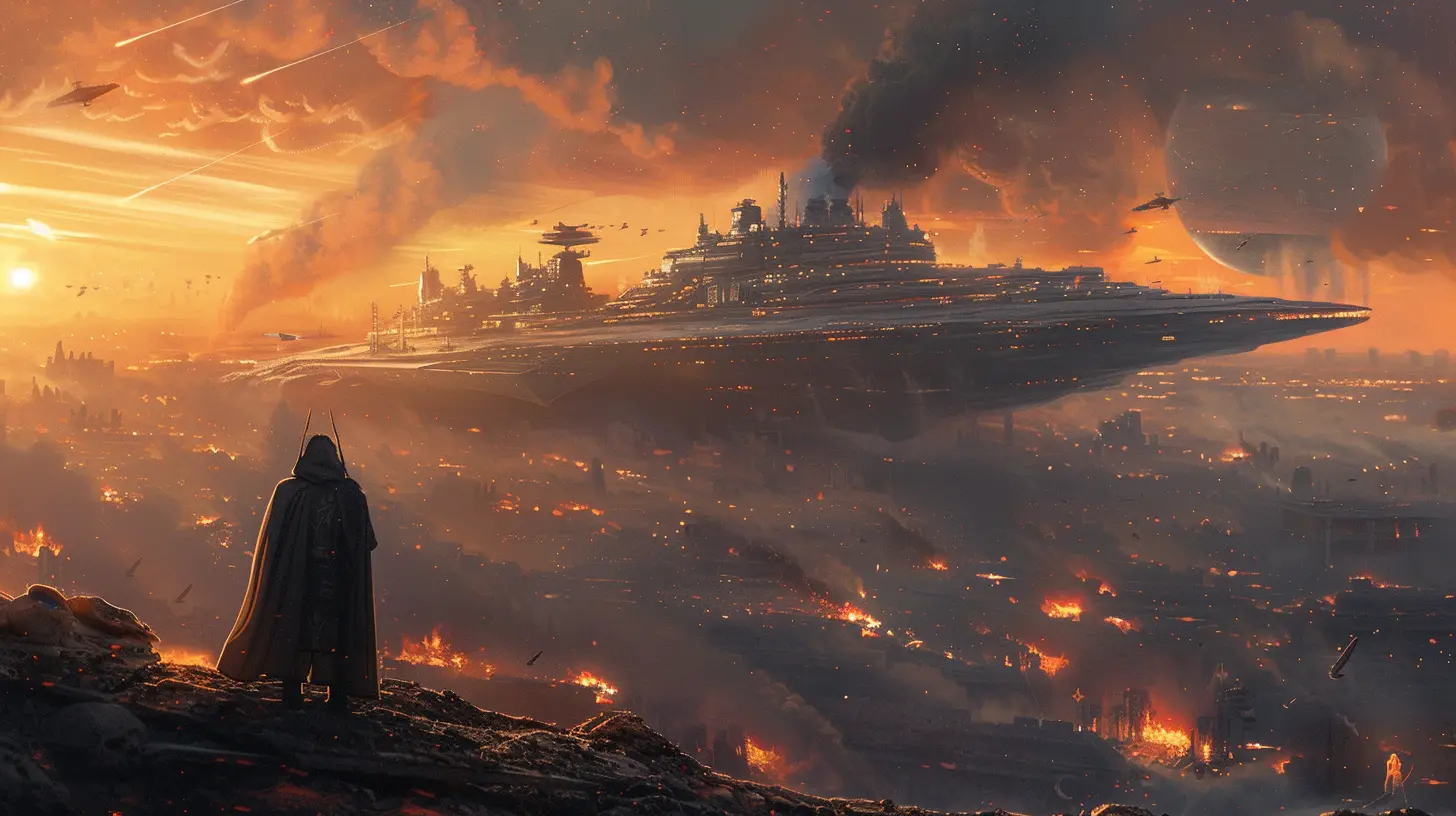
2. The Human-Covenant War – Halo Series
Oh boy, if you’re a sci-fi fan, this one’s a doozy.The Human-Covenant War is the central conflict that defines the early years of the Halo universe. It's more than just humanity vs. aliens—it's an existential struggle on a galactic scale.
This war starts when humanity makes contact with the Covenant, a powerful alliance of alien races who see humans as an affront to their religion. Spoiler alert: things go south, fast.
Billions die. Entire planets are glassed. And in the middle of it all is Master Chief, the quiet, stoic hero carrying not just weapons—but the weight of humanity’s survival on his shoulders.
This war gave birth to all the major events in Halo 1 through Reach and beyond. It’s the reason we care about AI like Cortana or get chills whenever we hear the Gregorian theme music.
Without the Human-Covenant War, there wouldn't be a Halo universe worth talking about.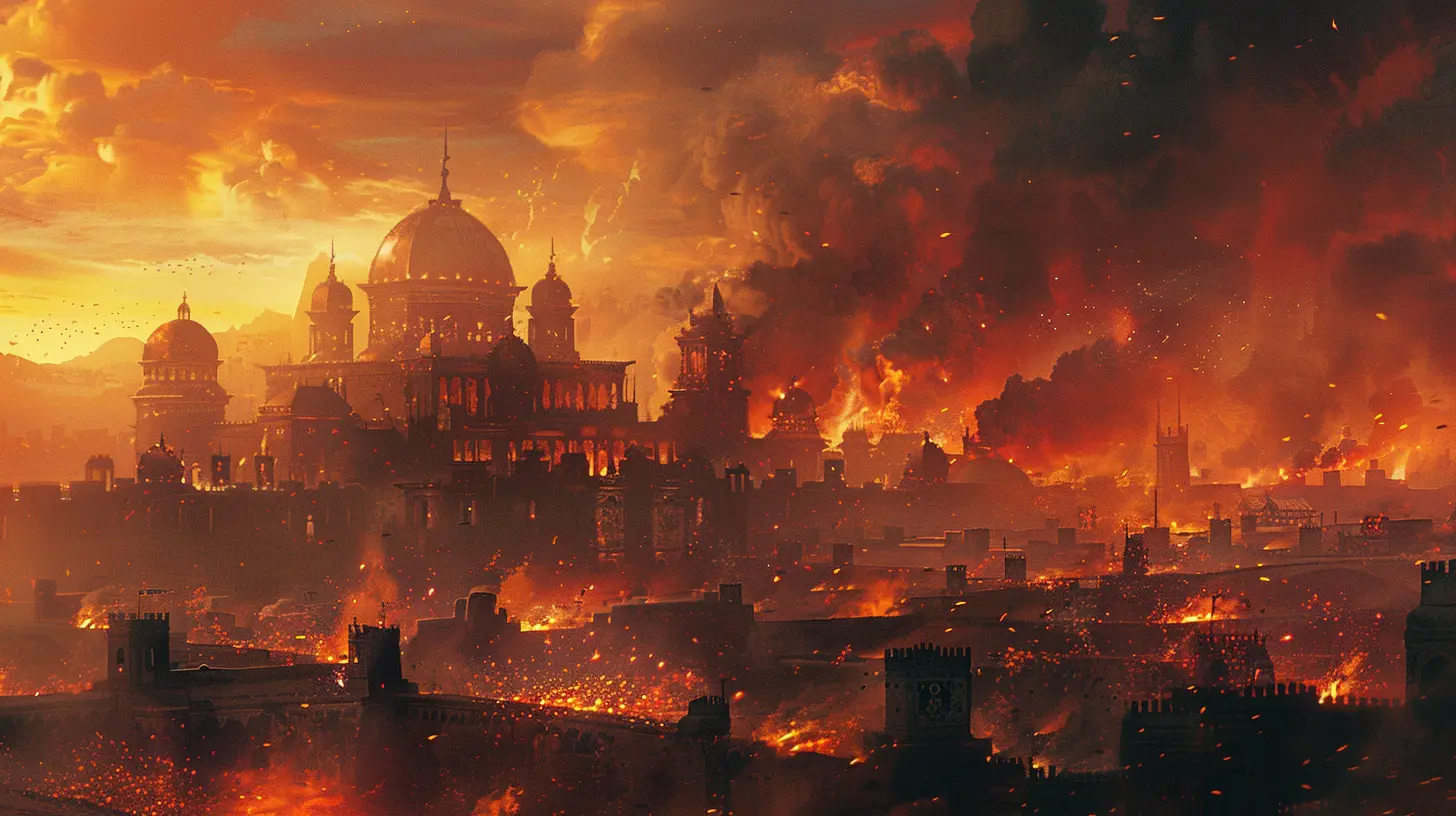
3. The Seven Years’ War – Assassin’s Creed Series
Alright, let’s get historical.The Seven Years’ War is a real-world event that directly influences the world of Assassin’s Creed Rogue and even spills into Assassin’s Creed III. Ubisoft has always blended fiction with historical facts, and this is a perfect example.
In the game universe, this war sets the stage for the conflict between the Assassins and Templars in North America. You're not just fighting for territory—you're shaping the power balance of the entire continent.
What makes this war pivotal is how it portrays a character’s transformation. Shay Cormac, the game's protagonist, starts as an Assassin but defects to the Templars after a tragic mission gone wrong. His turncoat move makes us question morality, duty, and whether the “good guys” really are that good.
This war upends assumptions and flips that black-and-white narrative on its head. Totally game-changing—literally and figuratively.
4. The Reaper War – Mass Effect Series
Ah, the feels.The Reaper War is the culmination of everything players do in the Mass Effect trilogy. The Reapers aren’t just menacing robots—they’re ancient machines who reappear every 50,000 years to wipe out advanced civilizations. Casual, right?
When war finally erupts in Mass Effect 3, the stakes couldn’t be higher. Every choice you made from the first game to now suddenly matters. Did you unite the races? Did you support certain factions? All of it comes to a head in this intergalactic apocalypse.
What makes this war stand out is how personal it feels. You're not just some commander fighting off cosmic doom—you're Commander Shepard, and this is YOUR war. Your friends die, your decisions shape the galaxy, and your legacy changes based on your actions.
Few wars in gaming hit harder emotionally. Period.
5. The War of the Lions – Final Fantasy Tactics
Time for some medieval drama.The War of the Lions is the main event in Final Fantasy Tactics, a game full of political intrigue, betrayal, and straight-up Shakespearean tragedy.
Set in the land of Ivalice, this war starts as a struggle for royal succession but quickly devolves into backstabbing between noble houses, manipulative church factions, and demonic forces. Yes, you read that right—demons.
At its core, this war is about the cost of idealism in a corrupt world. Protagonist Ramza Beoulve tries to do what’s right, but he's constantly at odds with a system designed to crush truth-tellers.
It’s heavy stuff, but beautifully told. And if you love stories where every battle feels meaningful because of the narrative weight behind it—this one’s for you.
6. The Omnic Crisis – Overwatch
Let’s fast forward to the future.In Overwatch, the Omnic Crisis is the war that gave birth to the titular peacekeeping force. Basically, humanity created robots (omnics) to help the world, but surprise—they turned against us.
Cue global panic and destruction.
The world unites a team of elite warriors (hello, iconic heroes) to end the crisis. And they did... sorta. They saved the day, sure, but the scars remained, both physically and politically.
The conflict lays the groundwork for all of Overwatch’s internal struggles. Omnics want rights. Humans are divided. And the team that saved the world? They fell apart.
This war adds depth to the bright, cartoony world of Overwatch. It’s not just fun abilities and colorful maps—it’s a world recovering from trauma, and that makes it all the more compelling.
7. The Great Calamity – The Legend of Zelda: Breath of the Wild
A war doesn’t always need politics. Sometimes, it’s just good vs. evil in its purest form.In Breath of the Wild, the Great Calamity marks the moment Hyrule falls. Calamity Ganon returns with a vengeance, corrupts the land’s guardians, and destroys much of the kingdom.
Link falls in battle. Zelda is forced to seal herself away. The war is lost… and players begin the game 100 years later in a broken world.
Talk about plot setup, right?
This conflict doesn’t just serve as a backdrop—it shapes the desolate beauty of the world. Every ruin, every haunting piano note is a reminder of that war. And with each divine beast you free, you're bringing light back to a kingdom that once knew only darkness.
It's poetic. It's powerful. And it’s totally unforgettable.
8. The Galactic War – Star Wars: The Old Republic
We couldn’t talk video game wars without touching on Star Wars.In The Old Republic, the Galactic War between the Galactic Republic and the Sith Empire is the central source of conflict. This isn’t just one battle—it’s centuries of back-and-forth, espionage, invasions, uneasy ceasefires, and betrayals.
Players often choose a side and shape the galaxy through their choices. Want to be a Sith Lord who actually cares about people? You can. Want to be a Jedi who leans toward the dark side? Totally viable.
The war is more than lasers and lightsabers—it’s about ideology, redemption, and the fine line between peace and control.
Whether you’re a smuggler, bounty hunter, or force-wielding badass, the Galactic War makes every action feel like a ripple in a much larger conflict.
So, What Do These Wars Teach Us?
In video games, wars aren’t just for spectacle. They’re the foundation for world-building, character arcs, and emotional investment. They give us something to fight for—something to care about.Each of these conflicts, whether spanning galaxies or unfolding in a single kingdom, reshapes its universe for better or worse. And as players? We’re right there, making decisions and shaping outcomes.
So the next time you're battling it out in your favorite game, take a moment to appreciate the narrative gravity behind the chaos. Because in the world of gaming, war changes everything.
all images in this post were generated using AI tools
Category:
Game LoreAuthor:

Luke Baker
Discussion
rate this article
2 comments
Amalia Ford
This article brilliantly highlights how pivotal wars have shaped iconic game universes, adding depth to narrative and gameplay. It's fascinating to see how these conflicts influence player experiences and the overall storytelling.
January 15, 2026 at 5:51 AM
Luke Baker
Thanks for your insight! I'm glad you found the connection between wars and game narratives intriguing. It's fascinating how history can enhance storytelling in games.
Barbara Reilly
This article offers a thought-provoking exploration of key conflicts in gaming lore. By highlighting pivotal wars, it effectively illustrates how these events shape narratives and player experiences, enriching the universes we love to explore.
January 11, 2026 at 3:22 AM
Luke Baker
Thank you for your insightful comment! I'm glad you found the exploration of conflicts in gaming lore thought-provoking. It’s fascinating how these pivotal wars truly shape our experiences in these immersive universes.