The Influence of Language and Slang in Online Gaming
27 March 2026
Online gaming has always been more than just pixels on a screen or chasing high scores—it’s a culture, a community, and let’s be honest, its own little universe. One of the coolest (and sometimes most confusing) parts of this universe? The language.
Yep, we’re talking about the wild world of gaming slang and how it shapes the way players connect, compete, and communicate. Whether you’ve been fragging noobs since the early 2000s or just picked up your first controller, chances are you’ve run into some pretty colorful lingo.
But seriously, why does language matter so much in gaming? And how has slang become such a powerful influence in online communities? Grab your headset—we're diving deep into this digital dialect.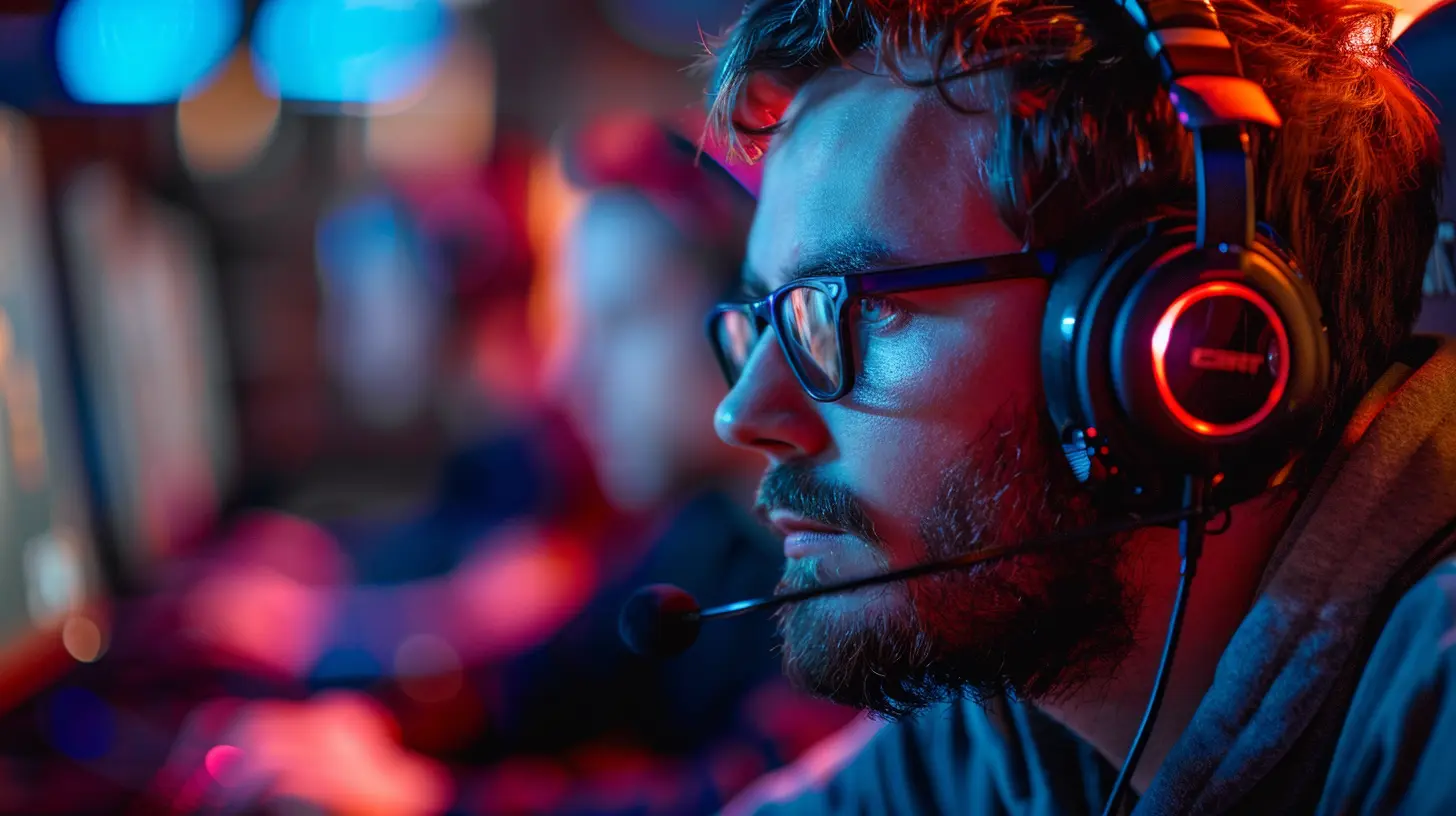
Welcome to the World of Gamer Talk
Okay, so picture this: You're jumping into a match of Call of Duty or League of Legends, and someone drops a sentence like, “That champ was OP. Got ganked hard in the jungle, lost lane. GG.” Huh?To outsiders, that might as well be a foreign language. But to gamers? That’s just Tuesday.
Online gaming has birthed its own dictionary. Over time, players from all over the globe have created and shared words, catchphrases, and abbreviations that give games their own flavor. It’s fast-paced, creative, and constantly evolving—kind of like the games themselves.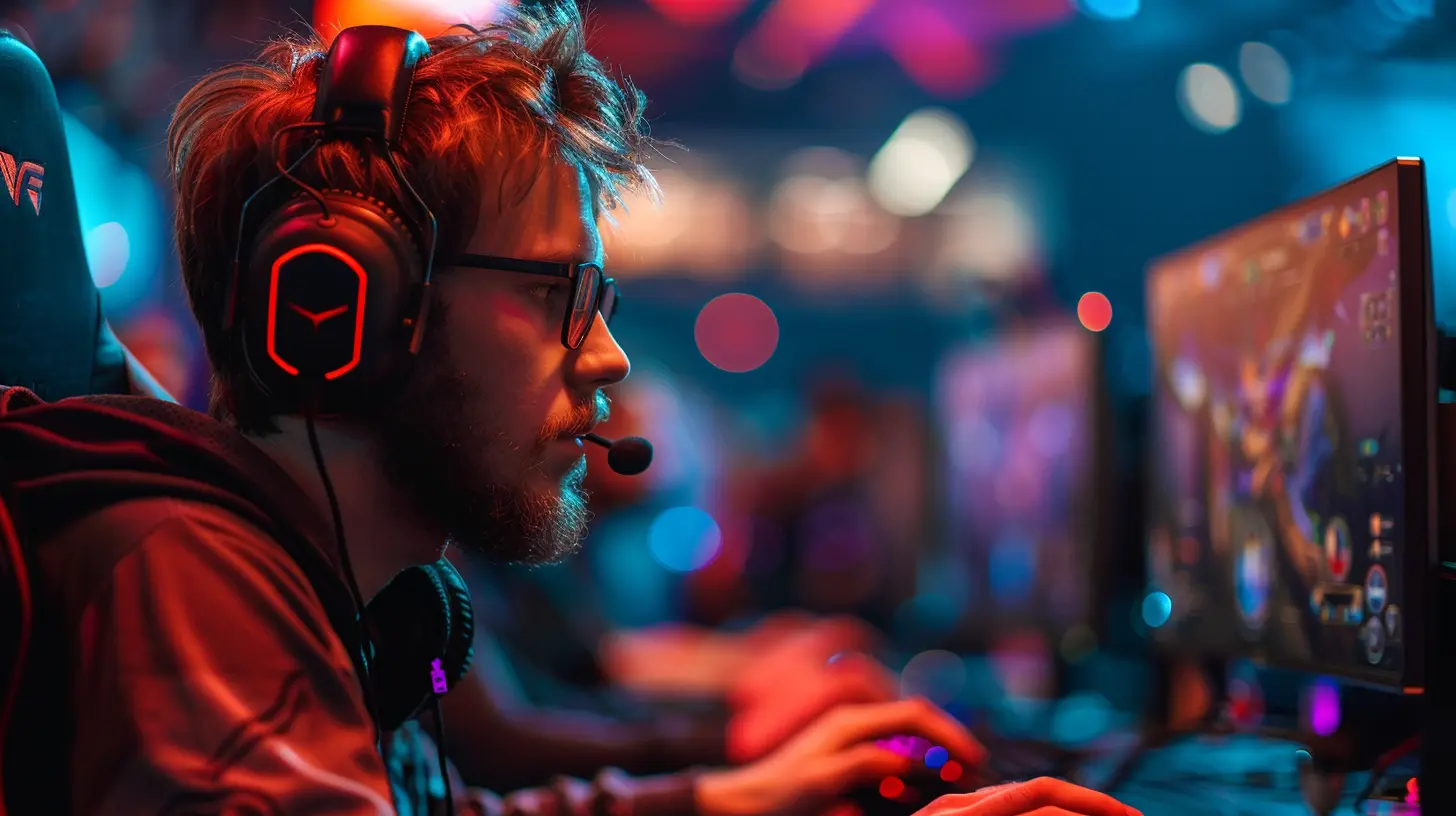
A Global Language That Transcends Borders
One of the most fascinating things about gaming slang is how it breaks down language barriers. Think about it—gamers in Brazil, Korea, the US, and Germany might all use the same terms like “GG,” “AFK,” or “buff” even if their native languages are totally different.This shared language builds bridges. It’s like Esperanto, but for headshots and loot drops. No matter where you're from, chances are you'll know what “noob” or “camping” means after a few hours in the battlefield.
It’s a unifier, a badge of community, and honestly, a bit of a rite of passage.
How Slang Shapes Player Identity and Culture
Language isn’t just about communication—it’s about identity. The slang gamers use isn't random; it helps define their role in the game and in the gaming community.For example:
- “Main” tells people your go-to character or class.
- “Tryhard” is someone who’s maybe taking the game a bit too seriously.
- “Clutch” means pulling off a win when all hope seemed lost.
By using and understanding these terms, players show that they’re in the know. It's like wearing the jersey of your favorite team; it tells people who you are and what you're about.
Slang is also a powerful tool for bonding. Players who speak the same “language” tend to form groups, guilds, and squads. It becomes a sign of belonging—an unspoken “Hey, you get it.”
Real-Time Communication That Keeps Things Moving
Online games move fast—really fast. You don’t have time to write out, “I need help over here, I'm being attacked!” in the middle of a firefight.Enter: gaming shorthand.
Terms like “OMG,” “BRB,” “AFK,” “GLHF,” and the ever-handy “LOL” were practically made for speed. And when you're mid-game, these quick phrases aren’t just convenient—they’re essential.
Imagine playing Overwatch and trying to type a full sentence while dodging bullets. Not happening.
These bite-sized expressions keep communication clear and efficient. They also add a little flavor to the game—turning basic actions into something a lot more fun (and sometimes hilarious).
The Evolution of Slang: From Forums to TikTok
Gaming slang isn’t static. What was cool twenty years ago might sound ancient today. Remember when “pwned” was all the rage? These days, you’re more likely to hear someone say they got “rekt.”A lot of this evolution comes from where gamers hang out. Forums like Reddit, chat apps like Discord, and especially platforms like TikTok and Twitch have a huge influence on which terms catch on and which fade into oblivion.
Funny memes, viral clips, and streamer catchphrases often translate straight into in-game banter.
Slang is alive and constantly morphing—just like the games we play.
The Role of Memes and Humor in Gamer Language
Let’s be real—gamers are a funny bunch. Sarcasm, irony, and dark humor are kind of baked into the culture. And that definitely spills over into the language.Memes play a massive role in shaping gaming slang. They take a simple phrase and give it layers of meaning. Take “press F to pay respects.” Originally from a scene in Call of Duty: Advanced Warfare, it quickly became a meme and is now a way to sarcastically acknowledge something sad or awkward in any situation.
These inside jokes and shared references give the community its distinctive voice. It’s part communication, part comedy, and 100% internet culture.
Language for Good: Encouragement and Team Spirit
It’s not all trash-talk and sarcastic jabs. One of the best parts of gaming slang is the positive energy it can bring.Phrases like:
- “GG” (Good Game)
- “GLHF” (Good Luck, Have Fun)
- “Well played!”
- “Nice clutch!”
They build sportsmanship and team spirit. In competitive games where tensions can run high, a quick “GG” can go a long way in keeping things respectful.
Gaming slang doesn't just reflect the culture—it helps shape it. The more encouraging and upbeat the language, the healthier the community becomes.
Toxic Slang: When Words Cross the Line
Now, let's talk real—while a lot of gaming slang is lighthearted or strategic, not all of it is sunshine and rainbows.Sometimes slang can turn toxic. There are terms used to belittle others, promote negativity, or even stir up hate. And that’s where things get dicey.
Language has power. Using offensive or derogatory slang, even in jest, can create an environment that feels unwelcoming or straight-up hostile.
Thankfully, many gaming communities and platforms are stepping up—creating guidelines, moderation tools, and chat filters to create safer spaces. It all starts with awareness and accountability.
And hey, it’s entirely possible to be competitive without being cruel.
Slang as a Gateway to Deeper Relationships
You know what’s cool? That a single phrase like “Nice ult!” can spark a whole conversation. Slang builds connection. It opens the door for players to chat, joke, strategize, and even become friends.Shared language leads to shared experiences. And in a lot of cases, lifelong friendships—or even relationships—start in game lobbies and Discord servers.
In a world where so many of us are connecting remotely, gaming slang gives us that common ground. It’s the digital small talk that can turn strangers into teammates and teammates into family.
Developers and Language: How Studios Embrace the Slang
Here’s a fun twist—game developers are watching, and they’re in on the joke. Many studios actually embrace gaming slang when naming items, designing characters, or writing dialogue.Games like Borderlands and Fortnite love to toss in meme-worthy lines and self-aware jokes. Even UI and tutorial content is starting to sound more like actual players than dry instruction manuals.
Studios know that gaming slang isn’t fringe—it’s the heart of the community. And by joining in, they make the game feel even more personal and inclusive.
Can Gaming Language Influence Everyday Speech?
Absolutely. You’ve probably said “GG” after a work meeting or called someone a “boss” without even realizing you picked it up from a game. Gaming terminology has a way of sneaking into everyday life.It shows up in pop culture, in movies, in music—and even in how we talk to our parents. (“Mom, I’m not being lazy, I’m just AFK!”)
Gaming is mainstream now, and so is its language.
Final Thoughts: More Than Just Words
At the end of the day, the language and slang used in online gaming are far more than tools for chatting—they’re a living, breathing part of gamer culture. It’s how players express themselves, build connections, learn, grow, and even laugh through rage-quits and epic wins.Gaming slang brings color to conversations, speed to competitive matches, and soul to the digital worlds we escape into.
So next time you hear someone say “Poggers,” “Let’s frag out,” or even just a humble “GG,” remember—they’re not just words. They’re the voice of an entire generation of players.
Game on.
all images in this post were generated using AI tools
Category:
Gaming CommunitiesAuthor:

Luke Baker
Discussion
rate this article
2 comments
Patience Webster
Language shapes community; slang fosters connection and individual expression.
April 2, 2026 at 4:55 AM
Thalia Fuller
Language and slang shape online gaming communities, fostering identity and connection, while also creating barriers for newcomers seeking inclusion.
March 29, 2026 at 3:08 PM
Luke Baker
Thank you for your insightful comment! You highlight a crucial aspect of online gaming culture—the dual role of language in building community while potentially alienating newcomers. It's a fascinating dynamic that shapes both identity and inclusivity in these spaces.