Characters That Made Us Rethink Good vs Evil
17 May 2026
Let’s be real—the line between good and evil in video games used to be crystal clear. Heroes with shining armor, villains with maniacal laughs. We rooted for the good guy and booed the bad guy. Easy, right? But somewhere along the way, game devs started messing with that notion. They threw us characters so morally complex, we didn't know whether to hug them or fear them.
These aren't just villains with sad backstories or heroes with an attitude problem. These are characters that blur the lines, challenge our beliefs, and sometimes flip the whole “good vs. evil” script upside down. So grab your controller (or mouse), because we’re diving into the grey area today.
Why Video Game Morality Isn't Black and White Anymore
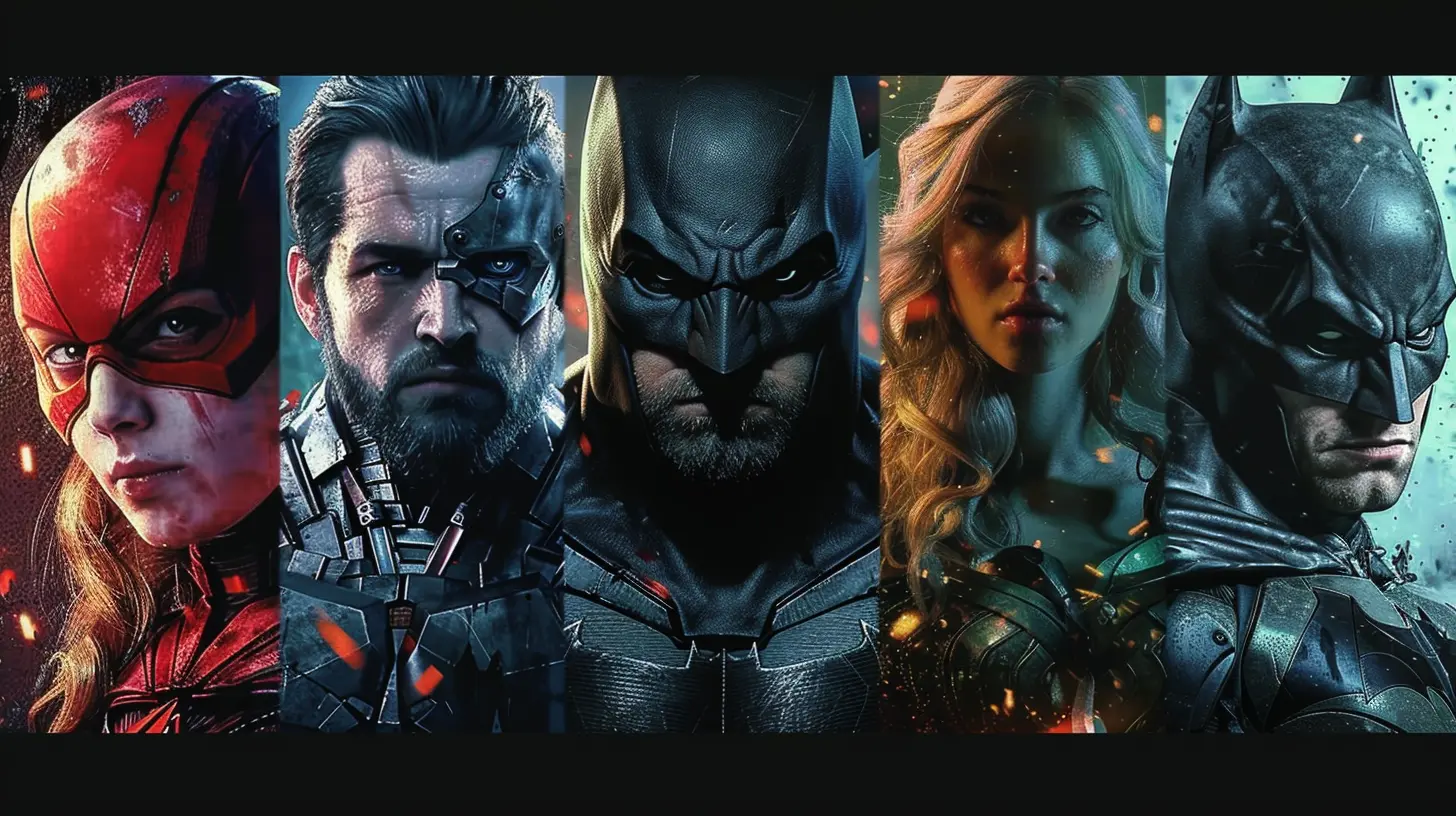
Before we name-drop any characters, why has this shift even happened?Back in the day, game plots were straightforward: save the princess, defeat the evil warlord, collect your XP. But as storytelling evolved, so did characters. We're now seeing games with branching narratives, moral consequences, and emotionally complex decisions. And with that, we're getting characters who fall into that delicious grey zone—too flawed to be saints, too human to be true villains.
Games reflect real-life struggles, and in real life, people aren’t all good or all bad. That’s what makes them relatable. These characters force us to ask the uncomfortable questions: What if the villain has a point? What if the hero is selfish? What if…we’re wrong?
1. Joel Miller – The Last of Us Series
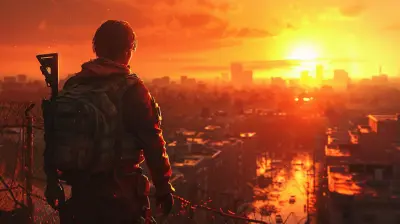
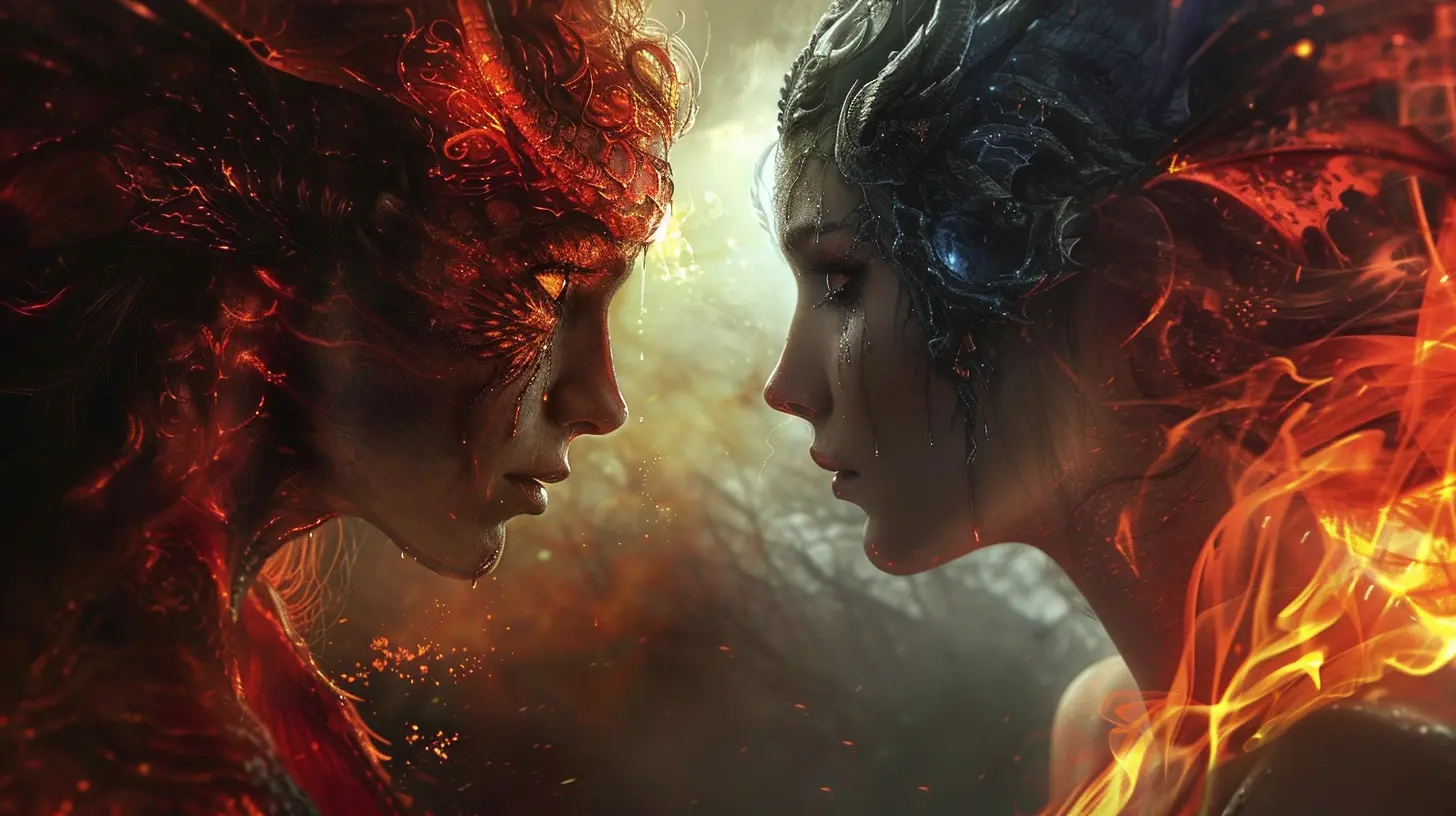
Let’s start with the man who shattered many of our moral compasses—Joel from The Last of Us.At first glance, Joel is your typical rugged survivor, doing what it takes to protect himself in a post-apocalyptic world. But by the end of the first game? Whew. You're left asking yourself: did he do the right thing?
Joel saves Ellie from certain death, yes. But in doing so, he dooms humanity by preventing a potential cure. He chooses love over the greater good. Selfish? Absolutely. Understandable? Totally. That’s the beauty of it.
He’s not a hero. He’s not a villain. He’s just a man doing what he thinks is right—and we, the players, are forced to live with that decision.
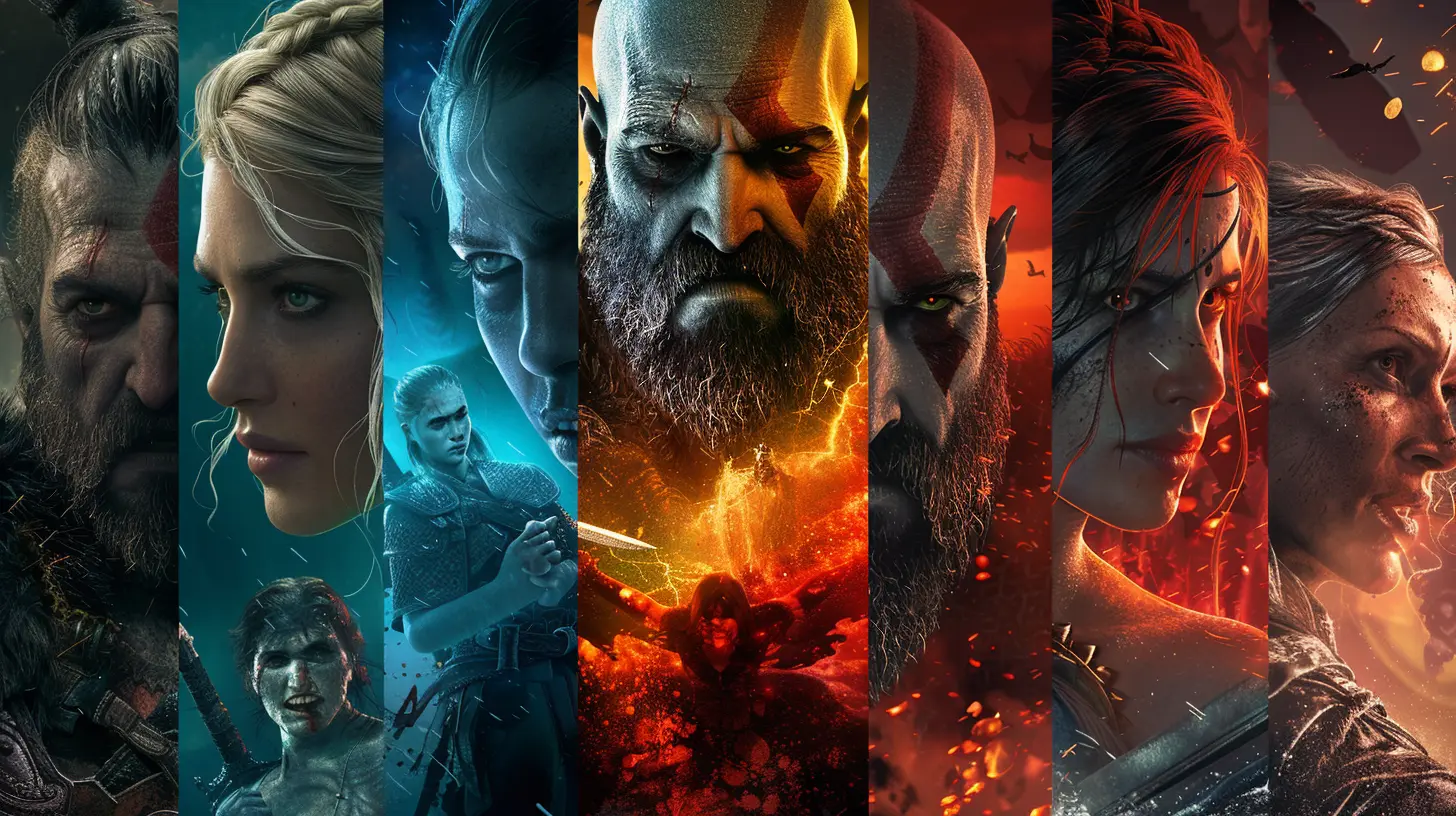
2. Arthas Menethil – Warcraft III & World of Warcraft
If there’s ever a tragic hero-turned-villain story that stays with you, it’s Arthas.He starts off as a noble prince, hell-bent on saving his people from the undead Scourge. But his descent is slow and painful. He sacrifices his morality bit by bit in the name of righteousness, until he takes up the cursed Frostmourne blade and becomes the very evil he sought to destroy—the Lich King.
It’s gut-wrenching. You want to scream, “Stop!” but you also understand why he does what he does. Arthas isn’t some power-hungry tyrant. He’s a broken soul who made wrong choices for what he thought were the right reasons. Classic tragedy.
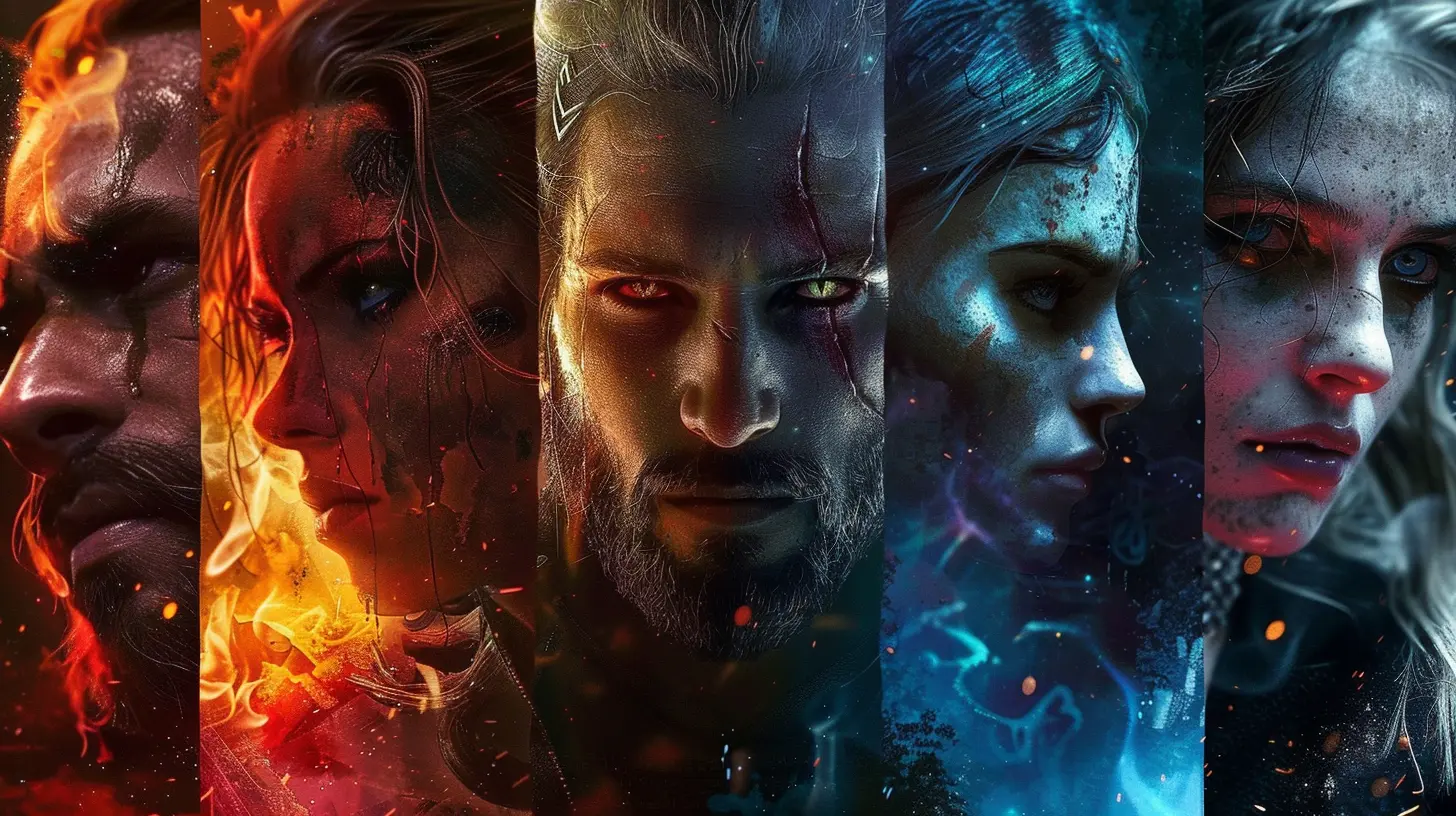
3. Kratos – God of War Series
Ah, Kratos. Rage incarnate. In the early God of War games, Kratos was basically a walking death machine—taking down gods like it was just another Tuesday.At first, he was painted clearly: angry, vengeful, and borderline monstrous. But then God of War (2018) happened, and everything changed.
We see a softer, more reflective Kratos—one trying to be a decent father and leave his past behind. He’s haunted by the things he’s done, questioning his own morality. Is he still the god-slaying beast we knew? Yes. But now, he’s also a father, a mentor, and a man searching for peace.
He went from a one-dimensional anti-hero to a layered, nuanced character that made us reconsider everything we thought we knew about justice and redemption.
4. Vaas Montenegro – Far Cry 3
Vaas is not your average bad guy. He’s chaotic, unstable, terrifying—and weirdly captivating.There’s a moment in Far Cry 3 where Vaas monologues to the player, asking, “Did I ever tell you what the definition of insanity is?” And just like that, we’re hooked.
Vaas isn’t evil just for evil’s sake. He’s a product of trauma, manipulation, and madness. He represents how easily the line between sanity and insanity, justice and cruelty, can blur. He makes you wonder—if pushed far enough, could we become him?
That’s what makes Vaas so unforgettable. He’s not just a villain. He’s a mirror held up to our own dark instincts.
5. Big Boss / Naked Snake – Metal Gear Series
If there's any character who embodies moral ambiguity, it's Big Boss from Metal Gear.He starts off as a patriot, a soldier with a mission. But as the series progresses, we see him shift into someone willing to do anything—betray, kill, even clone himself—for what he believes is a greater cause.
Big Boss’s journey is painful to watch. He believes he's creating a better world for soldiers, but the things he does to get there are… let’s just say “questionable” doesn't even begin to cover it.
Is he a hero betrayed by his country? Or a villain hiding behind noble ideals? The answer changes depending on which game you're playing—and that moral fluidity is exactly what makes his story so impactful.
6. Dutch van der Linde – Red Dead Redemption Series
Charismatic. Visionary. Dangerous.Dutch van der Linde starts off like a revolutionary thinker in Red Dead Redemption 2. He talks about freedom, about living outside the confines of corrupt governments and capitalist greed. And, for a while, you buy into it.
But slowly, Dutch unravels. His ideology becomes obsession. He lies, manipulates, and leads good men to their deaths. Yet, even as you watch him spiral, you can’t help but feel he might have once had a point.
Dutch isn’t evil in the traditional sense. He’s broken, idealistic, scared of losing control. And that makes him way more terrifying than any mustache-twirling villain.
7. Sephiroth – Final Fantasy VII
You knew this one was coming. Sephiroth is the poster child of compelling villains.He starts as a war hero, respected, honored—and then boom, revelation strikes. He learns about his origins, about the experiments, and he snaps. He goes from a role model to wanting to become a god and destroy the planet.
Is he evil? Definitely. But is he also a victim of science, secrecy, and betrayal? Yes.
Sephiroth forces us to think about the consequences of playing god in a metaphorical and literal sense. His transformation isn't just about power; it's about betrayal, identity, and what happens when someone loses their sense of self.
8. The Illusive Man – Mass Effect Series
Here’s a guy who believes humanity should be on top and is willing to do anything to make it happen.The Illusive Man in Mass Effect isn’t some creepy mad scientist. He’s smart, composed, and often… kind of right? His methods are extreme, sure, but his logic sometimes makes sense. And that’s terrifying.
He represents that cold, utilitarian approach to morality—sacrificing the few for the many. The worst part? Sometimes you agree with him. And that’s when you start questioning your own moral compass.
9. Handsome Jack – Borderlands Series
Handsome Jack is evil, no doubt—he murders, lies, and exploits everyone. But here’s the kicker: he thinks he’s the hero.He genuinely believes that he’s bringing order to the chaotic world of Pandora. That the Vault Hunters (you) are the real villains, and he’s just trying to make things better.
That delusion is compelling. Scary, even. Especially because Jack is so charismatic, funny, and relatable at times. He’s the kind of character who makes you laugh one second and question your choices the next.
10. Kerrigan – StarCraft Series
Kerrigan’s arc is one for the ages. She starts off as a human, a ghost sniper with a heart. Then she becomes the Queen of Blades—ruler of the Zerg, a force of destruction.But just when you’re ready to chalk her up as a villain, her storyline flips again. She wants to destroy a greater evil and ultimately sacrifices everything to save the universe.
Kerrigan’s story is about transformation, vengeance, love, and redemption. She’s done horrible things, yes. But she’s also a victim and, in her own way, a savior.
So, What Does This Teach Us?
Games used to be about escapism—good conquers evil, light defeats dark. But now? They’re about reflection. The characters in this list forced us to pause and think: What is right? Can people change? And is redemption ever truly possible?Morally grey characters are more than just a writing trend. They reflect the struggles we face in the real world—decisions with no clear answers, situations where everyone loses something, and people who can't be defined by simple labels.
They make stories more gripping, choices more meaningful, and our gameplay emotional rollercoasters.
Final Thoughts: Our Moral Compass Is Officially Shaken
The best games do more than entertain—they make you feel, question, and think. These characters aren’t here to be role models or pure villains. They’re here to make you uncomfortable, to challenge you, and, ultimately, to make the game world—and our own—a little more real.So next time you’re facing a big moral choice or watching a beloved character take a dark turn, don’t just ask, “Are they good or evil?” Ask, “What would I do in their shoes?”
Chances are…it’s not as simple as it sounds.
all images in this post were generated using AI tools
Category:
Best Game CharactersAuthor:

Luke Baker
Discussion
rate this article
2 comments
Calyx Frye
What a fantastic read! Characters that blur the line between good and evil really get you thinking. It's amazing how complex and relatable they can be... Such great choices!
July 7, 2026 at 4:05 AM
Luke Baker
I'm glad you enjoyed it! Those complex characters definitely challenge our perceptions of good and evil. Thanks for the kind words!
Heather Fields
Ah, the fine line between hero and villain... It's like trying to choose between pizza and tacos. You love them both, and sometimes they just end up in the same delicious mess!
May 22, 2026 at 3:03 AM
Luke Baker
I love that analogy! Just like pizza and tacos, characters can blend traits, making it hard to label them as purely good or evil. That's what makes them so fascinating.