Branching Narratives That Keep You Guessing
13 August 2026
Let’s be real – linear stories in games can be fun, but there’s something magical about a game that lets YOU make the choices. You’re not just watching the story unfold; you’re crafting it. That’s the power of branching narratives. They’re like a choose-your-own-adventure book on steroids, and when done right, they keep you on the edge of your seat, second-guessing everything.
In this article, we’ll dive deep into what makes these multi-path stories so gripping, why we keep going back for more, and which games absolutely nail the formula. Spoiler alert: there’s a lot more to these games than just picking “yes” or “no”.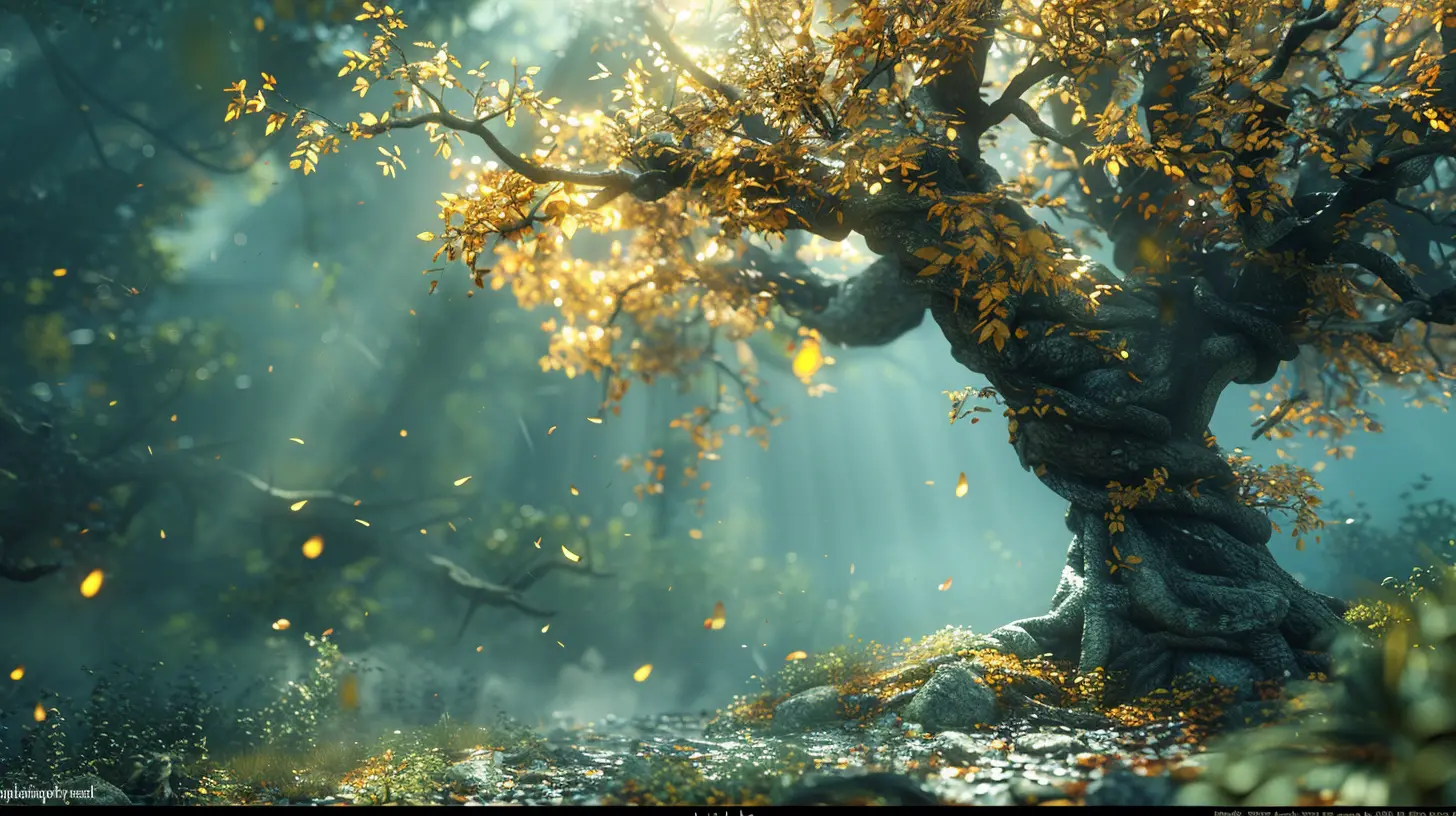
What Is a Branching Narrative Anyway?
Think of it like a tree full of decisions. You start at the trunk (the beginning of the game), and every choice you make sends you down a different branch. Some decisions are tiny twigs that change only a line of dialogue. Others? They're thick branches leading you to entirely different endings.It’s not just about variety—it’s about consequence. The best branching narratives make your decisions feel weighty. Like, if you mess up, it’s not just a game-over screen. Someone might die. A city might burn. Or maybe... you just made a lifelong enemy. Oops.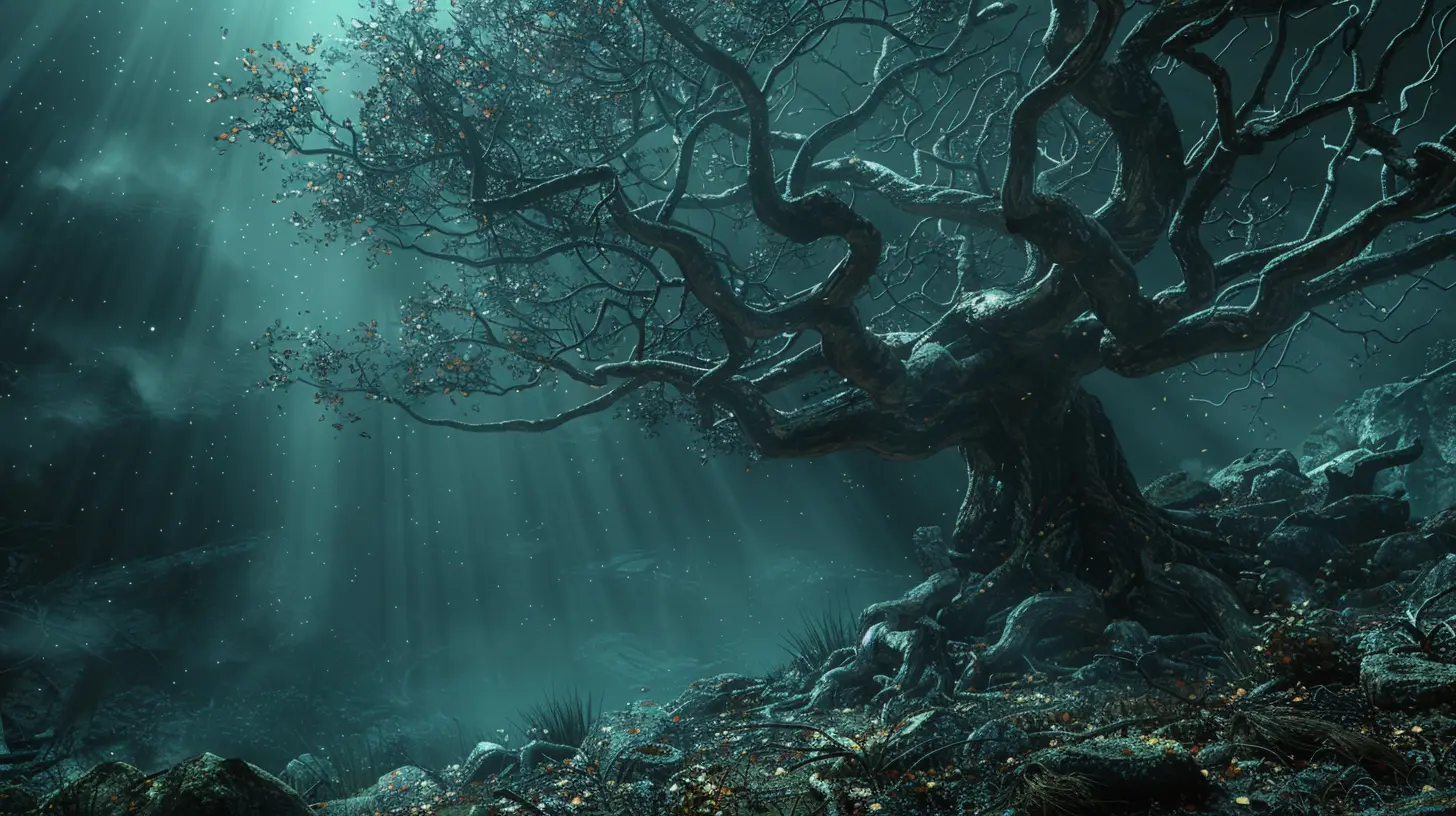
Why Gamers Crave These Mind-Bending Journeys
You know that feeling when you finish a game and think, “Wait, what if I chose the other option?” That’s what keeps us replaying. Branching narratives offer:- Replay Value: You’re not done after one playthrough. There are multiple storylines, characters to bond (or clash) with, and endings you haven’t even seen.
- Emotional Investment: Your choices shape the world. You’re not riding the bus—you’re driving it.
- Surprise & Suspense: Just when you think you’ve figured it out, the game flips the script. Plot twists, betrayals, and gut punches? Yes, please.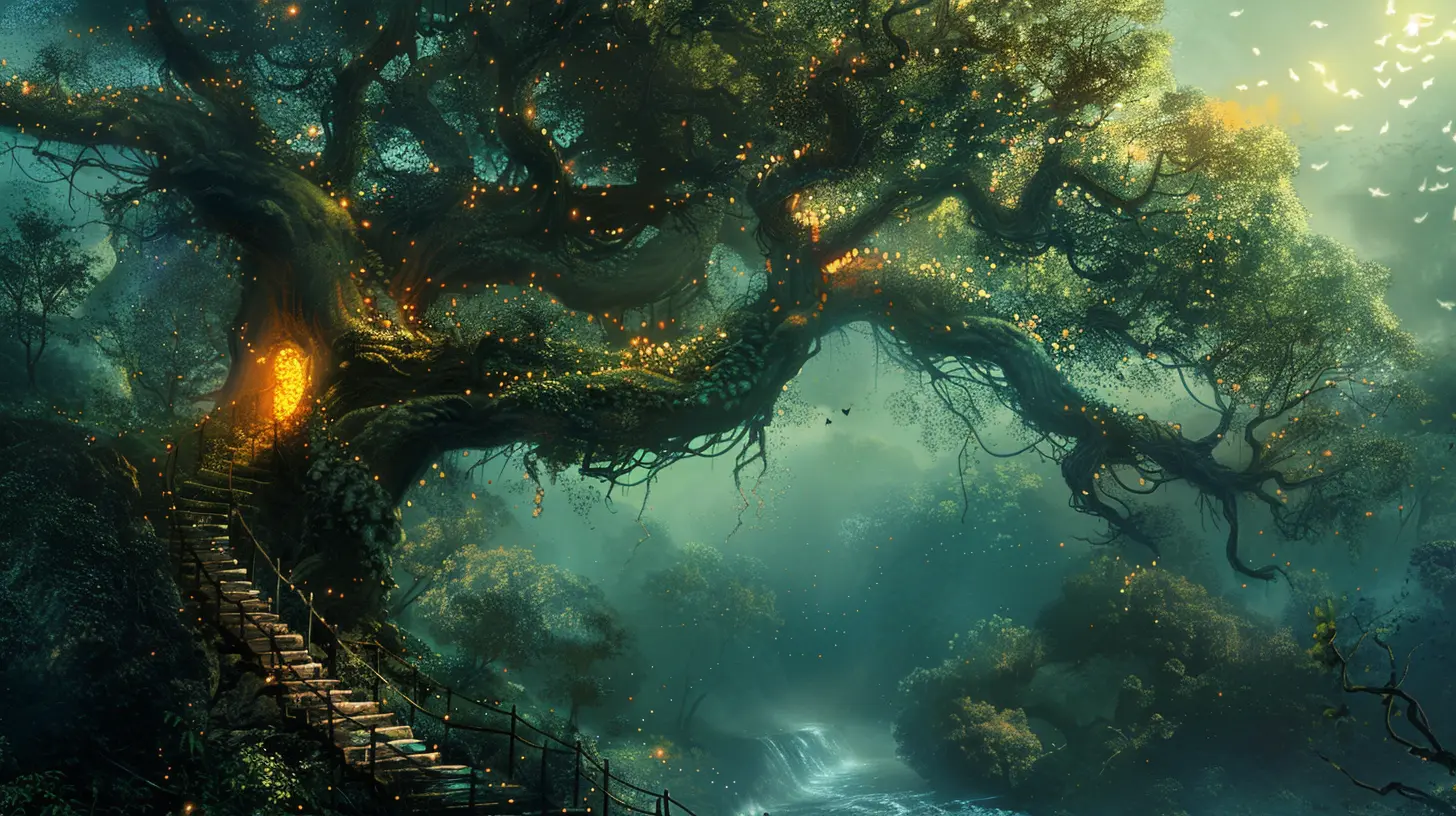
Key Ingredients of a Strong Branching Narrative
Okay, so what separates a shallow “pick-a-path” system from a full-blown narrative masterpiece? A few killer components:1. Choices That Actually Matter
Nobody likes fake choices. You know the type—where A or B both lead to the same outcome. Real branching narratives don’t play that game. Every decision should echo throughout the story.Great games make you pause and ask, “Wait… what’s the real cost of this?”
2. Characters You Actually Care About
The more you care, the harder the choices. Strong character writing makes every decision feel personal. Do you spare your old friend, even after their betrayal? Or do you do what “needs to be done”?You’ll sit there for minutes, controller in hand, wrestling with your conscience.
3. Multiple Endings (Not Just “Good” or “Bad”)
Life isn’t black and white. And the best games? They know that. Instead of simple “hero” or “villain” endings, great branching narratives offer complex, nuanced conclusions. You might save the world—but lose someone you love. Or keep everyone alive—but at what cost?
Games That Nail Branching Narratives
Let’s talk about the heavy hitters—the ones that had us questioning our morals, restarting our saves, and googling “best ending” at 2AM.1. The Witcher 3: Wild Hunt
If Geralt of Rivia taught us anything, it’s that no good deed goes unpunished. With layered quests, morally gray decisions, and consequences that ripple across the entire game, The Witcher 3 set a gold standard. Remember the “Bloody Baron” questline? It’s a storytelling masterclass.2. Detroit: Become Human
This one’s all about androids and what it means to be human. Every choice feels cinematic, and you can literally watch the branching paths in real-time. Talk about pressure! Miss a QTE, and boom—character gone. Forever. No take-backs.3. Until Dawn
Want horror with high stakes? This game’s “butterfly effect” system means that the smallest choices—like deciding whether to run or hide—can lead to brutal deaths… or salvation. It’s a campy, bloody rollercoaster where every scream could be your last.4. Life is Strange
This one hits different. It’s emotional, intimate, and so very human. The rewind mechanic gives you a unique view of how your choices matter. And that ending? Still haunts people.5. Mass Effect Series
Commander Shepard’s journey had fans emotionally attached to every crewmate, every mission, every kiss. Choices from one game even carry into the next. It’s like building your own version of the galaxy—and trying to save it (or not).6. Disco Elysium
Less about “big” world-changing decisions and more about shaping your character’s personality. Your internal dialogue choices affect how people see you—and how you see yourself. It’s weird, wild, and brilliant.The Psychology of Choice: Why We Love It
There’s something wired deep in our human brains that loves choice. Branching stories play into that. Here’s the kicker: even when we make a bad choice, the mere act of choosing makes it more personal.We’re not just spectators, we’re complicit. We’re the architects of our own stories—and failures.
Ever feel regret after choosing the “wrong” path? That’s not bad game design. That’s amazing storytelling.
The Rise of AI and Procedural Narrative
Tech’s catching up with gamer expectations. With AI and procedural storytelling, future games might generate unique branching paths in real-time, adapting to your play style in ways we’ve never seen.Imagine a world where every player has a truly unique story. No two journeys alike. That’s not sci-fi anymore—it’s the next frontier.
Tips for Players: How to Get the Most Out of Branching Narratives
Wanna make the most of your story-driven gaming experience? Here’s what you should keep in mind:- Play blind first. Don’t look up choices. Just go with your gut.
- Replay the game. You’ll be amazed how wildly different things turn out.
- Talk about it. Seriously, comparing choices with friends is half the fun.
- Own your mistakes. Yeah, you killed that character… but hey, that’s YOUR story now.
Developers: How to Create a Story That Sticks
For game devs out there, crafting a branching narrative isn’t just about throwing in choices. It’s about making those choices mean something.- Write believable characters. People matter more than plot twists.
- Balance freedom with structure. Too much choice can be overwhelming.
- Track consequences across the whole game. Don’t let big decisions vanish in the next chapter.
- Make players care. Emotions are the glue that holds branching stories together.
The Future of Interactive Storytelling
It’s clear that players are hungry for more dynamic, choice-driven storytelling. As narrative tools get more advanced, and games start to blur the line between film and interactivity, we’re gonna see some wild evolutions.Picture this: a game that reads your emotions through a camera or headset and tailors the plot accordingly. Creepy? Maybe. Cool as hell? Absolutely.
Final Thoughts
Branching narratives aren’t just about choosing option A or B. They’re about agency. About the thrill of shaping a story and facing the consequences. Whether you’re forging alliances, making sacrifices, or just trying to get everyone to survive one more day, these games put you in the driver’s seat.And that’s what makes them unforgettable.
So next time you’re faced with a story-rich game, pause before you pick—because that choice? It might just change everything.
all images in this post were generated using AI tools
Category:
ReplayabilityAuthor:

Luke Baker
Discussion
rate this article
1 comments
Farrah Lozano
Branching narratives are the lifeblood of gaming. They challenge players, offering twists that keep us engaged. If a game can surprise me, it's already a win... Bring it on!
August 17, 2026 at 2:18 AM
Luke Baker
Absolutely! Surprises in branching narratives make every choice feel meaningful and keep the experience fresh. It's what keeps us coming back for more.