Apocalypse Events and Their Aftermath in Game Lore
13 July 2026
Ever wondered what makes the end of the world so darn exciting in video games? I mean, there’s just something wildly captivating about shattered cities, deserted wastelands, and humanity scraping by after chaos hits the fan. Whether it's a nuclear holocaust, a zombie outbreak, or some weird tear-in-the-fabric-of-reality scenario, apocalypse events in games know how to grab our attention and never let go.
So, let’s dive deep—like, headfirst into a fallout bunker deep—into apocalypse events and the ripple effects they leave in game lore. We’ll break down what causes the end, how it reshapes the game worlds, and why these stories keep us hooked. Buckle up, my friend, because the end is just the beginning.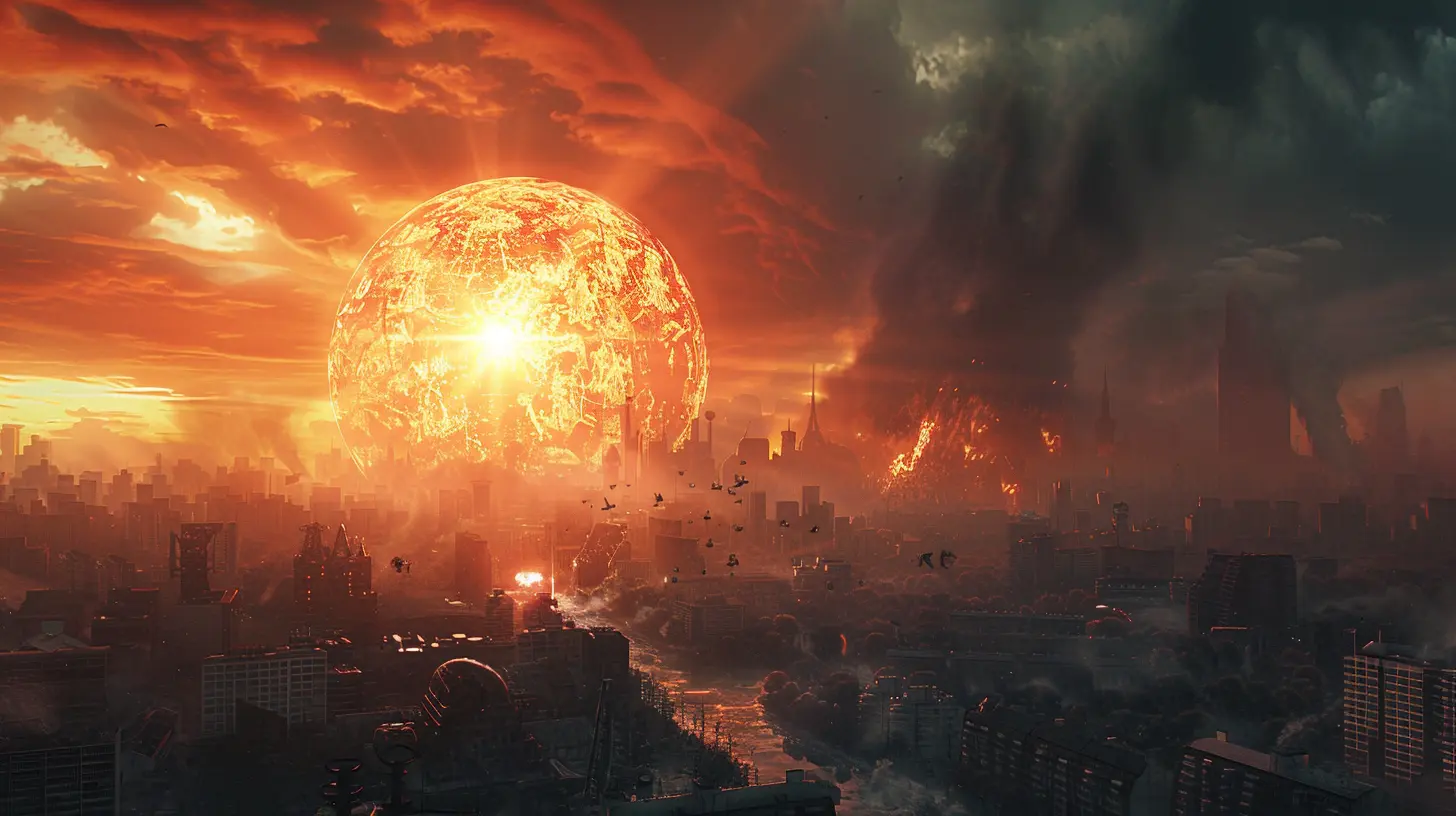
Why Are Apocalypse Events So Popular in Games?
Good question. Let’s be real—there’s something oddly satisfying about watching the world burn (in a game, of course).Games thrive on conflict, and what bigger conflict is there than the literal destruction of civilization? It sets the stage for profound storytelling, moral decisions, desperate survival, and, let’s not forget, some of the coolest game environments ever made.
Players get to roam through twisted metal cities, radiation-soaked deserts, and eerie, abandoned buildings. It’s like playing hide-and-seek in a haunted museum where history has hit the reset button.
And hey, it’s more than just eye candy—apocalypse scenarios also invite some heavy themes: survival, hope, sacrifice, and rebuilding. You don’t just play a hero—you question what being a hero even means when society’s in ashes.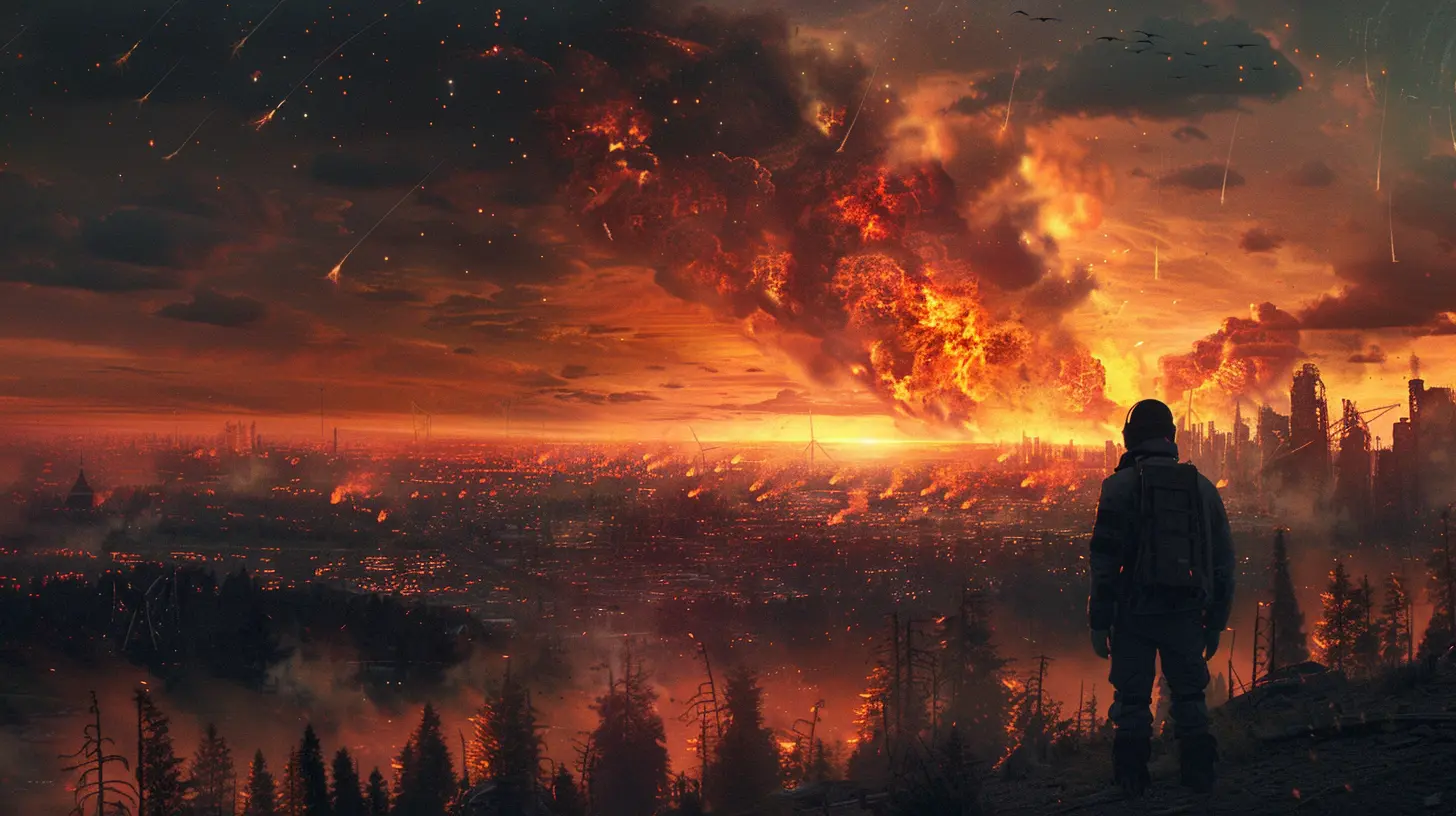
Common Types of Apocalypse Events in Game Lore
Not all apocalypses are created equal. Some are man-made disasters gone wild, and others take a more supernatural or even cosmic approach. Let’s break down the usual suspects.1. Nuclear Warfare: When Science Goes Boom
This one’s a classic. Think Fallout. The bombs drop, and suddenly the world becomes a radioactive playground of mutant creatures, rusted-out buildings, and survival-of-the-fittest madness.Impact on Lore:
In nuclear apocalypses, lore often delves deep into how humanity let technology get out of control. There’s usually a ton of backstory about global tension, government failure, and scientific hubris. And these shattered societies? They're usually clinging to the old world’s mistakes, learning nothing—and that’s the kicker.
2. Zombie Outbreaks: The Dead Walk Again
Can’t talk about apocalypses without mentioning zombies. Whether it’s a virus (The Last of Us, anyone?) or a curse (Dying Light), these creatures are everywhere.Impact on Lore:
Zombie lore tends to focus on how quickly societies can crumble. It’s less about the infection and more about how people react when fear takes over. Characters evolve (or fall apart), alliances shift, and the line between monster and man gets super blurry.
3. Alien Invasions: They Came from Beyond
Not all threats come from Earth. Some games (Mass Effect, XCOM) throw us into a universe where advanced alien races decide humanity’s time is up.Impact on Lore:
Alien apocalypses mix sci-fi with dystopia. Game lore here explores themes like cosmic insignificance, interstellar war, and species survival. It often challenges mankind’s place in the universe—and forces characters to either unite or die divided.
4. Supernatural Cataclysms: Magic Gone Wrong
When magic or otherworldly forces get out of balance, it’s game over—literally. Games like Dark Souls and Bloodborne show this off perfectly.Impact on Lore:
These stories are usually drenched in mystery. The apocalypse is already ancient history, and you're piecing it together through cryptic dialogue and environmental storytelling. It’s like playing a puzzle from hell. But when you finally get it? Chef’s kiss.
5. Environmental Collapse: Earth Fights Back
In some games (Horizon Zero Dawn, Enslaved: Odyssey to the West), nature reclaims the planet. Cities are overgrown with vines, machines mimic wildlife, and humanity is, well, not doing great.Impact on Lore:
These tales often come with a heavy dose of warning. Mess with nature too long, and it’ll mess right back. They also explore what it means to survive as a species when Mother Earth hits the reset button.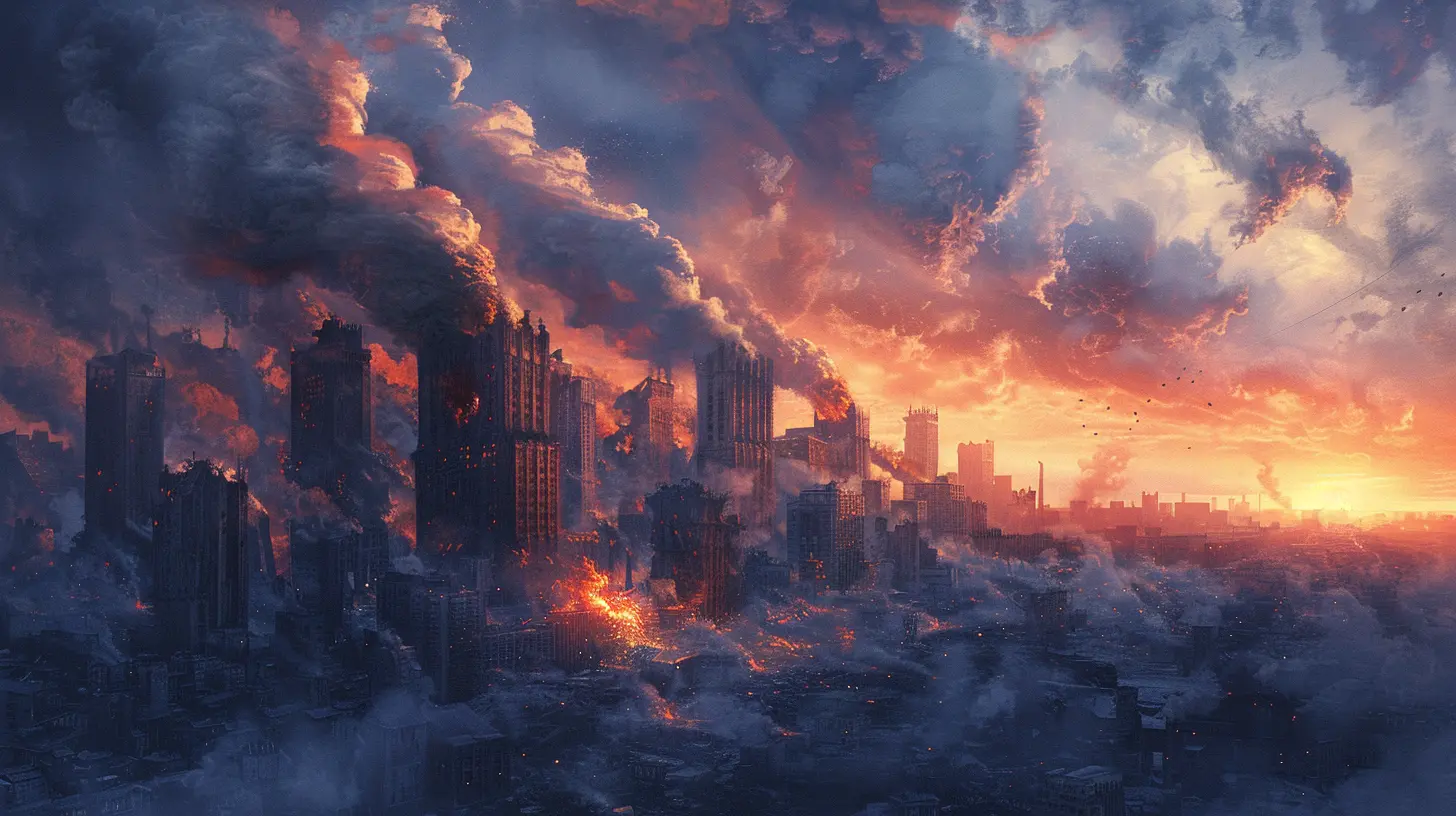
The Aftermath: What Happens After It All Ends?
Alright, so the world went kaboom. Now what? That’s where post-apocalypse storytelling shines.Rebuilding Civilization
Some games pick up centuries after the fall, where people are just starting to rebuild. In Fallout, for example, you’ve got groups like the Brotherhood of Steel trying to bring order, while raiders... well, do anything but.This setup lets developers imagine what a second shot at society might look like. Do we repeat the same mistakes? Or do we finally get it right?
Tribalism and New Cultures
When old nations fall, new tribes rise. These societies often have their own rules, languages, and belief systems. In Horizon Zero Dawn, for instance, different tribes worship machines as gods. They have no idea about the technological past that brought about the collapse.It’s kind of like ancient ruins in reverse—past tech becomes modern mythology. And that’s just endlessly fascinating.
Lawlessness and Survivalism
Let’s talk chaos. The first few decades post-apocalypse are usually pure anarchy. You’ve got bandits, warlords, and lone wanderers trying to survive. It’s gritty, raw, and absolutely addictive in narrative games.Take Metro Exodus. You’re deep underground in Russia, navigating politics, monsters, and survival with limited resources. Every bullet counts. Every choice echoes. You feel the weight of the end.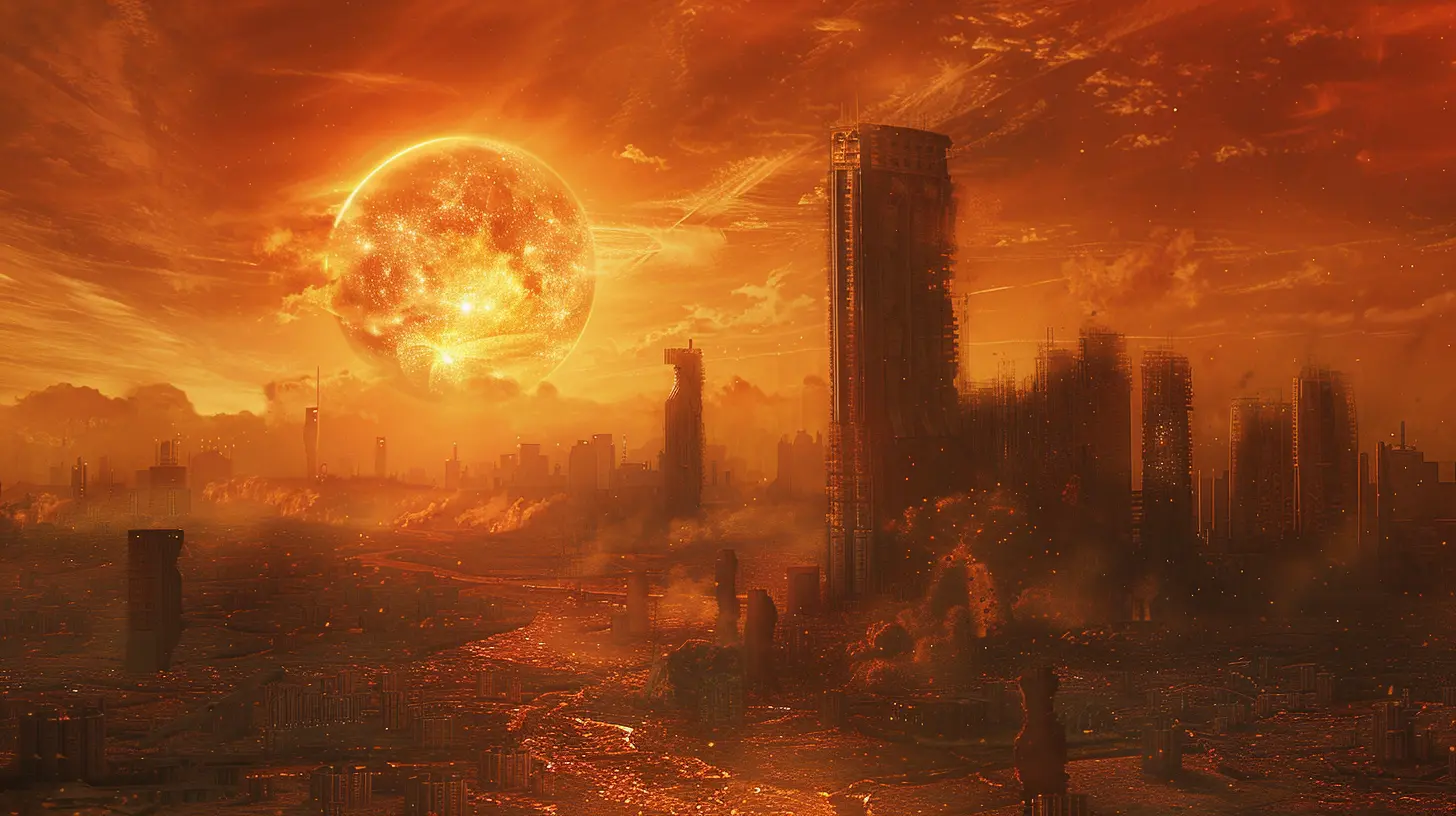
Iconic Examples of Apocalypse in Game Lore
Let’s spotlight some heavy-hitters that totally nailed the apocalypse vibe.Fallout Series
Nukes dropped, and humanity went full Mad Max. Over the years, the lore has expanded to include vault experiments, mutated wildlife, and rival factions. Its retro-futuristic tone wrapped in dystopia makes it stand out.The Last of Us Series
Cordyceps fungus mutates people into monsters. But the emotional punch comes from its characters—Joel and Ellie—and their deeply human journey through a world that’s lost so much. It’s bleak but beautiful.NieR: Automata
Set after humanity has gone extinct, this game flips the script. Players control androids fighting a war long after humans are gone. The questions it asks about identity and purpose? Mind-blowing.Horizon Zero Dawn
Machines roam wild and humans have gone tribal. The mystery of how advanced AI led to the collapse—and how Aloy fits into that puzzle—is top-tier storytelling.Metro Series
Set in post-nuclear Moscow, people live in metro tunnels to avoid the surface’s dangers. It’s dark, claustrophobic, and emotionally intense. The lore reveals how fragile hope can be underground.How Apocalypse Lore Shapes Gameplay
The lore isn’t just window dressing—it deeply affects how we play.- Scarcity of Resources: Ammo, food, medicine—it’s all rare. This ramps up tension. Every decision matters.
- Morality Systems: Many post-apocalyptic games have moral choice mechanics. When survival’s on the line, what’s the "right" choice, anyway?
- Open Worlds with Environmental Storytelling: Abandoned buildings, graffiti, skeletons still clutching journals... The world tells its own story if you take the time to look.
- Crafting and Adaptability: Players often have to craft weapons, tools, and shelter. The lore lets you feel like you're living through the end—one scavenged bottlecap at a time.
Why Apocalypse Lore Hits Us in the Feels
Strangely enough, apocalypse stories aren’t always bleak. There’s often a weird sense of hope wrapped inside all the wreckage.We get to witness people at their lowest... and watch them rise. It’s about resilience, rebirth, and the sheer grit of survival. These stories reflect our own fears—climate change, war, disease—and transform them into interactive tales where we get to fight back.
It’s no wonder they resonate. In the ashes of the old world, we find new beginnings. And in those stories, we find ourselves.
Final Thoughts
Apocalypse events in game lore aren’t just about destruction—they’re about what comes after. The broken societies, the emerging cultures, the desperate survivors... it all weaves into a rich, immersive narrative that keeps us coming back for more.Whether you're dodging ghouls in Fallout, unraveling AI secrets in Horizon Zero Dawn, or crying over Joel and Ellie in The Last of Us, you’re not just playing through the end of the world. You’re living its aftermath.
And honestly? That’s where the real story begins.
all images in this post were generated using AI tools
Category:
Game LoreAuthor:

Luke Baker
Discussion
rate this article
2 comments
Willow Klein
Endings reshape new beginnings.
October 7, 2026 at 3:33 PM
Lumen McCabe
Looks like the end of the world can be quite fun! Can't wait to see how these stories unfold...
July 17, 2026 at 3:34 AM
Luke Baker
Thanks for the enthusiasm! There's definitely a lot of wild twists ahead... hope you enjoy the ride!