The Best Character Designs in Gaming History
13 April 2026
When we talk about the most iconic parts of video games, storylines and gameplay mechanics usually take center stage. But let’s not forget something equally crucial—the characters. A game's character design can make or break the experience. Think about it, would Mario be as lovable without his red cap and mustache? Or would Kratos be as menacing without his ash-white skin and chained blades?
Character design in games isn't just about making someone look “cool.” It’s a delicate dance between visuals, personality, function, and narrative. A great character design tells you everything you need to know—who they are, what they're about, and why you should care.
So, let’s jump right into it. Here’s a deep dive into the best character designs in gaming history—characters who are more than just pixels on a screen. They’re legends.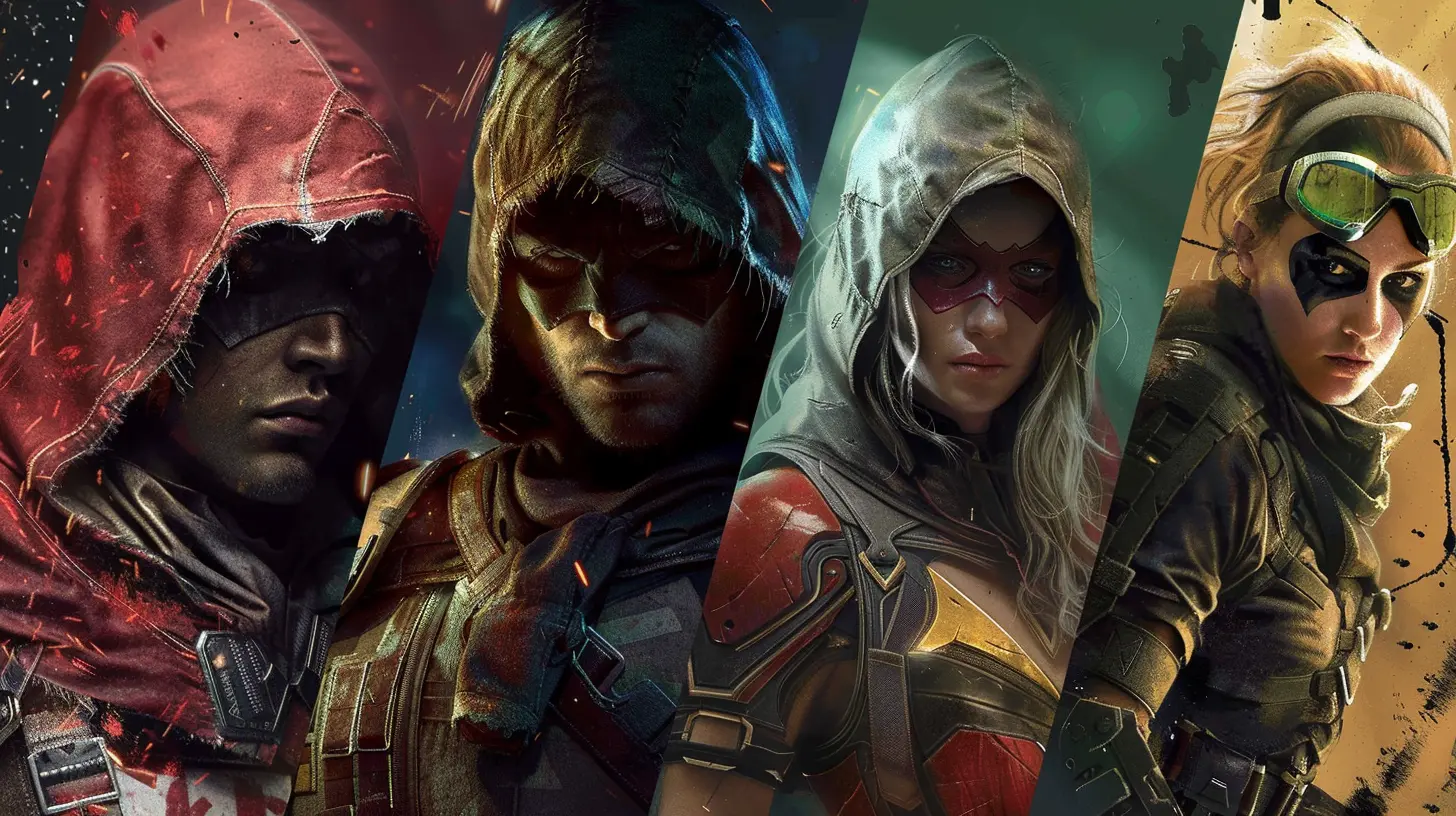
What Makes a Character Design Great?
Before we break down the greats, we've got to understand what "great" even means in this context. It's not just about flashy armor or wild haircuts. Although, let’s be real, we do love a good mohawk or a glowing sword.A brilliant character design typically nails a few key areas:
- 📸 Visual impact: Can you recognize them instantly?
- 🧠 Memorability: Do they stick in your brain long after the credits roll?
- 🧬 Personality match: Does their look reflect their role or nature?
- 🎮 Functionality: Do design elements enhance gameplay?
- 🕰️ Timelessness: Does it hold up years or even decades later?
When a design checks all these boxes? Pure magic.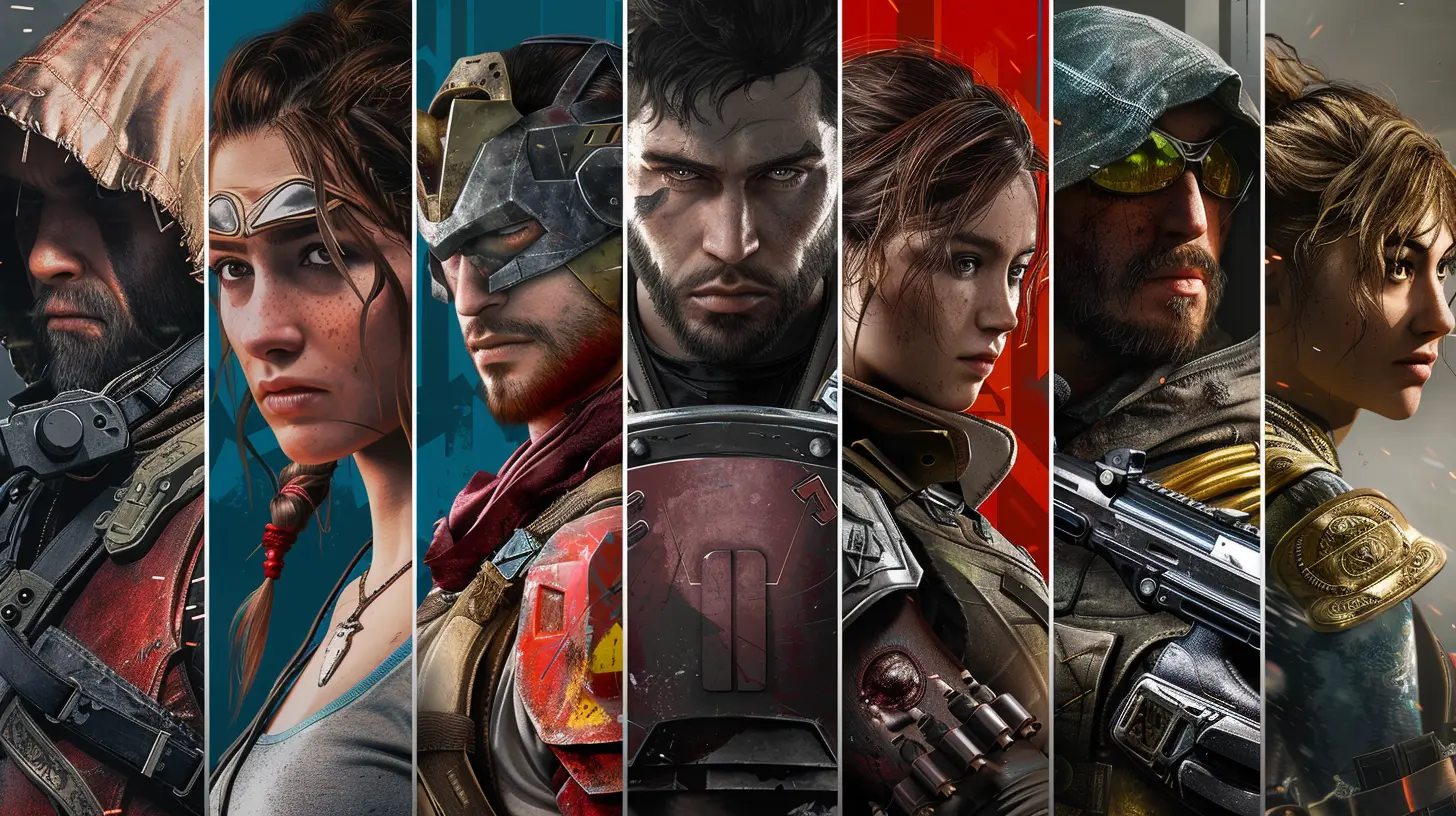
Mario – The Timeless Icon
Let’s start with the OG himself—Mario. Created by Shigeru Miyamoto in 1981, Mario is perhaps the most recognizable video game character of all time. His design is deceptively simple: red cap, overalls, mustache, and a cheerful demeanor. But that simplicity is exactly why it works so well.The red and blue contrast helps him pop on screen, especially in the pixelated days of the NES. The mustache? Purely functional, a clever trick to avoid animating a mouth back in the day. And that hat? Way easier than animating hair.
Mario's design screams “friendly hero,” and it hasn’t really changed in over 40 years. That alone says everything.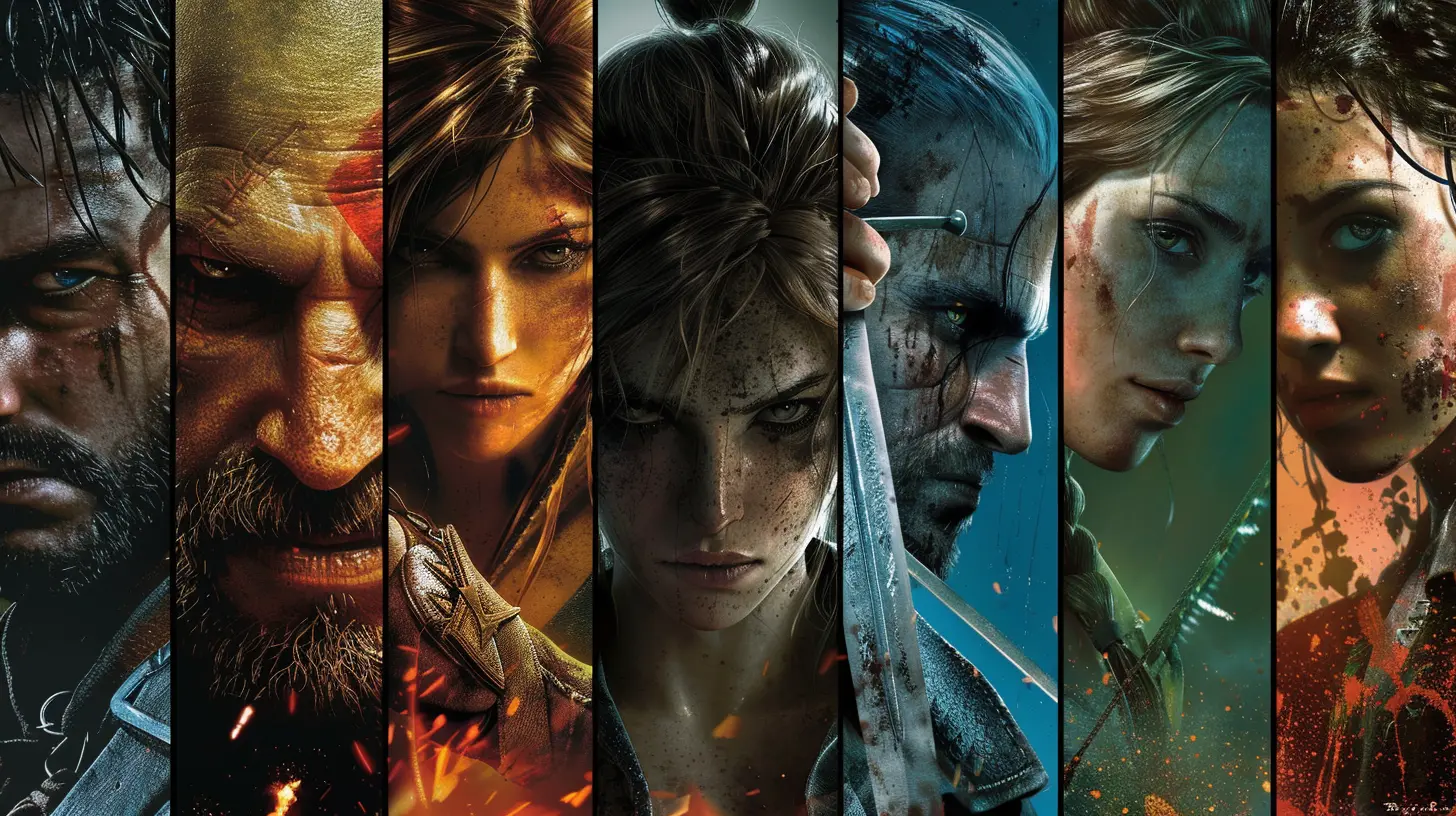
Lara Croft – Redefining the Action Heroine
Lara Croft first raided tombs in 1996, and let’s just say her original design stirred plenty of controversy. She had an exaggerated hourglass figure and dual pistols strapped to her hips—not exactly subtle.But as the series evolved, so did Lara. The 2013 reboot gave her a more realistic appearance and layered her with emotional depth. She became more than just a pin-up adventurer. Her practical outfit, scraped limbs, and determined eyes told us she was surviving, not just looking good swinging through ruins.
Her transformation showcases how great character design can grow with the times—and with the audience.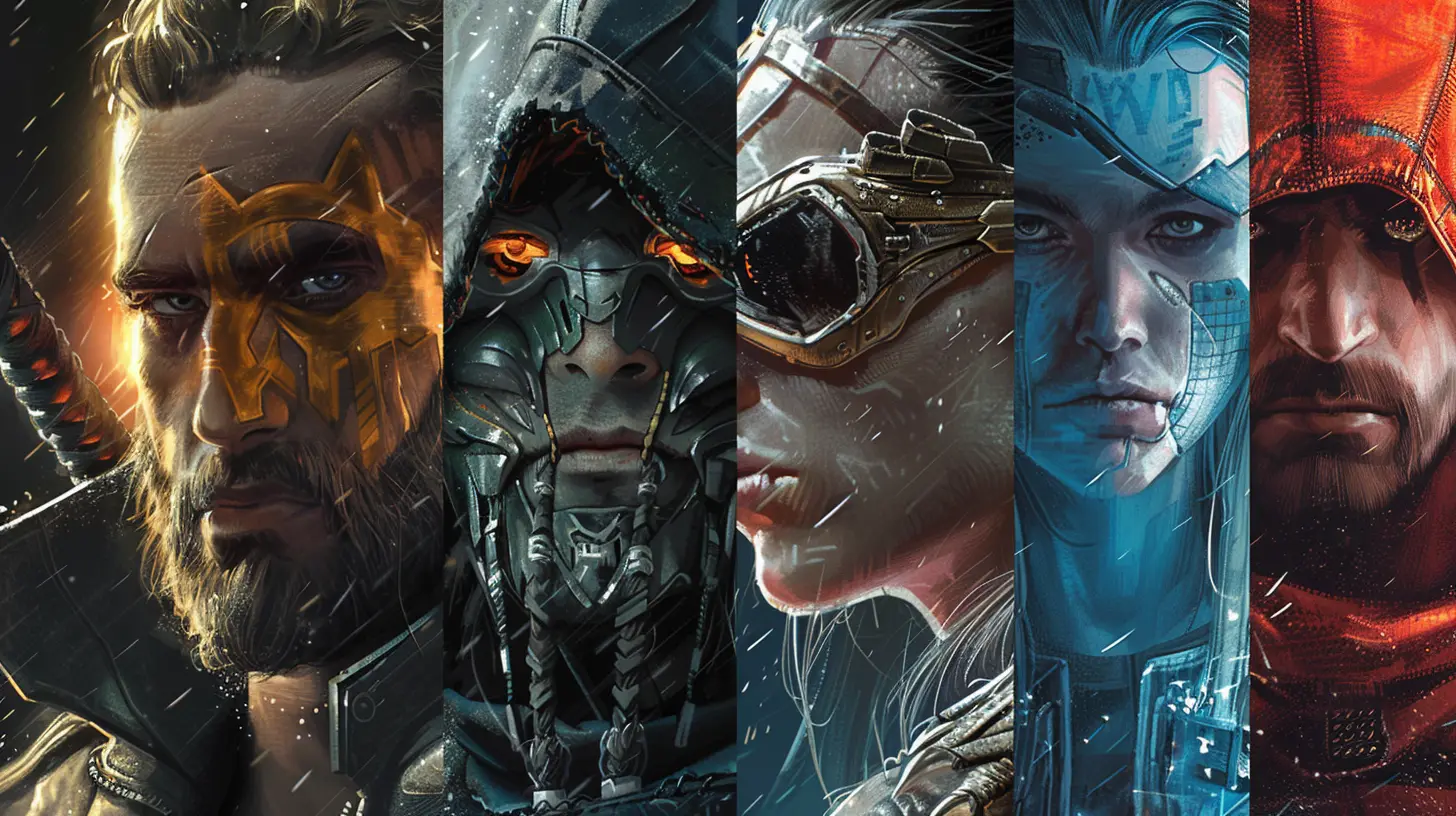
Link – The Eternal Silent Protagonist
Link might not say much (okay, he doesn’t say anything), but his design screams volumes. The green tunic, the Master Sword, the Hylian Shield—it's like fantasy cosplay perfection.What makes Link’s design outstanding is how flexible it is. From The Wind Waker’s cel-shaded art to Breath of the Wild’s open-world realism, Link is constantly being reimagined. Yet, he’s always unmistakably Link.
His outfit matches his role perfectly: the humble hero thrust into grand legends. It’s the classic underdog look with a fantasy twist.
Kratos – Godlike and Gruesome
You can't talk iconic design without mentioning Kratos from the God of War series. His pale skin? That’s the ashes of his dead family, literally burned into him. That’s metal—and emotionally devastating.Combine that with his furious expression, red war paint, and the iconic Blades of Chaos, and you get something unforgettable. Kratos looks like a walking storm, and that’s exactly what he is.
As he transitioned from the Greek to Norse mythologies, his design evolved. The newer Kratos sports a bushier beard, a leaner build, and a more somber expression. He’s older, wiser, and his design tells that story visually without a single word.
Master Chief – The Masked Mystery
Green armor, reflective visor, and a name that sounds like a military call sign—Master Chief is an enigma wrapped in power armor. And that’s exactly why his design works.He's faceless for a reason: you’re supposed to project yourself onto him. Yet, he’s still his own character—stoic, determined, and iconic. The clean lines of his Mjolnir armor, the imposing stature, and that ever-present AI companion (Cortana) complete the picture.
Even if you've never played a Halo game, you'd recognize Master Chief. That kind of design resonance is rare.
Geralt of Rivia – The Rugged Outsider
Grizzled, gray-haired monster hunter with cat-like eyes? That’s Geralt of Rivia in a nutshell. And he’s a visual feast for anyone into dark fantasy aesthetics.Geralt’s design perfectly mirrors his world: grim, brutal, and steeped in lore. The pendant, the scars, the worn armor—each element hints at years of battle and moral gray areas. He’s not your typical knight in shining armor; he's the guy the knights call when things get... weird.
What makes Geralt's design special isn’t just the look—it’s how it ties into his personality. He’s distant, dry-humored, and often stuck between bad and worse choices. His eyes say it all.
Samus Aran – The Ultimate Reveal
If you played the original Metroid back in the day, the moment you realized Samus was a woman was mind-blowing. Why? Because until that point, every indicator leaned toward “male space warrior.”Samus' Power Suit is a masterpiece of character design. It’s sleek, powerful, and utilitarian. There's nothing cutesy, nothing unnecessary. Just a badass bounty hunter ready to take on alien horrors.
And when she takes off the helmet? It turns the whole design on its head—subverting expectations in the best way possible. A bold move that went on to influence countless other games.
Ezio Auditore – Assassin With Style
Let’s be honest, if being an assassin were a fashion statement, Ezio Auditore from Assassin's Creed II would be on the cover of Vogue. With his flowing robes, hidden blades, and Renaissance flair, Ezio is stealth and style wrapped into one.Every layer of his outfit has purpose—concealing weapons, helping agility, and of course, looking absolutely slick while leaping across rooftops. But beyond the gear, it's how Ezio carries himself that seals the deal.
He’s charming but deadly. A playboy turned freedom fighter. And his look evolves across the trilogy, maturing as he does. A killer in couture.
Sonic the Hedgehog – Speed in Design Form
Blue spikes, red sneakers, and an attitude to match—Sonic’s design screams speed. Created as Sega’s answer to Mario, Sonic was built to be everything Mario wasn’t: edgy, fast, and cool.His aerodynamic spikes and long legs are literally designed to convey motion. Even standing still, Sonic looks like he’s got somewhere to be. And let’s not forget those giant eyes—they make him expressive in a way few mascots manage.
He may have had a few questionable redesigns (looking at you, movie Sonic), but the core character always bounces back.
Cloud Strife – Brooding but Beautiful
Cloud from Final Fantasy VII is the blueprint for the modern JRPG protagonist. Spiky blond hair? Check. Oversized sword? Double check. Emotional baggage? You bet.But it’s not just about surface-level coolness. Cloud’s design reflects the game’s themes of identity, trauma, and rebellion. His SOLDIER uniform looks militaristic, but the Buster Sword tells a story of inheritance and burden.
In the FFVII Remake, his design got a gorgeous upgrade—with realistic textures and subtle emotional expressions. Yet, it still feels authentically Cloud.
Aloy – A Breath of Fresh Air
From the moment we met her in Horizon Zero Dawn, Aloy was different. In a genre full of brooding male protagonists, she stood out with her intelligence, curiosity, and a design that felt both futuristic and tribal.Her outfit is practical—built for survival in a post-apocalyptic world filled with robot dinosaurs. Her red hair, freckles, and piercing blue eyes made her visually distinct in a sea of grizzled heroes.
Aloy’s appeal is that she’s relatable and grounded, but still fierce. Her design supports that balance beautifully.
The Key Takeaway? Character Design IS Storytelling
At the end of the day, the best character designs in gaming history don’t just look good—they tell a story. They reflect the world they inhabit, the journey they go on, and the emotional beats they bring to the player.Characters like Mario, Link, and Samus have stood the test of time because you can feel their essence just by looking at them. And newer characters like Aloy and Geralt show us that there’s still so much to explore.
So next time you boot up your favorite game, take a moment to appreciate the design of your character. Every scar, shade, and piece of clothing tells you something. Good design doesn’t shout—it whispers truths that stick with you long after the controller is down.
all images in this post were generated using AI tools
Category:
Best Game CharactersAuthor:

Luke Baker
Discussion
rate this article
2 comments
Zylith Hardy
Character design is pivotal in gaming; it shapes player connection and narrative depth. From iconic heroes to memorable villains, these designs create lasting impressions that define franchises.
April 24, 2026 at 4:03 AM
Luke Baker
Absolutely! Character design is crucial in gaming, influencing player engagement and storytelling. It’s remarkable how memorable designs can define entire franchises and evoke strong emotional connections.
Greta Heath
This article highlights incredible character designs, showcasing creativity and artistry in gaming. It truly emphasizes how memorable characters can elevate a game's narrative and player experience. Great selection!
April 17, 2026 at 3:19 AM
Luke Baker
Thank you for your kind words! I'm glad you enjoyed the character designs and their impact on gaming.