Why Multiplayer Games Create Lifelong Friendships
26 March 2026
Gaming is no longer just about completing missions, leveling up, or clawing your way to the top of a leaderboard. It’s become something bigger—more personal. Multiplayer games, in particular, have transformed into digital playgrounds where true connections are born and lifelong friendships are forged. But what is it about multiplayer gaming that turns random strangers into ride-or-die teammates?
Let’s unpack how the world of online gaming builds deep, lasting bonds—often stronger than those formed in real life.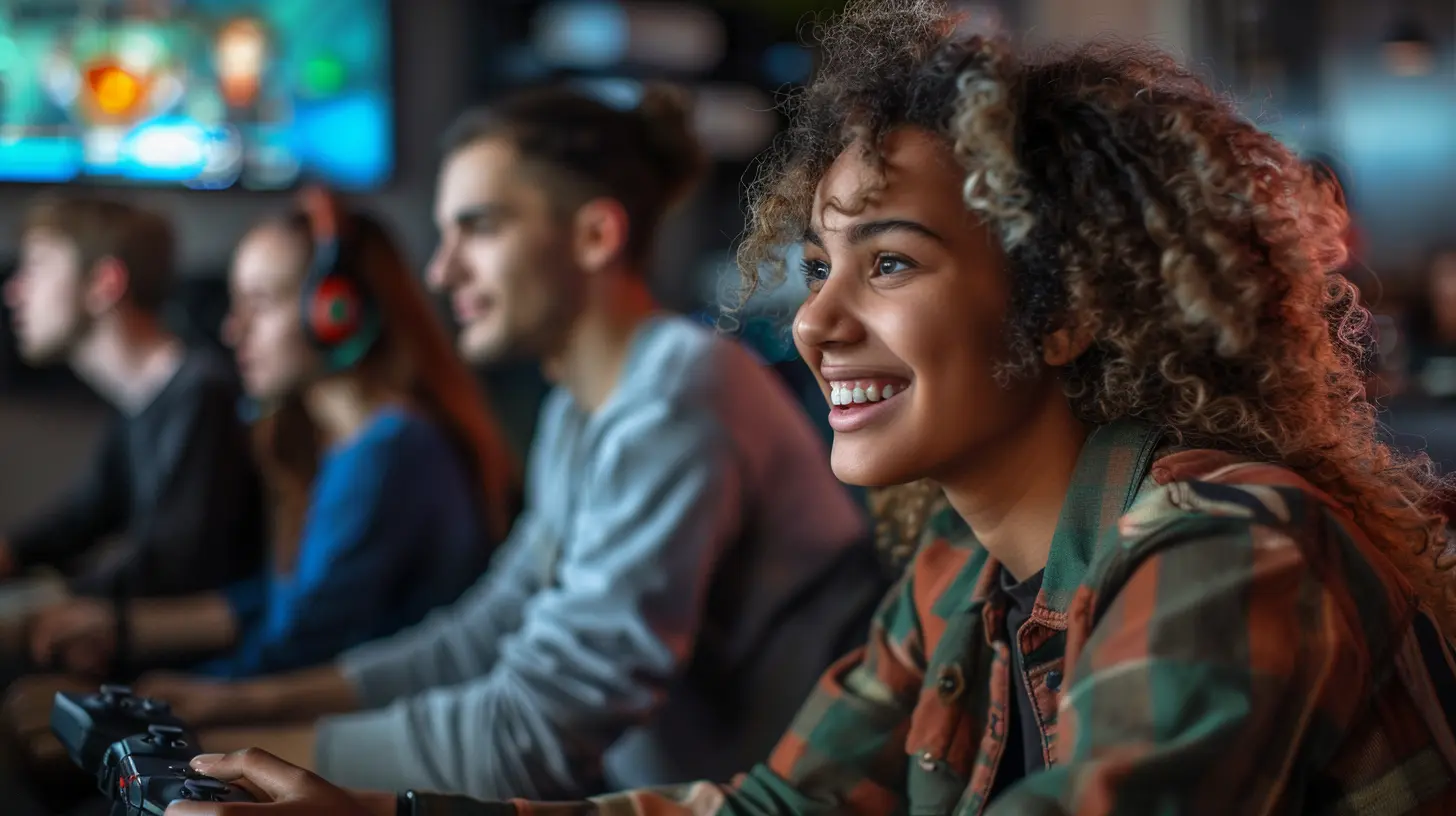
The Foundation: Shared Experiences Bring People Together
Think about the last time you overcame a tough boss fight with a pal online or pulled off a flawless strategy with your squad in a tense battle royale match. Those moments aren’t just wins—they’re shared experiences. And when people face challenges together, they naturally grow closer.Just like soldiers who bond during basic training or co-workers who slog through late-night work sessions, gamers share emotional highs and lows. Whether it's the thrill of snagging a hard-earned victory or the frustration of a narrow loss, it creates a strong emotional connection.
We’re wired to remember moments tied to strong emotions. So when you clutch a 1v4 in CS:GO or survive a PvP ambush in Destiny 2 with your best bud calling out plays, that memory sticks—and so does that friendship.
Voice Chat: The 21st Century’s Campfire
Voice chat isn’t just a feature—it’s the beating heart of multiplayer gaming. It's where banter, laughter, and the occasional rage-quit rant live. Through voice chat, players start talking strategy... and end up talking about life.Over time, you’re no longer just discussing loot drops or enemy placements. Conversations drift into favorite movies, school stress, or how your day went. Before you know it, you know someone's real name, their favorite pizza topping, and which sports team they’re irrationally loyal to.
Multiplayer games give people a reason to stay in touch. Instead of the typical “we should hang out sometime” awkwardness, there’s always a reason to log back in and reconnect. The game becomes the glue that holds those chats together.
Let's Be Real: It’s Easier to Be Yourself Online
In real life, starting a conversation can be nerve-wracking, especially if you're introverted. But gaming flips the script.When you're behind a character—your digital avatar—there’s less pressure to impress. You're not worrying about how you look, what you're wearing, or whether your social skills are “on point.” You're just in the game, being yourself.
And guess what? That makes it easier to form honest, authentic connections. People bond faster when they're not putting up walls. That’s the magic of multiplayer games—authentic connections tend to come naturally.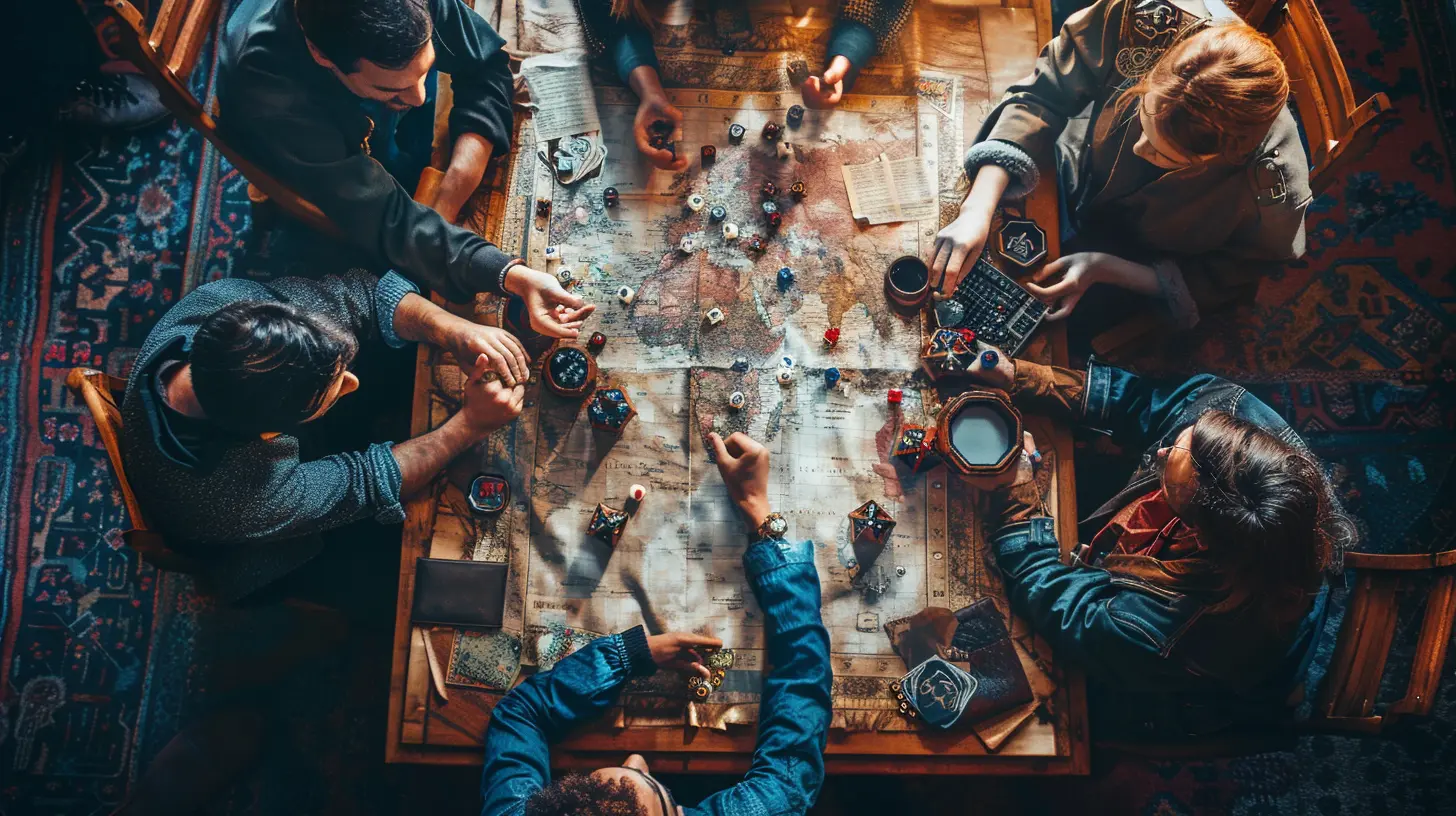
Teamwork Makes the Dream Work (And for Stronger Friendships)
Games like Apex Legends, Valorant, or League of Legends aren’t built for solo play. Success often hinges on coordination, timing, and mutual trust. When you consistently rely on someone to have your back in high-stakes matches, a certain kind of trust develops. That trust is the cornerstone of any solid friendship.You start to learn each other's playstyle, sense each other’s next move, and even joke about each other's quirks. It’s like becoming teammates in life, not just in-game.
It’s no coincidence that many pro eSports teams are made up of friends who’ve played together for years. That synergy comes from shared time, trust, and a ridiculous number of matches together.
Communication Skills Go Through the Roof
Let’s take a step back—multiplayer games aren’t just about frag counts and killstreaks. They’re also a crash course in communication. You’ve got to call out targets, share resources, coordinate attacks, and sometimes, de-escalate heated arguments.These skills start to extend beyond the game. You become better at expressing yourself, listening, and problem-solving—all things that make friendships smoother and more meaningful.
Have you ever had one of those friends who just "gets you" when you talk? Multiplayer games help create those types of connections. You figure out how your friend thinks, how they react under pressure, and how they communicate in stressful situations. That’s some next-level understanding.
Persistent Worlds, Persistent Relationships
Games with persistent worlds—like MMOs (think Final Fantasy XIV or World of Warcraft)—are prime real estate for long-term friendships. These games often require ongoing collaboration, guild involvement, and events that pull players together consistently.In these worlds, your in-game life becomes more than just a series of quests. It becomes part of your routine. You log in, meet your guild, chat about your day, then take on a dungeon together. Over months and years, those interactions accumulate into real, genuine relationships.
Some gamers have even formed lifelong partnerships, met their significant others, or attended real-life meetups after years of playing together online.
It Breaks Down Geographic and Cultural Barriers
Where else can someone from Tokyo, New York, and Cape Town all team up to take down digital dragons?Multiplayer games create a global village. You’re no longer limited by who lives in your town or who you bump into at school. Suddenly, you’re making friends with people from completely different walks of life—each bringing their own stories, perspectives, and senses of humor into your world.
This diversity not only broadens your horizon but also enriches your friendships. You learn, grow, and see the world through someone else’s pixelated eyes.
The Role of Inside Jokes and Shared Language
If you’ve ever shouted “He’s one shot!” or laughed uncontrollably when someone fell off a cliff in Minecraft, you know that gaming creates its own language. These inside jokes may seem silly, but they’re incredibly powerful.Shared lingo, memes, and even epic fails all contribute to a sense of camaraderie. It's like a secret handshake that only your squad understands. And when you're part of that inner circle, the bond feels real—because it is.
Emotional Support Without the Pressure
Let’s be real for a second: life gets tough. Sometimes you just need someone to talk to—or, better yet, someone to just be there while you blow stuff up in-game. Multiplayer friends often become emotional lifelines.You don't need to schedule a call or meet for coffee. You can just hop into a game, and without even talking about your problems, you feel better. The shared presence is enough. And many friendships deepen because of these silent, supportive moments.
Nostalgia and Memories Keep Friendships Alive
Even when life gets hectic, the memories created in multiplayer games tend to stick. That time your squad wiped an elite boss with 1 HP left, or when someone accidentally flash-banged the whole team—these stories become legends.Years later, even if you're not gaming together as often, those memories can reignite bonds instantly. All it takes is a message like, "Remember that time in PUBG when you jumped out of the car mid-air?" and it’s like no time has passed.
Memory is a powerful thing, and in the gaming world, it’s packed with emotion, adrenaline, and pure fun—an unbeatable combo for keeping friendships alive.
Gaming Communities Strengthen the Connection
Beyond in-game chats, multiplayer games often come with Discord servers, Reddit communities, forums, and Twitch streams. These create ecosystems where friendships can thrive even when the console or PC is off.Whether you’re sharing memes, discussing patch updates, or trolling each other for choosing the wrong loadout, the community aspect adds another layer of connection.
You’re not just part of a friend group—you’re part of a clan, a tribe, a digital family.
From Pixels to IRL: When Online Friends Meet Offline
One of the most wholesome trends in gaming is the way online friends eventually meet up in real life. From gaming conventions like PAX and TwitchCon to DIY meetups in random cities, these IRL encounters solidify those digital bonds.And guess what? These meetups are often full of warmth, laughter, and the kind of chemistry that only years of gaming side-by-side can build.
You’ve already fought zombies together, survived space wars, and escaped Tarkov—grabbing a slice of pizza together is the easy part.
Wrapping It Up: A Gamepad Can Be a Social Superpower
At the end of the day, multiplayer games are more than just entertainment—they’re a catalyst for connection. They break down walls, forge bonds in the heat of battle, and give us a space to be ourselves while sharing epic moments with others.Sure, you might start playing for the loot or the glory, but chances are, you’ll keep coming back for the friends you’ve made along the way.
And who knows? That random stranger who revived you during a clutch moment just might become your best friend for life.
all images in this post were generated using AI tools
Category:
Gaming CommunitiesAuthor:

Luke Baker
Discussion
rate this article
2 comments
Runehart McGee
Absolutely loved this article! It’s amazing how a simple game can bring people together and forge friendships that last a lifetime. Whether it's teaming up for quests or sharing epic fails, those shared moments create bonds that go beyond the screen. Here’s to many more adventures with friends, old and new!
March 26, 2026 at 4:35 PM
Luke Baker
Thank you! I completely agree-multiplayer games really do create unforgettable connections. Cheers to many more adventures ahead!
Derek McCabe
Isn't it fascinating how multiplayer games foster connections beyond just gameplay? I’m curious about the psychology behind these friendships—what unique elements make them last a lifetime? Let's explore!
March 26, 2026 at 5:25 AM
Luke Baker
Absolutely! Multiplayer games facilitate shared experiences, teamwork, and communication, which forge deep emotional bonds. Elements like trust, shared achievements, and a sense of community contribute to the longevity of these friendships. Let's dive deeper into the psychology behind it!