Why Gamers Keep Returning to Classic Titles
6 August 2026
Gaming has come a long, long way. We’ve got ray tracing, open-world everything, and hyper-realistic graphics that make you wonder if you’re watching a movie or playing a game. And yet… so many of us keep reaching back into the vault and dusting off old favorites—those pixelated titles and “retro” games that still sit proudly in our digital libraries or tucked away in dusty boxes.
So, what gives? Why do gamers keep returning to classic titles, even when the latest AAA games are just a few clicks away?
Let’s talk about that. Grab your favorite snack and settle in—we’re diving deep into the timeless connection between gamers and the classics.
Nostalgia: The Pixelated Time Machine
Let’s be honest—nostalgia is a powerful thing. Classic games are like time machines. Booting up a game like Super Mario Bros., The Legend of Zelda, or Half-Life can hit you right in the feels. Suddenly, you’re a kid again, sitting cross-legged in front of a CRT TV, jamming on a controller, and forgetting the world existed outside your screen.This feeling is more than just a warm fuzzy memory. Studies have shown that nostalgia can actually boost mood and mental health. So when life gets stressful, it makes total sense that players retreat into the comforting arms of their favorite classics. It’s not just gaming—it’s therapy.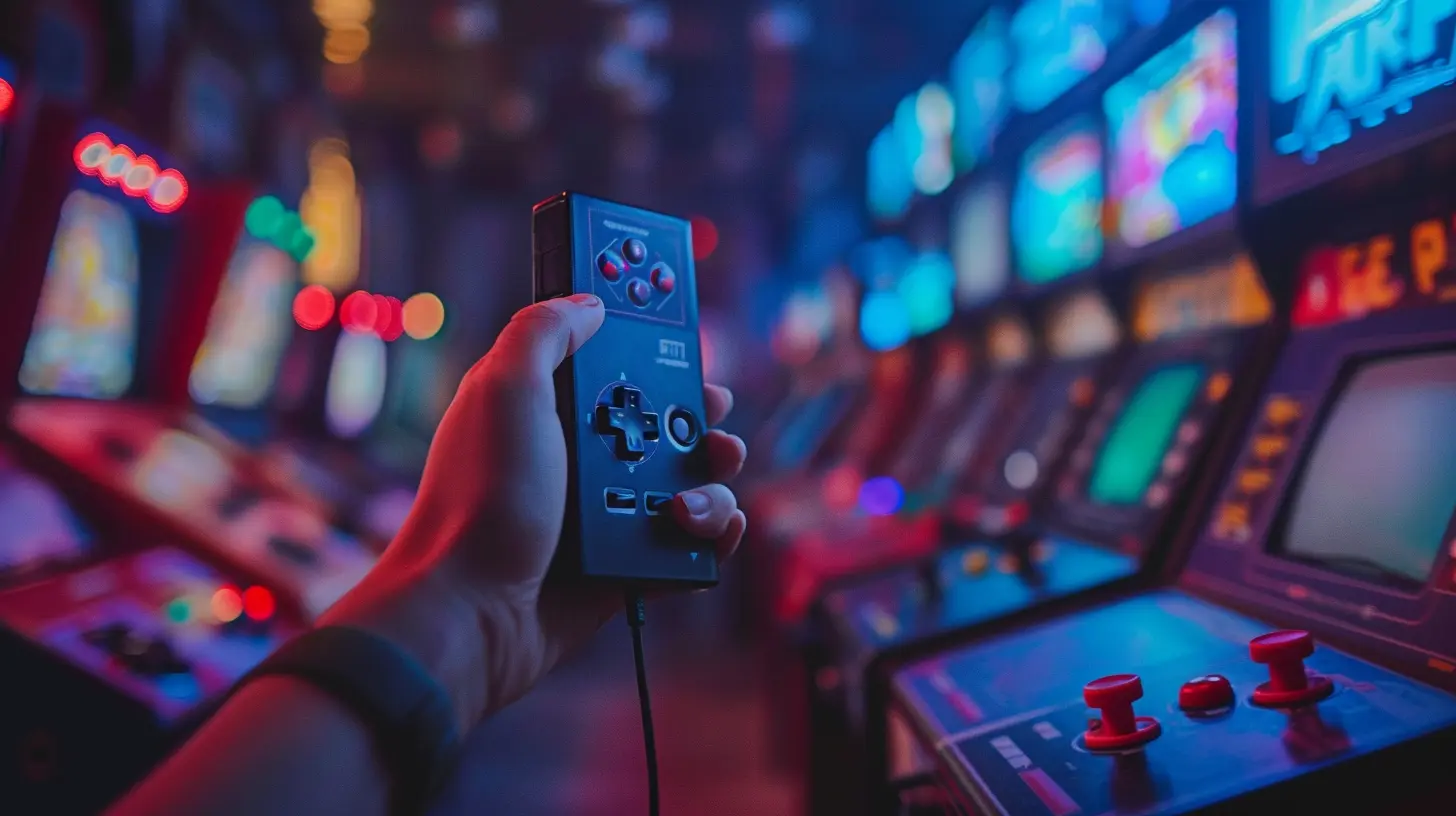
Simpler Games, Deeper Fun
Ever fire up a modern game and spend the first hour stuck in a tutorial? Yeah, it’s a vibe-killer. Classic games didn’t waste time. They threw you into the action with a simple “Press Start” and trusted you to figure it out.That simplicity was part of the charm.
Games like Tetris, Sonic the Hedgehog, or Pac-Man didn’t need deep lore or complex mechanics. They offered bite-sized gameplay with massive replayability. You could play for five minutes or five hours and still have a blast.
In today's world of bloated menus and mandatory updates, that kind of pick-up-and-play magic feels like a breath of fresh air.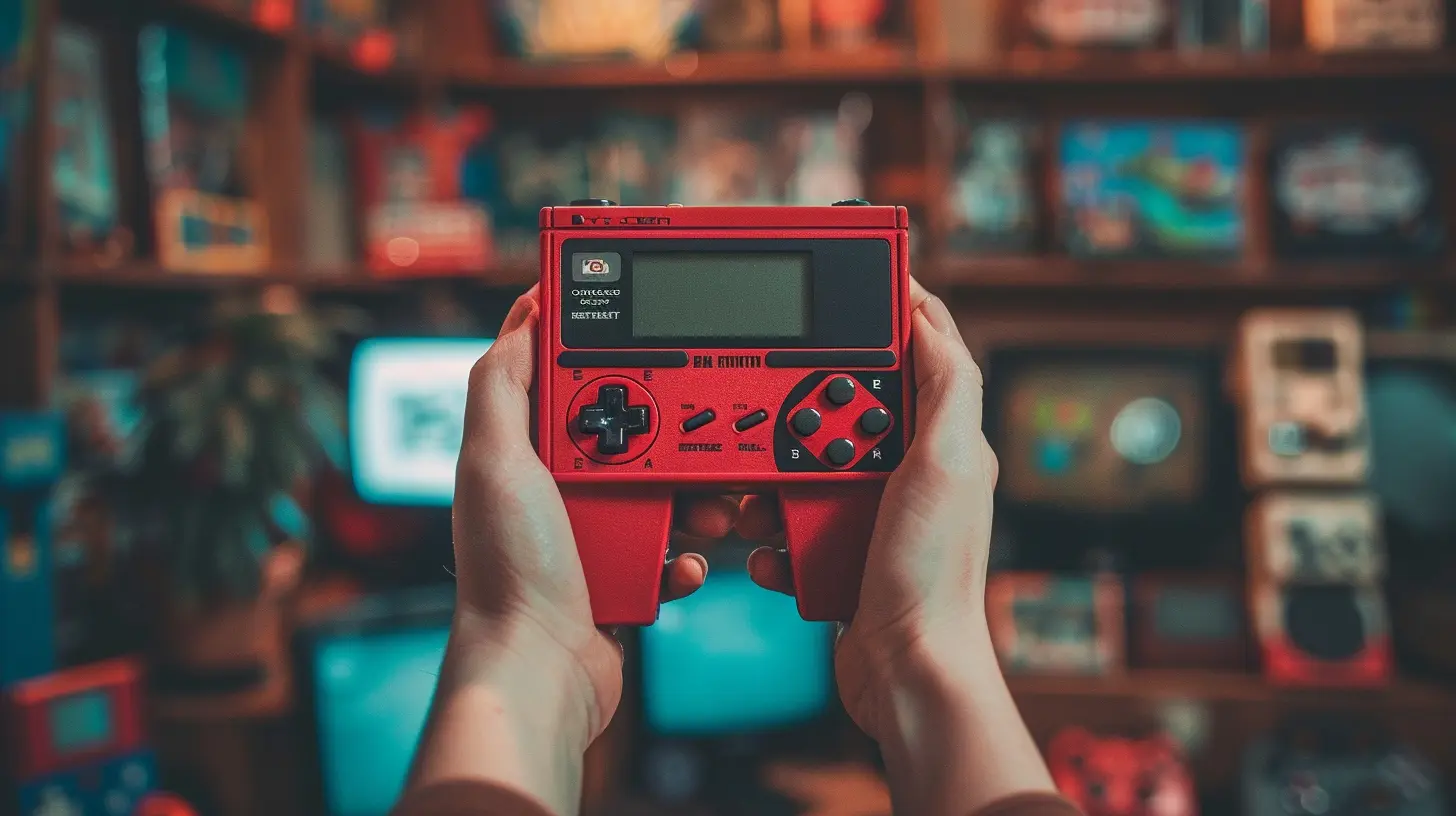
Timeless Gameplay That Still Hooks You
Let’s face it—not every old game ages well. But many of them? Still absolute bangers.Why? Because good gameplay doesn’t go out of style.
Think about it—games like Street Fighter II, Super Metroid, or DOOM are still just as fun today as they were decades ago. The mechanics are tight, the controls are intuitive, and the balance is just right. These games were designed with love, care, and a “gameplay first” mentality.
It’s why developers still use classic titles as reference points when making new games. Great design stands the test of time.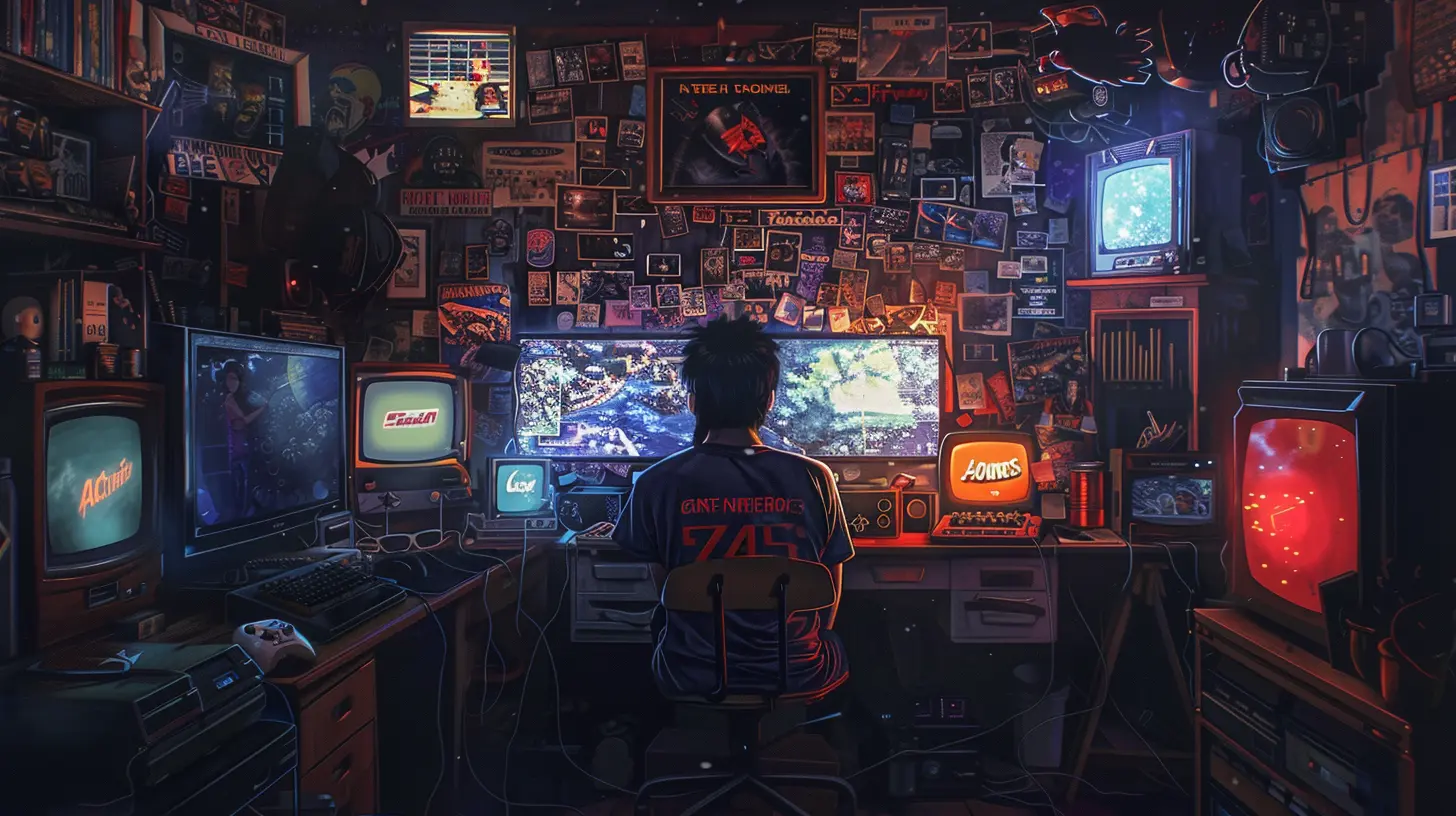
Community and Culture
Classic games didn’t just build memories—they built communities.Whether it was trading Pokémon at recess, teaming up for GoldenEye split-screen matches, or sharing cheat codes for GTA: San Andreas, those experiences weren’t just about the games. They were about who you played them with.
Even today, retro gaming communities thrive online. Forums, Discord servers, YouTube channels, and Twitch streams are full of fans who love talking about, modding, speedrunning, and mastering classic games. There’s a shared language there—a culture that binds the gaming community together across generations.
Emulation and Accessibility
Another big reason gamers keep returning to classic titles? It’s easier than ever to play them.Thanks to emulators, retro game collections, and digital re-releases, you don’t need to own the original hardware anymore. Services like Nintendo Switch Online, Xbox Game Pass, and PlayStation Plus are making it super simple to dive back into the classics.
You can fire up EarthBound or Banjo-Kazooie on a modern console in seconds. Convenience is key. And when nostalgia meets accessibility? That's a no-brainer win.
Modern Games Don’t Always Hit the Same
Alright, let’s be real for a second—some modern games just don’t have the same soul.We’re not saying new games are bad (many are amazing), but there’s a certain magic that’s missing sometimes. Maybe it’s the overreliance on microtransactions. Maybe it’s the same formula being re-skinned and sold again and again. Or maybe it’s the never-ending updates and battle passes that suck the joy out of gaming.
Classic games, on the other hand, gave you the full experience from day one. No DLC needed. No loot boxes. Just you, the game, and the challenge ahead.
Graphics Aren’t Everything
Sure, the pixel art of the NES or SNES era can’t compete with today's 4K visuals. But let’s be honest: our brains do a neat trick. They fill in the gaps. Those blocky sprites? We remember them as detailed heroes. That MIDI music? It still slaps.It’s kind of like watching an old movie. The production values might not match today’s standards, but the story, the acting, and the charm? Still gold.
In some ways, the limitations of classic hardware forced developers to get creative. And that creativity gave us some of the most iconic visuals and soundtracks in gaming history.
Challenge Accepted
You know that feeling when you finally beat a level that’s been kicking your butt for days? Classic games thrive on that.There was no hand-holding. Games like Mega Man, Castlevania, or Ninja Gaiden dared you to master them. And when you did? You felt like a gaming god.
Those tight controls, punishing enemies, and no-save-game marathons taught players patience, resilience, and the sweet taste of success.
Modern games often cater to broader audiences (which is great), but it means that raw, skill-based challenge is harder to find. So when gamers want a true test of their abilities, they often go back to the source.
Speedrunning and Mods Give New Life
Classic games aren’t static—they’re alive in the hands of the community.Take speedrunning for example. Playing through Super Mario 64 in under 2 hours or glitching through The Legend of Zelda: Ocarina of Time with insane precision? That’s a whole new layer of gameplay.
Then there’s romhacks and fan mods. Games like Doom have thousands of custom levels and storylines made by fans. It’s like the game never ended—it just evolved with the times.
This self-sustaining ecosystem keeps classic titles fresh and relevant, year after year.
They're Just... Fun!
Let’s not overthink it—classic games are fun. That’s why we keep coming back. They don’t demand hundreds of hours or force you into never-ending grind loops. You can just have a good time.Sometimes, what we really want isn’t cutting-edge visuals or cinematic storytelling—it’s just pure, unfiltered fun. And nobody delivers that quite like the classics.
From the upbeat bounce of Super Mario World to the zombie-blasting chaos of Resident Evil 2, these games knew exactly how to entertain, challenge, and satisfy.
Top Classic Titles Gamers Still Love Today
Just in case you need a little inspiration, here are some all-time classics that continue to draw in players around the globe:- Super Mario Bros. 3 – Platforming perfection.
- The Legend of Zelda: A Link to the Past – Adventure at its best.
- Street Fighter II – Timeless competitive brawler.
- Final Fantasy VII – The RPG that redefined the genre.
- Chrono Trigger – Time-traveling masterpiece.
- Silent Hill 2 – Still creepy, still brilliant.
- Castlevania: Symphony of the Night – Smooth controls, killer tunes.
- Donkey Kong Country – Platforming fun with flair.
These games aren’t just old—they’re immortal.
Final Thoughts: It’s More Than Just a Game
So, why do gamers keep returning to classic titles? Because those games are more than mere entertainment—they’re comfort food for the soul, they’re puzzle boxes with endless solutions, they’re memories wrapped in pixels and chiptunes.In a world where everything moves fast and changes constantly, there’s something deeply grounding about revisiting a game that’s remained the same for decades.
It's like an old friend who never changed, never judged, and was always ready to hang out—no patch required.
So if you're feeling overwhelmed by the endless flow of new releases, maybe it’s time to fire up an old favorite. The classics are waiting—and they never go out of style.
all images in this post were generated using AI tools
Category:
Gaming CommunitiesAuthor:

Luke Baker
Discussion
rate this article
1 comments
Zinnia Montgomery
Classic games offer nostalgia and simplicity that newer titles often lack. They provide comfort and familiar gameplay, making it easy for players to reconnect with their favorite experiences from the past.
August 8, 2026 at 3:13 AM
Luke Baker
Absolutely, there's something special about the simplicity and charm of classic games. They take us back to a time when gaming felt more straightforward, allowing us to relive those cherished moments without the distractions of modern complexity.