What It Means to Belong in a Virtual World
1 August 2026
Let’s be real — we’ve all felt a little lost in the real world from time to time. Whether it’s at school, work, or even within our own friend group, that weird sense of not fitting in can hit hard. But then… there’s the magic of virtual worlds.
In a space where social norms are rewritten, avatars replace faces, and choices feel limitless, the idea of “belonging” becomes something entirely different — yet strangely more authentic. Let’s dig deep into what it really means to belong in a virtual world, why it matters, and how these digital spaces are redefining community, identity, and connection for millions.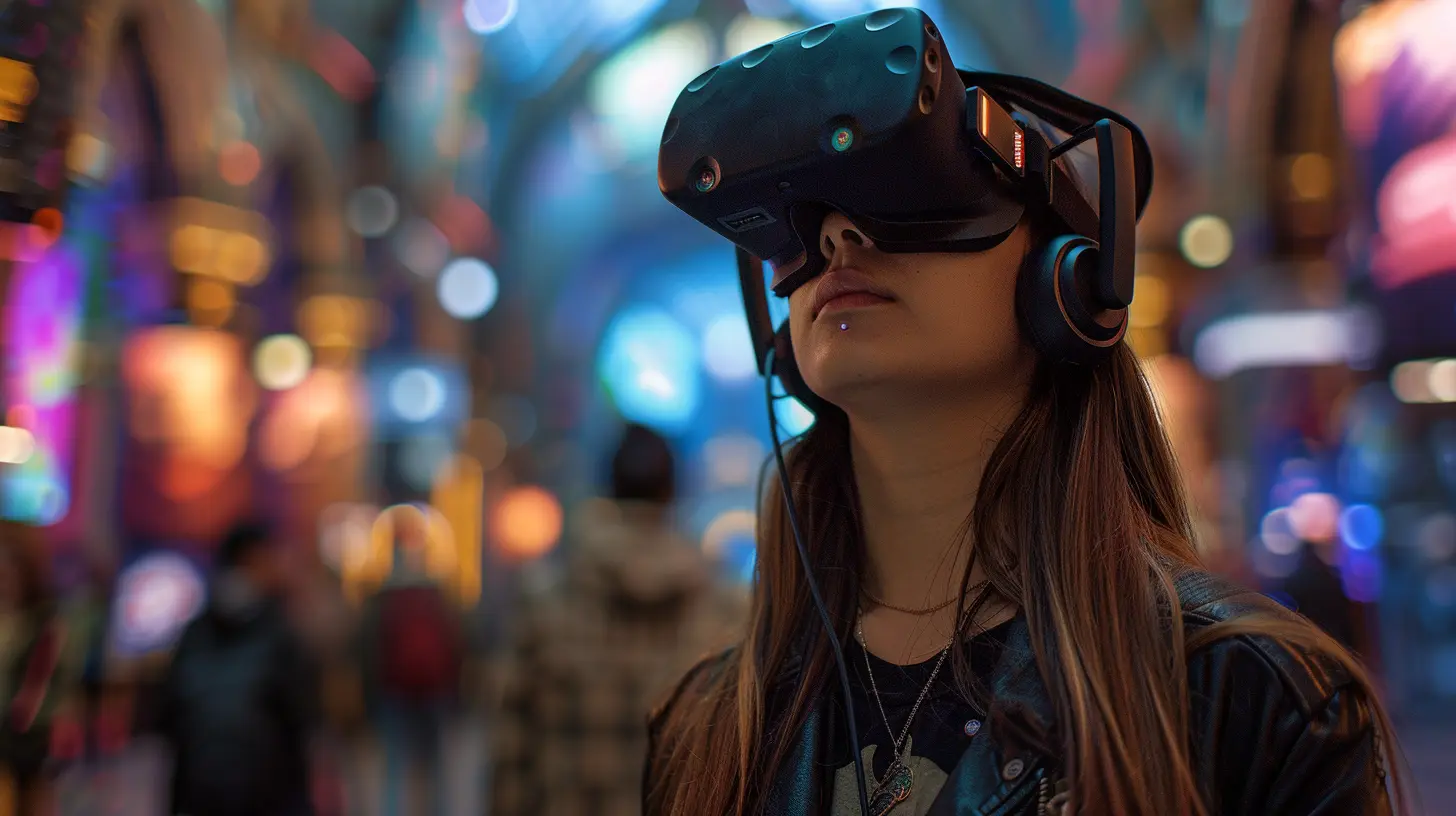
The Digital Campfire: Why We Gather Online
Humans have always craved connection. Thousands of years ago, we gathered around fires to share stories. Today? We gather in lobbies, guilds, Discord servers, and MMORPG hubs. Same need, different platform.Video games — especially multiplayer and online games — provide a new kind of campfire. We come together, not just to play, but to express ourselves, form bonds, and be part of something meaningful.
These virtual spaces give us something that’s often missing in real life: choice. The choice to present ourselves how we want, to find people who truly get us, and to exist in a place where we don’t feel judged by our looks, age, or background.
And you know what? That’s powerful.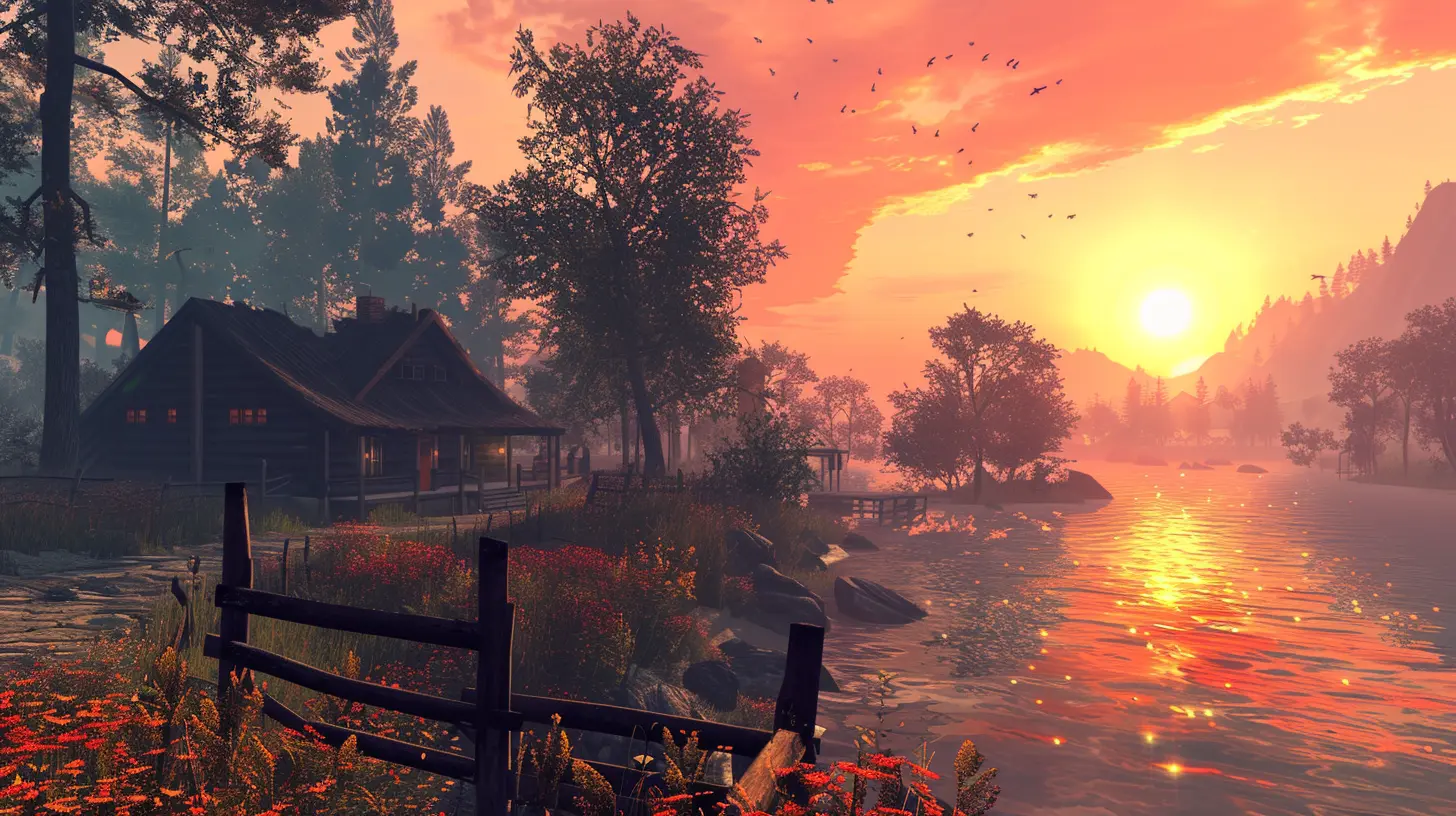
Identity Without Limits: Who Are You Here?
In the real world, you’re often stuck with a label before you can even open your mouth.- High school nerd
- Introvert
- That shy co-worker
- The dude who plays too many games
But in a virtual world? You’re whoever you want to be.
You can be a powerful elf sorcerer, a neon-haired racing champion, or a faceless ninja hopping rooftops with your clan. Sounds silly? Maybe. But the freedom to choose your identity, express your style, and connect through gameplay is something real life rarely offers so freely.
You’re not "pretending." You’re exploring parts of yourself you might not have felt safe enough to show elsewhere.
That’s not escapism. That’s exploration. 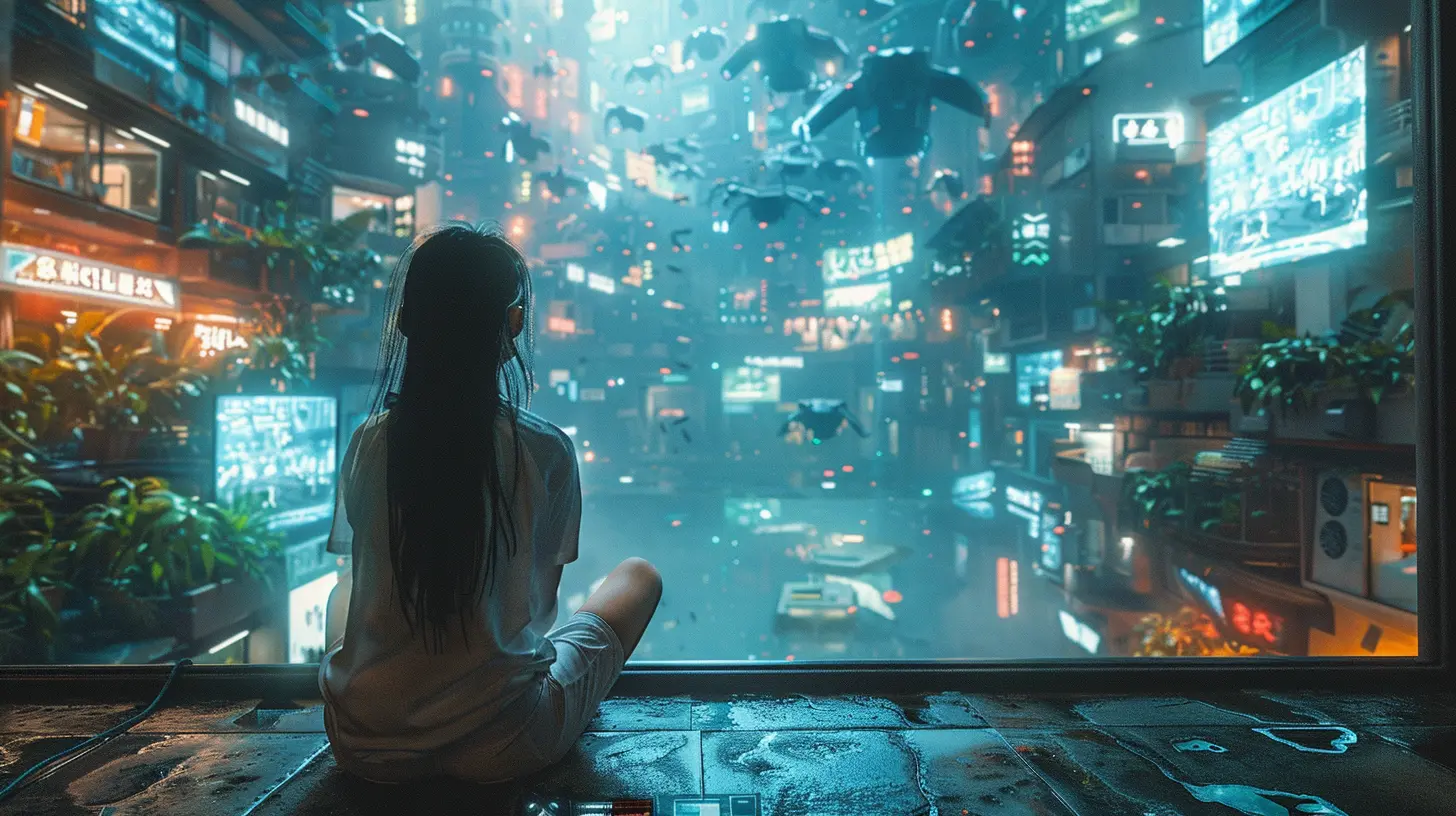
Finding Your Tribe: The Beauty of Virtual Communities
I’ll never forget the first time I joined a World of Warcraft guild.It didn’t feel like just a group of gamers. It felt like family. These were people scattered across continents, yet we talked every day, celebrated in-game victories like birthdays, and even checked in when someone was going through a rough patch.
Your “tribe” in a virtual world becomes your safe space. Whether it's a competitive Valorant squad, a cozy Animal Crossing island community, or a rag-tag bunch of Minecraft builders — these are people who choose to share that world with you.
And when someone chooses to be part of your world? That hits deep.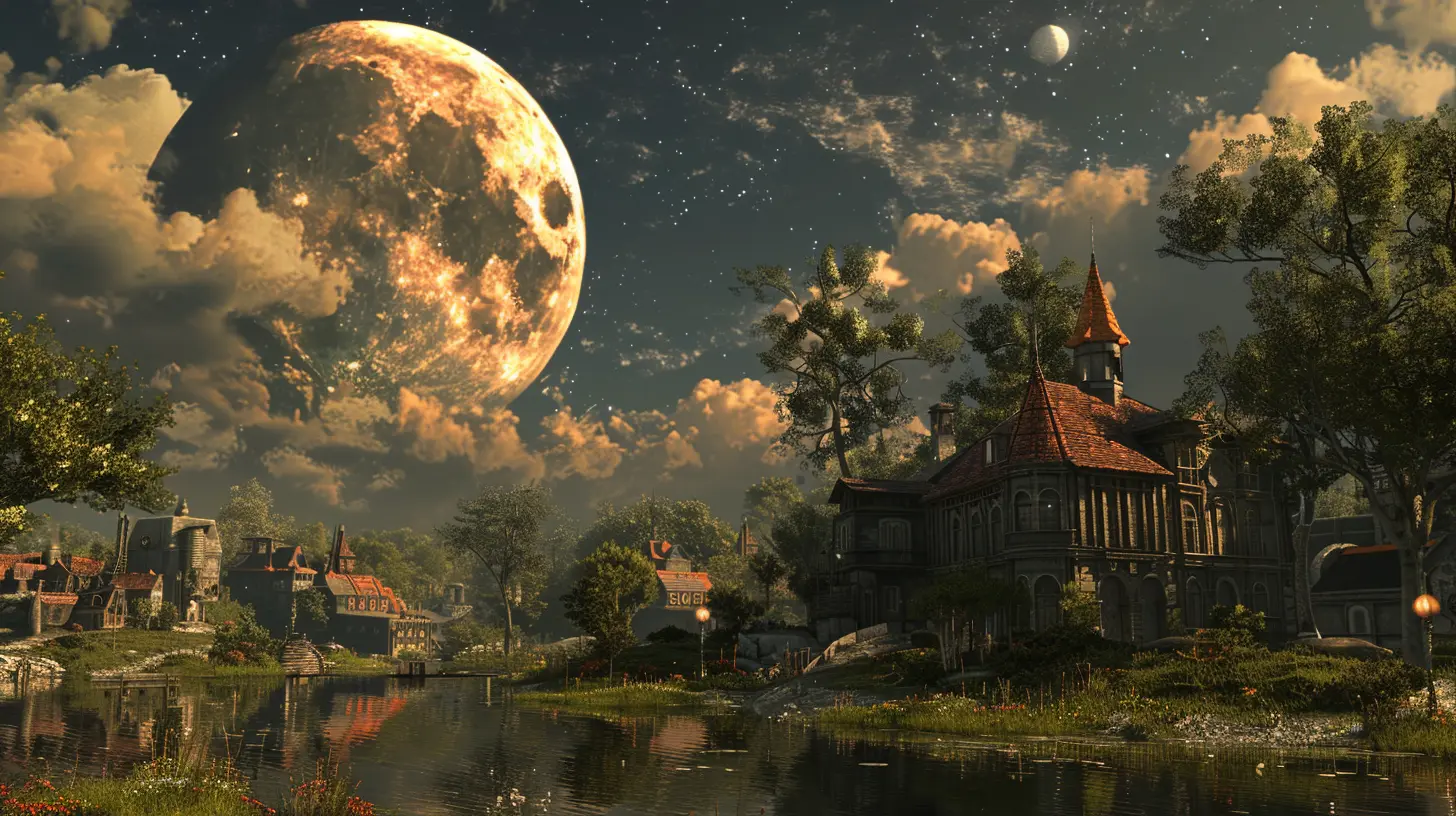
Safe Spaces for the Misfits (Spoiler: That’s Most of Us)
Let’s be honest: the physical world doesn’t always feel accepting. It's full of judgment, cliques, and rigid roles. But virtual spaces? There’s room for the misfits, the dreamers, the anxious, the loud, the weird, and everyone in between.These worlds don’t care about your skin color, gender, disability, or social status. They care about your actions, your communication, your creativity.
That’s why marginalized people often thrive in virtual spaces. They find solidarity and friendships that aren’t filtered through real-world prejudice. They find power in being seen for who they are — not what society says they should be.
Emotional Moments in Digital Pixels
Ever cried during a game? Don’t lie — we’ve all been there.Games like "The Last of Us," "Life Is Strange," or even certain arcs in “Final Fantasy XIV” trigger genuine emotional responses. And when a friend logs off for the last time, or your squad disbands, it really does feel like a loss.
That’s because what we experience online isn’t fake. The relationships, struggles, and connections are real — just shaped through a digital lens.
Belonging isn’t tied to geography or even physical presence. It’s about feeling valued, accepted, and understood. And if you find that in a game, even if just for a few hours a day, it’s just as real as anything outside your screen.
The Role of Avatars: Our True Selves in Disguise?
Ever notice how people's avatars rarely look like them?That’s not an accident. It’s intentional. Avatars are extensions of our personalities, hopes, and ideals. Sometimes, they reflect our inner confidence — or help us build it. Other times, they’re shields, letting us interact without fear.
An avatar isn’t just a costume. It’s a signal.
It says, “This is who I am — or who I want to be." And when others embrace that version of you? That’s the heart of belonging.
When Competition Turns Into Camaraderie
PvP games are chaotic. But somehow, between the trash talk and clutch headshots, real bonds form.Think about it — going through high-stress, high-reward situations together creates trust. You start learning each other's game styles, rhythms, even moods just by voice tone or reaction times. That kind of connection? It’s special.
Even if you're just playing side-by-side in a MOBA or helping each other survive a zombie apocalypse for the hundredth time, you're building trust. That trust becomes friendship. That friendship becomes a reason to keep logging in.
Cross-Border Friendships That Change Your World
One of the coolest things about virtual belonging is how it shatters borders.You connect across time zones and time zones morph into time spent laughing, learning, and growing together. You pick up bits of different languages, cultures, and perspectives. You're no longer just a gamer from Ohio or Brazil. You're part of an international crew.
That feels bigger than any one game.
These friendships challenge your worldview and make you appreciate differences. It's one thing to read about another culture — but it's something else entirely to have someone from that culture covering your six in a Battle Royale match.
The Flip Side: Fragility of Virtual Belonging
Okay, let's not sugarcoat it — virtual worlds aren't always sunshine and lootboxes.They can be toxic. They can exclude people. And yes, sometimes the sense of belonging can vanish in an instant — a deleted account, a disbanded clan, or just people moving on.
Unlike real-world communities that fade slowly, online ones can disappear overnight. That sudden void? It stings.
But even that shows just how real those connections were. You wouldn’t feel the loss if they hadn’t meant something.
Virtual Worlds as Healing Spaces
You’d be surprised how many people say games saved their lives.For those dealing with anxiety, depression, or trauma, virtual worlds offer a safe escape — not to run from problems, but to cope, to breathe, to feel empowered again. Just having a place where your presence matters — even digitally — can be the difference between despair and hope.
Support groups bloom in online games. People check in: “Hey, you okay today?” That tiny act reminds you that your existence is noticed — you're not just pixels on a screen to someone.
Real-Life Impact of Virtual Belonging
Here’s the kicker — the relationships you form in virtual worlds often spill positively into your real life.You gain confidence.
You gain social skills.
Sometimes, you even gain lifelong friends or partners.
I've seen people meet in a game, fall in love, and get married (Minecraft weddings are a thing now). I've watched shy kids become charismatic YouTubers because a game gave them a space to believe in themselves.
The ripple effect is real.
Do We Need Real Life When We Have Virtual Belonging?
Now, I’m not saying ditch the outside world. We still need fresh air and face-to-face connections. But maybe — just maybe — virtual belonging is no less valid. It’s not a “lesser” form of connection. It's just different. And for many of us, maybe even better.Why?
Because it comes from choice.
From shared stories.
From laughing over glitched animations and staying up till 3 AM for one more match.
It comes from community — something so many of us are starving for, both offline and on.
Final Thoughts: Where You Belong, You Thrive
So, what does it mean to belong in a virtual world?It means feeling accepted, heard, and valued — regardless of how you look, what you believe, or where you live. It means building places and people who make you feel safe and seen.
And whether you're slaying dragons, farming turnips, or queuing for your 300th Overwatch match, that feeling? That’s real. It matters. And it’s why so many of us keep logging in, day after day.
Because sometimes, the best version of ourselves isn’t found out there — but right here, behind the screen, in a pixelated world where we finally feel at home.
all images in this post were generated using AI tools
Category:
Gaming CommunitiesAuthor:

Luke Baker
Discussion
rate this article
1 comments
Sheena Russell
This article captures the essence of community in gaming. Belonging in a virtual world fosters connection and understanding, creating safe spaces where players can express themselves, build friendships, and experience shared adventures that resonate beyond the screen.
August 1, 2026 at 2:34 AM
Luke Baker
Thank you for your thoughtful comment. I'm glad the article resonated with you and highlighted the importance of community in gaming. It's truly a powerful aspect of our shared experiences.