Uncovering the Ancient Civilizations in Fantasy RPGs
7 April 2026
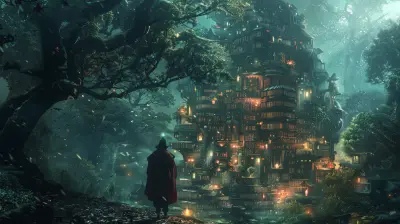
Ever booted up a fantasy RPG and found yourself more curious about the ruins than the main quest? Yeah, same here. There’s something magical about stumbling across a forgotten temple, an overgrown city swallowed by vines, or a cryptic mural carved into a cave wall. It’s like your character just walked into a history textbook...except that textbook is full of dragons, lost magic, and mysterious prophecies.
In this article, we’re diving into the ancient civilizations that breathe life into the fantasy RPG worlds we adore. We’re talking forgotten empires, lost technologies, mythic disasters, and more secrets than you can shake a wizard’s staff at. So grab your satchel, equip your torch, and let’s go treasure hunting through the digital past.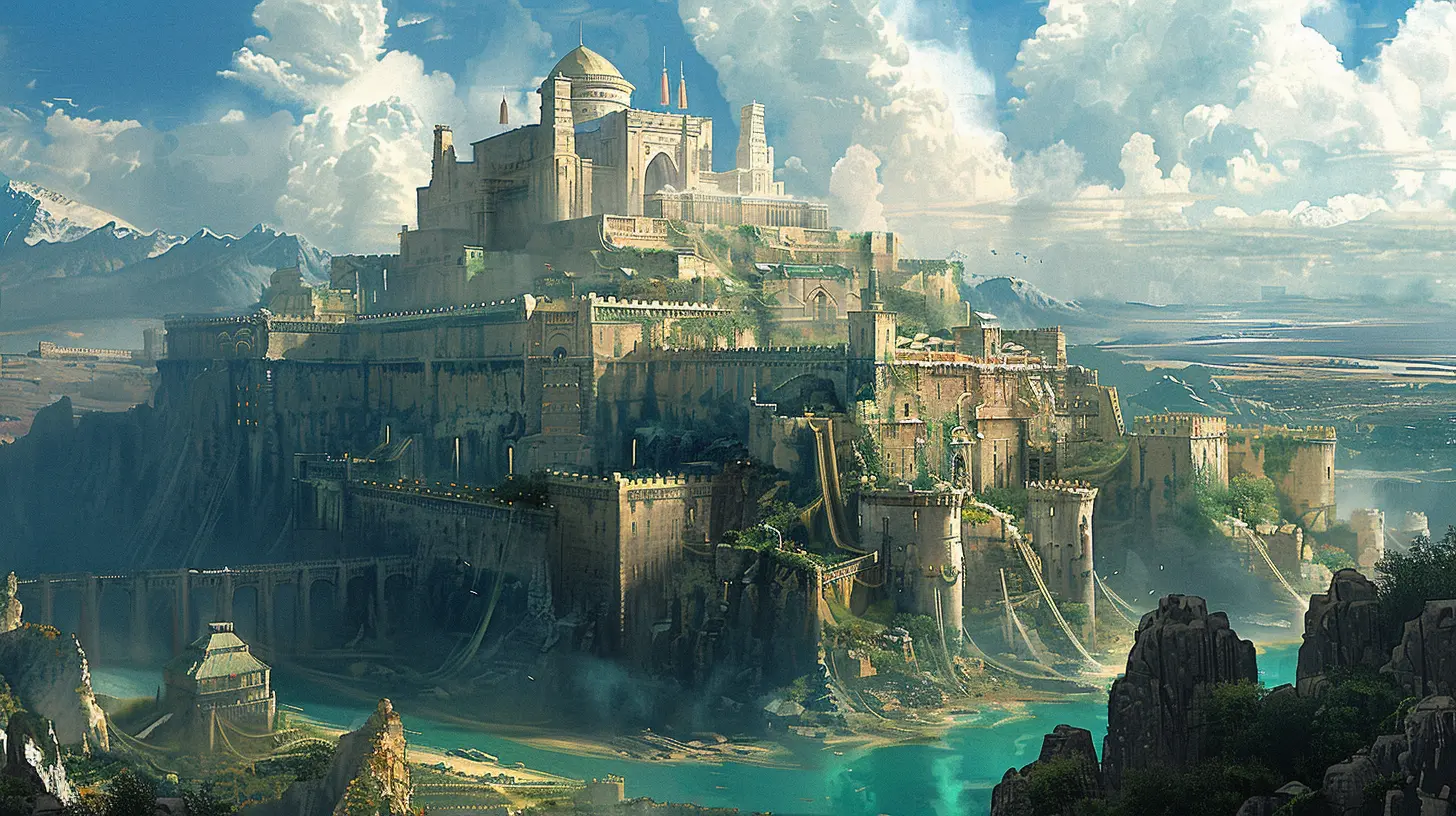
Why Ancient Civilizations Are Essential in Fantasy RPGs
Let’s face it—without some ruins to explore or a long-dead empire with a deadly curse to unravel, fantasy RPGs would feel a bit...flat. These ancient civilizations are the backbone of world-building. They add depth, mystery, and context to the world around your player character.You’re not just swinging swords at goblins for fun—you’re carrying on the legacy (or cleaning up the mess) of a bygone age. That’s some heavy lore right there.
Think about it: every half-buried city or bilingual stone tablet is a reminder that this game world existed long before you hit "New Game.”
It's like walking into Mordor and realizing—wait, someone built all this? Who were they? Where did they go? And what exactly were they summoning in that massive tower?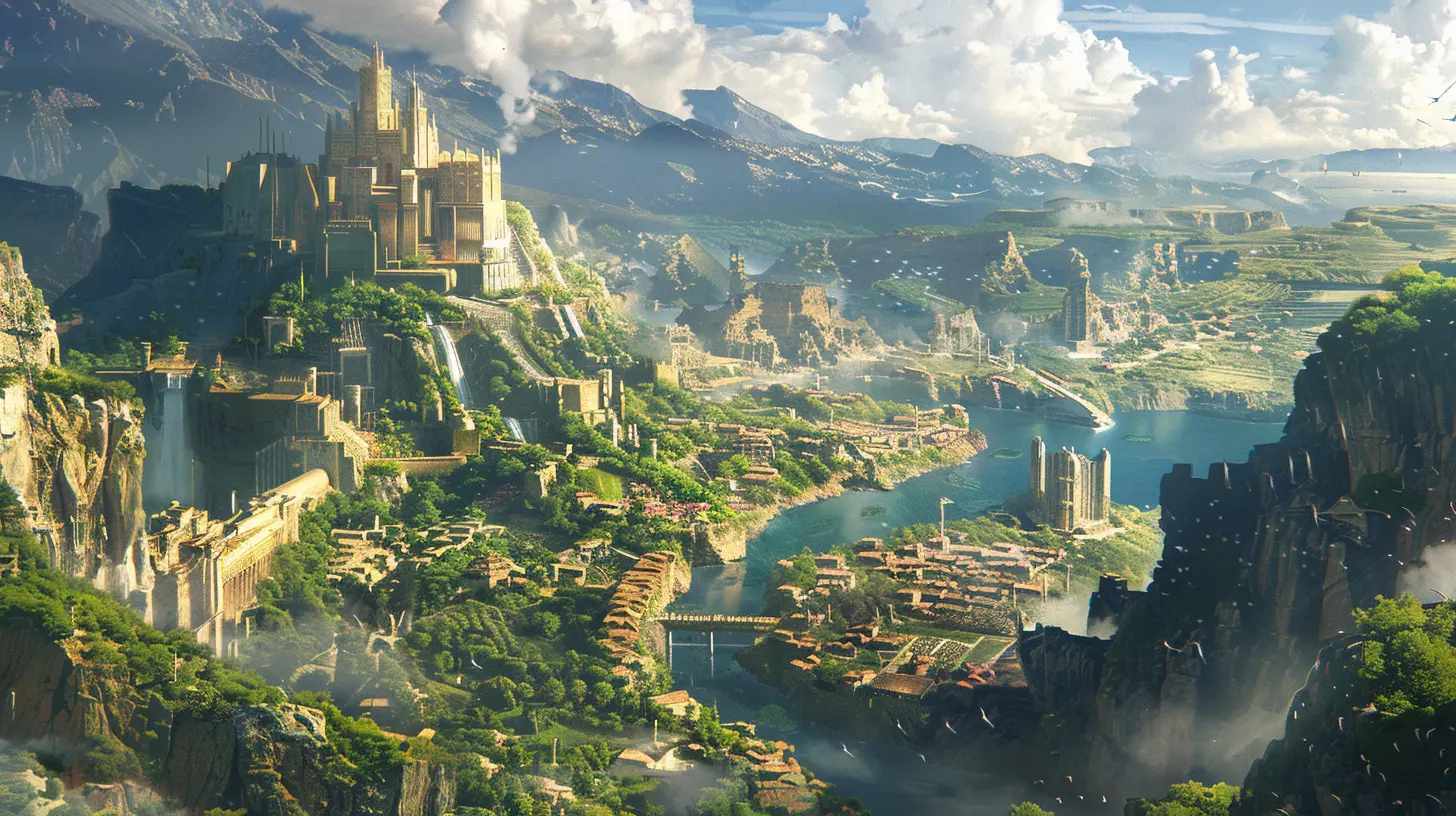
The Core Ingredients of a Great Ancient Civilization
So, what makes an in-game ancient civilization truly unforgettable? Most games don’t just throw in a few crumble-y walls and call it a day. Nope, there’s usually a full recipe:1. A Glorious But Flawed Legacy
We’re talking about once-great empires that reached impossible heights—maybe they invented teleportation or ruled the skies with airships—but they always fall. Why? Hubris, dark magic, internal strife, or maybe that one guy read from the cursed tome they weren’t supposed to. There’s always a twist.Look at the Dwemer from Elder Scrolls. Tech-savvy geniuses? For sure. But they literally vanished from the universe. Total ghosting.
2. Ruins That Tell a Story
Nothing shouts “ancient civilization” like a dungeon full of traps, relics, and broken statues. In great fantasy RPGs, these places whisper stories to you even if no one’s around to say a word.A collapsed bridge tells you about a battle. A scorched throne room? There was a rebellion. Skeletons found still holding hands? Poetic and tragic.
3. Artifacts That Matter
Let’s not forget legendary weapons and mystical trinkets. Ancient civilizations are treasure troves, literally. The loot isn't just shiny—it’s meaningful. Maybe your new sword once belonged to a forgotten king. Maybe that amulet holds the last trace of a shattered god. Every item is a piece of the puzzle.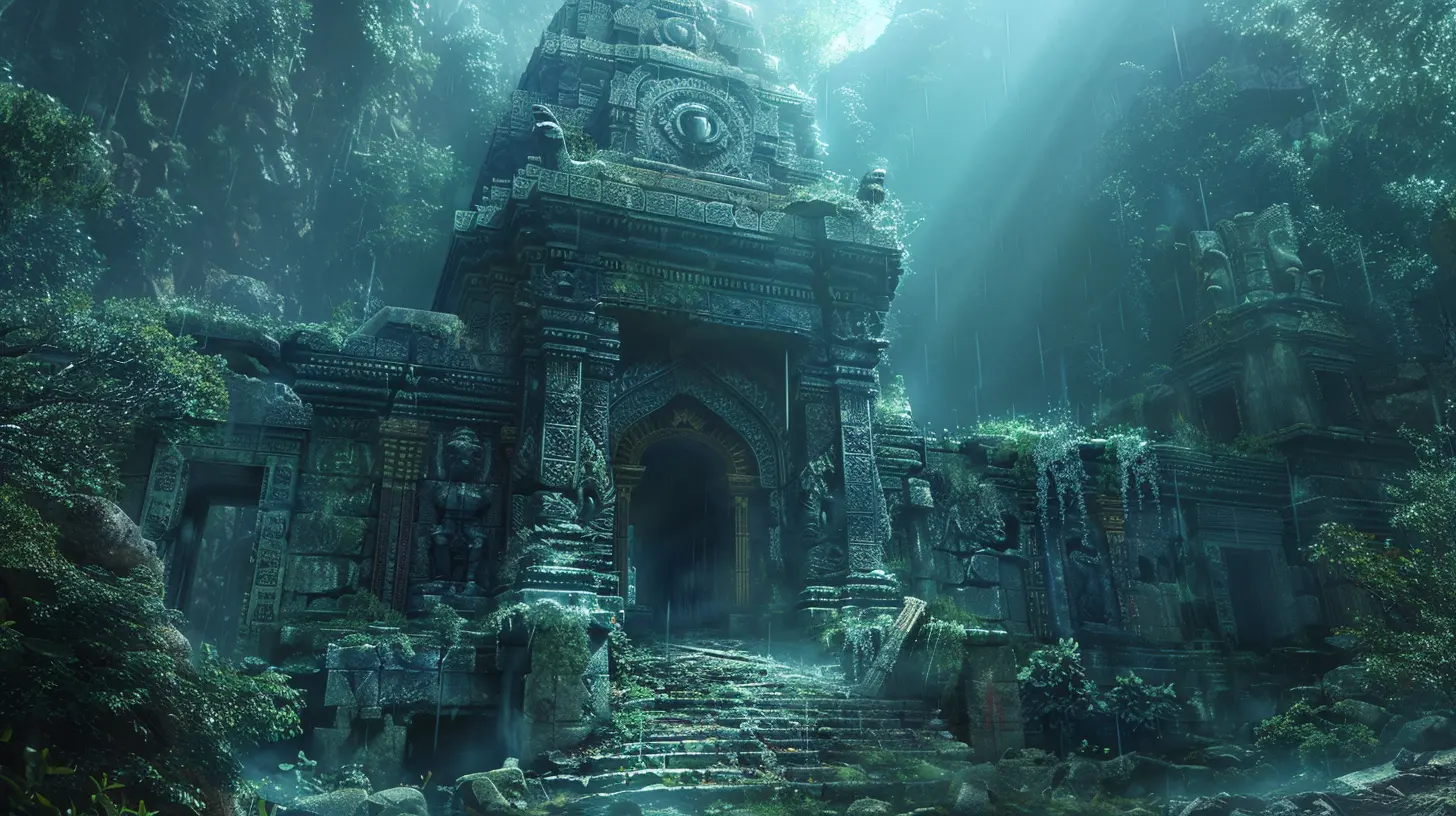
Iconic Ancient Civilizations in Fantasy RPGs
Let's geek out for a sec and spotlight some of the most memorable lost cultures we've seen in games. If you're a long-time RPG fan, these names will hit that nostalgic nerve like a crit to the soul.🛡️ The Dwemer – The Elder Scrolls
We already mentioned them, but they deserve their own headline. The Dwemer are arguably the poster kids for mysterious ancient races. Dwarves in name but not in size, they mastered steam-powered tech and built underground cities that still function centuries after they vanished. The big question remains: where the heck did they go? Still gives us chills.🔮 The Precursors – Dragon Age
Every time you explore the Deep Roads, you’re basically walking through the bones of a once-great civilization: the dwarven empire. But above that, there are whispers of the Elven gods, the Evanuris, and their mythical homeland of Arlathan. Time, betrayal, and magic turned paradise into myth.Also, the Tevinter Imperium, though still technically alive, is a shadow of its former self. What’s cooler than recovering magic from a fallen mageocracy where every spell comes with a side of moral decay?
🐍 The Isu – Assassin’s Creed Valhalla & Odyssey
Okay, technically not a fantasy RPG in the traditional sense, but Assassin’s Creed keeps dipping deeper into RPG waters. The Isu—an ancient race of godlike beings—are basically RPG gold. They built structures around the globe, genetically engineered humanity, and left behind temples full of puzzles and high-tech relics.If you’ve ever picked up a Piece of Eden and thought "this feels suspiciously powerful," that’s the Isu for you.
⚔️ The Old Ones – Horizon Zero Dawn
Again, this game leans sci-fi, but the way it frames the past? Pure fantasy RPG energy. The Old Ones were technologically advanced humans who basically created their own downfall. Now, tribal societies live among gigantic robotic animals, treating skyscrapers as ancient ruins. Doesn’t get more "ancient civilization" than that.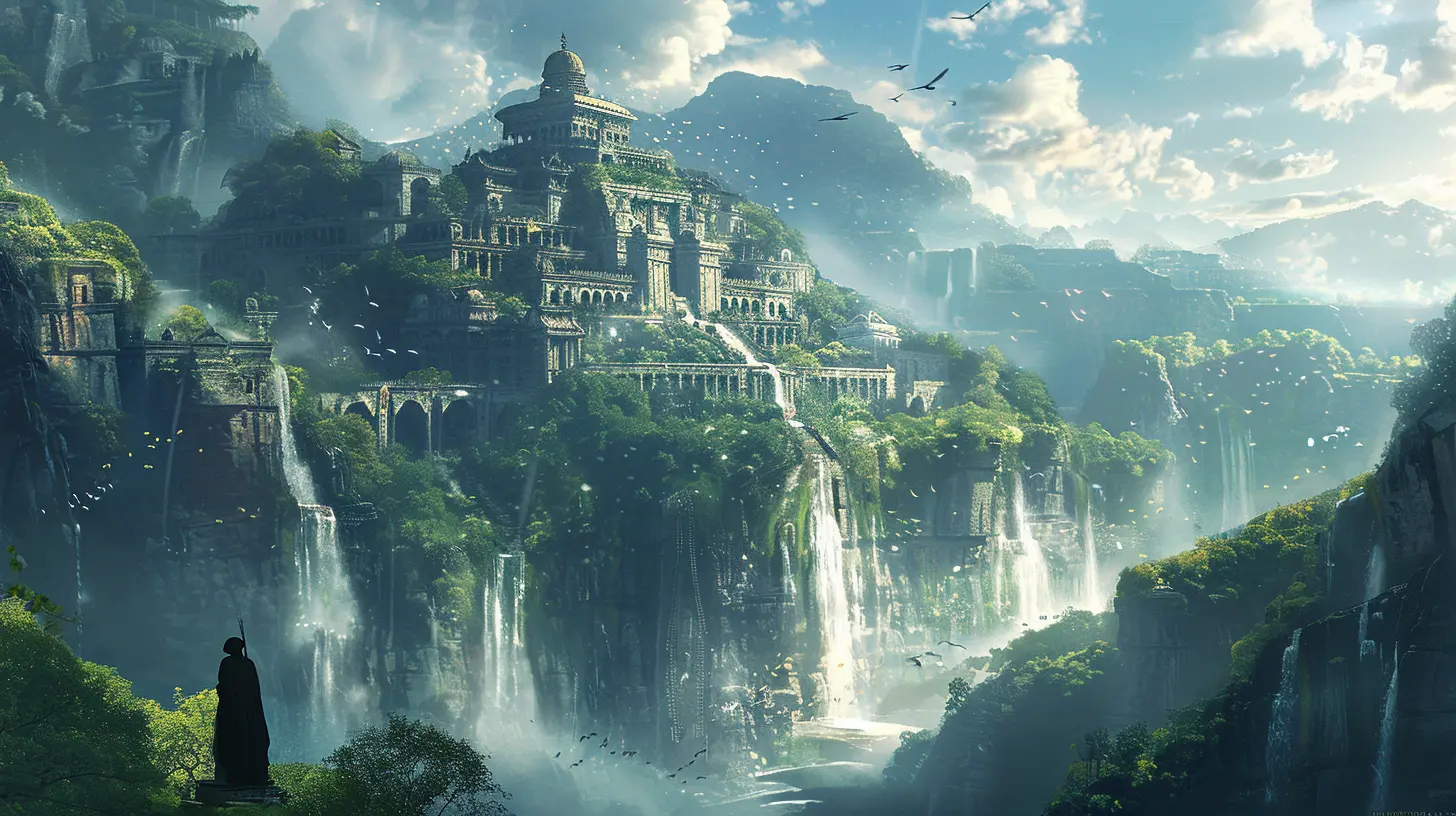
What These Civilizations Teach Us (In-Game and IRL)
Here’s what’s brilliant—on top of world-building and lore-dumping, ancient civilizations in RPGs often reflect real human themes. They serve as both a mirror and a warning.🌍 The Cycle of Rise and Fall
Powerful empires rise, then crumble. It’s a cycle we’ve seen throughout human history—from Rome to the Mayans. By mirroring this in fantasy, games anchor fictional worlds in something universally relatable.Ever notice how you find these underground cities filled with gold but no people? It’s like they’re reminding us: “Maybe don’t push that red button marked ‘World-Ending Spell.’”
🧠 Knowledge Without Wisdom
These ancient folks almost always had advanced tech or magic—but lacked the wisdom to use it well. Sound familiar?Whether it’s a megaspell gone wrong or AI that turned rogue (looking at you, Hades in Horizon), the message is clear: Knowledge is power, but unchecked power is a ticking time bomb.
How Game Designers Bring These Civilizations to Life
Making an ancient civilization feel, well, ancient, takes some serious craft. Developers don’t just slap on a few mossy textures and call it a day.Here’s how they pull it off:
🎨 Environmental Storytelling
Everything from architecture to lighting does the heavy lifting. Cracked walls, faded murals, and ambient sounds give off a sense of age and mystery. It's like visual archaeology.📜 Language and Inscriptions
Made-up alphabets, runes, and glyphs aren’t just eye candy. They draw players into the world. Ever spent way too long decoding a fantasy language for an achievement? Yeah, you’re not alone. That reward hits differently.🧩 Puzzles and Mechanisms
When you stumble across a 1,000-year-old door that still works better than your garage lock, that's peak fantasy. Ancient mechanisms in games remind us these people were smart—like “engineering degree in a dungeon” smart.Why We Keep Coming Back for More
So, why do we love poking around dusty catacombs and translating stone tablets? Easy. It taps into our primal sense of curiosity.Fantasy RPGs scratch that adventure itch. They let us be digital Indiana Joneses, piecing together lost histories and uncovering truths no one else knows. There's something profoundly satisfying about feeling like you’re the only one who understands what the world used to be.
Plus, let’s be real—fighting off ancient curses, grabbing loot, and unlocking game-changing secrets never gets old.
How to Spot an Ancient Civilization in Your Next RPG
Not sure if that dusty ruin is significant or just background fluff? Here’s a cheat sheet:- The architecture doesn’t match any current society.
- NPCs refer to them as “The Old Ones,” “The Firstborn,” or some other ominous title.
- There’s an annoying puzzle at every third door.
- You pick up artifacts with way too many passive buffs.
- Your character says, “This place gives me a bad feeling,” and then—boom—ghosts.
Final Thoughts: We’re All Digital Archaeologists
When RPGs give us ancient civilizations to uncover, they’re giving us something precious—context and continuity. They make the game world feel layered and real, with a past worth digging up.So next time you ignore the main objective to wander through a ruined city or decode a forgotten language... don’t feel guilty. You’re not procrastinating. You’re preserving digital history. (And maybe looting some epic gear while you're at it.)
Now go forth, brave adventurer. The past isn’t going to uncover itself.
all images in this post were generated using AI tools
Category:
Game LoreAuthor:

Luke Baker
Discussion
rate this article
2 comments
Lumen McCartney
What a fun dive into the rich worlds of fantasy RPGs! Ancient civilizations add such depth and excitement to our adventures. Let's keep exploring these magical realms together—who knows what hidden treasures and epic stories await us! Happy gaming!
April 17, 2026 at 3:02 PM
Luke Baker
Thanks for the enthusiasm! Ancient civilizations truly enhance our adventures. Excited to keep exploring these worlds together! Happy gaming to you too!
Ellie McDonald
Delving into ancient civilizations in fantasy RPGs is like unearthing a treasure trove of stories and lore! Each artifact hints at a rich tapestry of culture, not just gameplay mechanics. Who knew fighting dragons could also mean deciphering the past?
April 8, 2026 at 3:19 PM
Luke Baker
Absolutely! Exploring ancient civilizations in RPGs enriches the narrative, blending exciting gameplay with deep lore that breathes life into every adventure. Thank you for your insightful comment!