Time Travel and Alternate Realities in Game Lore
16 September 2026
Ever wanted to stop your past self from deleting your 100-hour save file? Or maybe jump dimensions to a timeline where you actually dodged that accidental grenade toss in CoD? Welcome to the mind-bending, brain-warping world of time travel and alternate realities in game lore—a place where logic takes a backseat, and paradoxes give you a high-five.
This isn't just sci-fi gibberish or some nerdy fantasy; it's become a full-blown storytelling mechanic in some of the most beloved games we know. So grab a snack, sit back, and prepare for a ride crazier than Doc Brown’s DeLorean on double espresso shots.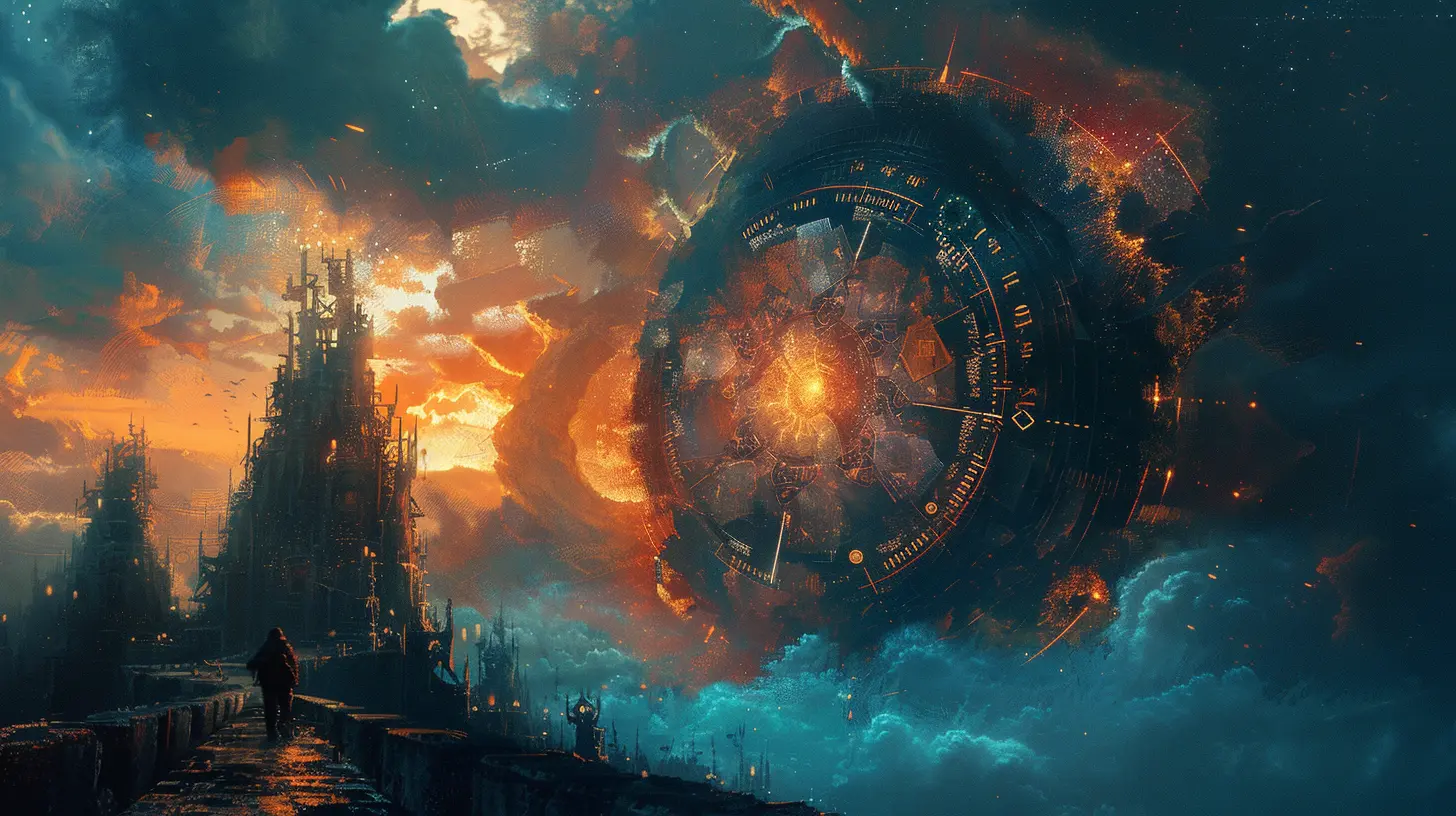
Wait, You Can Glitch Reality Now?
Yes, friend. Time travel and alternate realities aren’t just for philosophers and late-night Reddit debates anymore. Game developers have been diving headfirst into the quantum soup, cooking up narratives that twist, turn, and sometimes completely implode your understanding of “what just happened?”But why are these concepts so dang attractive in game lore?
- They allow devs to implement stories with high stakes and wild possibilities.
- They offer multiple outcomes, making replayability juicier than a loot drop on double XP weekend.
- They let players toy with reality like a cat with a laser pointer.
So, let’s break down the timeline into bite-sized chunks, shall we?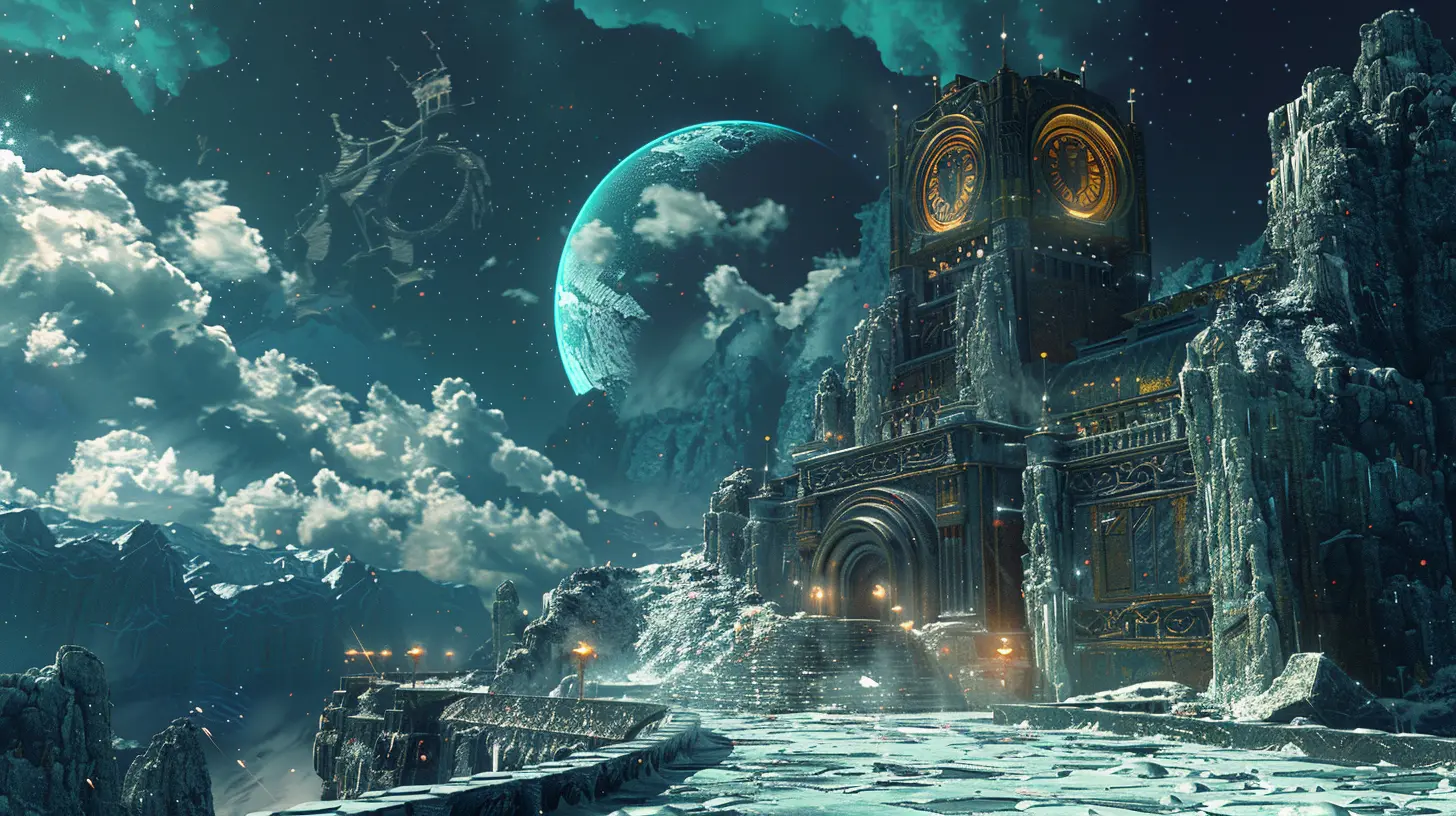
Time Travel: Gaming's Favorite Paradox Generator
What the Heck Is Time Travel in Games?
At its core, time travel in games lets you jump forward, backward, or even sideways in time. Sometimes you're fixing your mistakes (looking at you, Prince of Persia), other times you're messing stuff up even more (hello, Chrono Trigger). And occasionally, you're stuck in a loop that makes Groundhog Day look like a calm Thursday afternoon (hello again, Outer Wilds).Famous Time-Hopping Titles That Bent Our Brains
Let’s pay tribute to the games that gave us major “wait, what?” moments:⏳ Chrono Trigger (1995)
The OG time travel RPG that let you jump across millennia to stop an apocalyptic space porcupine named Lavos. Yeah, you read that right.? The Legend of Zelda: Ocarina of Time
Link ages like fine wine—from innocent child to full-blown adult with a sword bigger than his own body—all in one cartridge.? Life is Strange
Butterfly effect on steroids. Every small choice can trigger a reality-shattering consequence. It’s like playing instead of therapy.? Outer Wilds
You die. The sun explodes. You wake up. Rinse and repeat. It’s a cosmic escape room with an existential twist.These games take the time travel trope and dunk it in creativity, giving us stories that are just as rewarding as they are confusing.
Alternate Realities: Gaming’s Version of “What If…”
Sliding Doors, But Make It Pixelated
Alternate realities are the “Choose Your Own Adventure” books of the gaming world. One button press, and suddenly you’re in a timeline where cats rule the world and pineapples are outlawed. Okay, maybe not that extreme (yet), but you get my drift.They raise the stakes. They give you multiple playthroughs. They make you feel like a cosmic puppet master with access to the multiverse.
Game Lore That Jumps Timelines Like a Pro
? Bioshock Infinite
"There's always a lighthouse, there's always a man, there's always a city." And there's always your brain melting. This game throws you through alternate realities faster than Booker can reload a shotgun.?️ The Elder Scrolls Series
This bad boy shoves dragon souls, time travel scrolls, and pocket universes into one massive fantasy burrito and dares you to eat it. The Elder Scrolls are literally magic documents that can mess with the fabric of time!? The Legend of Zelda: Majora’s Mask
Technically time travel, but the multiple endings and parallel timelines make it feel like Zelda stumbled into the multiverse. And don't even get me started on that terrifying moon face.? The Stanley Parable
You want alternate realities? This game’s got more endings than a telenovela. Every decision peels back another layer of the narrative onion, and yes, there will be tears… of laughter and confusion.
Timey-Wimey Mechanics: Blessing or Brain Paint?
Why Does Game Lore Love This Stuff?
Simple. It gives lore depth. Instead of telling a linear story, time travel and alternate realities let devs say, “But what if…?” and then throw spaghetti at the storytelling wall to see what sticks.- Want multiple endings? Got it.
- Want a villain who’s you, from the future? Let’s go.
- Want to fix your mistakes, then realize fixing them was the mistake? Welcome to the loop, buddy!
These tropes give players a sense of agency and consequence. They make us feel like our choices matter—even when they don’t (looking at you, illusion-of-choice games).
The Butterfly Effect, Chaos Theory, and That One NPC You Shouldn’t Have Saved
Remember that NPC you rescued three hours into a game who seemed totally irrelevant? Yeah, turns out saving him lets the villain escape in an alternate timeline, which leads to the apocalypse in another. Oopsie.That’s the butterfly effect in action: one tiny choice causes massive ripple effects. It’s like knocking over your drink and somehow causing a blackout three blocks away.
Game devs love using chaos theory and the butterfly effect to craft intricate, mind-bendy storylines. But be warned—your actions may come back to haunt you. In triplicate.
"Wait a Minute, Didn’t I Kill You Already?"
Dealing with Timeline Versions of the Same Character
Nothing’s more confusing (and exciting) than meeting yourself in a game. Alternate versions of characters often show up looking cooler, being more evil, or having made better life choices (jealous, much?).Think multiple Spider-Men in one game, but with swords, guns, and occasionally, cursed amulets.
These dopplegängers give us insight into what could’ve been and sometimes (ugh) make us question our entire playthrough. Could I have been… the villain? Cue melodramatic music.
When Time Travel Goes Off the Rails (And It Always Does)
Let’s face it—no time travel story ends without a few hiccups. Ever experience:- A paradox where you exist and don’t exist at the same time?
- Saving a character… who’s already dead in another timeline?
- Time travel logic so broken it makes plot holes look like the Grand Canyon?
Then congrats! You’ve experienced the joys of storytelling gone quantum.
But we love it. Why? Because it’s unpredictable. It keeps us on our toes. And honestly, who doesn’t want to feel like a fourth-dimensional being once in a while?
The Gamer’s Guide to Surviving Time and Space Shenanigans
Here’s a quick survival kit for navigating time travel and alternate reality chaos in gaming:1. Save Often: Because that innocent choice might unravel the space-time continuum.
2. Talk to Everyone: That weird old lady might actually be a time-traveling future version of your love interest.
3. Don’t Trust Mirrors: Especially the ones that talk back.
4. Look for Clocks: If a game keeps shoving time-themed imagery in your face, take the hint.
5. Embrace the Confusion: You won’t catch everything on the first playthrough. And that’s okay.
Why We Keep Coming Back for More
So why do we keep falling headfirst into narrative rabbit holes filled with paradoxes, alternate realities, and characters who can’t seem to stay dead?Simple: It’s FUN.
Time travel and alternate realities add flavor, depth, and chaos to stories that might otherwise feel stale. They give us something to talk about, argue over, and obsessively Google at 2 a.m.
They’re the ultimate “what if” machines. And in a medium as interactive as gaming, that’s pure narrative gold.
Final Thoughts: Channel Your Inner Time Lord
Whether it’s rewinding time to undo a mistake, or jumping through parallel dimensions to save the world(s), games have mastered the art of bending reality to tell amazing, brain-busting stories.And let’s be honest: wouldn’t you rather hop timelines than grind for one more blue-tier item?
So the next time a game throws you into a cosmic loop or reveals that everything you knew is a lie in another dimension—just smile, buckle up, and yell out your best “Time travel!” in your most dramatic voice. Trust me, it helps.
all images in this post were generated using AI tools
Category:
Game LoreAuthor:

Luke Baker