The Secret Histories Behind Iconic Video Game Worlds
7 August 2026
Ever wondered what lies beneath the surface of your favorite video game worlds? I’m not just talking about hidden levels or secret achievements. I mean the real secrets—the inspiration, the behind-the-scenes drama, the tiny details developers poured into these universes while we were too busy fighting dragons or shooting zombies.
Video game worlds are more than just pixels and code. They’re living, breathing places shaped by history, culture, and often a dash of madness from their creators. Pull up a chair, gamer! We’re going to take a deep dive into the secret histories behind some of the most iconic video game worlds ever created.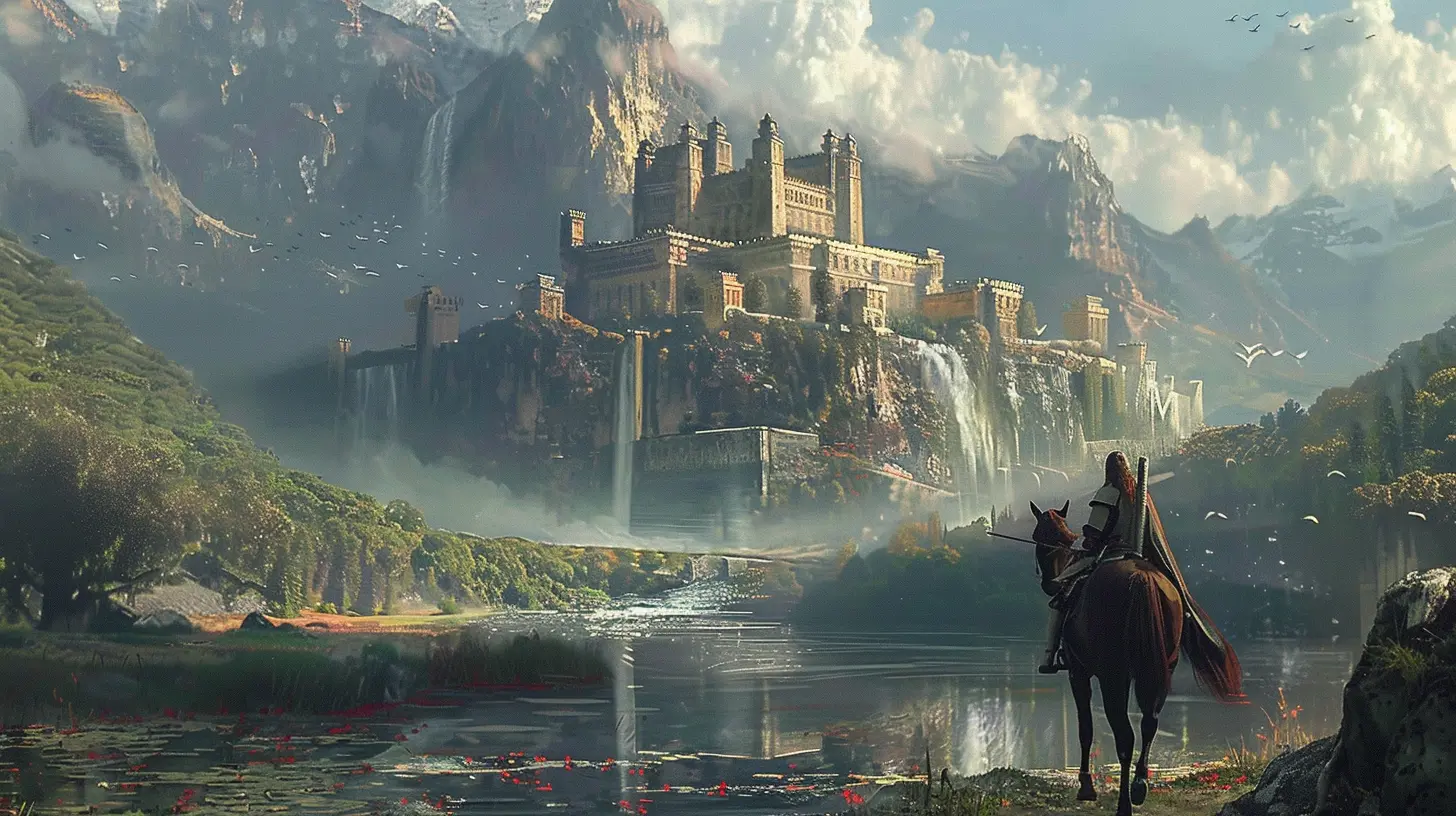
Hyrule – More Than Just a Fairy Tale Kingdom
When you think of The Legend of Zelda, maybe you picture green tunics, magical swords, and a princess needing saving (again). But Hyrule isn’t just fantasy fluff—it’s a complex world blended with Japanese mythology, medieval Europe, and a philosophical undertone that most players overlook.The Real-World Myths Behind Hyrule
Take the Triforce, for example. At first glance, it might just look like a cool golden symbol. But it’s inspired by the "Mitsubishi crest," a Japanese emblem made of three diamond shapes. It represents power, wisdom, and courage—core tenets of Shinto belief and Bushidō philosophy.The Master Sword? It’s basically a reimagined version of Excalibur. And if you dig into Ocarina of Time—arguably the most iconic Zelda title—you’ll find themes of time travel, fate, and religious symbolism all hidden beneath its whimsical design.
Flip the Map, Change the Meaning
Here’s a fun nugget of trivia: some fans believe Hyrule’s map layout is a flipped and stylized version of Japan itself. Think that’s a wild theory? Maybe. But considering Nintendo’s roots and how closely Japanese culture weaves into so many Zelda games, it might not be so far-fetched after all.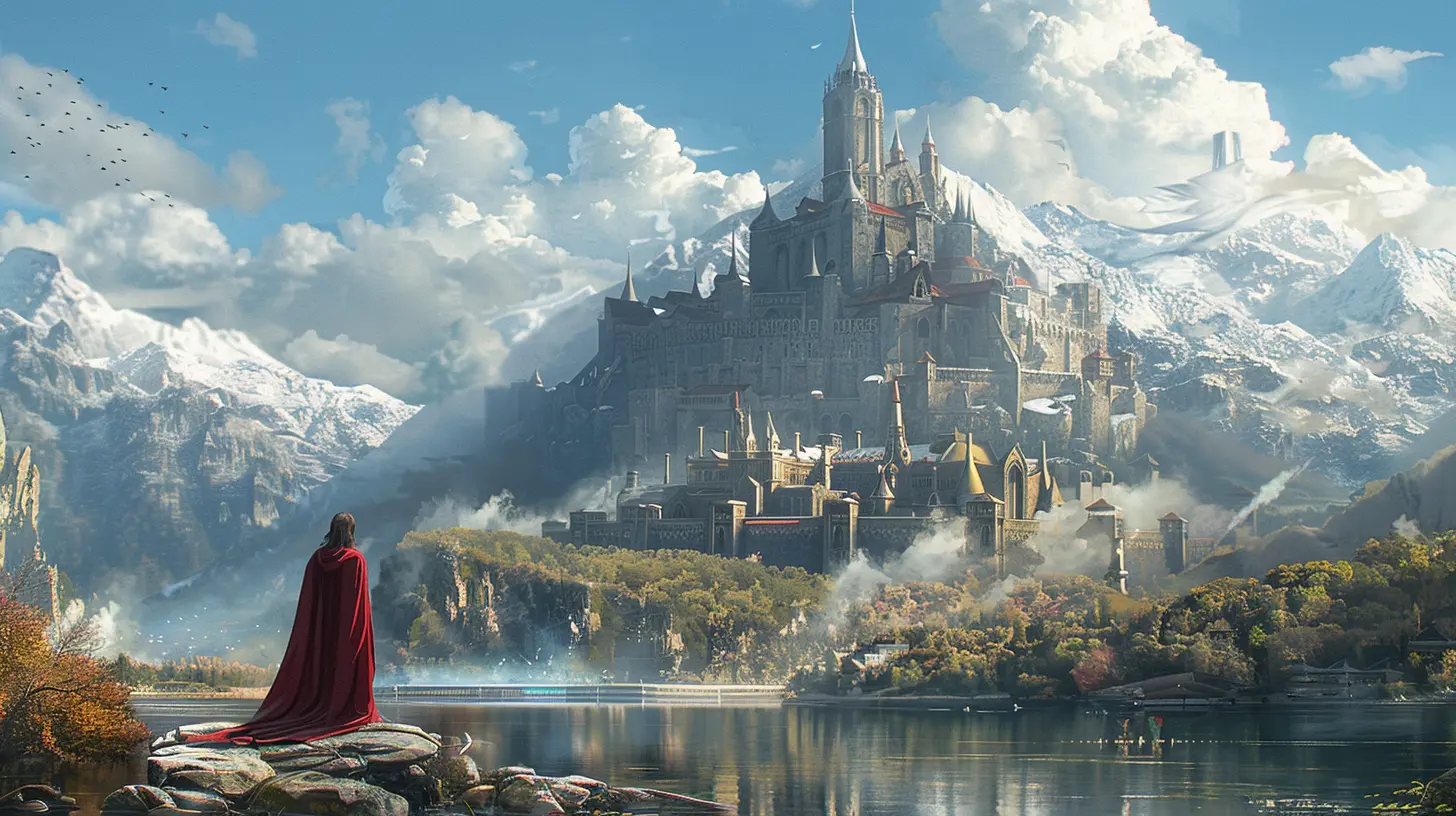
Rapture – A Utopia Built on a Nightmare
Ah, Rapture. The underwater city from BioShock that gave us chills, thrills, and unforgettable characters like Andrew Ryan and Subject Delta. But did you know that Rapture was inspired heavily by real-world philosophies and some seriously dark historical concepts?Ayn Rand, Art Deco, and Objectivism Galore
Ken Levine, BioShock’s creator, pulled a lot from Ayn Rand’s objectivist philosophy when designing Rapture. Andrew Ryan, the city’s founder, is basically a fictional cousin of Rand herself. Rapture was meant to be a utopia free from government and religion—but yeah, that didn’t turn out so well, did it?The grandeur of the city’s Art Deco architecture? Straight out of 1940s New York. It’s haunting, bold, and gives the perfect backdrop for the game’s themes of greed, control, and playing God.
The Hidden Truth Behind Splicers
Those creepy enemies you fight—Splicers—aren’t just there to scare you. They’re symbolic of addiction and the consequences of tampering with human nature. The Plasmids that give you powers? Think of them like performance enhancers gone horribly wrong.Everything in Rapture is a cautionary tale wrapped in twisted beauty.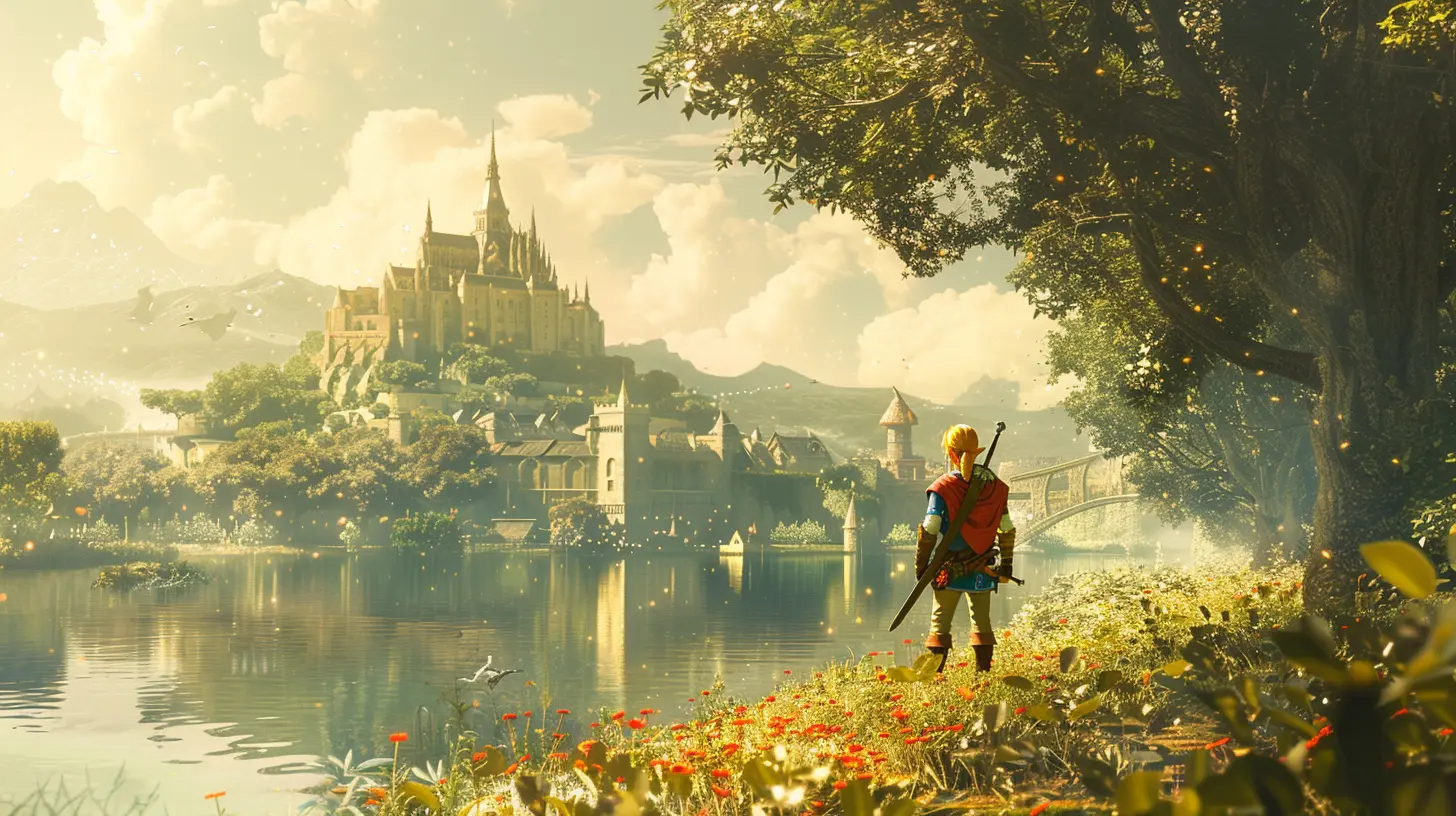
Tamriel – A Fictional World With Real Historical Roots
If you've spent even ten minutes in the world of The Elder Scrolls, you know how massive and detailed Tamriel is. Skyrim might be the most famous, but the entire continent pulls richly from real-world ancient civilizations.The Nordic Influence of Skyrim
Skyrim feels like a tribute to Viking lore. The Nords are based on Norse warriors, and everything from the dragon shouts to the mead halls screams Scandinavia. Even the snowy landscapes bear a resemblance to northern Europe’s mountainous regions.Imperials, Akaviri, and the Roman Empire
Now hop over to Cyrodiil, home of the Imperials in Oblivion. Their architecture? Straight-up Roman. Their armor? Roman legion. Their politics? Yep, you guessed it—modeled after the Roman Senate.Bethesda didn’t just make up Tamriel—they borrowed, twisted, and layered it with history and mythology to give it life.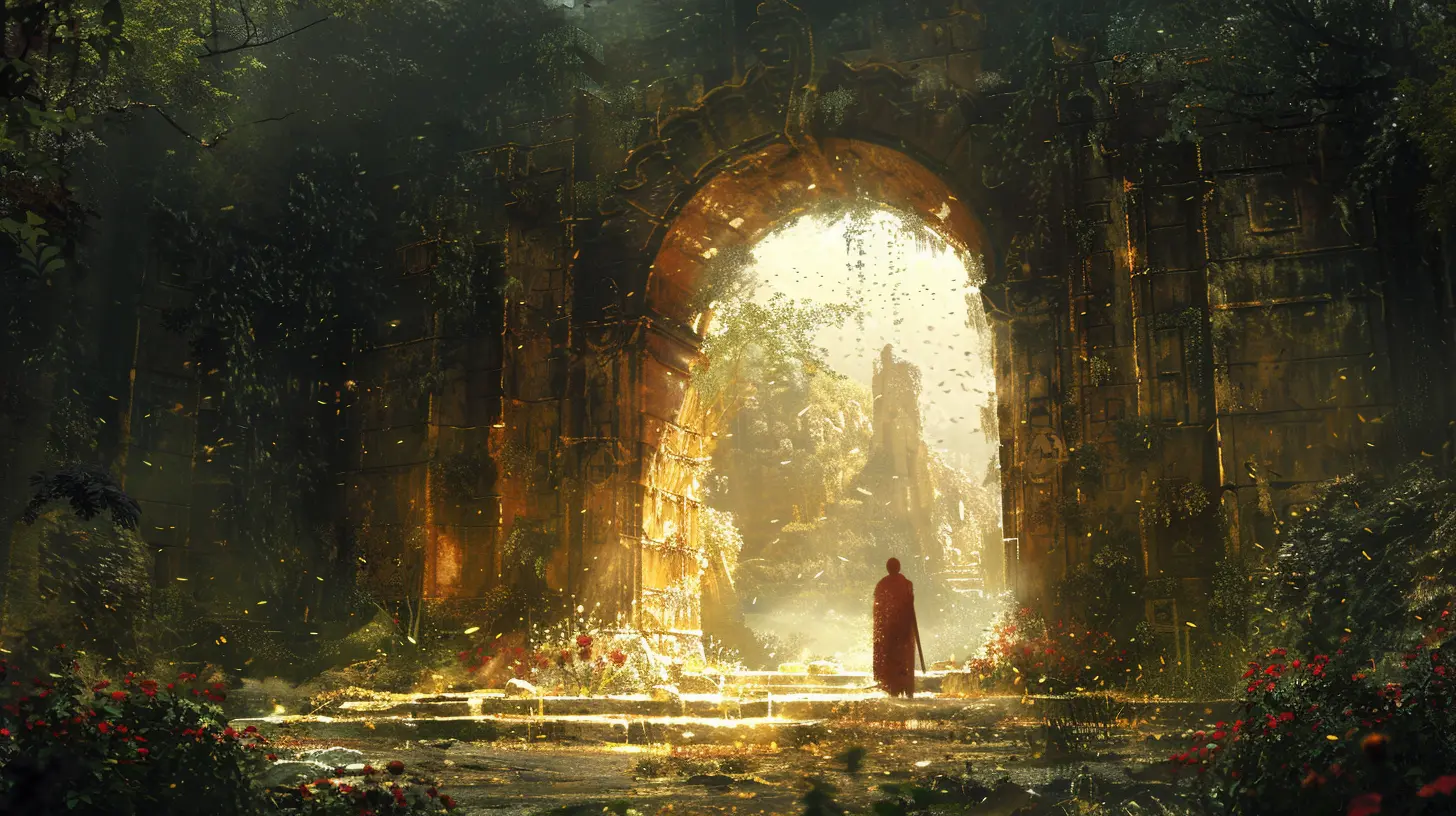
Mushroom Kingdom – More Than Just Mushrooms and Goombas
It's easy to label the Mushroom Kingdom as cute and cartoony. But did you know the world of Mario has some serious backstory and bizarre design choices rooted in Japanese culture and arcade history?Japanese Folklore and World War II References
Let's start with Bowser. That spiky turtle-lizard King? Inspired by a Japanese mythological creature called a “Kappa,” known to live in rivers and have a shell. Even those cute little Goombas? Their name in Japanese is “Kuribo,” loosely meaning “chestnut person,” an odd mix of folklore and whimsy.And those flagpoles at the end of each level? They resemble victory flags used in WWII. It's wild to think this cute, colorful world has shadows of such serious history behind its design.
The Real Reason Behind Mario's Design
Here’s a secret: Mario looks the way he does because of hardware limitations. His hat? Easier to animate than hair. Big mustache? Easier to draw than a mouth.Sometimes necessity is the mother of invention—and in Mario’s case, it led to one of the most iconic characters and worlds in history.
Silent Hill – The Town That’s Too Real
You probably know Silent Hill as the foggy, terrifying town full of monsters and psychological trauma. But what if I told you—it was inspired by a real place?Centralia, Pennsylvania: The Real Silent Hill
There’s a little ghost town in Pennsylvania called Centralia, and it’s been burning under the surface—for decades. An underground coal mine fire started in the 1960s and it’s still going. The cracked roads, smoke rising from the ground, and evacuated homes? Straight out of Silent Hill.The developers at Konami didn’t just imagine a creepy town—they took inspiration from the real world and dialed up the horror.
Monsters That Mirror the Mind
Silent Hill’s monsters aren’t just for show. They often represent the protagonist’s trauma and guilt. Pyramid Head, for example, isn’t just a scary dude with a big blade—he’s a symbol of punishment and repressed desires. That’s some deep storytelling wrapped in nightmare fuel.Midgar – A City with Industrial Grit and Environmental Warnings
Final Fantasy VII set the gold standard for RPGs. And Midgar? That city wasn’t just a cool cyberpunk hub; it was a warning wrapped in storytelling.The Industrial Revolution Reborn
Midgar is a fusion of both Tokyo and New York, covered in smog and powered by the lifeblood of the planet. Sounds familiar? That’s basically a metaphor for modern industrialization and environmental exploitation. The Shinra Electric Power Company sucks energy from the planet’s core, and the planet literally fights back.Talk about being ahead of its time.
Class Divide in Every Layer
Ever notice how the upper-class folks in the game literally live above the poor? That’s no accident. Midgar’s design mirrors real-world class struggles, especially in cities where economic disparity is visually evident.Final Fantasy VII wasn’t just about saving the world—it was about understanding what’s wrong with ours.
Conclusion: Video Game Worlds Are Crafted From Real Passion and Deep Inspiration
When we power up our consoles or PCs, we see stunning graphics, engaging stories, and challenging gameplay. But behind all that? There’s a treasure trove of real-world influence, hidden meanings, and artistic genius. Whether it's ancient mythologies in Hyrule or capitalist warnings in Rapture, these worlds are more than backdrops—they’re reflections of our own.So next time you enter an iconic game world, look a little closer. The secrets are there. You just have to find them.
all images in this post were generated using AI tools
Category:
Game LoreAuthor:

Luke Baker
Discussion
rate this article
1 comments
Dolores Diaz
Game worlds reflect our dreams, fears, and the stories we tell.
August 7, 2026 at 2:19 AM
Luke Baker
Absolutely, game worlds are a powerful mirror of our inner worlds, shaping and reshaped by our collective experiences and narratives.