The Role of Forbidden Knowledge in Game Stories
1 September 2026
Let’s be real—something about "forbidden knowledge" just hits different. It’s like being told not to press the big red button... and suddenly, that’s all you want to do. Video games have been tapping into this psychological itch for years. Whether it's uncovering ancient secrets, forbidden spells, or hidden realms nobody should ever mess with, forbidden knowledge adds layers of intrigue, danger, and excitement to game narratives.
But why does it work so well? Why does the concept of knowing something you probably shouldn't create such compelling play experiences? Buckle up, because we're diving deep into the mysterious, shadowy world of secret lore, dark texts, and truths that maybe—just maybe—should’ve stayed buried.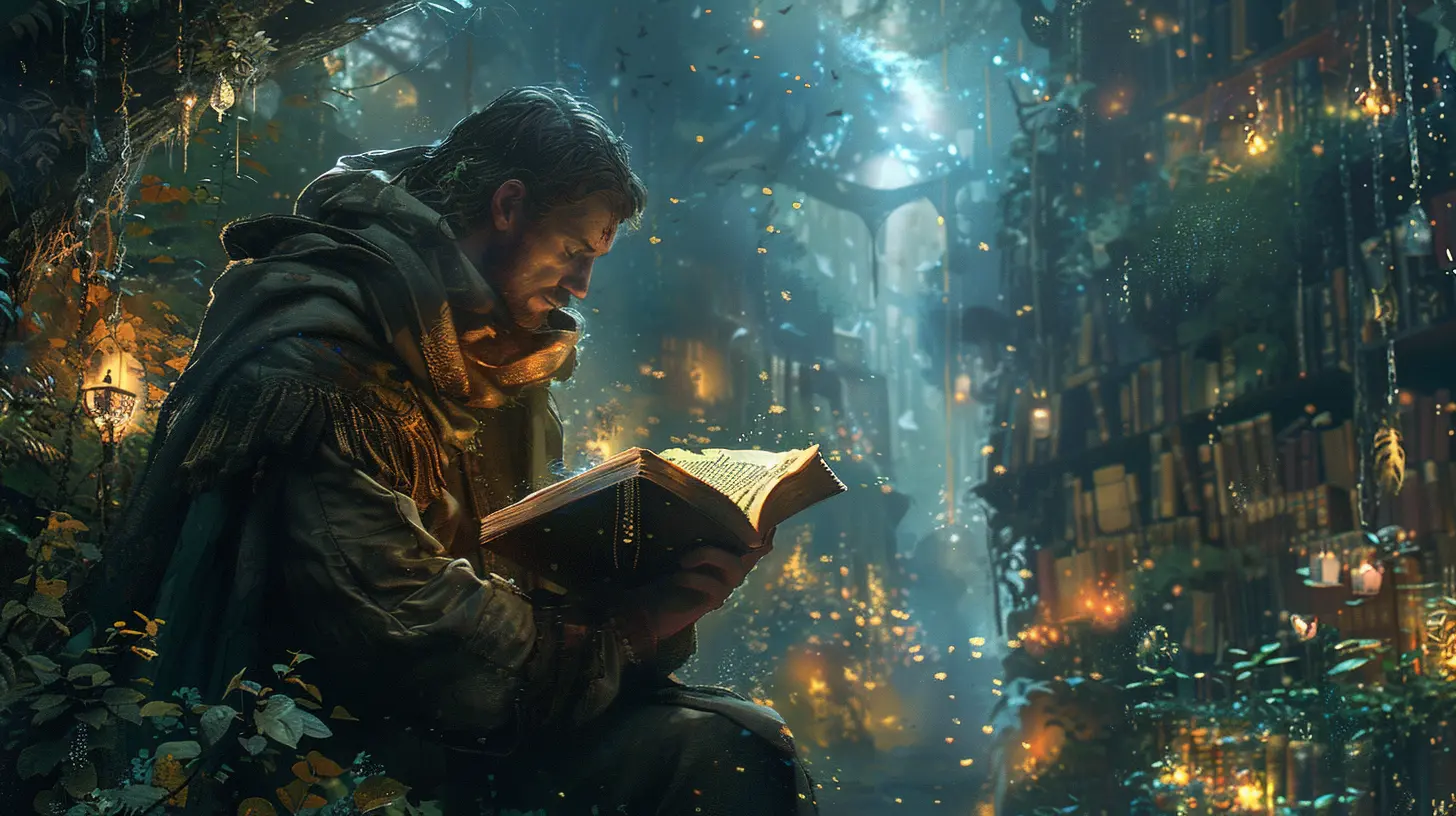
What Exactly Is Forbidden Knowledge?
Before we go further, let's break it down. Forbidden knowledge in games usually refers to information, powers, or truths that are hidden, taboo, or off-limits. It could be:- Dark magic that corrupts the user
- Ancient truths that alter your understanding of the world
- Secret factions doing things that defy morality
- Alien tech that warps time and space
- Or even just the real story behind a smiling NPC
This kind of knowledge is dangerous, not just because of what it reveals, but because of how it affects characters and gameplay.
It’s not a new concept either. Literature, movies, and religion have been using this trope for centuries (ever heard of Pandora’s Box? Or the Tree of Knowledge?). Games just took it to a whole new level by letting us interact with it instead of just reading about it.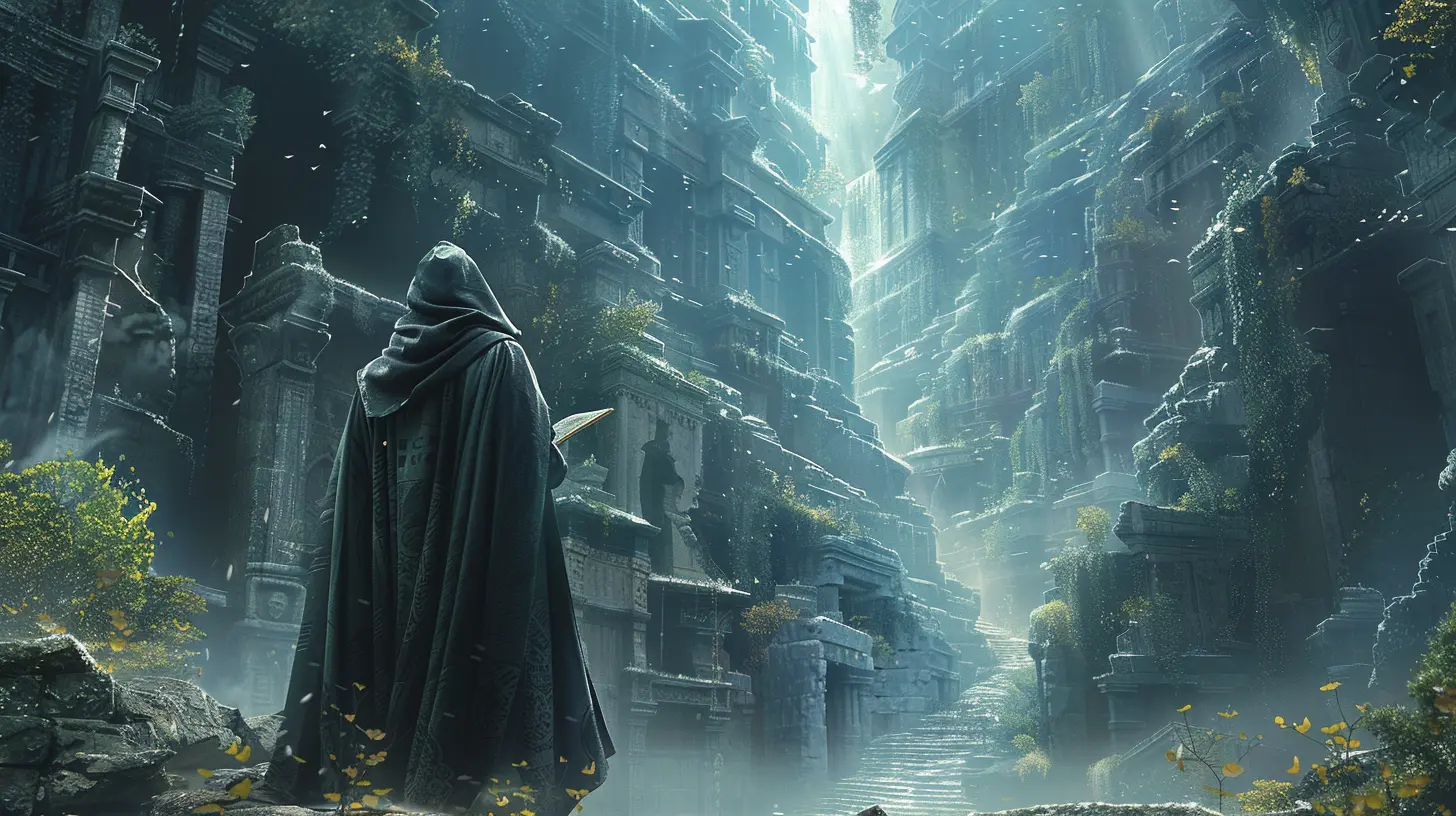
Why Forbidden Knowledge Makes Game Stories So Addictive
Ever notice how the more a game warns you not to find something, the more curious you get? That’s no accident. Games feed off our natural curiosity, and forbidden knowledge is like a breadcrumb trail leading to "what they don’t want you to know."Here’s why it works so well:
1. It Drives the Narrative Forward
Forbidden knowledge adds mystery, suspense, and stakes. By withholding the full truth, the game gives players a reason to keep pushing forward.Take the Souls series, for example. These games don’t handhold you through the story. Instead, you piece together clues, half-truths, and cryptic item descriptions. The full lore is buried deep—and honestly, it feels like the world wants you to stay ignorant. But that’s what makes it irresistible.
2. It Challenges Morality
Sometimes what you uncover isn’t just shocking—it’s morally gray. Maybe the sacred order is actually corrupt. Maybe the villain had a point, and you were the real monster all along. That ethical tightrope is classic forbidden knowledge territory.Think about The Elder Scrolls V: Skyrim. You might stumble across the Black Books of Hermaeus Mora—a Daedric prince of knowledge and memory. The books grant power, sure, but they also tie you to something ancient, dark, and way beyond your control. Do you use it for good, or do you spiral into madness?
3. It Empowers and Corrupts
In many games, tapping into forbidden knowledge gives you powerful abilities or game-changing insights. But there’s often a price. Your character might lose their humanity, make enemies, or suffer permanent effects.We see this again in Bloodborne, where knowing too much literally alters your reality. Your Insight stat means you can see things your character wasn’t meant to—like eldritch gods lurking in plain sight. The higher your insight, the more you see… and the more unsettling everything becomes.
Knowledge is power, but in many games, it’s also a curse.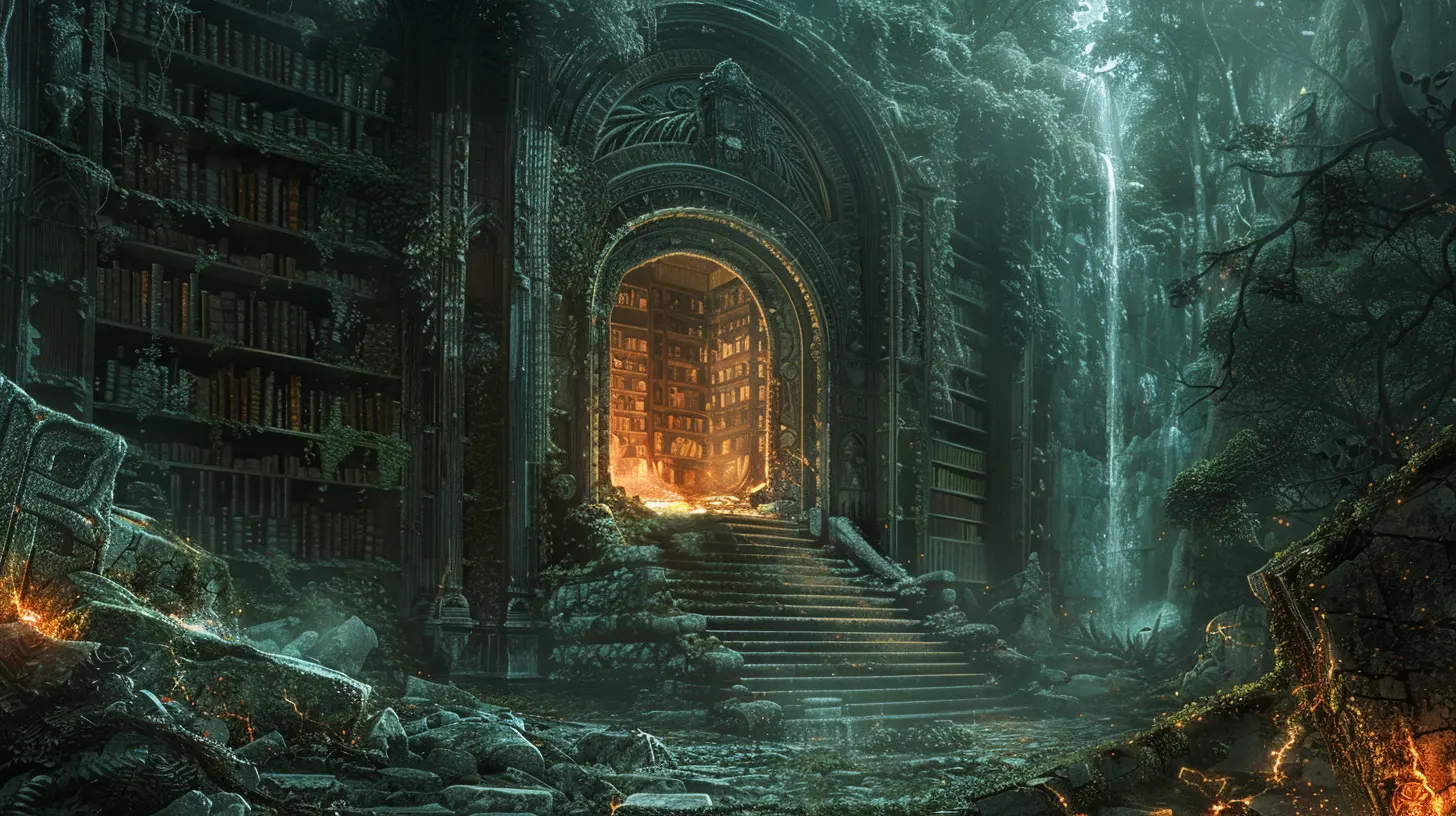
Popular Games That Live and Breathe Forbidden Knowledge
Let’s talk examples. Some games practically build their entire identity around hidden lore and secrets. Here's a look at a few standouts that absolutely nailed this concept.Bloodborne – Madness Through The Mind’s Eye
Bloodborne isn’t just dripping with horror vibes—it dives headfirst into cosmic horror. The idea is simple: there are ancient beings and forgotten truths that humanity wasn’t meant to understand. And yet, you’re smack in the middle of it all. The more you learn, the more terrifying your world becomes.The game doesn’t shout the story at you. Instead, you dig through cryptic clues, eerie NPC dialogue, and twisted environments. It’s brilliant storytelling without spoon-feeding the player.
Dark Souls Series – Truth Hidden in the Shadows
Dark Souls thrives on ambiguity. The age of fire, the gods, the First Flame—it’s all soaked in secrecy. Players are never quite told what's really going on. Instead, you’re left to interpret item descriptions, hints in environments, and vague conversations. The beauty here is that you can play through several times and still be unsure about what’s true.The idea that even the protagonist may be just another cog in the endless cycle adds layers of existential dread. That’s forbidden knowledge at its finest.
BioShock – “Would You Kindly?”
Now here’s a plot twist that hits different. In BioShock, you uncover that your character has been mind-controlled all along, through a simple phrase—”Would you kindly?”Talk about forbidden knowledge. This revelation flips everything on its head. Suddenly, all your choices weren’t really yours. The illusion of control shatters, and you begin questioning everything. Narratively, it’s game-changing.
Amnesia: The Dark Descent – Knowledge You Regret Having
In Amnesia, your character literally chooses to forget horrible truths. As you piece together your past, you learn that you were involved in some truly awful experiments. The horror isn’t just in the monsters chasing you—it’s in the knowledge itself.Sometimes, you were better off not knowing.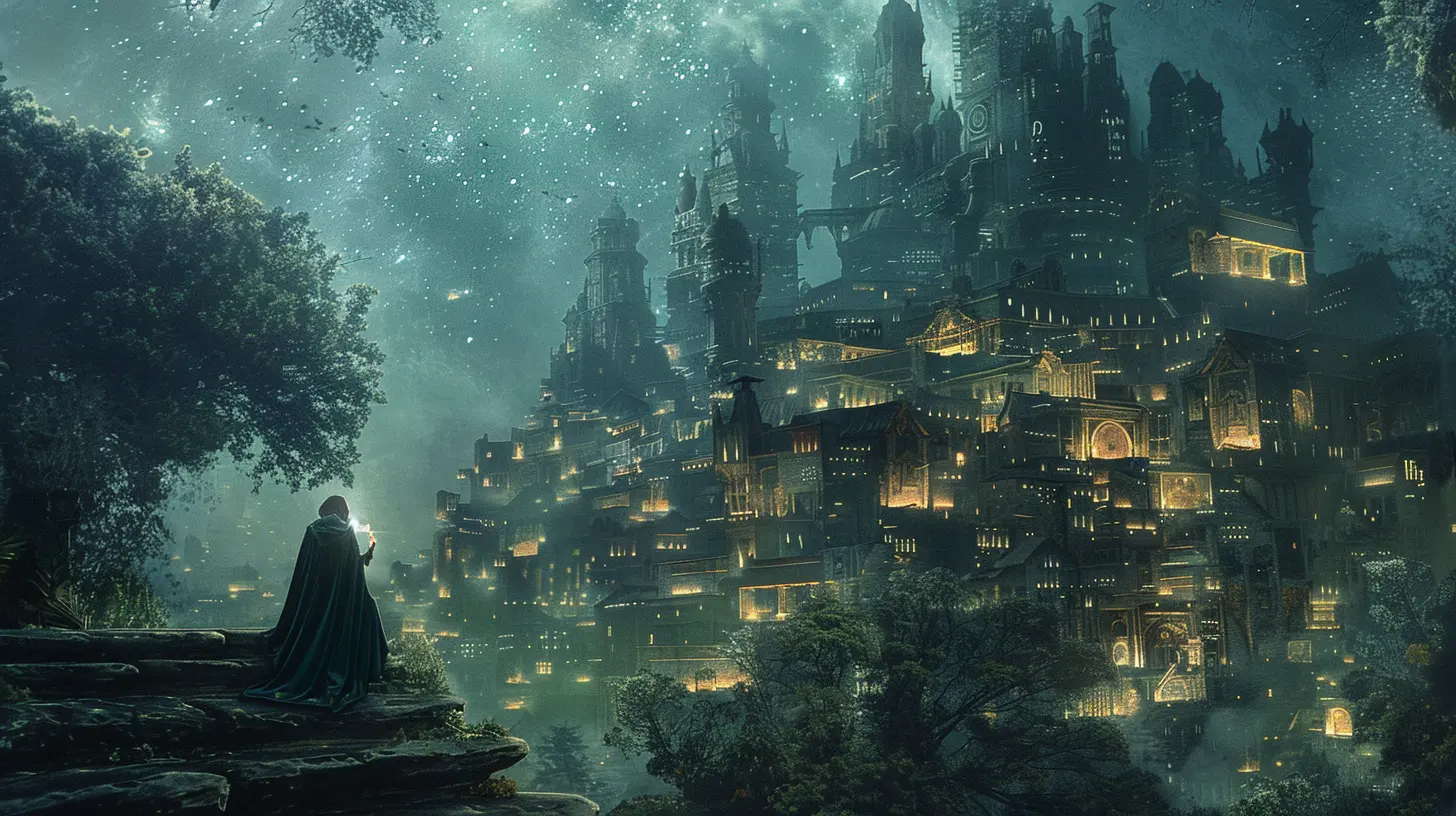
Forbidden Knowledge as A Gameplay Mechanic
This trope doesn’t just impact the story—it often twists the gameplay itself.1. Unlocking New Skills or Abilities
In RPGs or action games, finding restricted knowledge can unlock new skill trees or powerful gear. But there's often a price. Maybe those powers attract enemies, or maybe they change your ending.In Dragon Age: Inquisition, for example, choosing to delve into forbidden blood magic can make you stronger—but your companions might start to mistrust you. It’s a trade-off. Power versus acceptance.
2. Changing the World State
Games like NieR: Automata slowly leak out soul-crushing truths that alter your understanding of the world. As you replay from different perspectives, you gain knowledge that recontextualizes everything. It's mind-bending and makes you question your every move.Similarly, in Returnal, every cycle teaches you more about the protagonist’s trauma. The deeper you go, the more knowledge you gain—but also the more the world breaks down around you.
3. Multiple Endings Based on What You Know
Some games offer different endings based on how much you've uncovered. In games like The Witcher 3, your choices—and the knowledge you gain—affect who lives, who dies, and the state of the world.In Undertale, learning the meta-narrative (like the existence of multiple timelines or save mechanics) alters how you approach the game entirely. It’s like breaking the fourth wall with a hammer.
The Player’s Role as a Seeker of Truth
Here’s a fun thought: forbidden knowledge doesn’t just affect the characters—it affects you, the player.You become an investigator, a detective spelunking through layers of cryptic lore. It’s not just about beating the final boss anymore. It’s about peeling back the game’s secrets one whispered clue at a time.
This active storytelling makes the experience more personal. You don’t just learn the story—you decide how much of the truth you can handle. And once you know it, you can’t un-know it.
Why We Love It (Even When It Creeps Us Out)
At the end of the day, forbidden knowledge taps into something primal. We’re curious creatures. The more we’re told “don’t look,” the more we want to peek behind the curtain.Games that lean into this make us feel clever, engaged, and a little uneasy—in a good way. They remind us that truth isn’t always shiny and clean. Sometimes, it’s murky, painful, and dangerous.
But it’s also where the best stories live.
Final Thoughts
Forbidden knowledge is like narrative jet fuel—it pushes game stories into bold, unforgettable territory. Whether it’s uncovering a twisted past, diving headfirst into ancient secrets, or making choices that shake the game world, this theme resonates deeply with players.It forces us to question everything: our actions, our morals, and even the very world we thought we understood. And while some truths are dangerous, it’s the journey to uncover them that keeps us playing.
So next time a game hints at something "better left alone," ask yourself: Are you brave (or foolish) enough to find out?
You probably are. And that’s what makes it so much fun.
all images in this post were generated using AI tools
Category:
Game LoreAuthor:

Luke Baker
Discussion
rate this article
1 comments
Anika McCarron
This article captures the essence of forbidden knowledge perfectly. It's fascinating how secrets drive narratives and shape characters in games. Exploring these hidden truths can lead to profound moments and unexpected choices. I appreciate how you highlighted the intricate balance between curiosity and danger that makes these stories so engaging... great read!
September 2, 2026 at 4:50 PM
Luke Baker
Thank you! I'm glad you enjoyed it. The interplay of curiosity and danger really does create some of the most memorable experiences in games.