The Rise of Customizable Characters in Gaming
31 July 2026
Video games have come a long, long way since the good ol’ days of pixelated plumbers and static sprites. One of the most exciting—and frankly, most personal—evolutions in gaming today? Customizable characters. It’s not just about picking a blue hat or a red shirt anymore. Players now have the tools to shape everything from facial scars to backstories, and that freedom has completely changed how we play.
Let’s dig deep into how and why this shift happened, why it matters, and where it’s all heading.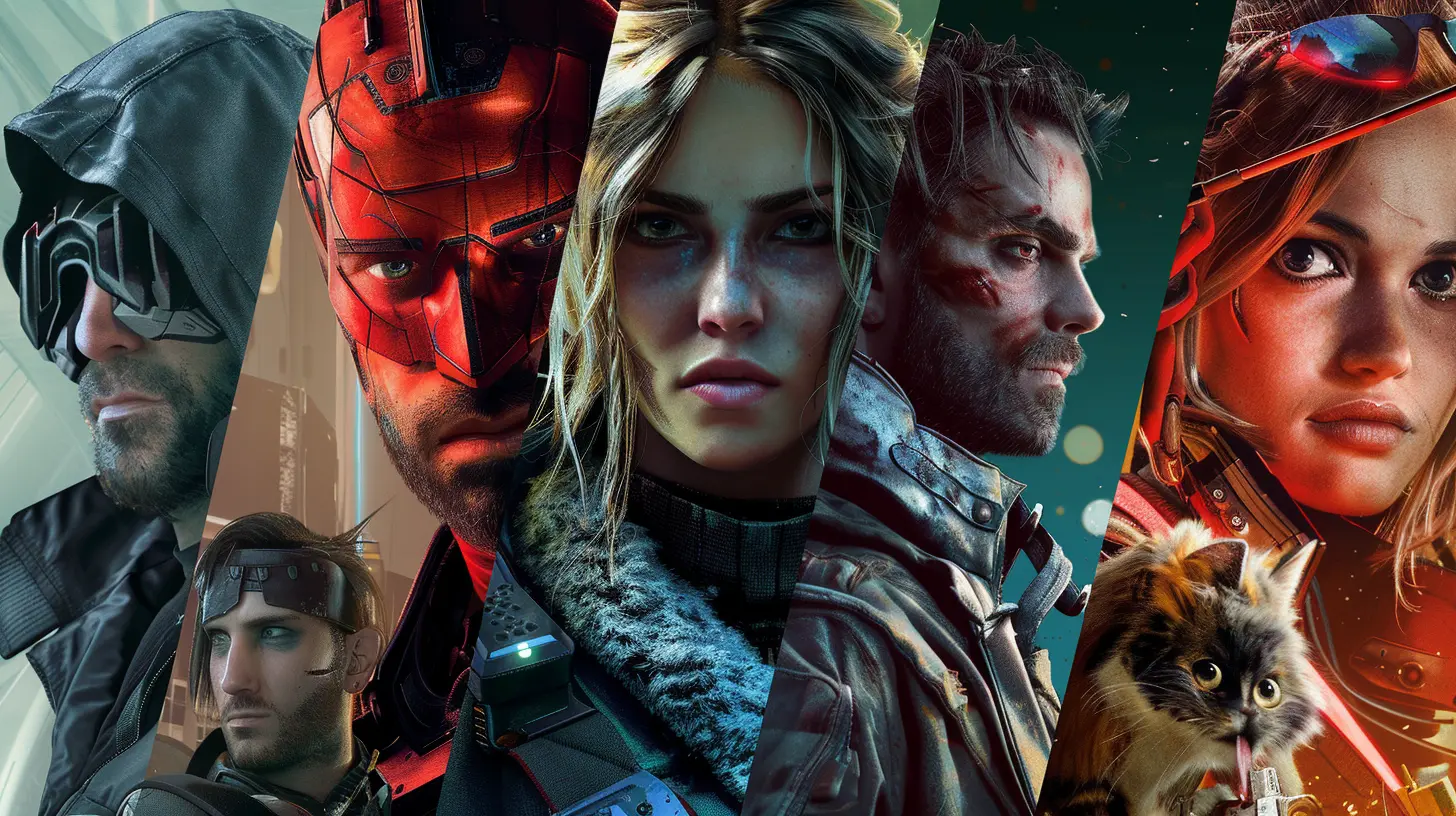
The Humble Beginnings: Remember When Options Were Limited?
If you’ve been gaming since the early 2000s (or even before that), you probably remember what we used to think of as "character customization." It usually meant choosing between a few pre-set characters or outfits. Maybe, if you were lucky, you could name your hero something dumb just for laughs (come on, we’ve all named a character “Poopface” at least once).Games like early Pokémon titles, Super Mario, or even Sonic gave you zero room to express yourself through your character. You were along for the ride in someone else’s shoes... and you had to be cool with that.
But times? They’ve changed.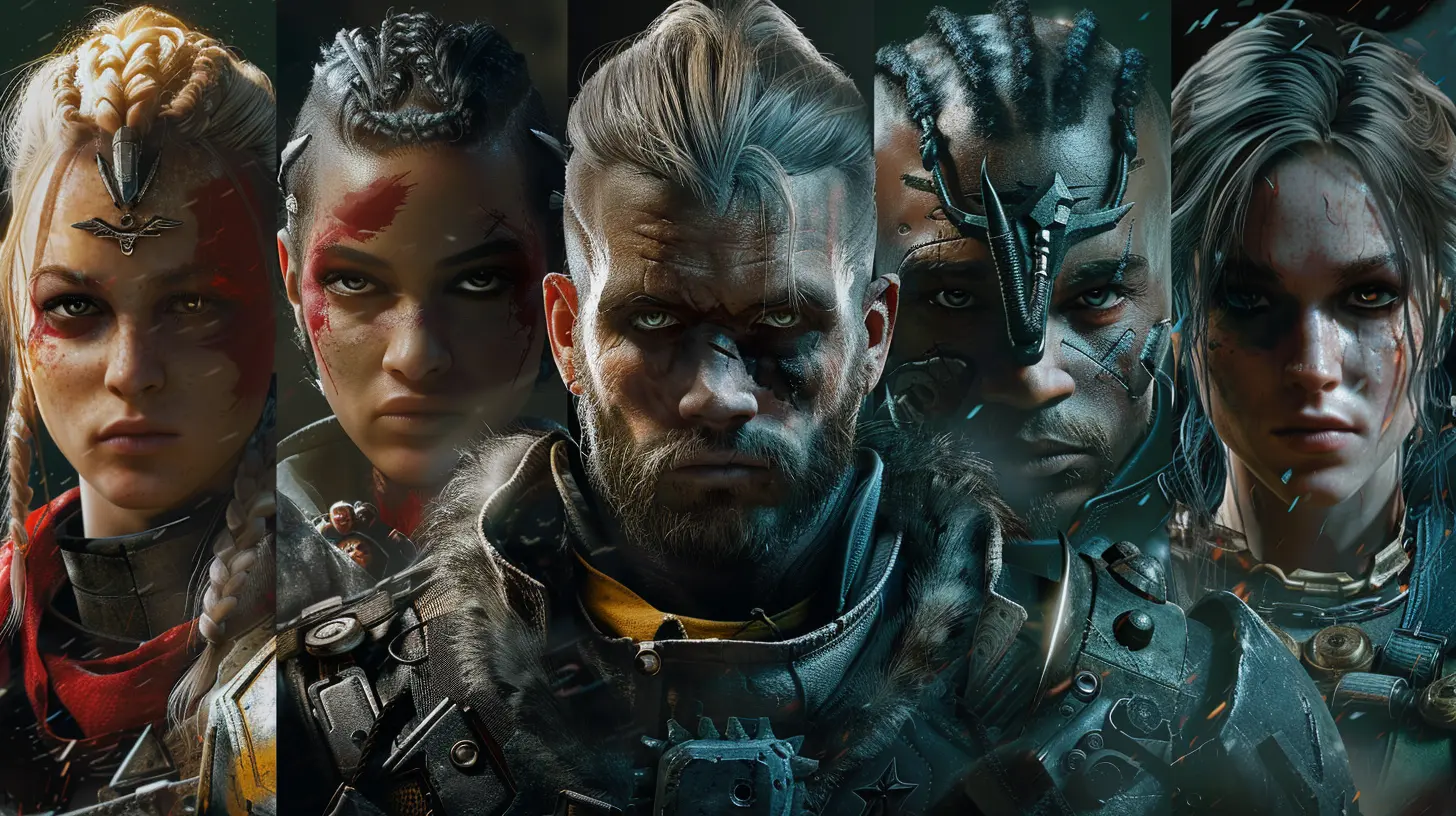
Why The Shift Toward Customization?
So what triggered this transformation? A bunch of things, honestly.1. Players Want to Be Themselves (Literally)
Whether you're a knight, alien, wizard, or a post-apocalyptic scavenger, it's way more fun when the character feels like an extension of you. We live in a world where identity matters—a lot. Gamers want their in-game avatars to reflect how they see themselves (or sometimes who they wish they could be). Customization brings a whole new layer of immersion.2. Inclusivity and Representation
Let’s get real—gaming hasn't always been an inclusive space. Thankfully, that’s changing. Developers have (finally) started to realize that players come from every background imaginable. Customization means people can see themselves in games, whether that’s through skin tone, gender identity, hairstyles, body types, or cultural heritage.Games like The Sims, Cyberpunk 2077, and even Animal Crossing are making strides in offering more inclusive options. That’s not just good PR—it’s good game design.
3. Social and Streaming Culture
Ever watched a Twitch streamer or YouTuber show off their one-of-a-kind RPG character? It's almost like showing off a digital cosplay. In the online world, your digital look is part of your brand, and being unique helps you stand out in a saturated space.The more customization options, the more identity a player or content creator can inject into their digital persona.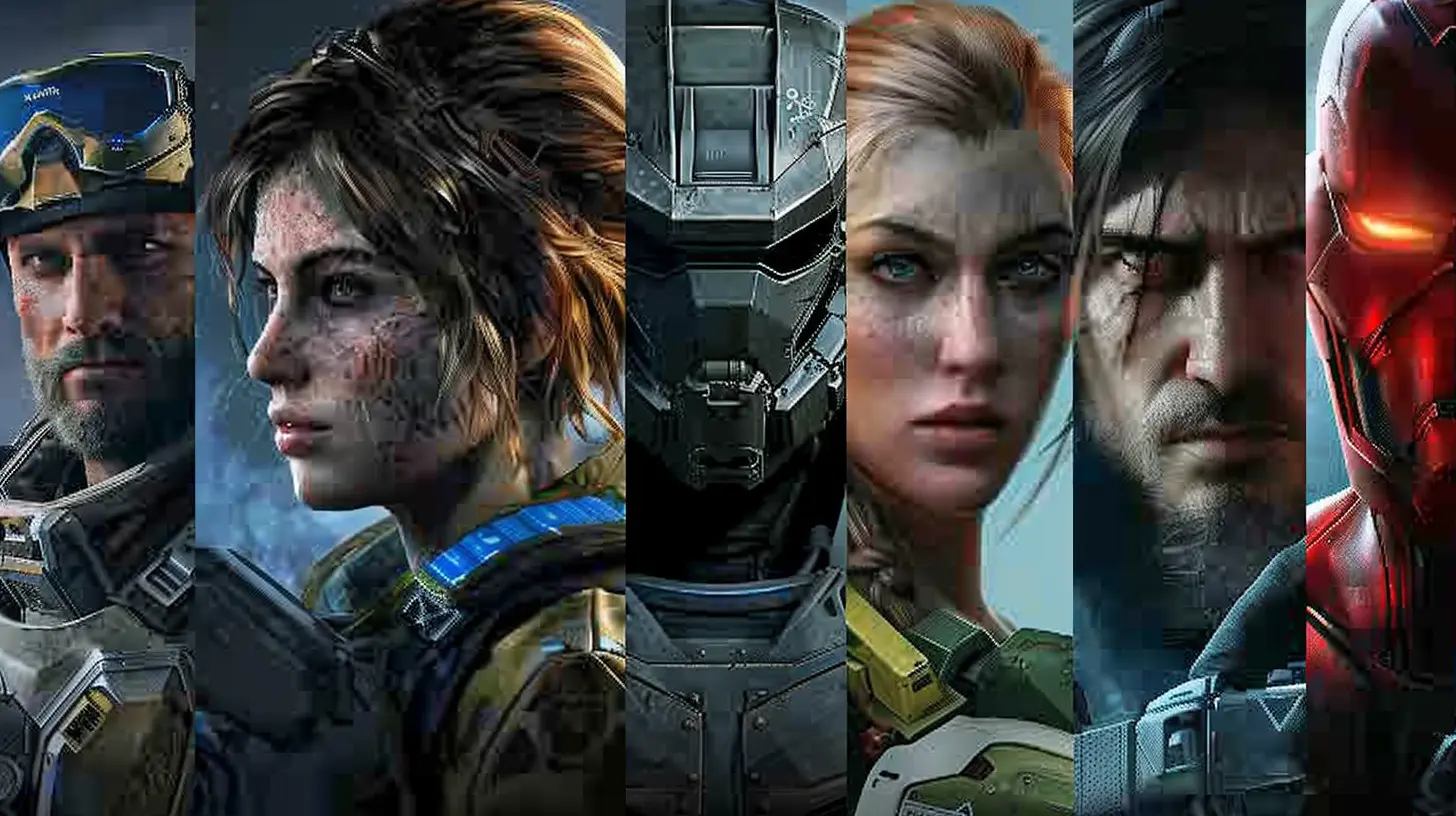
Games That Got It Right
Some titles just nailed it when it comes to character creation. Let’s give credit where it’s due.Skyrim
Who didn't spend an hour customizing their Dragonborn only to play in first-person view 95% of the time? Still, Skyrim’s deep customization helped build a connection with your hero. Elf with a mohawk? Go for it.Cyberpunk 2077
Say what you want about the game’s launch, but CD Projekt Red put work into its character creator. Want a non-binary nomad with neon tattoos and a thick Southern accent? You got it. The game lets you break norms, not just follow them.Elden Ring
Yes, FromSoftware games are known more for punishment than pretty faces. But even here, character creation is surprisingly robust. Want to make a hideous goblin-warrior hybrid or a beautiful elven sorcerer? Totally up to you.The Sims 4
Let’s be honest—The Sims is more of a life simulator than a traditional game. But the customization is on another level. Want a different walk, voice, fashion sense, or aspiration for your Sim? It's all there. You’re literally playing god.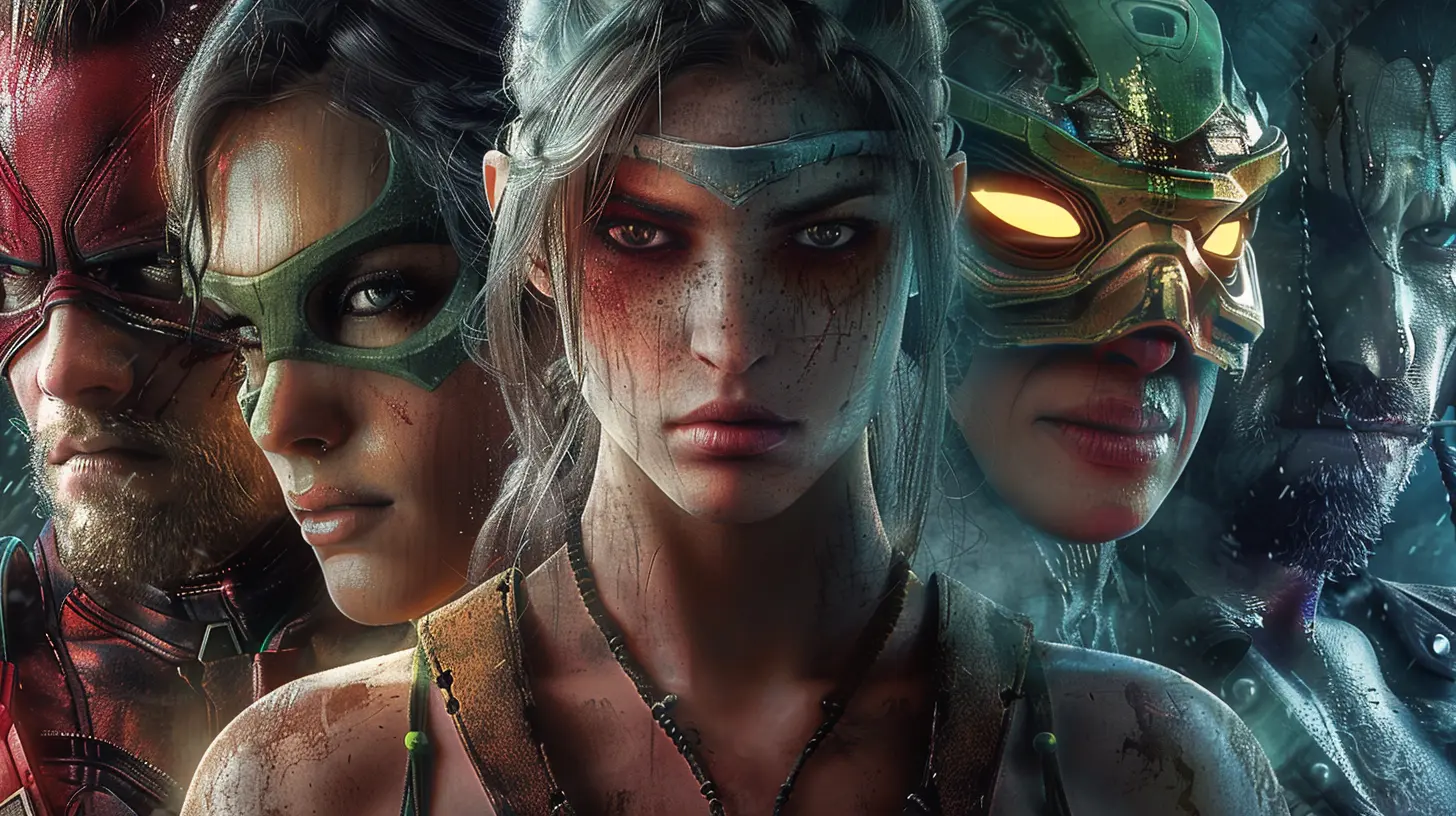
It’s Not Just About Looks
Here's where we go deeper: customization isn’t just about aesthetics. It’s narrative. It’s gameplay. It’s emotional investment.Backgrounds and Skill Trees
Role-playing games (RPGs) like Mass Effect, Dragon Age, or Divinity: Original Sin II allow you not just to shape what your character looks like but who they are. Your character's past influences dialogue choices, relationships, and even how NPCs react to you. That’s storytelling magic.Morality Systems
Think Fable or Fallout. Your choices and behavior shape not just your character’s appearance (horns, scars, fancy armor, or radiated skin), but also your reputation in-game. That reactive customization is next-level immersion.Loadouts and Playstyles
Character customization isn’t all cosmetic. Weapons, skills, gear—how you play can radically change your character’s combat style and what moments you experience in the game.The Psychology Behind It
This isn’t just hype or fan service. There’s real psychology behind why we love customizable characters.Feeling in Control
In a chaotic world, having control over something—even just a digital character—can give us a sense of ownership and stability. You’re not just following a story, you’re crafting it.Better Engagement
When people see themselves in a game, they're more likely to stick with it longer and care more deeply. That emotional anchor? It builds loyalty to both the character and the game.Expression and Creativity
Think of character customization like a digital art form. Some folks spend longer in the character creation screen than they do in the first few hours of gameplay—not because they’re indecisive, but because that part is meaningful. It’s an expression.Challenges Developers Face
As much as we love having endless options, putting that into a game? Not an easy job.Technical Complications
The more options you have, the harder it is to make sure everything works seamlessly. Hair clipping through armor, voice lines not matching selected genders, animation mismatches—it’s tricky stuff.Narrative Complexity
If your player can be anyone, your story has to adapt accordingly. And that means more dialogue, more VO (voice-over), more branches, and more bug testing.Keeping It Balanced
Custom abilities and loadouts shouldn’t break the game. Especially in multiplayer, where your turbo-powered, neon-armored elf-goblin hybrid shouldn't have an unfair advantage over someone else.The Future of Customization: Where Are We Headed?
Customization is only getting bigger, better, and bolder. Here’s what's on the horizon.AI-Powered Customization
Imagine a feature where you upload a photo of yourself, and the game generates an in-game version of you automatically. Guess what? We're already seeing early versions of this, and AI is the next big leap.Full Voice Modulation
Soon, you might pick a voice style and have AI modulate all your in-game dialogue to match whatever voice you imagine for your character. That’s wildly immersive.Cross-Game Avatars
Epic Games, Meta, and others are pushing for cross-platform, metaverse-style avatars. That means one custom character could pop in Fortnite, VRChat, and who knows where else.Haptic Feedback Suits + Custom Avatars
This one's for the VR geeks: what if your custom character had a haptic suit that made you feel sword swings, jumps, or weather in real-time? We're on the brink of blending physical and digital customization in ways that redefine immersion.Why It All Matters
At its core, gaming is about experience. The rise of customizable characters shifts the experience from just playing a story… to becoming part of it. Whether you're someone who meticulously tweaks every detail or just hits “random” until you get something goofy, the ability to customize makes the game feel more like yours.And that’s powerful.
Games are no longer one-size-fits-all adventures. They’re digital playgrounds where everyone can carve out their unique space, on their own terms.
Not bad for an industry that started with a couple of paddles and a bouncing pixel, right?
Final Thoughts
Character customization isn't just a feature anymore—it's an expectation. It’s a dialogue between developers and players, a way to bridge creativity, identity, and immersion. And as technology continues to evolve, so too will the ways we create, shape, and experience the characters we play.So next time you spend two hours in a creation menu, tweaking cheekbones and adjusting that perfect scar placement above your left eye—don't feel guilty. You're just crafting your story, one slider at a time.
all images in this post were generated using AI tools
Category:
Best Game CharactersAuthor:

Luke Baker
Discussion
rate this article
1 comments
Ava McDowney
Customizable characters enhance player immersion and personal connection in today's gaming experiences.
August 10, 2026 at 2:42 AM