The Rise and Fall of Empires in Strategy Game Lore
27 August 2026
There’s something irresistibly epic about watching an empire rise from humble beginnings to dominate a continent—or crumble under its own weight. That’s the beauty of strategy games. Whether it’s guiding a tribe through the Bronze Age or commanding a technological superpower in a distant galaxy, these games let us live out our inner Machiavelli. But what gives these empires their richness isn't just gameplay mechanics. It’s the lore that breathes life into every city, battle, and betrayal. So, let’s dive deep into the rise and fall of empires in strategy game lore—and why we, as players, are so obsessed with it.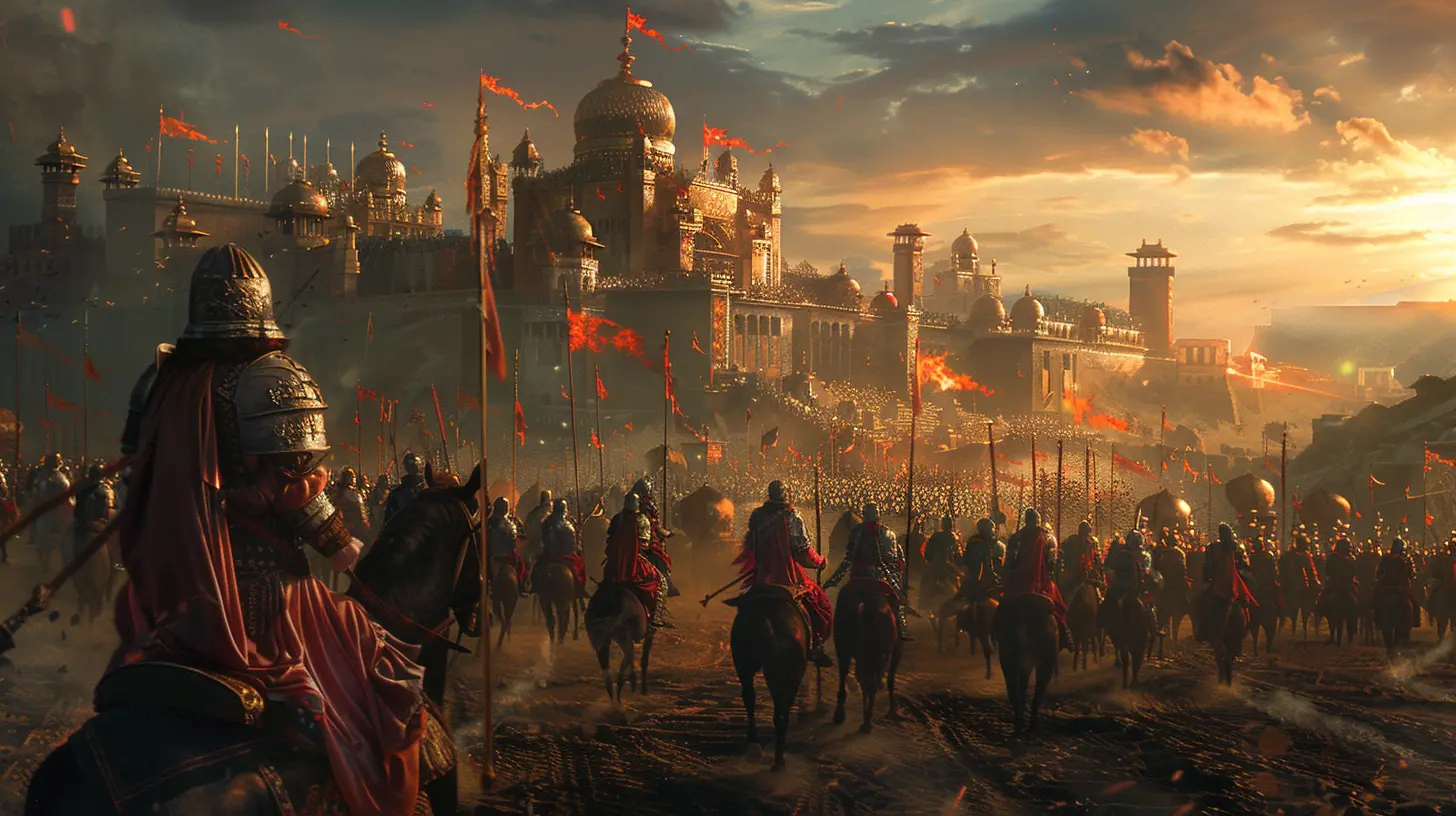
Why Do Empires Captivate Us So Much?
Ever wondered why you feel a surge of pride when your virtual civilization completes a wonder? Or why it stings just a bit when an enemy faction lays waste to everything you’ve built?It’s all about storytelling. Strategy games, despite their grid-based maps and turn-based actions, tell some of the most compelling stories in gaming. And not because they're written in a script—but because they emerge from your decisions, your mistakes, and your victories.
We’re hardwired to love stories of growth, conflict, and transformation. Add some military conquest and sneaky diplomacy into the mix, and you’ve got a recipe for emotional investment. Empires in these games become extensions of ourselves—our ambitions, our ethics, and yes, even our egos.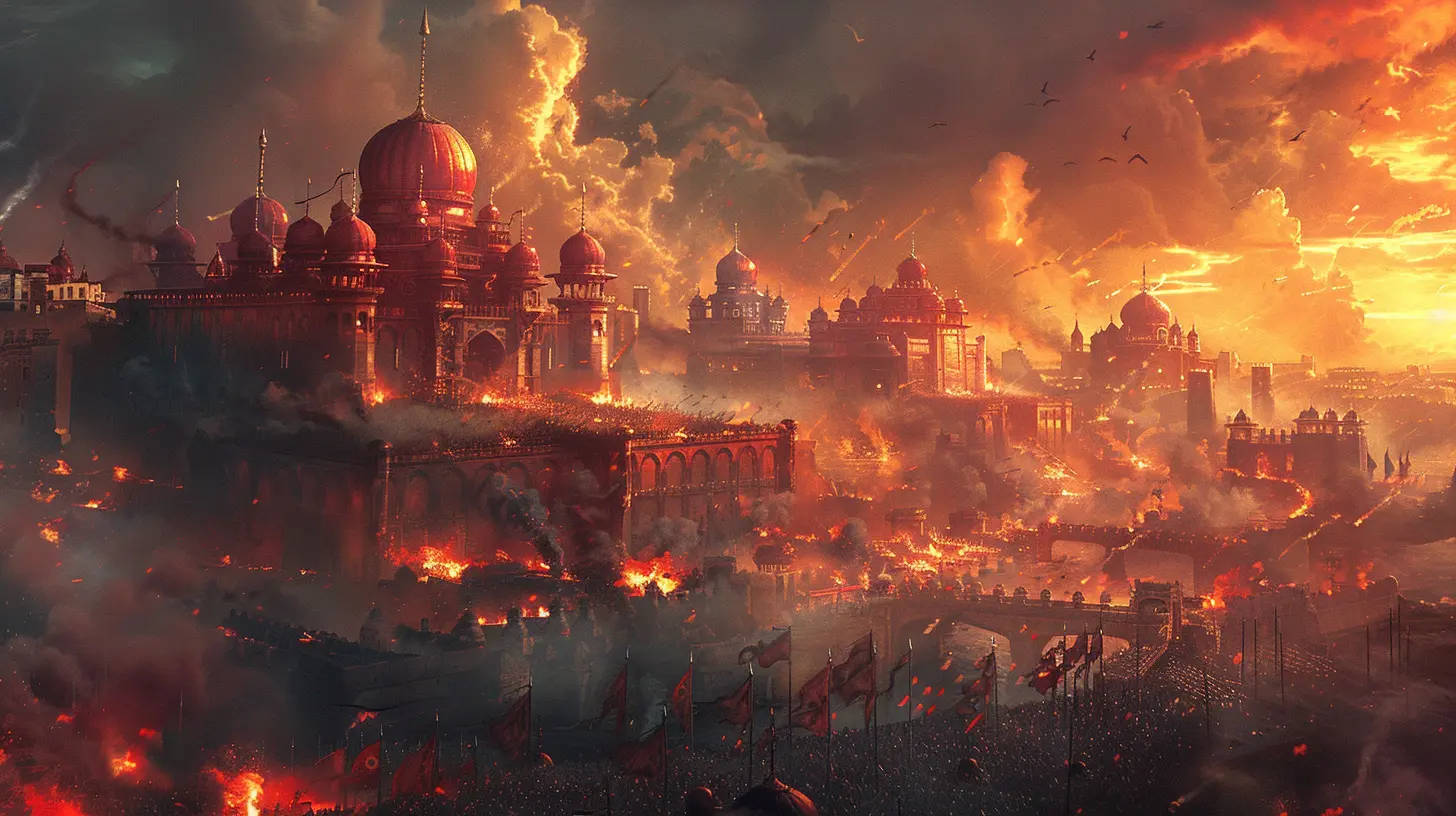
The Anatomy of an Empire in Game Lore
Before we explore the dramatic rise and tragic fall of these empires, let’s look at what makes them tick in the first place. Empires in strategy games typically revolve around a few key elements:1. Founding Myths and Origins
Most strategy games give each faction a backstory—where they came from, what they believe in, and what makes them unique. In Civilization VI, for example, each leader comes with a rich historical or mythical background. Whether you're playing as Cleopatra or Gilgamesh, the game roots you in a narrative of purpose.2. Cultural Identity
Games like Total War, Age of Empires, or Stellaris flesh out their empires with detailed culture trees, religious ideologies, or even genetic traits (especially in sci-fi titles). Over time, the lore builds up a strong sense of who these people are and why they matter.3. Technological Progress
Every empire rises by leveraging progress. Whether it's bronze tools, gunpowder, or AI-driven economies, the journey through technological eras tells the story of an empire’s ambition.4. Conflict and Expansion
No empire ever rose in isolation. Conflict is central to the lore—rivalries, wars, betrayals, and uneasy alliances shape not just the gameplay, but the underlying mythology of each faction.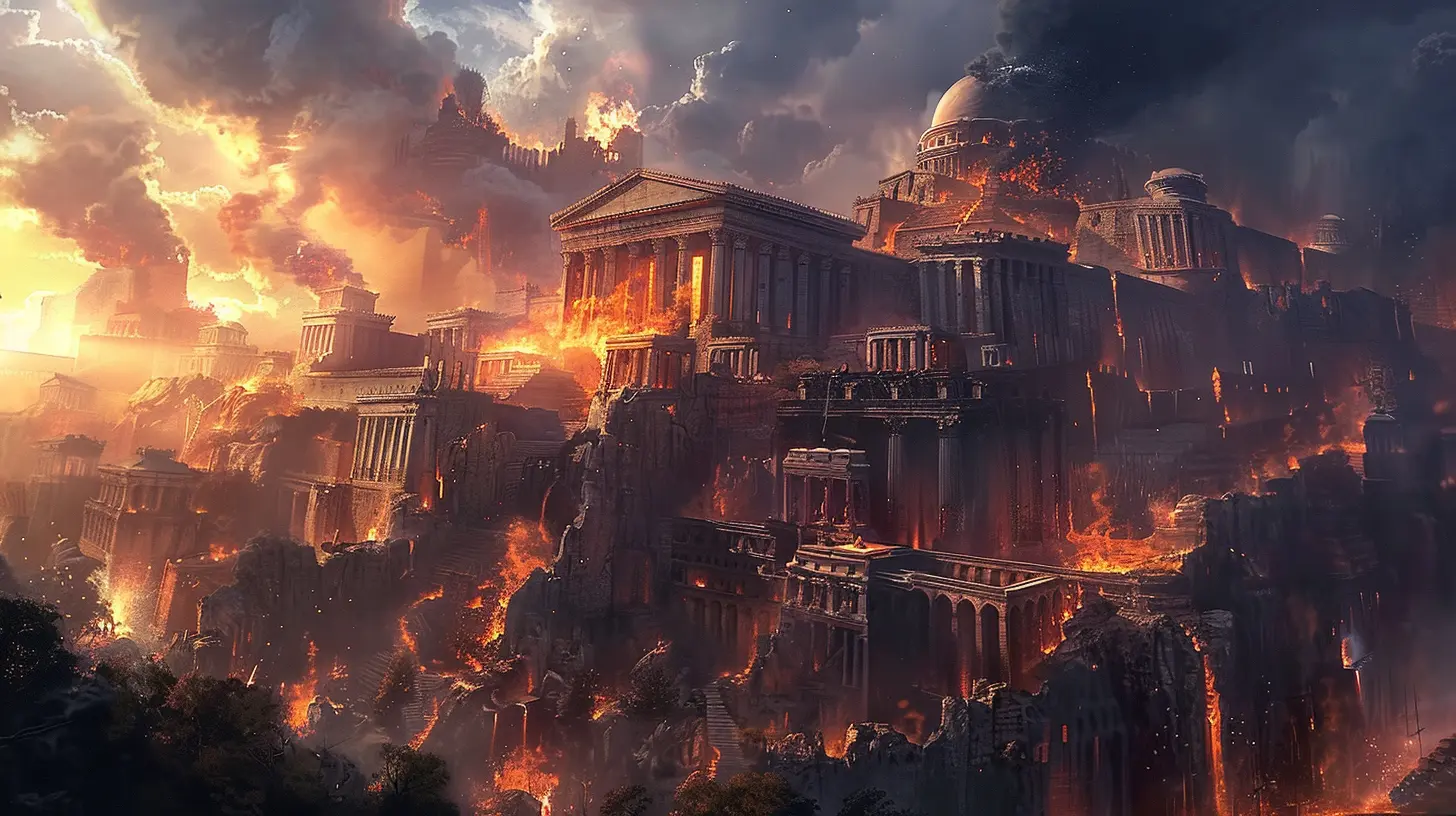
The Glorious Rise of Empires
The rise of an empire in game lore feels like watching a phoenix climb from ash to glory. Think about your early turns in Civilization. You start with a settler and a warrior—nothing but hope and ambition. Fast forward a few centuries, and you’re launching satellites into orbit. It’s majestic.From Nothing to Everything
Great empires in strategy games often start from nothing. Maybe your people are refugees, like in Endless Legend, or a rebellious colony like in Europa Universalis IV. The journey from small to significant is where the magic lies.For instance, the lore behind the Protoss in StarCraft portrays a once-isolated species ascending into a galactic power through technological dominance and spiritual philosophy. Their growth isn’t just military—it’s existential.
Building Wonders—Literally and Figuratively
The moment you finish building the Pyramids or the Colosseum in Civilization, it’s more than just a buff. It’s a milestone in your empire’s saga. These wonders become symbols of greatness, just like in real history.In Age of Empires II, these structures often become central to campaign narratives. They’re not just functional—they’re mythologized, standing as monuments to your people’s triumphs.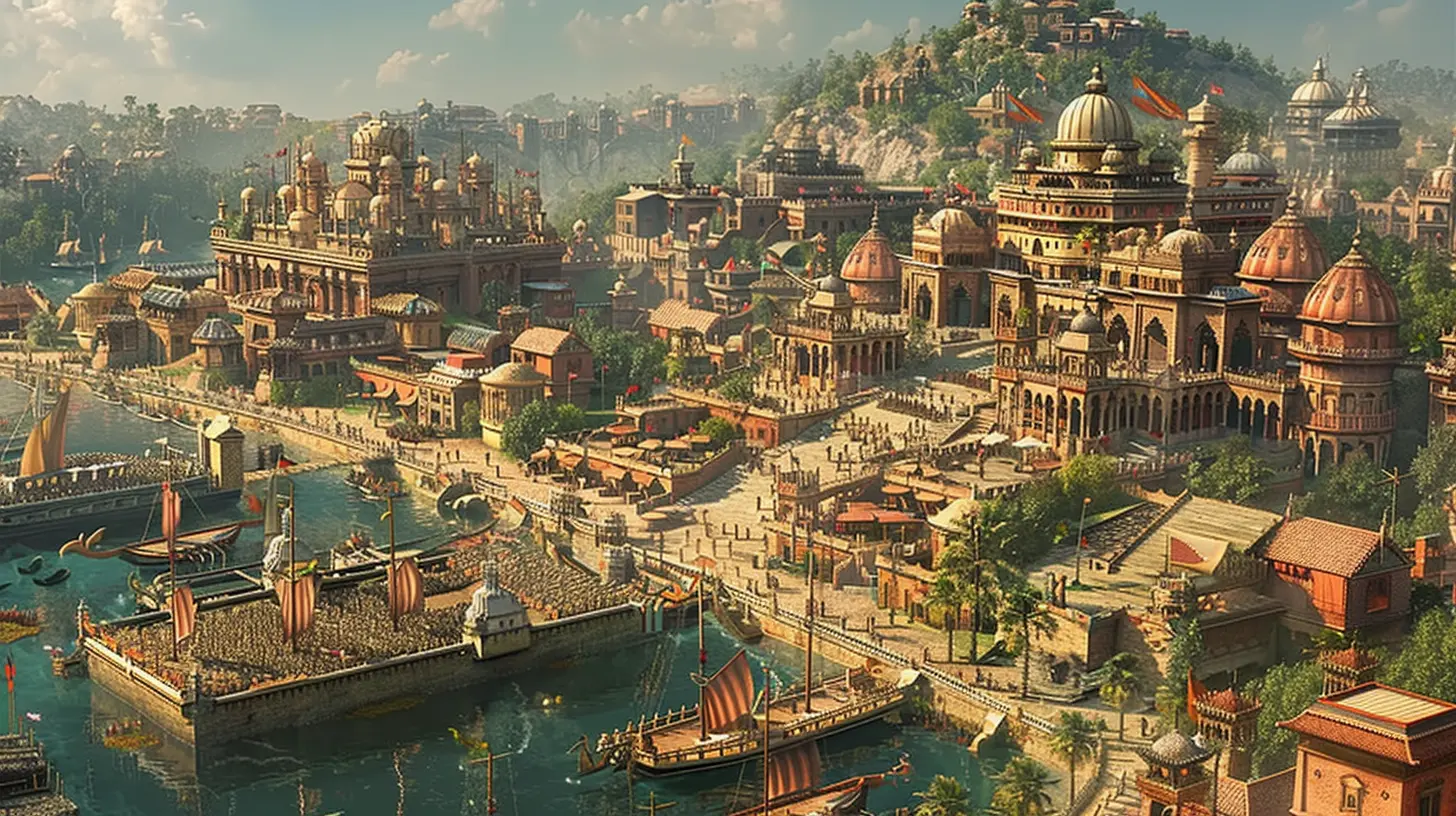
The Inevitable Fall
Here’s the kicker. Every empire, no matter how mighty, falls. And boy, do strategy games love a good downfall.Why Do Empires Crumble?
The reasons vary, but they always follow some familiar patterns:- Overextension: Expanding too fast without solid infrastructure? That’s an open invitation for rebellion or collapse.
- Corruption and Decay: In lore, internal rot often does what no external enemy can. Factions like the Empire in Warhammer Total War are classic examples—noble on the outside, but rotting from within.
- Rising Rivals: Just when you think you're untouchable, a smaller but smarter faction knocks you off the throne. That’s history, and that’s strategy.
Fall of the Zerg? Fall of Rome?
Let’s talk Zerg. These terrifying space bugs in StarCraft once seemed unstoppable. And yet, through internal division (hello, Kerrigan’s betrayal) and the resilience of their enemies, even they face existential threats. The lore surrounding their rise and setbacks is filled with philosophical undertones about evolution, control, and freedom.Compare that to a more grounded example like the Roman Empire in historical strategy games. Most mechanics allow Rome to dominate early—because that's what they did IRL. But eventually, other players or factions catch up. Your once-proud legions might find themselves in retreat, not from a battle, but from irrelevance.
Player Agency: We're the Gods of These Empires
Here’s what makes this whole lore-driven rise and fall even juicier—we, the players, are at the helm.Our decisions shape these narratives. Do we become tyrants or benevolent rulers? Do we invest in culture or war? Every choice adds a page to the empire’s unwritten history.
In Crusader Kings III, you don’t just build an empire—you navigate house politics, plots, marriages, and betrayals. Your entire bloodline becomes a living history book. And when things go south (which they often do), it’s not because of random fate—it’s your cousin who stabbed you in the back for the throne.
The Emotional Highs and Lows
Few games make you feel the emotional weight of an empire quite like strategy titles. You put hours into building something great, only to see it fall apart—sometimes because of your own hubris. That hurts. But it also tells a better story than any scripted campaign could.Remember your first cultural victory? Or the first time you lost a campaign because of an unexpected coalition? These aren't just game moments. They're lived experiences. And they stick with you.
Lore as Replayability Fuel
Ever noticed why strategy games have such insane replay value? Sure, randomized maps and diverse factions help—but it’s the emergent lore that keeps us coming back.You play differently each time, and each empire tells a new tale. Even when you return to the same faction, you might make different choices. Suddenly, your peaceful monks become ruthless warmongers, or your futuristic technocracy falls into anarchy.
The lore isn’t static. It’s dynamic, born from the chaos and order that you bring to the game world.
Balancing History and Fantasy
Some games lean heavily into historical accuracy (Europa Universalis, Crusader Kings), while others go full fantasy or sci-fi (Total War: Warhammer, Stellaris). But both approaches enrich their empires with intricate lore.Historical games ground you in real events—letting you "what if" your way through alternate timelines. Fantasy games, on the other hand, get to be wildly imaginative, unshackled by realism. But both share a core truth: the stories we tell through our empires are deeply human.
The Future of Empire Lore in Strategy Games
As AI and procedural storytelling evolve, we’re looking at a future where the narrative depth of each empire could become even more personalized. Imagine a Civilization game where your leader’s legacy is shaped by your moral choices, sparking in-game myths and legends for future generations.Or a Stellaris-like title where your empire's downfall leads to breakaway factions with their own ideologies and goals. That’s the next step, and honestly, we can't wait.
Final Thoughts
Empires rise. They shine. They fall. And in strategy games, that cycle feels more personal than anywhere else. It's not just about winning or losing—it's about the journey. The lore transforms pixels and polygons into living civilizations. And we? We're the storytellers behind them all.So next time you start a campaign, don’t just aim for victory. Watch the story unfold. Because the fall of an empire can be just as satisfying as its rise.
all images in this post were generated using AI tools
Category:
Game LoreAuthor:

Luke Baker
Discussion
rate this article
1 comments
Sandra McGrath
The exploration of empires in strategy game lore reveals the complexities of power, ambition, and downfall. Each game's narrative illustrates unique historical parallels, emphasizing how strategy shapes not just gameplay, but the very essence of these virtual civilizations... A compelling read.
September 8, 2026 at 4:05 AM
Luke Baker
Thanks for your insights! I'm glad you found the exploration of power dynamics and historical parallels compelling. It really highlights the depth of strategy games.