The Quiet Power of Casual Gaming Communities
31 August 2026
Casual gaming often gets a bad rap. When people hear the term, their minds go straight to mobile puzzles, farm simulators, or match-three games played during coffee breaks. While the AAA industry gets all the spotlights and esports takes center stage in the arena of competitive gaming, there’s an entire world quietly thriving behind the scenes—casual gaming communities. They aren't loud, they don’t always go viral, but they’re strong, supportive, and surprisingly powerful.
In this article, we’ll dive into the subtle but impactful strength of casual gaming communities, and why they matter far more than most people realize.
What Are Casual Gaming Communities, Anyway?
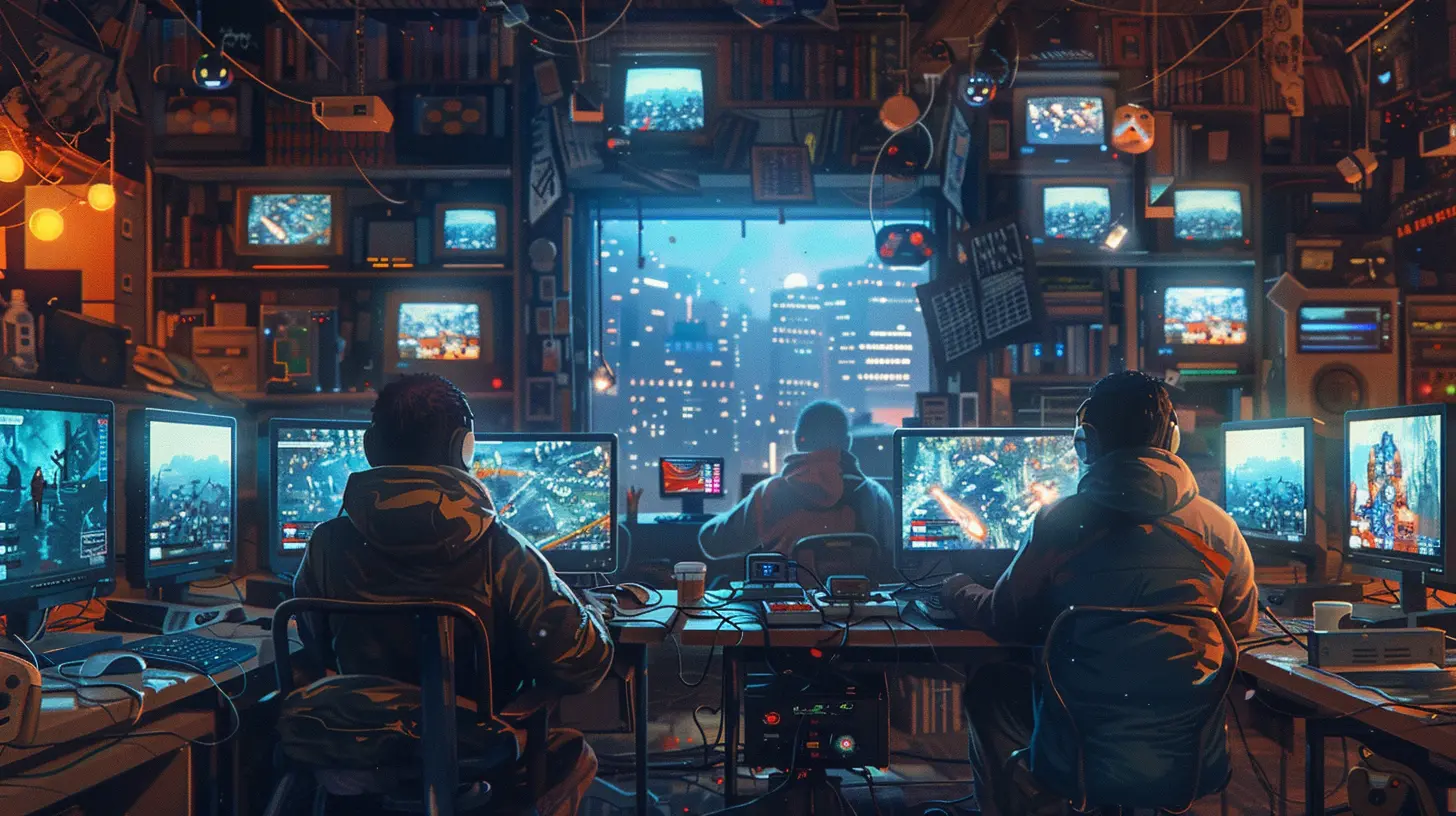
Before we get into the meat of it, let’s define what we’re talking about.Casual gaming refers to games that are easy to pick up and play without a steep learning curve or long time commitments. Think games like Animal Crossing, The Sims, Candy Crush, or Stardew Valley. Casual gaming communities, then, are the groups of people—online or in-person—who connect over these titles.
Unlike hardcore gaming circles that often revolve around high-performance, rankings, and meta strategies, casual communities are typically more inclusive, welcoming, and chill. They value fun over competition, connection over conquest.
And honestly? That’s refreshing.

The Magnetic Pull of Relaxed Vibes
Let’s be real for a second. Life is hectic. Between work, errands, family responsibilities, and curveballs from the universe, who has the energy to grind in a 100-hour RPG every week?That’s where casual games—and their communities—come in.
They offer an escape without pressure. You can play for five minutes or five hours. You can build a virtual farm, decorate your dream house, trade items, or just chat with fellow players about how cute your in-game cat is.
And the best part? You’ll often find a community where no one’s judging you for how you play, how good you are, or how often you log in. These spaces are welcoming by design.
Online Gathering Spots That Feel Like Home
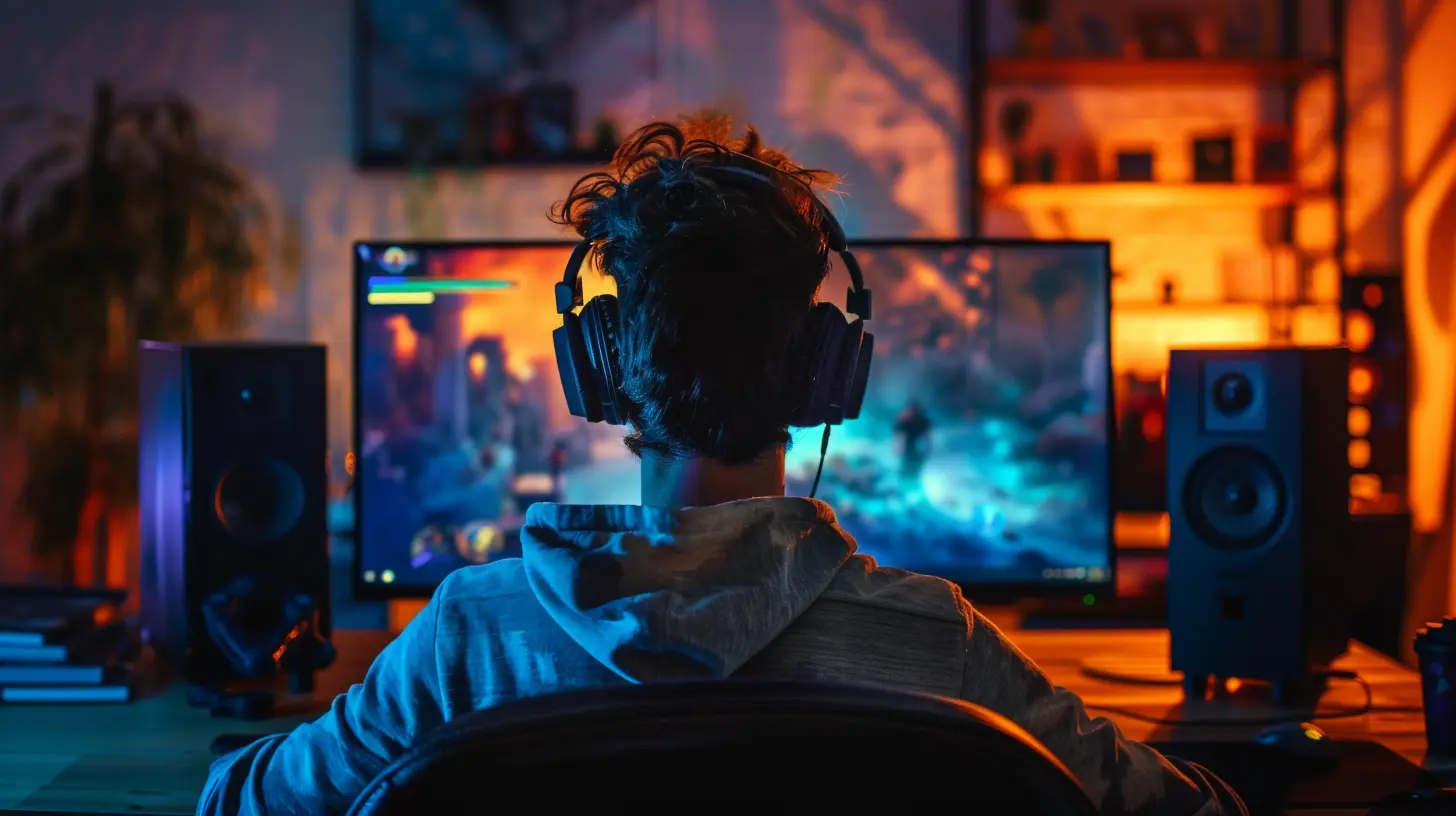
You’d be surprised how cozy an online community can feel.From Facebook groups and Reddit threads to cozy Discord servers and niche forums, casual gaming communities have found their digital homes. These spaces often radiate positivity and mutual support. You'll see people helping each other figure out in-game puzzles, sharing screenshots of their latest builds, or even organizing digital potlucks and theme nights.
And no, it’s not just about the game. It’s about the bond.
There’s something magical about logging in and knowing there’s a group of people who genuinely care that you finally caught that shiny pet or unlocked that rare item. It’s like having a group of friends cheering you on for the small wins in life.

Mental Health Boosters in Disguise
Let’s go a little deeper.Games like Stardew Valley or Animal Crossing aren’t just "fun distractions." For many, they’re lifelines. Safe spaces where you can unwind, breathe, and reset. There’s a reason these games soared in popularity during the pandemic: people needed comfort, routine, and a sense of control amid chaos.
Casual gaming communities amplified this comfort. They provided spaces to talk, vent, laugh, and connect when physical interactions weren’t possible.
And even outside of global crises, these communities continue to support mental well-being. They offer companionship for the lonely, motivation for the discouraged, and joy for anyone simply seeking a feel-good moment.
In a world that often demands seriousness and productivity, casual gaming is a gentle rebellion—a soft, supportive place that says, "Hey, it’s okay to just have fun."
Casual Doesn’t Mean Unskilled
One of the most common misconceptions about casual gamers is that they’re not “real” gamers. Let’s squash that right now.Just because someone prefers color-matching to combat or farming to fragging doesn’t mean they lack skill or passion. Strategy, creativity, time management, and critical thinking are often core parts of casual games—just packaged differently.
Have you ever seen someone’s The Sims house with intricate architecture and decor layered in storytelling and personality? Or a community member min-max their farm in Stardew Valley with clockwork precision? That’s not just gaming—it’s artistry.
And guess what? There’s a ton of skill in building communities too.
Moderating forums, organizing online events, creating fan art, writing guides—casual gamers are constantly contributing value. They may just do it with a smile and a cup of tea instead of a headset and energy drink.
The Ripple Effect of Kindness
You’ve heard of toxic gamer culture, right? We all have. Trash talk, gatekeeping, trolling—it’s exhausting.But casual gaming communities? They tend to be the complete opposite.
Sure, no space is perfect, but the general vibe in these circles is collaborative, not combative. People celebrate each other’s progress, offer help without strings, and create a culture of kindness that’s increasingly rare online.
Kindness is contagious. When one player posts encouragement, others follow suit. When moderators uphold community guidelines with empathy, members respect those boundaries. It’s a trickle-down effect that builds safer, happier environments for everyone.
That’s powerful stuff.
How These Communities Shape the Gaming Industry
Now, here’s the plot twist: casual gamers aren’t just quietly enjoying their games—they’re influencing the gaming industry in a big way.Game developers are paying attention. They’re noticing the surge in cozy games, the rise of wholesome content creators, and the demand for more inclusive, accessible experiences. The success of games like Unpacking, Cozy Grove, and Spiritfarer is proof that there’s a strong and growing hunger for low-stress gameplay with high emotional value.
And who’s behind this shift? You guessed it: casual gaming communities.
Through feedback, fan art, social media buzz, and sheer passion, these players are reshaping what success looks like in gaming. It’s not always about high scores or esports-ready mechanics. Sometimes, it’s about how a game makes you feel—and how it brings people together.
The Unseen Social Bonds
Here’s something most people don’t talk about: casual gaming communities are often lifelines for those who struggle socially in real life.Maybe someone is shy, introverted, or dealing with anxiety. Maybe language barriers or disabilities have made traditional social settings challenging. But in casual games? There’s room for everyone.
Whether it’s sending gifts to each other in Animal Crossing or helping out at a friend’s farm in Farmville, these simple acts create real emotional connections. Friendships blossom. Sometimes, even romantic relationships begin.
The games may be casual, but the relationships? They are anything but superficial.
How to Find Your Tribe
So maybe you're curious now. You're nodding along and thinking, “Okay, this sounds like something I want to be a part of.”Good news: casual gaming communities are easy to find!
Start with the games you love. Search for them on Reddit, Facebook, or Discord. Look for active groups, join the conversation, and don’t be shy about introducing yourself.
You could also dip your toes into platforms like Twitch or YouTube, where smaller streamers often foster tight-knit, welcoming communities. Engage in the chat. Leave comments. Say hi.
And remember, you don’t have to be an expert to belong. Just showing up, being kind, and enjoying the process is enough.
Why It All Matters More Than You Think
In the grand scheme of things, you could say casual gaming communities are just people playing games and chatting online. But if you zoom in, you’ll see something much more profound.You’ll see people supporting each other through depression, celebrating milestones, sharing creativity, and making each other laugh after a long day. You'll see joy being cultivated in the simplest ways—and spreading like wildfire.
In a time where connection feels more digital and distant than ever, casual gaming communities are forming tight circles of warmth and shared joy. They’re low-key, but their impact is anything but.
Final Thoughts
Casual gaming communities may not grab headlines or fill stadiums, but they offer something just as important: belonging.They invite us in when we’re feeling out of place. They cheer us on when we feel invisible. And they remind us that gaming doesn’t always have to be fast, fierce, and competitive. Sometimes, it’s enough just to play, share, and smile.
So the next time someone dismisses casual games as "less than," smile and remember the quiet power they hold. Because behind every pixelated garden, virtual café, or decorated dream house, there's a community changing lives—one cozy interaction at a time.
all images in this post were generated using AI tools
Category:
Gaming CommunitiesAuthor:

Luke Baker
Discussion
rate this article
1 comments
Savannah Lopez
Casual gaming communities redefine connection and joy for all.
August 31, 2026 at 3:12 AM
Luke Baker
Absolutely! Casual gaming communities create a welcoming space for connection and shared joy, making gaming accessible and enjoyable for everyone.