The Psychology Behind Playing the Same Game Again
4 June 2026
Ever found yourself booting up that one game you’ve already beaten three times — maybe five? Maybe ten? You know every twist, every secret boss, every punchline by heart. And yet, there you are again. Controller in hand. Ready for just “one more run.” Sound familiar?
You’re definitely not alone.
Whether it’s diving back into Skyrim after a long break, replaying the good ol’ days of Pokémon Red, or jumping into your hundredth game of Fortnite, there’s a certain magic — or more accurately, psychology — behind why we just can’t get enough of some games. Let’s unpack that beast of a question: Why do we keep coming back to the same game over and over?
Nostalgia Hits Hard, Every Time
Let’s start with the obvious one: nostalgia. Hey, humans are emotional creatures. We get attached. And certain games? They’re like a warm slice of childhood wrapped in digital code.The Comfort Food of Gaming
Think of your favorite game like your favorite cozy meal. Maybe it’s mac & cheese. Maybe it’s pizza. You know what it tastes like; there are no surprises. But that’s exactly the point. It’s reliable. Comforting. Games can be exactly the same way.Sometimes, you don’t want to be challenged with something new. You’re tired, stressed, or just not in the mood to “learn” a new game. You want to escape — and what better way to do that than returning to a world you already know like the back of your hand?
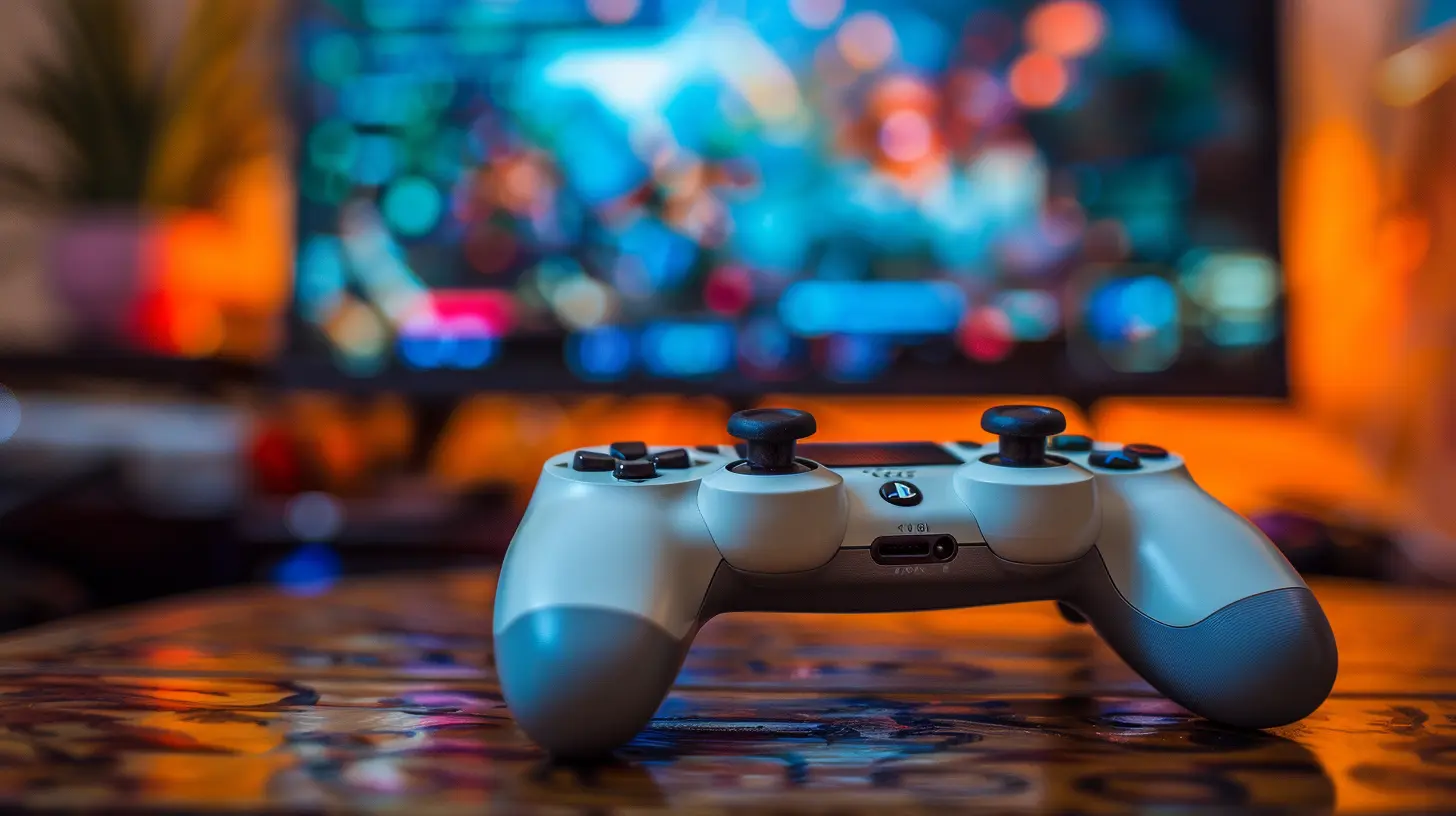
The Illusion of Mastery (And Why It Feels Awesome)
Ever heard the phrase “practice makes perfect”? Video games thrive on that. When you replay a game, especially a tough one, you’re essentially mastering it.Progress Feels Rewarding
Humans love progress. Whether it’s leveling up in an RPG or shaving off a few seconds in a speed run, improvement hits that sweet spot in our brains. Dopamine rush? Oh yeah. That sense of accomplishment? Hard to beat.Speedruns, Challenges, and Modding
Look at the speedrunning community — they play the same sections of the same games for years, just to save a few frames off their time. Why? Because it’s satisfying.Or how about modding a game you’ve played a million times, just to experience it in a new way? Think about Skyrim — that game is practically immortal now, thanks to the modding community.
So even when you’re playing the same game, you’re not necessarily doing the same thing. You’re optimizing. Tweaking. Perfecting.
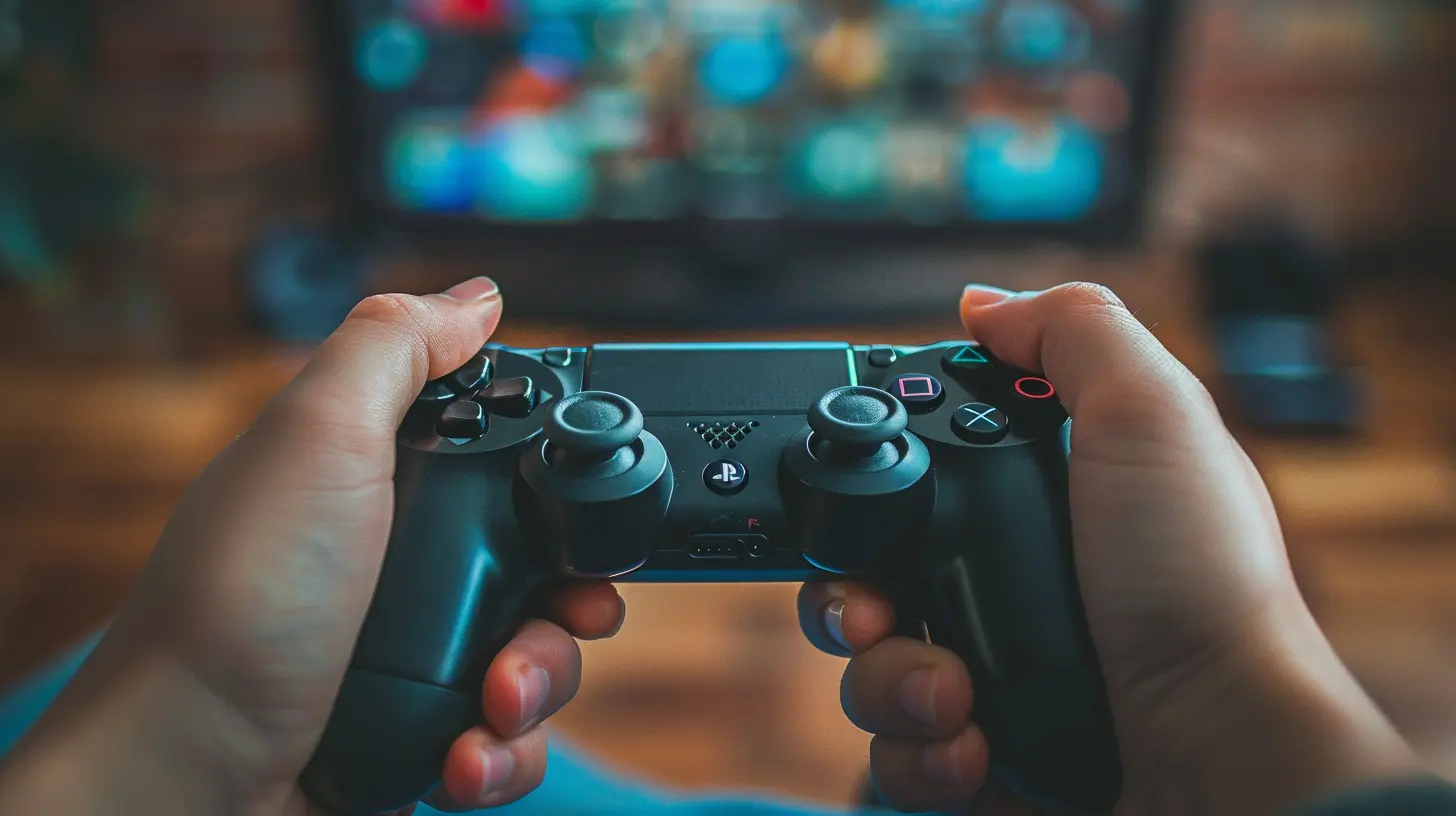
Emotional Attachment: Games as Life Chapters
Believe it or not, games aren’t just games. They’re time capsules. Emotional bookmarks. They represent specific moments in your life.Memory Triggers
That moment you finally beat that boss in Dark Souls? Maybe it came during a tough patch in your life. Or the spontaneous couch co-op session of Halo 3 that turned into an all-nighter with your best friends? That memory’s locked in.Replaying that game later isn’t just about the gameplay — it’s about reliving the feeling.

Routine and Ritual: The Hidden Power of Repetition
We’re creatures of habit, whether we like it or not. Ever rewatched The Office for the fifth time instead of checking out that new show everyone’s talking about? Same logic applies here.Gaming rituals form habits. Friday night raids. Sunday morning Animal Crossing. Daily Fortnite challenges. These routines aren’t just pastimes; they become part of your identity.
Digital Comfort Zones
A lot of us use gaming to unwind. And going with what’s familiar is, let’s be honest, way easier than risking disappointment. New game mechanics? New UI? Tutorials? Nah. Let me just jump back into a save file from three years ago and pick up right where I left off.Choice Paralysis: Too Many Games, Too Little Time
We live in a golden age of gaming… and honestly, it’s kind of overwhelming. Between Xbox Game Pass, PS Plus, Steam sales, and every launcher under the sun, our game libraries are bursting at the seams. Yet, we still default to the same old favorites.The Paradox of Choice
Here’s the kicker: the more choices we have, the harder it is to make one. It’s called “choice paralysis,” and it’s 100% real. Staring at your ever-growing library and somehow still clicking on Minecraft? That’s your brain seeking simplicity.
Familiarity Breeds Focus
Let’s switch gears for a second. Playing a familiar game actually frees up mental bandwidth.Multitasking Heaven
Playing the same game again lets your brain go on autopilot. You can play and:- Listen to podcasts
- Catch up on voice chats
- Unwind without overstimulation
It's like driving the same route to work every day — you don’t have to think about it anymore. That familiarity becomes an advantage, especially when you're mentally drained.
Social Connections: Games as Shared Language
Some games stick because they’re not just games — they’re social hubs.Building Friendships Around Replays
Think about games like World of Warcraft, Among Us, or even Counter-Strike. Those aren't just games — they're shared experiences. In some cases, they're traditions. You’re not just playing to win; you’re playing to hang out.Replaying familiar games with the same crew — or even jumping into a community you know well — adds a whole other layer to the experience.
Storytelling That Invites Replays
Let’s talk narrative.Multiple Endings, Different Paths
Games like The Witcher 3, Detroit: Become Human, or Mass Effect don’t tell their stories in straight lines. You make choices. Those choices change outcomes. And guess what? That makes players want to play again just to see what could have happened.Easter Eggs and Hidden Lore
Some games reward replaying with secrets you missed before. Hidden dialogue. Secret levels. Alternate routes. These "aha!" moments make the journey back almost as exciting as the first time.Escapism With a Familiar Destination
Life’s unpredictable. It’s chaotic. Playing the same game again? That’s control. That’s order.Predictability in an Unpredictable World
When everything around you feels up in the air, reopening Stardew Valley or The Sims feels like touching base with something reliable. You know what to expect. You know what you’re doing. You are the captain of that digital ship.
The FOMO Factor
This one might raise some eyebrows — but yes, even repeated games get a weird kind of FOMO (Fear of Missing Out).Seasonal Content and Live-Service Hooks
Games like Destiny 2, Call of Duty, and Fortnite constantly update, rotate content, and dangle limited-time goodies. That means players keep coming back not just because they love it — but because they’re afraid to miss something cool.Addictive? Maybe. Effective? Definitely.
Intrinsic Motivation vs. External Rewards
At the end of the day, gaming taps into two kinds of motivation:- External: Trophies, achievements, rankings
- Internal: The joy of playing well, the thrill of the challenge, the beauty of the journey
Replaying a game often shifts this balance heavily toward intrinsic motivation. You’re not in it for the leaderboard anymore. You’re in it for you.
And that? That’s powerful stuff.
Final Thoughts: It’s Not Just a Game — It’s You
So, why do we keep playing the same game again and again?Because each replay scratches a different itch.
Sometimes it's about control. Sometimes it's about comfort. Other times, it's about mastery or nostalgia or avoiding the mental energy of something new.
But most of all — it’s about connection. To the game. To your past. To your friends. To yourself.
There’s no shame in sticking with what you love. Gaming shouldn’t always be about chasing the next big thing. Sometimes, it’s perfectly okay to revisit old stomping grounds.
In fact, it’s often more rewarding.
So next time someone asks why you're playing the same game for the hundredth time… just tell them:
"It’s more than a game. It’s home.
all images in this post were generated using AI tools
Category:
ReplayabilityAuthor:

Luke Baker
Discussion
rate this article
2 comments
Siena Simmons
In the familiar dance of pixels and stories, we seek comfort. Like old friends, these games whisper echoes of joy and nostalgia...
August 24, 2026 at 4:41 AM
Luke Baker
Absolutely, revisiting those familiar worlds allows us to relive cherished memories and find solace in what we know. It's like a warm hug from the past.
Melody McGivern
Rediscovering old games can heal and comfort us.
June 7, 2026 at 4:24 AM
Luke Baker
I completely agree. Revisiting familiar games can bring back nostalgia and provide a sense of security, making us feel connected to our past.