The Origins of Magic Systems in Fantasy Games
28 July 2026
Magic. Just the word sparks images of spell-slinging wizards, enchanted staffs, glowing runes, and epic battles where reality bends to willpower. In fantasy games, magic isn't just a tool—it's a core ingredient that fuels the worlds we love to get lost in. But have you ever stopped to wonder where these magic systems actually come from?
Sure, we've all cast the odd fireball or summoned a creature from another realm in a game, but magic systems are more than just flashy effects. They’re carefully designed frameworks that decide what magic can and can’t do—sort of like the physics of a make-believe world.
Let’s dig deep into the origins of magic systems in fantasy games—how they started, where they borrowed from, and how they’ve evolved into the complex, thrilling mechanics we see today.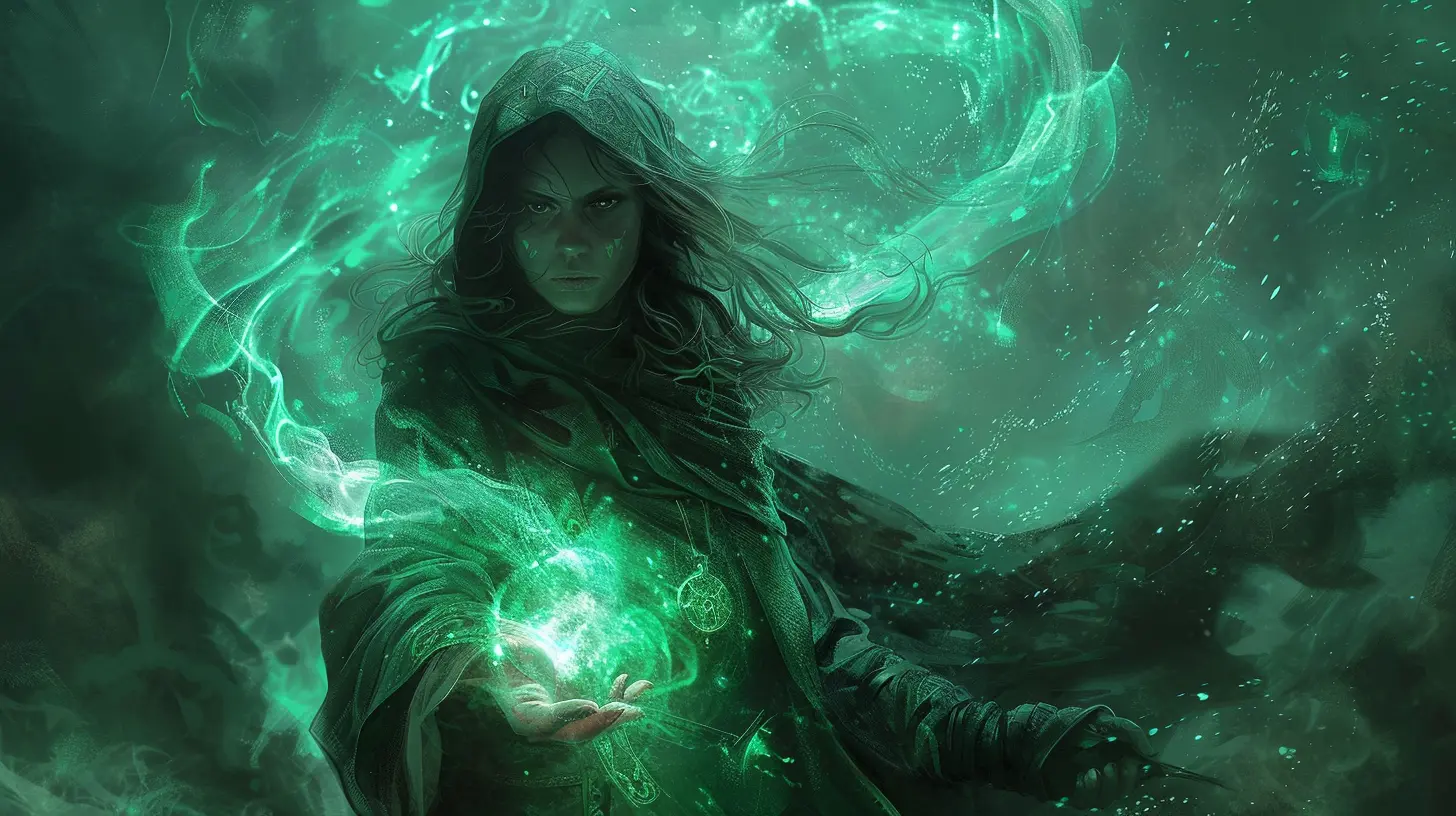
Magic Didn’t Start in Games—It Started in Myths
Before players were rolling dice or typing spells in MMOs, magic had a long, rich history rooted in mythology and ancient stories. From Greek myths to Norse sagas, magic was always this mysterious, powerful force woven into tales of gods, monsters, and heroes.Think about it—Merlin’s enchantments in Arthurian legend, the magical artifacts in ancient Egypt, or even shamans calling upon spirits across various cultures. All of these laid the groundwork. Game designers didn’t invent magic from scratch; they built upon a mythological foundation already buzzing with imagination.
These stories gave early fantasy games a cheat sheet for creating magic systems. And that’s where things started to get fun.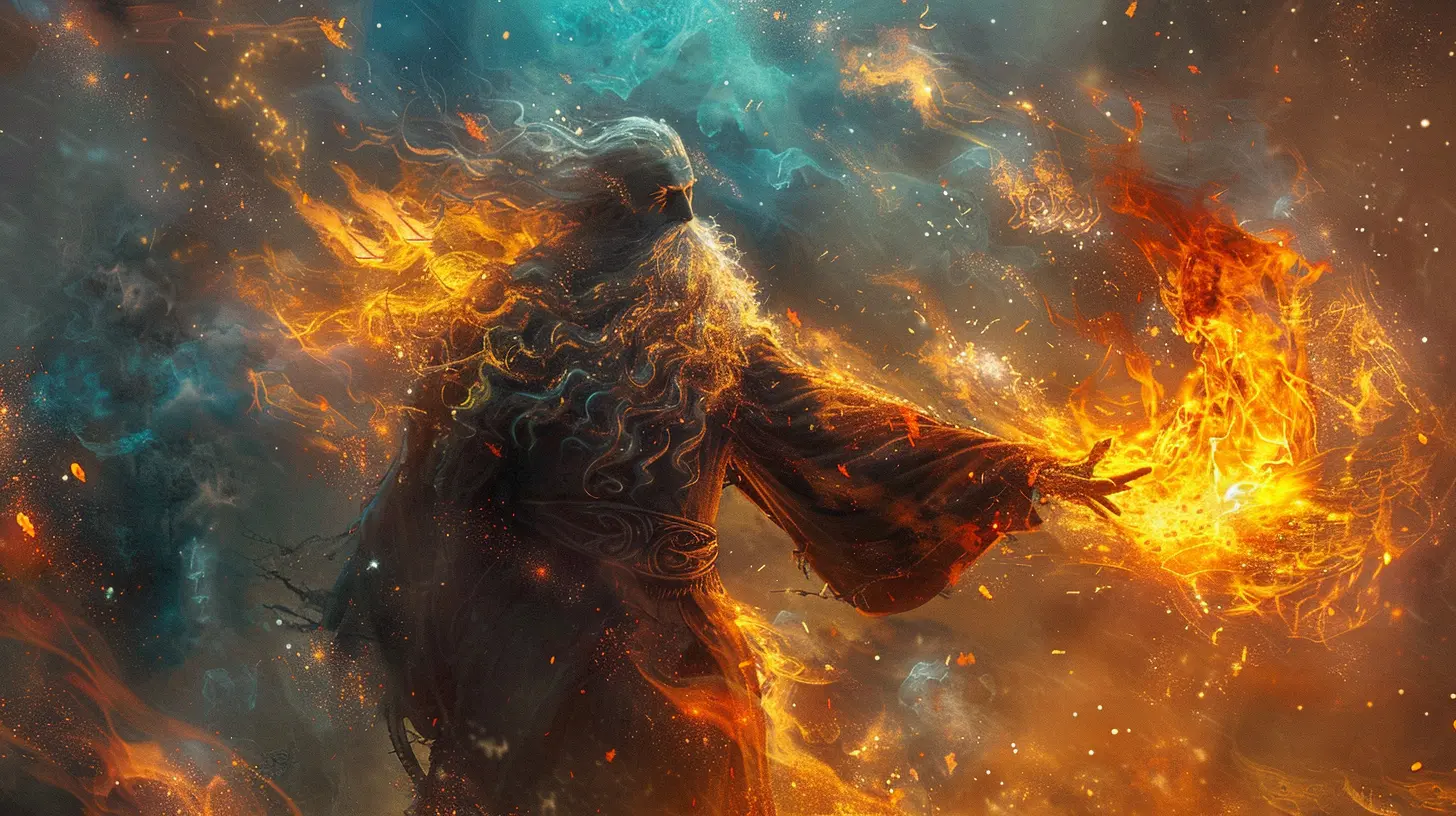
The Birth of Magic in Tabletop Games: Enter Dungeons & Dragons
If we’re talking origins, we absolutely cannot skip the titan that is Dungeons & Dragons (D&D). Released in 1974, D&D was the first major game to incorporate a structured magic system. And it was revolutionary.In D&D’s early editions, spellcasting was heavily inspired by the works of authors like Jack Vance (more on him in a second). You had spell slots, memorization, and limitations. Magic wasn’t this unlimited superpower—it had rules, costs, and strategy.
Ever heard of the term "Vancian magic"? It comes from Jack Vance’s book series "The Dying Earth", where wizards memorized spells from books, could only cast them once, and then they vanished from their memory. Sound familiar? That’s the system D&D adopted, and it pretty much laid the groundwork for many other fantasy games after that.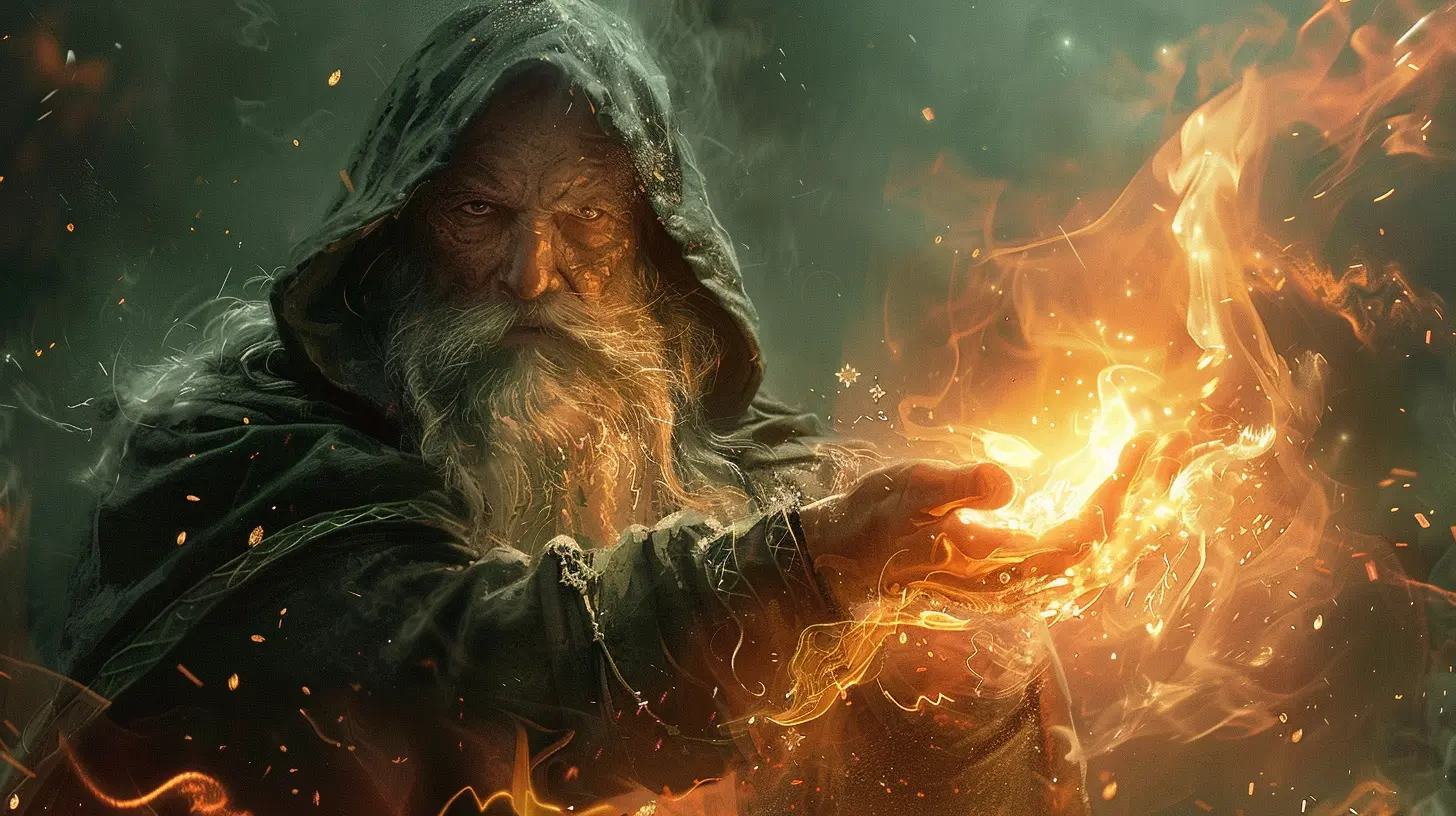
From Page to Code: Magic in Early Video Games
When video games began to rise in the '80s and '90s, developers had to figure out how to turn magical concepts into code. Games like Wizardry, Ultima, and Final Fantasy didn't just slap magic onto a character—they built systems.Ultima, for example, gave us reagents—physical ingredients required to cast a spell. Want to heal? You’d better have some Garlic and Ginseng. Final Fantasy took a more streamlined approach with Magic Points (MP), setting a numerical cost for each spell.
This shift—turning abstract ideas into game mechanics—was a huge step. It let players plan, strategize, and most importantly, immerse themselves in worlds where magic felt like a real part of the universe.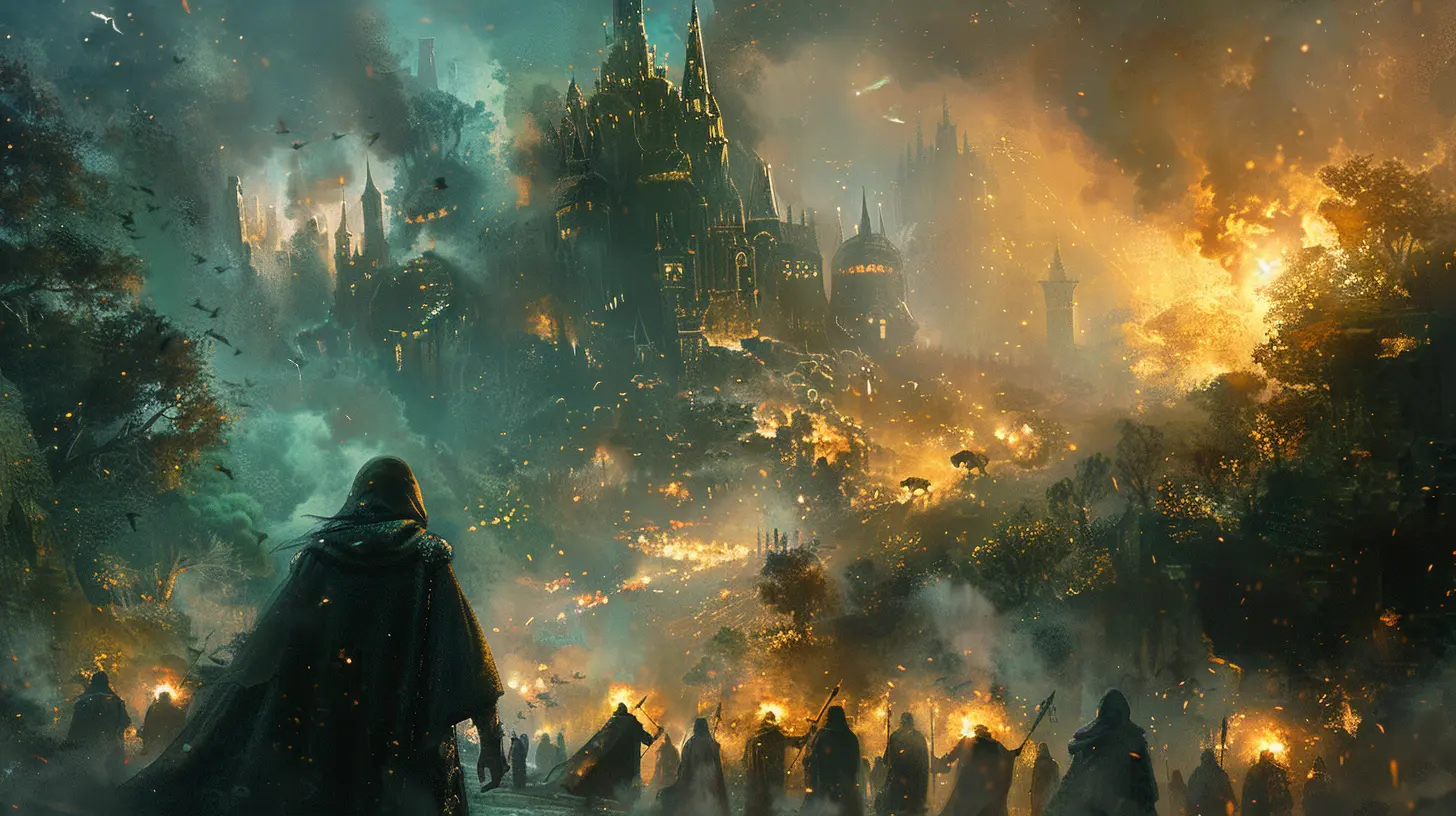
Different Types of Magic Systems (And Why Game Devs Use Them)
Not all magic systems are created equal. Some are simple, others insanely complex. But usually, they fall into a few big categories.1. Hard Magic Systems
Hard magic comes with clear, well-explained rules. You know what a spell does, when it works, and what it costs. Think of it like having a spellbook and knowing exactly how each entry behaves.Games like Skyrim—while not totally hard—give you pretty detailed explanations about each spell’s effects. Or look at Divinity: Original Sin 2, where spell interactions are deeply tied to elemental logic (like casting rain to douse flames, then shocking the water with lightning).
Hard systems make gameplay more strategic. You can plan, combine effects, and get creative.
2. Soft Magic Systems
These systems are vague. They focus more on storytelling than rules. You might not always know how or why magic works—just that it does.Older Final Fantasy games sometimes leaned this way. You just accepted that Meteo or Ultima were high-tier spells without really needing a scientific breakdown. That mystery? It made the magic feel wild and dangerous.
3. Hybrid Systems
Most modern games don’t just stick to one camp. They mix both. They give you the feel of mystery with enough rules to let the player have control.The Witcher series is a great example. Geralt’s signs are technically magical, but they’re limited, straightforward, and grounded in the lore. You understand them, but they still feel mystical.
What Influences a Game’s Magic System?
So, where do devs pull ideas from when designing a magic system? Surprise—it's not just medieval Europe.A. Literature
We already talked about Jack Vance, but don’t forget Tolkien. His Middle-earth didn’t have fireball-happy wizards. Magic was subtle, rare, and deeply tied to a being’s nature. Gandalf didn't need to shoot lasers to show power.Other authors like Brandon Sanderson have completely reshaped modern magic thinking. Sanderson believes magic should have consistent rules—the basis for many modern RPGs.
B. Real-World Cultures
From Eastern alchemy to African spiritual traditions, game devs dive into global folklore. Ever noticed how some games have chakras, spirit animals, or element-based magic? That’s all drawn from real philosophy and belief systems.It’s not just about sparkly effects—it’s about creating something players can connect with on a deeper level.
C. Game Genre and Mechanics
You can't dump a super complex magic system into a fast-paced battle royale. Devs have to tailor their systems to the speed, tone, and style of the game.In turn-based games like Persona or Fire Emblem, the system can be more intricate. In real-time action games like Elden Ring, it needs to feel snappy and intuitive. One size definitely doesn’t fit all.
The Shift Toward Customizable Magic
As technology improved, so did the possibilities. Suddenly, it wasn’t enough to just have fire, ice, and lightning spells. Players wanted to combine, craft, and experiment.Games like Magicka gave players a sandbox of magical elements. You weren’t just casting spells—you were inventing them. Fire + Water = Steam. Add lightning? Boom—now it’s dangerous high-pressure steam. That kind of player-controlled magic offers endless replayability.
Minecraft’s enchanting and potion mechanics do something similar. Though simple on the surface, there’s a deep layer of experimentation hiding underneath.
We’re also seeing more games allow players to craft their magic through skill trees, loadouts, or even narrative choices. You shape your magic to match your playstyle. And that’s powerful.
Magic in Multiplayer and Online Games
Let’s not forget MMOs and multiplayer games. Designing balanced magic systems in these worlds is a whole different beast.Games like World of Warcraft, Guild Wars 2, and Elder Scrolls Online have huge systems where magic affects players around you. It’s not just “how cool is this spell?” but “is it fair?”
Balance, PvP mechanics, cooldowns—it all matters. Plus, there’s the social side. Healing others, buffing a raid team, or laying down a massive AoE spell in battle—it all creates community dynamics shaped by magic.
The Future of Magic Systems in Fantasy Games
So where are we headed?With AI, procedural generation, and VR tech advancing fast, the way we experience magic is about to level up—hard. Imagine casting spells using hand gestures in VR, or AI adapting your magic style as you play. That’s not sci-fi anymore. It’s the next step.
Custom magic languages? Voice-activated spells? Magic that evolves depending on the in-game history you create? All of this is on the horizon.
The lines between player and sorcerer are going to get thinner. And honestly? That’s kind of awesome.
Why This All Matters
Magic systems aren’t just gameplay mechanics. They shape how we view the world within a game. A well-designed magic system can support the narrative, define character roles, and affect everything from combat to crafting.It’s like the backbone of a fantasy world. Strip it away, and something just feels... empty.
So the next time you’re hurling a lightning bolt or enchanting your armor, take a second. Think about the generations of myths, authors, designers, and players that made that moment possible.
Magic might be fiction, but the effort behind it is very real.
Final Thoughts
The origins of magic systems in fantasy games are deep, varied, and endlessly fascinating. From myth to mechanics, from D&D rulebooks to open-world RPGs, magic has evolved into one of gaming’s most beloved elements.And here’s the best part—it’s still evolving. As long as we keep dreaming up new worlds, magic will be right there, waiting to be crafted, wielded, and cast.
Because in the end, don’t we all just want to feel a little bit magical?
all images in this post were generated using AI tools
Category:
Game LoreAuthor:

Luke Baker
Discussion
rate this article
2 comments
Elin Kane
This article does a fantastic job exploring the roots of magic systems in fantasy games. It's fascinating to see how different influences shape gameplay. Thanks for sharing these insights; they really deepen our appreciation for the genre!
October 26, 2026 at 4:40 AM
Presley Lee
Magic systems spark imagination!
August 11, 2026 at 4:28 AM
Luke Baker
Absolutely! Magic systems open up endless possibilities and creativity in storytelling. They really capture the wonder of fantasy.