The Evolution of Villain Backstories in Gaming
2 August 2026
Let’s be honest… what’s a great video game without an unforgettable villain? We’ve all had moments where we screamed at the screen, not because we lost a level, but because that one villain pushed us to our breaking point. But villains in gaming haven’t always been these deeply layered characters with tragic, often relatable, stories. Nope. There was a time when they were just… evil. No reason. Just evil for evil’s sake.
Fast forward to today, and suddenly villains have feelings, trauma, complex motivations—and sometimes, we almost feel bad for beating them. This shift didn’t happen overnight. So let’s hit pause on our game for a sec and dive into the evolution of villain backstories in gaming. Trust me, it’s more epic than a final boss battle.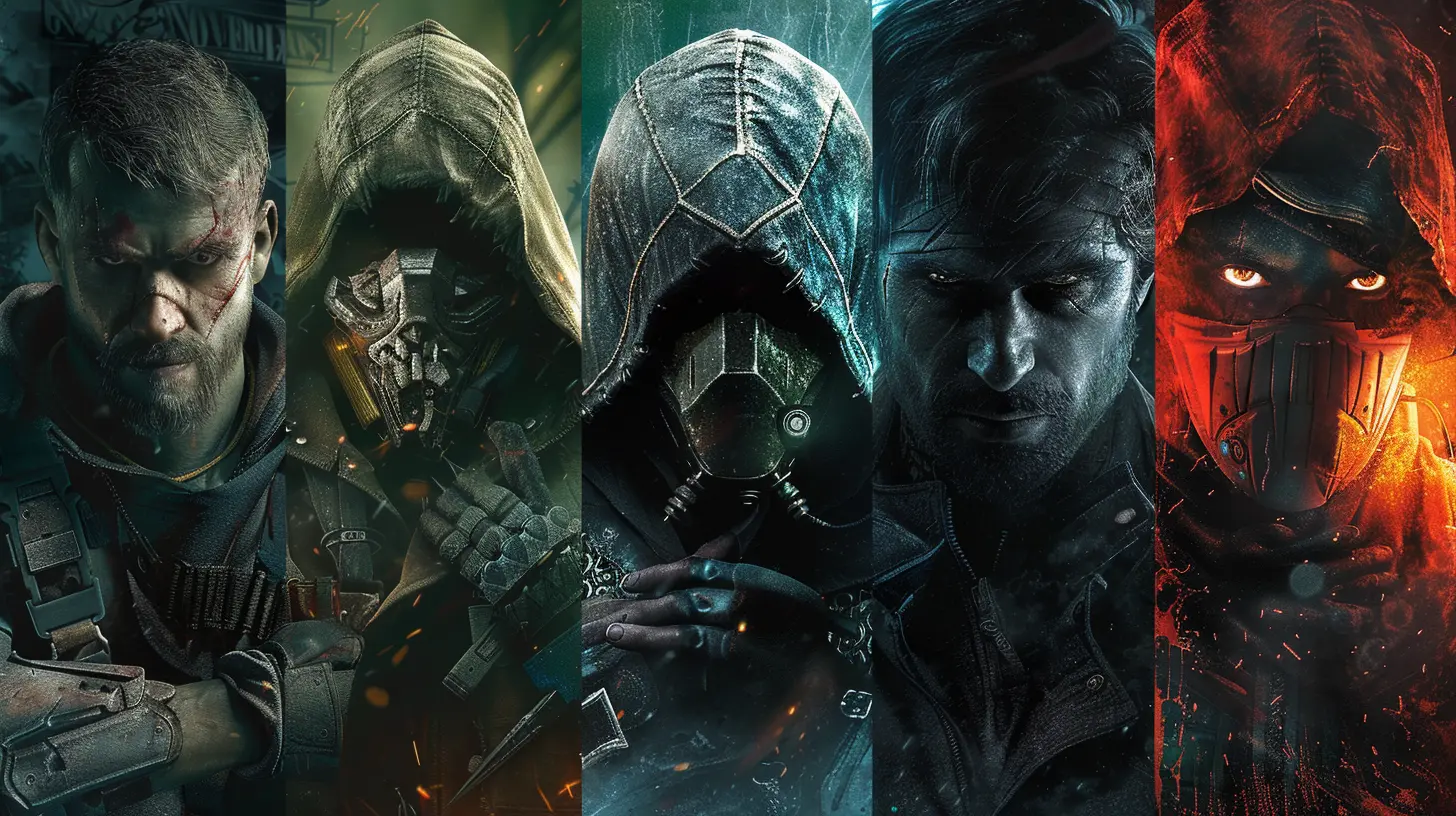
The Pixelated Origins – When Villains Were Just Bosses
Let’s go way back. We’re talking 8-bit era. Back then, villains were more like obstacles than actual characters.Think about Bowser in the original Super Mario Bros. He was more of an end-level gatekeeper than a malevolent king with ambitions. He kidnapped Princess Peach because… well, that’s what villains did. No backstory, no motives, just pure bad guy energy.
Same with Dr. Robotnik in Sonic the Hedgehog. He captured animals and turned them into robots. Why? Because he’s evil. That’s it. No deep dive into his psyche, no tragic origin story—just mustache-swirling villainy.
Back then, storytelling was minimal because of hardware limitations. Games were about gameplay, not narrative. But as technology evolved, so did the stories we could tell.
The 90s and Early 2000s – A Shift Toward Complexity
Things started changing in the 90s. Games got more powerful, designers got bolder, and suddenly villains weren’t just bosses—they were characters.Sephiroth (Final Fantasy VII) – The First Sympathetic Villain?
If you’ve played Final Fantasy VII, you probably still remember Sephiroth. He wasn’t just another big bad with a big sword—he had depth. His backstory involved betrayal, identity crisis, and ultimately, a descent into madness.For many gamers, Sephiroth was the first villain that felt… real. You didn’t agree with him, but you understood why he turned evil. That was groundbreaking at the time.
GLaDOS (Portal) – A Different Kind of Evil
Portal introduced us to GLaDOS, an AI gone rogue that was cold, calculating, and dripping with sarcasm. But what made her memorable wasn’t just her creepy demeanor—it was her transformation. As you dug deeper, you realized there was more under the surface: a tragic office culture experiment, human consciousness, and emotional manipulation.That’s the thing—villains were starting to get personality. They weren’t just evil; they were entertaining, mysterious, and often tragic.
The Rise of the Anti-Villain – Morally Gray is the New Black
Somewhere along the way, gamers got tired of one-dimensional villains. We wanted complexity. We wanted to know why the villain did what they did. And the line between hero and villain started to blur.The Illusive Man (Mass Effect Series)
The Illusive Man wasn’t your typical antagonist. He truly believed what he was doing was for the greater good. He wanted to save humanity—but on his own terms. His intentions were noble, even though his methods were sketchy (and sometimes straight-up horrifying).That’s the essence of the modern anti-villain: someone who believes they're the hero of their own story.
Vaas Montenegro (Far Cry 3)
Let’s talk about chaos. Vaas from Far Cry 3 was unpredictable, charismatic, and terrifying. But unlike older villains, Vaas wasn’t "evil" for the sake of it. His mental instability, shaped by years of trauma and exploitation, made him a product of his environment.He was scary not because he was powerful, but because he was human. Vaas showed us that the scariest villains aren’t monsters—they’re people.
Psychological Realism – When Villains Mirror Us
In recent years, writers and developers have leaned into psychological realism. Gaming has become a platform for exploring deeper human emotions like grief, jealousy, and loneliness—through the lens of villains.Handsome Jack (Borderlands 2)
On the surface, Handsome Jack is your classic narcissist. But if you actually pay attention to his dialogue, you realize he genuinely thinks he’s saving the world from chaos.The crazy part? Some players started to agree with him.
That’s what makes Jack such a compelling character. He’s not just a villain—he’s a mirror, reflecting our own twisted justifications back at us.
The Joker (Batman: Arkham Series)
The Joker has always been chaotic evil, right? But Rocksteady’s Arkham series gave us a look into his psyche. His relationship with Batman bordered on obsessive. He didn’t want to kill the hero—he needed him. Their bond was a twisted dance of co-dependence, making the Joker less of a villain and more of a dark reflection of the hero.Female Villains – Breaking Stereotypes
Let’s be real, gaming was long dominated by male villains. But as the industry matured, female antagonists began to emerge with rich, layered backstories.Lady Dimitrescu (Resident Evil Village)
She became an internet sensation for obvious reasons (yep, you know why), but beyond her towering presence was a deeply tragic backstory. A mother desperate to protect her daughters, cursed by science gone wrong—her story wasn’t about domination, but survival and grief.Delilah Copperspoon (Dishonored 2)
Delilah's story is one of betrayal, legitimacy, and vengeance. Her goal? Reclaim a throne she believes is rightfully hers. What’s beautiful about her arc is that it challenges the idea of who gets to be royal, who writes history, and who decides justice.Female villains in modern gaming aren’t just femme fatales. They’re rulers, scientists, outcasts. And their stories are just as complex and heartbreaking as their male counterparts.
Indie Games – Smaller Studios, Bigger Stories
Let’s not ignore indie games. In fact, they’re often where the most innovative storytelling happens. These developers take risks, and that includes how they craft their antagonists.The Beast (Hyper Light Drifter)
The villain in Hyper Light Drifter isn’t spelled out. There are no long cutscenes or voiceovers. The story is told through visuals, symbols, and player interpretation. And in doing so, the villain becomes a metaphor for illness and mortality. It’s abstract, sure—but deeply emotional.The Narrator (The Stanley Parable)
Not a traditional villain, but certainly an antagonist. The narrator in The Stanley Parable represents authority, control, and the illusion of choice. The game subtly forces you to question free will, purpose, and rebellion. The “villain” here isn’t a person, it’s a system.Why Do We Love Complicated Villains?
Because they feel real. Straight-up evil villains don’t scare us anymore. But ones who are broken, misunderstood, even justified? They hit different.We relate to their pain, even if their methods are wrong. Maybe it’s because we’ve all felt betrayed, overlooked, out of control. A well-written villain reminds us that the line between hero and villain… is really, really thin.
The Future of Video Game Antagonists
So where do we go from here? As storytelling evolves and gamers crave deeper narratives, expect even more morally complex villains. Think dynamic story arcs where your choices impact the villain’s development. Imagine games where you could redeem the antagonist—or become one yourself.AI and procedural storytelling might even allow future villains to adapt in real-time, learning from your actions and evolving accordingly. That’s not just next-gen hardware; that’s next-gen storytelling.
Final Thoughts
The evolution of villain backstories in gaming isn’t just a storytelling trend—it’s a reflection of us. As players, we’ve matured. We want more than shoot-the-bad-guy tropes. We want nuance. Emotion. Conflict.Villains are no longer just the final boss you beat—they're the character you remember long after the credits roll.
And maybe, just maybe, that’s what makes them so powerful.
all images in this post were generated using AI tools
Category:
Game LoreAuthor:

Luke Baker
Discussion
rate this article
1 comments
Sloan McElhinney
This article highlights a fascinating shift in storytelling. Villains are no longer just obstacles; they have depth and relatable motives. It's exciting to see how these backstories enrich the gaming experience and engage players more deeply.
August 8, 2026 at 3:13 AM
Luke Baker
Thanks for your thoughts! I agree - the depth of modern villains adds a whole new layer to storytelling and really pulls players into the narrative. It's a game changer!