The Evolution of Fan Art in Gaming Culture
21 August 2026
If you've ever scrolled through Instagram, Tumblr, or Reddit after finishing a game and found yourself blown away by what fans are creating—welcome to the world of fan art. It’s not just pretty pictures. It’s a celebration, a rebellion, a love letter, and sometimes even a middle finger to the gaming industry—all rolled into one. Fan art has evolved alongside games, and honestly? It's become a massive part of gaming culture.
In this article, we’re diving headfirst into the history, growth, and sheer magic of fan art in gaming. Buckle up—this is going to be a wild ride through pixelated nostalgia, digital revolutions, and passionate creativity.
What Even Is Fan Art?
Let’s get the basics out of the way. Fan art is artwork created by fans rather than the original creators. It usually revolves around characters, scenes, or universes from games, shows, or books that people love.When it comes to gaming, fan art can range from simple sketches of Mario to hyper-realistic portraits of Ellie from The Last of Us. It's personal. It's creative. And most of all, it's a way for players to show love—or sometimes critique—for the games that left a mark on them.
The Pixelated Beginnings: Fan Art in the '80s and '90s
Back in the day—think floppy disks, CRT monitors, and 8-bit soundtracks—fan art was mostly shared through magazines, local gaming clubs, and snail mail. Yep, you read that right.Before the internet was a thing, die-hard fans would literally mail in their game-inspired illustrations to magazines like Nintendo Power, hoping they'd get featured in the "Fan Art" section. It was old-school, but it was the start.
Why this mattered:
This era was raw. Gamers were mostly kids or teens with crayons and a dream. But it was the beginning of a community forming—a creative outlet for people who didn’t just want to play games… they wanted to live in them.
The Internet Explosion: Forums, DeviantArt, and the Rise of Online Communities
Enter the early 2000s. Suddenly, fan artists didn’t need to wait weeks for someone to publish their work—they had DeviantArt. That site was an absolute game-changer. Artists from around the globe could upload, comment, share, and improve their craft by seeing what others were doing.Forums dedicated to fan art also popped up—places like Gaia Online, Neopets, and later Tumblr created tight-knit communities. Everybody had a signature piece, a sketchbook thread, or a request shop.
The shift:
Fan art went from being hidden in notebooks to becoming a major part of online identity. If you were a gamer, chances are you reblogged, liked, or bookmarked art of your favorite characters. And artists? Their reach grew exponentially.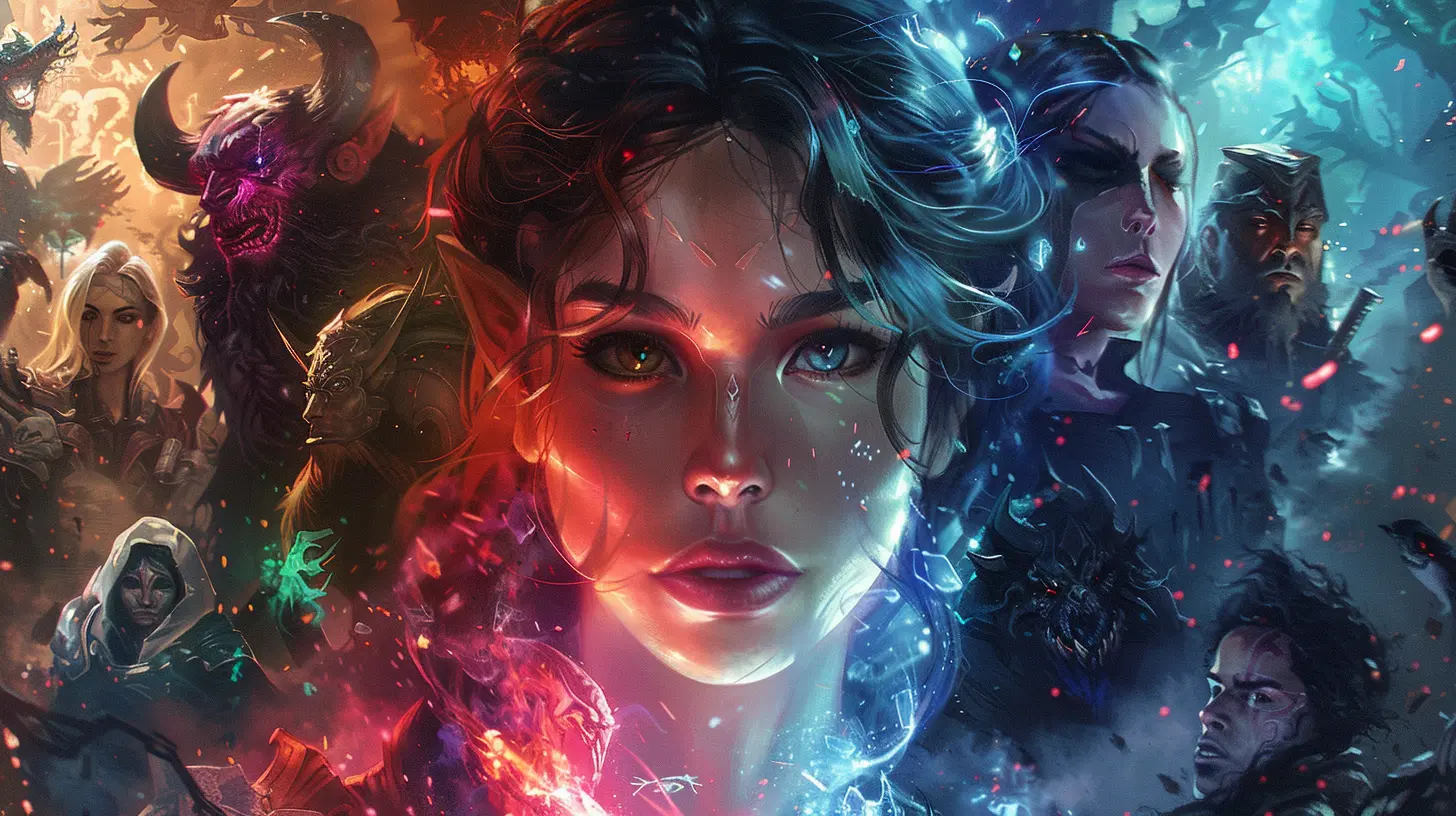
From Fan Art to Fan Artists: Making a Living Off Passion
Let’s talk money. Because while fan art started as a passion project, many artists now turn it into side income—or even full-time careers.Etsy, Gumroad, Ko-fi, conventions like Comic-Con… the avenues are endless. You’ve probably seen fan artists selling prints, stickers, t-shirts, zines, and more. And guess what? Some of them are making serious bank.
But here’s the twist:
Some game developers are totally cool with it (shoutout to Toby Fox and the Undertale community), while others play copyright police.
It's a fine line. But if done respectfully, fan art has become a career stepping stone. Heck, some artists even get hired by studios because of their fan art!
Social Media Supercharge: Fan Art in the Age of Instagram and TikTok
Okay, so now we’re in the present day. Social media has turned everything up to 11.Platforms like Twitter (or X if you wanna get fancy), Instagram, and TikTok have created viral fan art moments that can hit millions of views overnight. One great example? That Sonic the Hedgehog fan redesign that actually influenced the movie’s final look. Wild, right?
And let’s not forget fan artists like @bosslogic or @sakimichan who have massive followings and influence in geek and gamer circles.
Fan art today isn’t just for fun—it’s clout, portfolio, and engagement all rolled into one.
The Role of Fan Art in Gaming Fandoms
Fan art isn't just decoration. It fuels fandoms. Think of it like food for the soul of a gaming community.When a game drops and fan art starts pouring in, it keeps the hype alive even after you’ve finished your 50-hour campaign. It sparks theories, fuels shipping wars (looking at you, Final Fantasy fans), and helps players interpret characters through different lenses—LGBTQ+, cultural reinterpretations, and more.
It’s inclusive, diverse, and sometimes more emotionally powerful than the source material. No joke.
Fan Art as Protest and Commentary
Let’s get a bit spicy here.Fan art isn’t always about love. Sometimes it’s about calling out issues. Artists have used fan art to tackle racism, sexism, and poor representation in games. They redraw characters to be more inclusive. They imagine alternative narratives.
Think of it like this: fan art is a mirror, and sometimes that mirror shows what developers refuse to acknowledge.
This is where things get real. Fan art as protest isn’t just brave—it’s necessary.
The Gray Zone: Legal Issues and Copyright Drama
Now, not everything’s rainbows and pixels. The legal stuff around fan art is... murky.Technically, fan art uses copyrighted characters. So publishers could, in theory, issue take-downs or worse. But most don’t. Why? Because they know it’s free marketing and good PR. But not all companies are chill about it—Nintendo, for example, has a bit of a reputation for being strict.
So, what's the deal?
Stay respectful, avoid mass-producing for profit without permission, and give credit to original creators. That’s the golden rule.
Still, fan art lives in that middle space—loved by fans, sometimes tolerated (or encouraged) by devs, and always a little risky.
Gaming Companies Embracing Fan Art
Thankfully, many companies have started celebrating fan creations. Riot Games (League of Legends), CD Projekt Red (The Witcher), and even Blizzard have held fan art contests, featured artists on social media, and even included fan designs in official merch.That’s a huge win for creators. It shows the line between fan and pro is blurring—and maybe, just maybe, that’s how it should be.
Games are for the community, and fan art proves it.
The Future of Fan Art in Gaming Culture
So, where do we go from here?With tools like AI-imaging (controversial, we know), VR sculpting, and NFTs shaking up the creative space, fan art is entering uncharted territory. But the heart of it remains the same: connection.
As long as people love games, they’ll draw them, remix them, and reimagine them. The tools change; the passion doesn’t.
And who knows? The next big game-changer in the industry might not come from a studio—but from a fan artist with a sketchpad and a vision.
Final Thoughts
Fan art has come a long way—from pencil sketches in the back of gaming magazines to viral TikToks and professional gigs. It's not just a side hobby anymore. It’s a cornerstone of how we experience and engage with games.So next time you stumble across a piece of fan art that makes you pause, smile, or even cry—remember: that’s gaming culture at its finest.
The world of games isn't just built by devs. It's shaped, celebrated, and sometimes challenged by the fans who love them most.
And honestly? That’s kind of beautiful.
all images in this post were generated using AI tools
Category:
Gaming CommunitiesAuthor:

Luke Baker
Discussion
rate this article
1 comments
Sophie McGivern
Fan art reflects the heart of gaming culture, showcasing creativity and passion. It's fascinating to see how styles and themes have evolved alongside the industry. From simple sketches to stunning digital pieces, fan art not only celebrates games but also creates a vibrant community that connects fans across the globe.
August 27, 2026 at 3:03 PM