Races, Species, and Their Cultures in Game Worlds
13 June 2026
Ever paused mid-quest to think about what really makes the world you’re playing in come alive? Sure, gameplay mechanics matter, and that next-level boss is probably giving you a headache—but let’s be real. The heartbeat of any great game world isn’t just in the sword-swinging or mana-blasting. It’s in the colorful tapestry of races, species, and cultures that make these digital realms feel less like code and more like living, breathing worlds.
Let’s dig into what turns a generic fantasy land into a world you care about. We’re diving deep into how different races and species, with their rich cultures, histories, and social nuances, shape the games we love—and maybe even influence how we play them.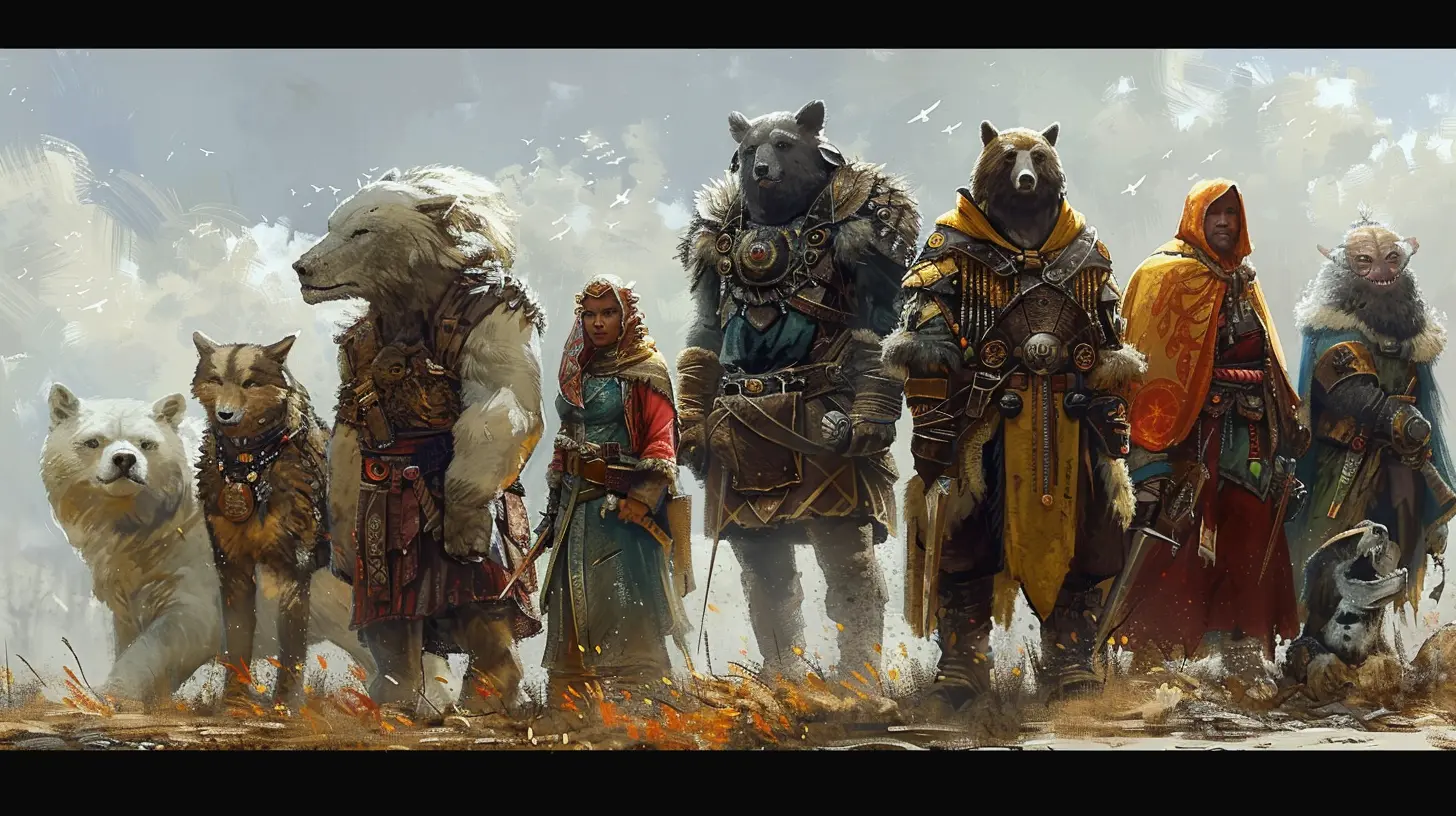
Why Races and Species Matter in Games
Think of your favorite RPG. Chances are, it includes a roster of unique races or species you can choose from—whether it’s a pointy-eared elf, a battle-hardened orc, or a mysterious lizard-folk.But these aren’t just cosmetic choices. They’re identity choices.
More Than Just a Skin Swap
In a lot of games, selecting a race affects your stats, abilities, and even how NPCs react to you. A dwarf might get a bonus to crafting, while a feline race might be sneakier than the rest. But it doesn’t stop there. These traits often tap into deeper lore and culture.When developers craft deep backstories and social systems for each group, they enrich the entire world. It’s the difference between playing in a fantasy map and living in a fantasy universe.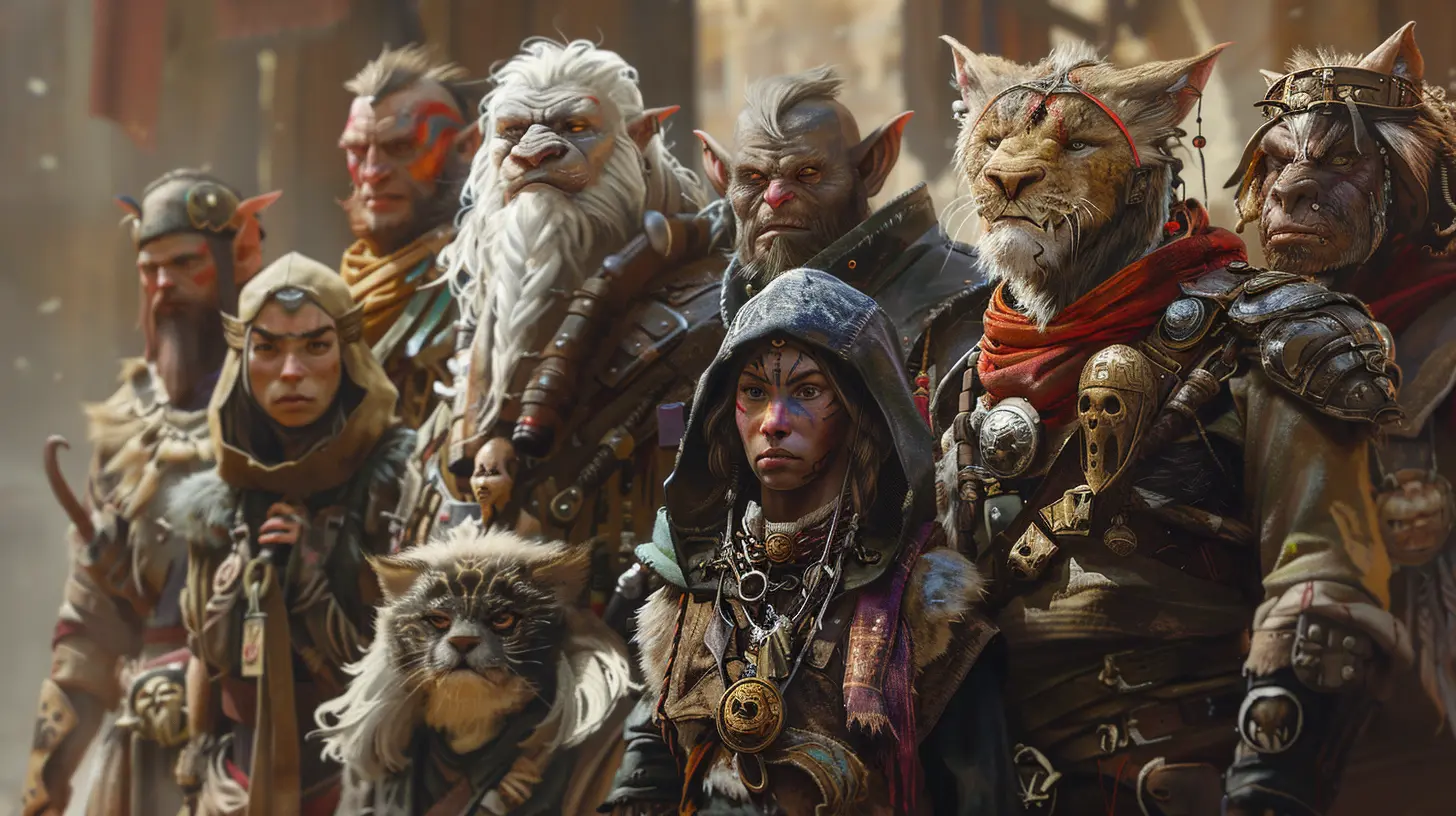
Fantasy Staples: The Usual Suspects
We’ve all seen them—elves, dwarves, orcs. These races are like the rockstars of fantasy game worlds. They’ve been around forever and for good reason.Elves: Grace, Magic, and Millennia of Wisdom
Slender, wise, and usually a little bit smug, elves are often portrayed as ancient beings with a deep connection to magic and nature. They live for centuries (or even forever), which gives them a kind of timeless perspective. Their cultures are often refined, leaning into art, literature, and powerful arcane traditions.But they’re not just tree-huggers with glitter. Some games portray elves as politically divided, morally ambiguous, or even xenophobic. That twist makes them feel more real and textured.
Dwarves: Short, Stout, and Proud
Dwarves are all about honor, tradition, and craftsmanship. You’ll find them deep in the mountains, where they mine rare minerals and build underground cities carved into stone.Their cultures are usually tight-knit and conservative, placing huge value on family lines, loyalty, and hard work. You can bet they throw amazing feasts and terrifying grudges.
Orcs: Fierce Warriors and Tribal Societies
Often misunderstood, orcs tend to get a bad rap. In older fantasy, they were the go-to villains. But in modern games, they’ve become more layered.Orcs usually live in tribal communities with strong warrior codes and deep spiritual beliefs. They value strength, but that doesn’t always mean violence. Their cultures can be surprisingly intelligent, artistic, or even diplomatic—when they want to be.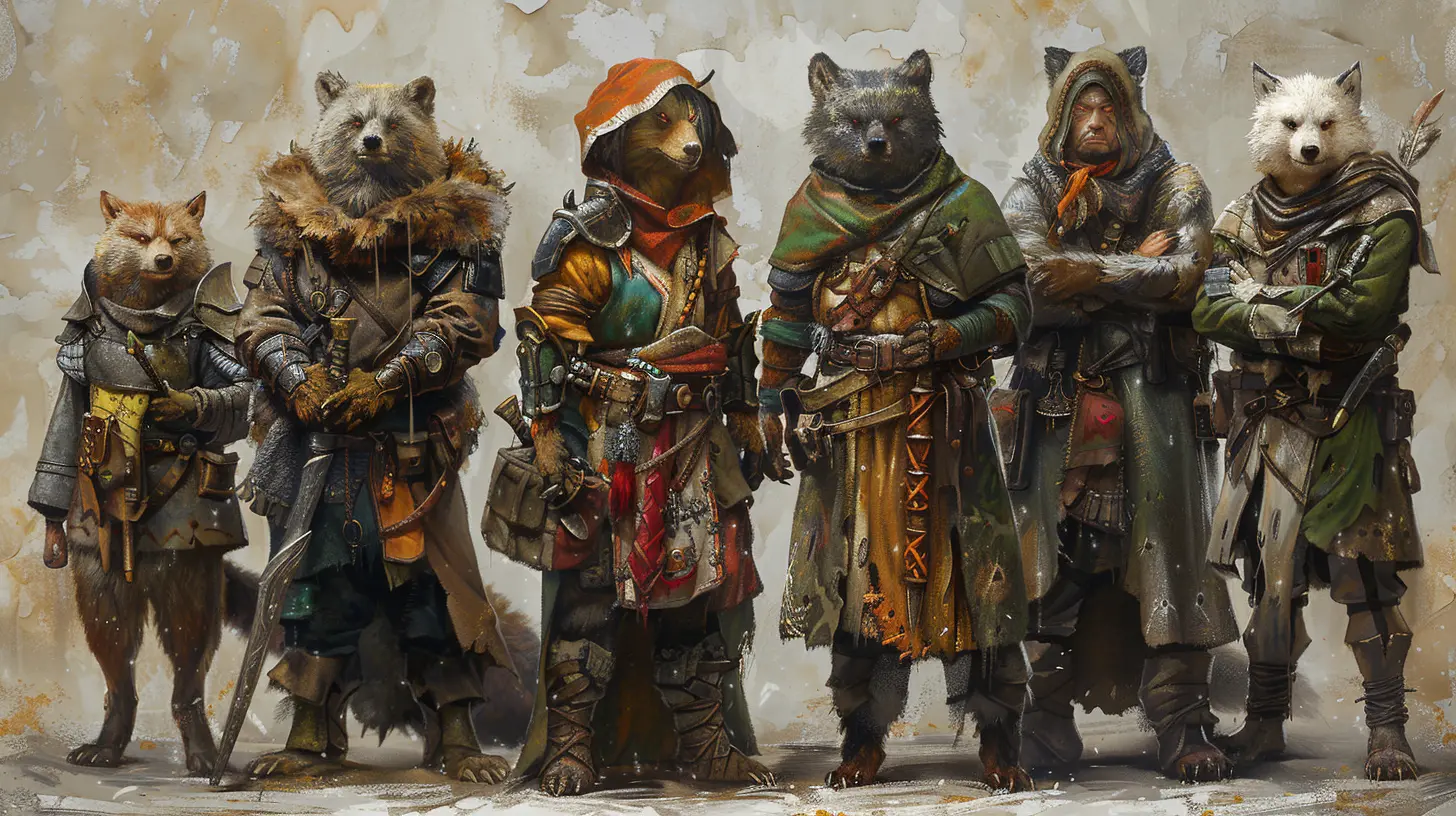
Beyond the Classics: Original and Underrated Game Races
While the fantasy staples set the foundation, the real magic happens when developers get creative and introduce original species and cultures.Khajiit (The Elder Scrolls Series)
Ever wanted to be a furry-faced feline with a penchant for stealth? The Khajiit are your jam. But they’re more than just sneaky cat-people. Their culture is rich in mysticism, moon cycles, and trade. They speak in a unique dialect and follow a philosophy that binds them closely to their gods.Playing a Khajiit means engaging with a way of life that’s deeply spiritual and often misunderstood by other races.
Viera (Final Fantasy Series)
The Viera are rabbit-like humanoids known for their elegance and isolation. Living in the forests and rarely mingling with outsiders, their culture values peace, nature, and solitude.Their resistance to modern society makes their stories all the more compelling when they do venture out into the wider world. There's always a little tug-of-war between tradition and change in their narrative arcs.
Charr (Guild Wars 2)
Forget your average bloodthirsty brute. The Charr are feline warriors with an industrial twist. Their culture is all about military structure, engineering, and reclaiming glory.They're a shining example of how a race can break free from traditional fantasy roles. Imagine steampunk meets Sparta—that’s Charr society.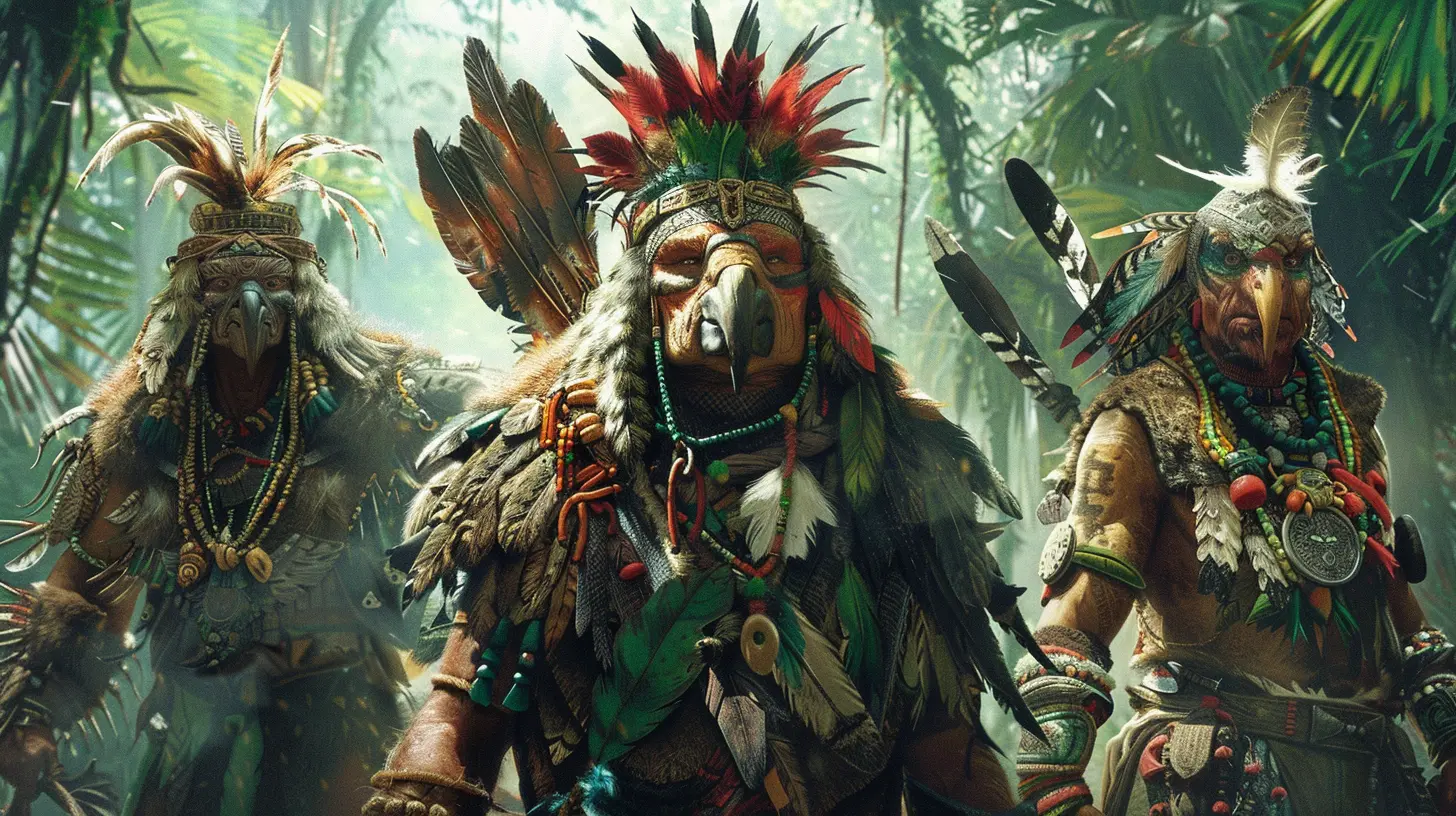
Cultural Depth: Building a Believable World
It’s not just about physical traits or combat abilities. When a game takes the time to create languages, rituals, belief systems, and internal conflicts for its races, that’s how you know it’s doing world-building right.Language and Dialect
A made-up language, even just a few phrases, can go a long way. Whether it’s Dovahzul in Skyrim or Hylian in Zelda, unique dialects make races feel authentically “other.” It tells you this culture has depth—it wasn’t just slapped together overnight.Religion and Belief Systems
Ever notice how some races have deep-rooted spiritual beliefs? These can shape everything from architecture to day-to-day decisions.A race that worships a sun god might build open-air cities, while one that fears the sky might burrow underground. These belief systems influence everything—customs, politics, and even cuisine.
Fashion and Architecture
What people build and wear says a ton about them. Sleek, elven towers show their finesse and magical affinity. Craggy, dwarven halls scream durability and tradition.When designers align fashion and structures with cultural values, you immediately understand more about that race without needing a single line of dialogue.
Social Dynamics: Conflict and Coexistence
Just like in the real world, not all fantasy cultures get along. That friction makes things interesting.Racial Tension and Prejudice
Take Dragon Age, for instance. Elves often live in ghettos, and humans tend to be... well, jerks. That tension bleeds into every interaction and quest choice.Games that tackle issues like racism, classism, and power struggles through their fantasy races give players meaningful choices. It’s storytelling that hits hard without losing the fun.
Alliances and Diplomacy
It’s not all doom and gloom—sometimes you get to be the peacemaker. Building alliances between races adds layers of strategy and emotion.In games like Mass Effect, choosing to support one alien race over another can radically alter the story. That’s when fantasy culture-building becomes more than window dressing—it becomes gameplay.
How Race Affects Roleplay
Let’s talk RP. Picking a race isn’t just about min-maxing your stats. It can define how you behave in the world.Are you playing a noble elf ashamed of their people’s arrogance? A rogue orc trying to change stereotypes? A lizard-person who just wants to sell fish at the market?
Backstory and Motivation
A well-written race gives you a springboard for your own story. It helps you ask the “why” behind your character’s actions.Why did they leave their homeland? What traditions do they follow? Which ones did they reject? These questions turn a cookie-cutter character into someone you care about.
Games That Really Nail It
Let’s shout out a few games that do an outstanding job of integrating races and their cultures:- The Elder Scrolls Series – Every race has its own political history, gods, and social structures.
- Dragon Age Franchise – Offers nuanced takes on race and cultural conflict.
- World of Warcraft – Love them or hate them, WoW’s factions bring cultures to life with their histories and biases.
- Mass Effect Series – While it's sci-fi, the different alien species feel like fully fleshed-out cultures with economic, religious, and political dimensions.
- Divinity: Original Sin 2 – Your race affects dialogue choices, party interactions, and even how the story ends.
The Future of Race and Culture in Games
With the rise of more inclusive development teams and storytelling becoming more nuanced, we’re seeing even better representation of in-game cultures. Expect more original species, more meaningful lore, and more ways for players to explore identity.Imagine choosing a race where your choices influence not just your stats, but your entire cultural legacy. That’s where games are headed—and it’s exciting.
Final Thoughts
So, the next time you’re picking a new character in your favorite RPG or MMO, think beyond just the bonuses and stat gains. Think about their people, their culture, their place in the world. By diving deeper into the rich stories behind these races and species, you’re not just playing a game—you’re stepping into a vibrant, complex universe that’s waiting to be explored.Trust me, it makes every quest, conversation, and conflict ten times more meaningful.
Happy adventuring!
all images in this post were generated using AI tools
Category:
Game LoreAuthor:

Luke Baker
Discussion
rate this article
2 comments
Presley McSweeney
Exploring diverse races enriches storytelling, revealing deeper themes of identity and coexistence in games.
September 4, 2026 at 3:16 PM
Luke Baker
I completely agree. Diverse races add layers to stories, making them more relatable and impactful.
Viviana Clayton
This article is a delightful dive into the diverse races and cultures that make game worlds so vibrant! It's fascinating to see how each species adds unique flavor to our favorite gaming adventures. Great read!
June 16, 2026 at 4:30 AM
Luke Baker
Thank you! I'm glad you enjoyed the exploration of races and cultures in gaming. They truly do bring these worlds to life.