Most Innovative Mechanics in Popular Video Games
25 July 2026
Ever played a video game and thought, “Whoa, that’s different!”? That jaw-dropping moment when a game tosses out the rulebook and does something completely new is what separates the good from the legendary. In the constantly evolving world of gaming, innovation isn’t just a buzzword—it’s the spark that fuels unforgettable gameplay.
In this article, we’re diving deep into the most innovative mechanics in popular video games—those rare gems that flipped the script and showed us something we’d never seen before. Whether it's a completely new way to interact with the game world or a twist on traditional gameplay, these mechanics left a lasting mark on the industry.
What Makes a Game Mechanic Innovative?
Before we hit the ground running, let’s first define what we mean by “innovative mechanics.” We’re talking about unique gameplay features that break away from the usual rinse-and-repeat formulas. This could be something that enhances immersion, reshapes player choice, or even redefines how we interact with the game entirely.Imagine giving Mario a gun. Sounds wild, right? But that’s exactly the kind of bold thinking we’re celebrating here. It's not just the "what"—it's the "how".
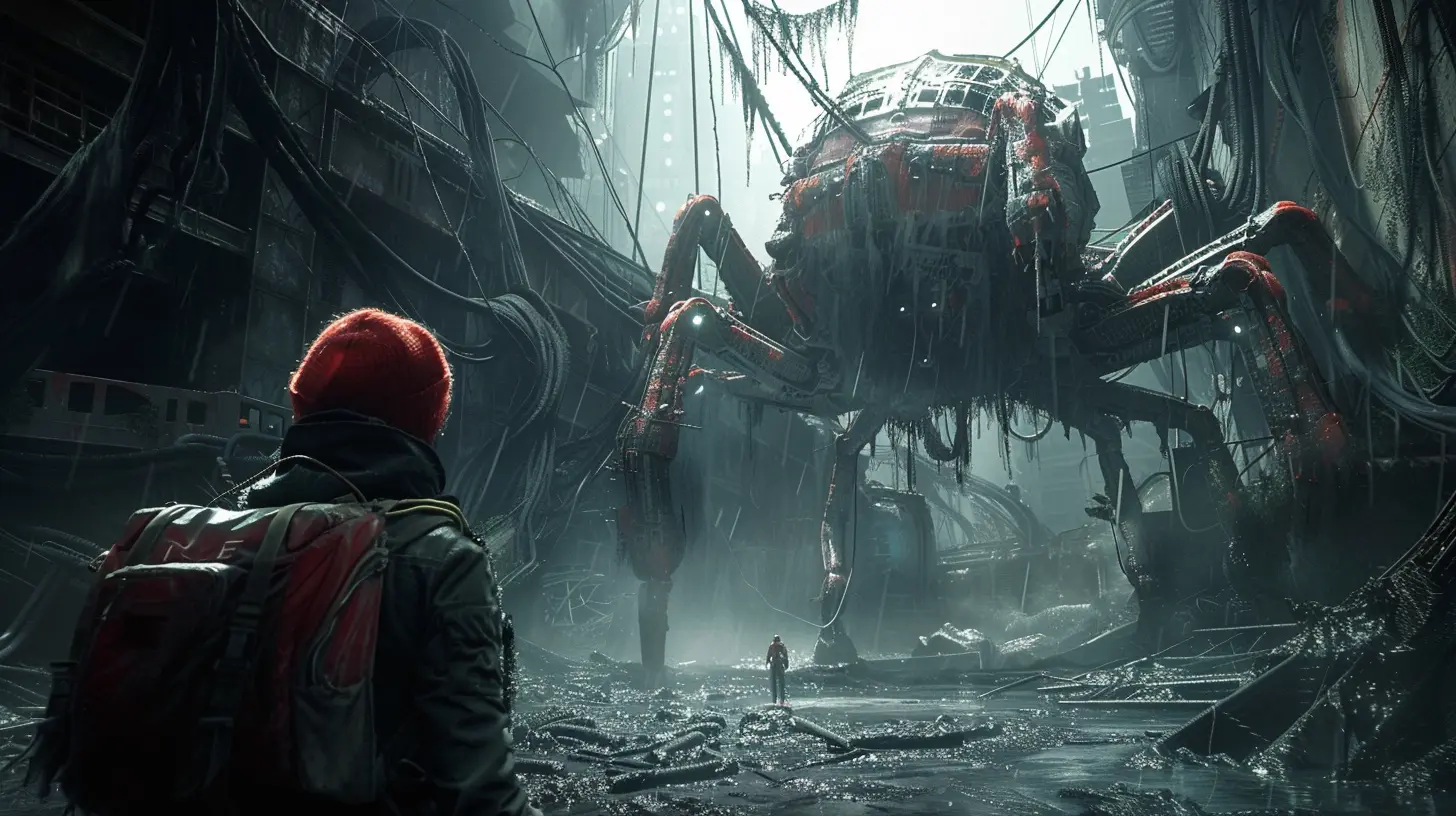
1. Bullet Time – Max Payne
Let’s kick things off with a classic: bullet time in Max Payne. Inspired by action-packed films like The Matrix, this mechanic let players slow down time while moving and shooting at normal speed. That meant you could dive through the air in slow-mo, dodge bullets like a balletic badass, and take out enemies with style.It didn’t just look cool—it felt powerful. And it opened the floodgates for similar slow-motion mechanics in everything from F.E.A.R. to Red Dead Redemption 2.
Why It Changed The Game
- Gave players more control in chaotic combat- Turned every fight into a cinematic masterpiece
- Showed that games could do storytelling and action simultaneously
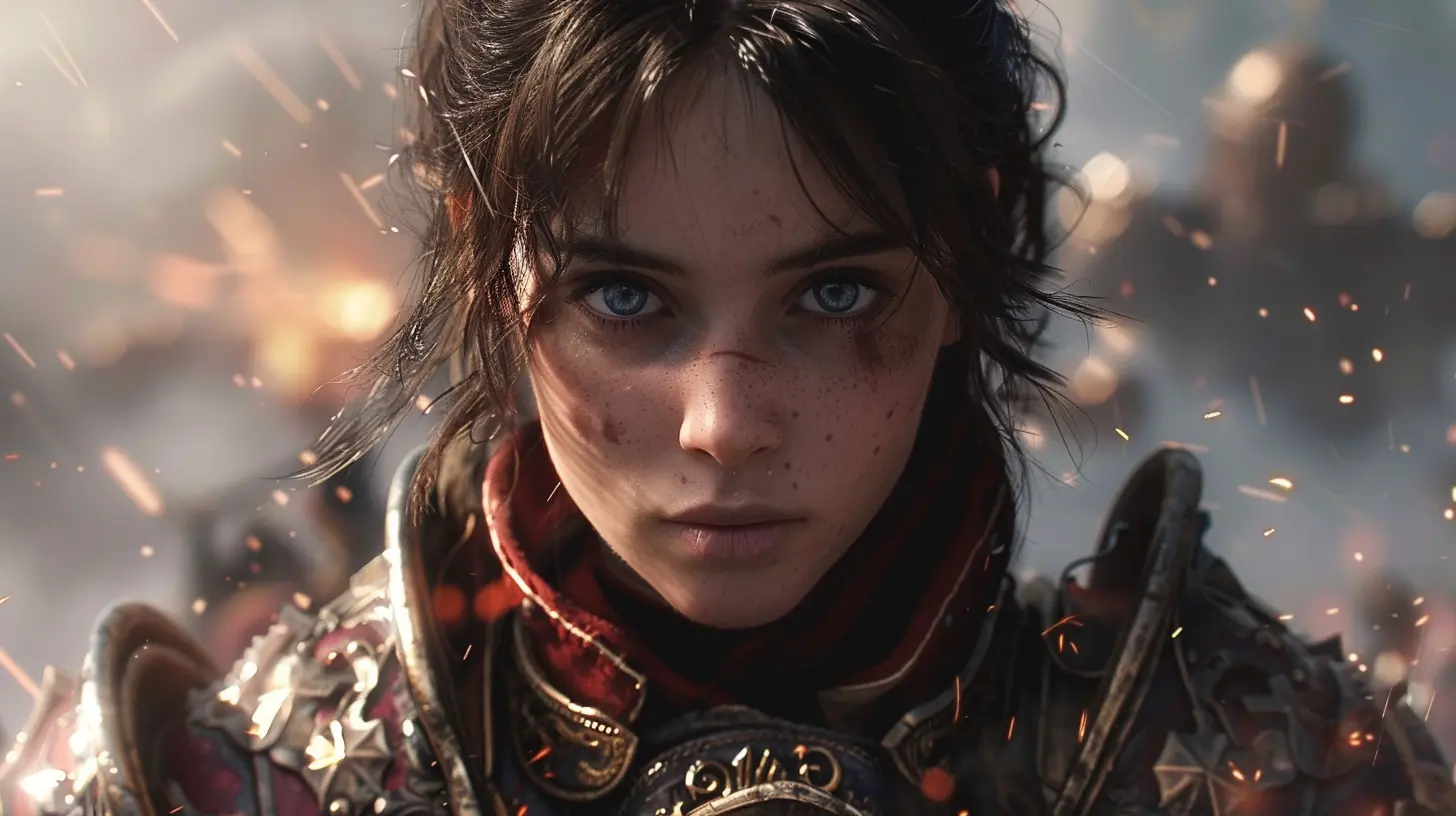
2. Portal Gun – Portal
Few games mess with your brain like Portal. The portal gun wasn’t just a gimmick—it was the essence of the game. With just two portals, players could manipulate space, defy physics, and bend their minds around puzzling conundrums.Think of it like folding space like origami. One second you're here, the next you’re instantly there. It was simple in concept but mind-blowingly complex in execution.
Why We Still Talk About It
- Required completely new ways of thinking- Felt intuitive, but had insane depth
- Proved that first-person games didn’t have to be shooters
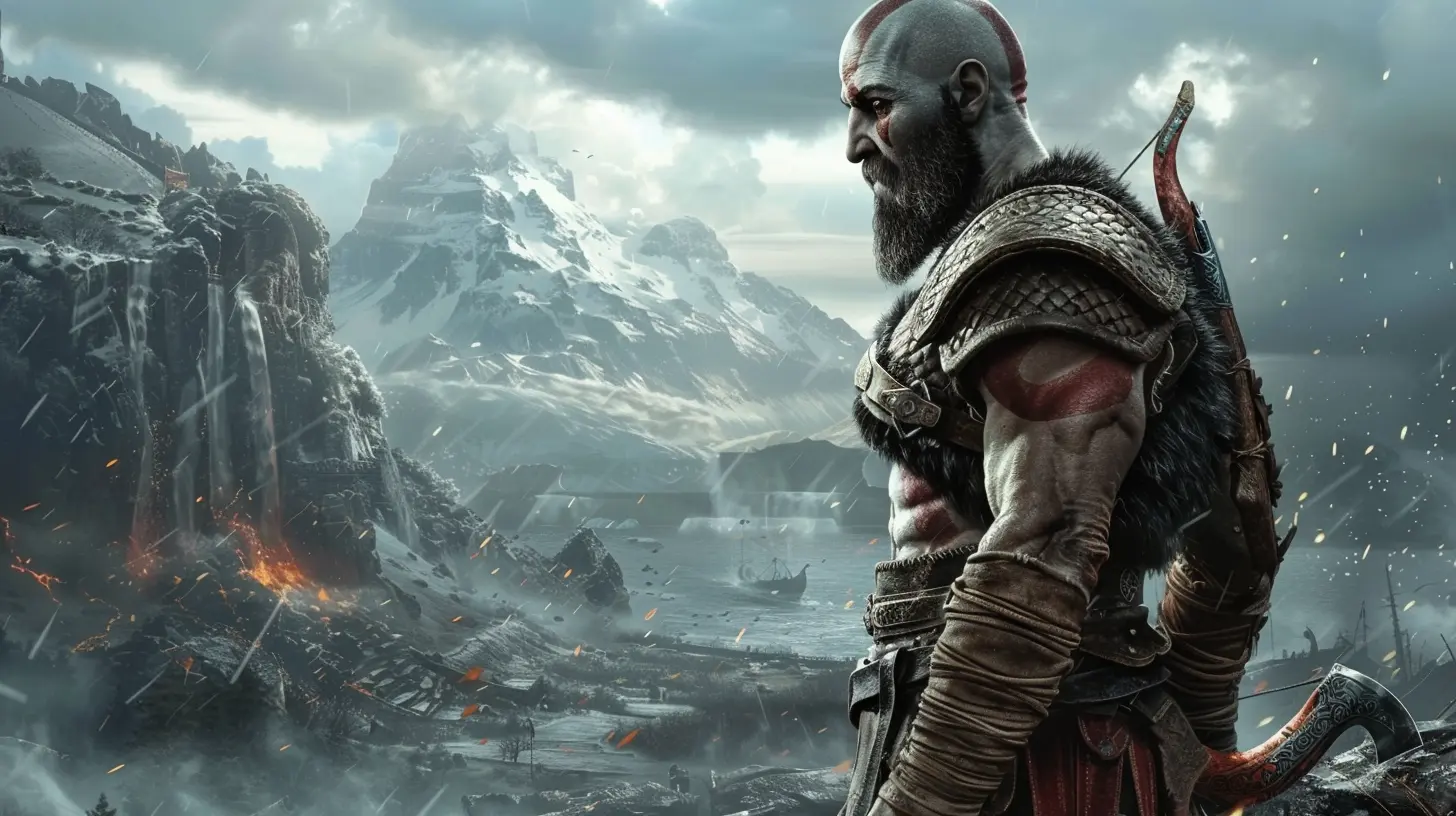
3. Time Loop Narrative – The Legend of Zelda: Majora’s Mask
While fans were basking in the glow of Ocarina of Time, Nintendo pulled a fast one and gave us a dark, strange, and incredibly innovative sequel. Majora’s Mask introduced a 72-hour time loop mechanic, meaning the entire world reset after three in-game days.You weren’t just exploring Hyrule—you were racing against time, learning patterns, and helping others in a groundhog-day-style narrative. That pressure? It made every choice matter.
Why It Was Groundbreaking
- Created urgency and emotional investment in side characters- Encouraged replayability and experimentation
- Introduced a unique sense of dread and consequence rarely explored in Zelda games
4. Nemesis System – Shadow of Mordor
Ever been hunted by an orc carrying a grudge? Thanks to Shadow of Mordor’s Nemesis System, your enemies weren’t just cannon fodder—they were persistent, evolving personalities with names, rivalries, and grudges.Kill one and they might come back scarred and angrier. Lose to one? They climb the ranks and taunt you later.
It added a dynamic flavor to enemy encounters, making every battle feel personal.
Why It’s a Shame It Was Never Copied
- Created emergent storytelling based on player choices- Made even low-level enemies memorable
- Transformed traditional enemy AI into living, evolving characters
5. Gravity-Shifting – Gravity Rush
Take your regular open-world action game... now turn off gravity. Gravity Rush let players defy physics by shifting gravitational pulls, allowing them to walk on walls, ceilings, and even float mid-air.It wasn’t just a travel trick—it was a whole new way to view the environment.
Why It Made Us Dizzy—in a Good Way
- Broke the traditional “up is up” mindset- Gave players a unique feeling of freedom
- Made traversal as thrilling as combat
6. Dialogue Time-Limits – The Walking Dead (Telltale)
Before The Walking Dead, dialogue choices were usually stress-free. You’d sit back, read all your options, and pick the one that suited your mood. Telltale shattered that comfort zone by adding time pressure.Now, conversations had stakes. Say the wrong thing while panicking and you might lose an ally—or worse.
Why It Hit Hard
- Forced gut reactions, not overthinking- Elevated emotional tension in conversations
- Made storytelling feel reactive and real
7. Perspective Swap – Brothers: A Tale of Two Sons
Controlling two characters at the same time? It sounds like a recipe for chaos, but Brothers made it work beautifully. Each brother was controlled using one thumbstick, mirroring their bond and requiring cooperation in gameplay.You weren’t just solving puzzles—you were living the relationship.
Why You’ll Never Forget It
- Blended storytelling with gameplay seamlessly- Created emotional impact through controls alone
- Used mechanics to strengthen narrative themes
8. Asymmetrical Gameplay – Dead by Daylight
Multiplayer games usually lean on balanced teams, but Dead by Daylight threw that out the window. One player is the killer. The other four? Survivors. That shift in power created a whole new genre of horror-infused gameplay.It’s cat-and-mouse, hide-and-seek, and mind games all rolled into one.
Why It’s So Addictive
- Each match feels like a new horror movie- Unpredictable outcomes keep things fresh
- Encourages both strategy and pure chaos
9. Environmental Storytelling – Dark Souls
Dark Souls didn’t spell things out. There was no map. No quest log. Half the time, you weren't even sure what your goal was.But if you looked closely at the world—the items, the architecture, the enemies—you’d piece together a story. It was storytelling through absence, and it worked like magic.
Why It’s So Genius
- Makes the player an active participant in the story- Encourages deep exploration and curiosity
- Lingers in your mind long after you stop playing
10. Corrupted Save File Mechanic – Eternal Darkness
Ever had a game mess with you, the player—not just your character? In Eternal Darkness, the Sanity Meter didn’t just affect what happened on screen. It made you think your save was deleted, your TV was broken, or your controller disconnected.Talk about breaking the fourth wall.
Why It Was (Delightfully) Terrifying
- Played with player expectations and real-world interfaces- Created a sense of psychological horror rarely seen in games
- Still unmatched in how directly it broke immersion on purpose
Honorable Mentions
Some games didn’t make the core list but definitely deserve a shoutout:- Journey – Seamless co-op with anonymous players and zero dialogue.
- Undertale – Letting players beat the game without killing a single enemy.
- Inside – Puzzles that told a story without saying a single word.
- Superhot – “Time only moves when you do,” turning combat into a strategy puzzle.
Why Innovative Mechanics Matter
Innovation is what keeps gaming evolving. It’s the difference between playing yet another generic shooter and experiencing a moment that sticks with you for years. These mechanics didn’t just add novelty—they changed how we think, feel, and play.And let’s be real... it's these moments that we bring up when talking with friends or writing think-pieces like this one.
Game design is an art. And like any great art form, it thrives on risk-taking and originality.
What’s Next?
The future of innovative mechanics looks brighter than ever. With technologies like VR, AI, and procedural generation growing fast, the possibilities are endless. We’re already seeing games that adapt to your playstyle, respond to your emotions, or even let you build entire worlds from scratch.So the next time you pick up the controller, ask yourself: what’s the game trying to show me that I’ve never seen before?
Chances are, you’re about to find something amazing.
all images in this post were generated using AI tools
Category:
Best Video GamesAuthor:

Luke Baker
Discussion
rate this article
2 comments
Nico Williams
Great read! It's amazing how creative game developers can get with mechanics. It keeps the gaming experience fresh and exciting. Can't wait to see what innovative ideas they come up with next. Keep the fun coming!
October 15, 2026 at 3:05 AM
Bernadette Alvarez
This article highlights such creativity in gaming. It's exciting to see how innovative mechanics enhance our experiences and keep us engaged. Great read!
July 31, 2026 at 4:45 AM
Luke Baker
Thanks for your kind words! I'm glad you enjoyed the article. It's amazing how creativity in gaming continues to evolve.