How the Best Video Games Keep Players Hooked
27 December 2025
Let’s face it—video games have a magical way of pulling us in and not letting go. You start playing, tell yourself "just one more level," and suddenly it's 2 a.m. The dishes are still in the sink, your phone is buzzing with missed texts, and you’re glued to your screen like your life depends on it.
But what is it about the best video games that make them so darn addictive? What kind of digital sorcery keeps us coming back for more?
In this deep dive, we’re going to unravel the secrets behind the most captivating games. From sneaky psychological tricks to perfectly tuned game mechanics, get ready to understand how your favorite games really keep you hooked.
The Psychology Behind Player Engagement
Before we dig into the guts of game design, let's talk brain science—don't worry, we'll keep it casual.Your brain loves rewards. That little glow you feel when you level up or beat a tough boss? That’s dopamine, your brain’s favorite feel-good chemical. The best video games know how to trigger dopamine hits like a DJ spinning your favorite tracks.
Variable Rewards: The Slot Machine Effect
Ever wonder why loot boxes or random item drops feel so exciting?This comes from a psychological principle called variable reward scheduling—same thing that makes slot machines addictive. When you might get something amazing, it keeps you playing. The uncertainty adds excitement and tension.
Games like Overwatch, Destiny 2, and Borderlands use this mechanic masterfully. Even when you're not getting that epic drop, you still want to keep trying.
Progress = Satisfaction
Another trick? Progress bars, skill trees, and level-ups. Humans are wired to love progress—it’s like checking off a to-do list. Games that show you how far you’ve come (and how close you are to the next milestone) give you that sweet sense of accomplishment, even if all you’ve done is farm virtual potatoes.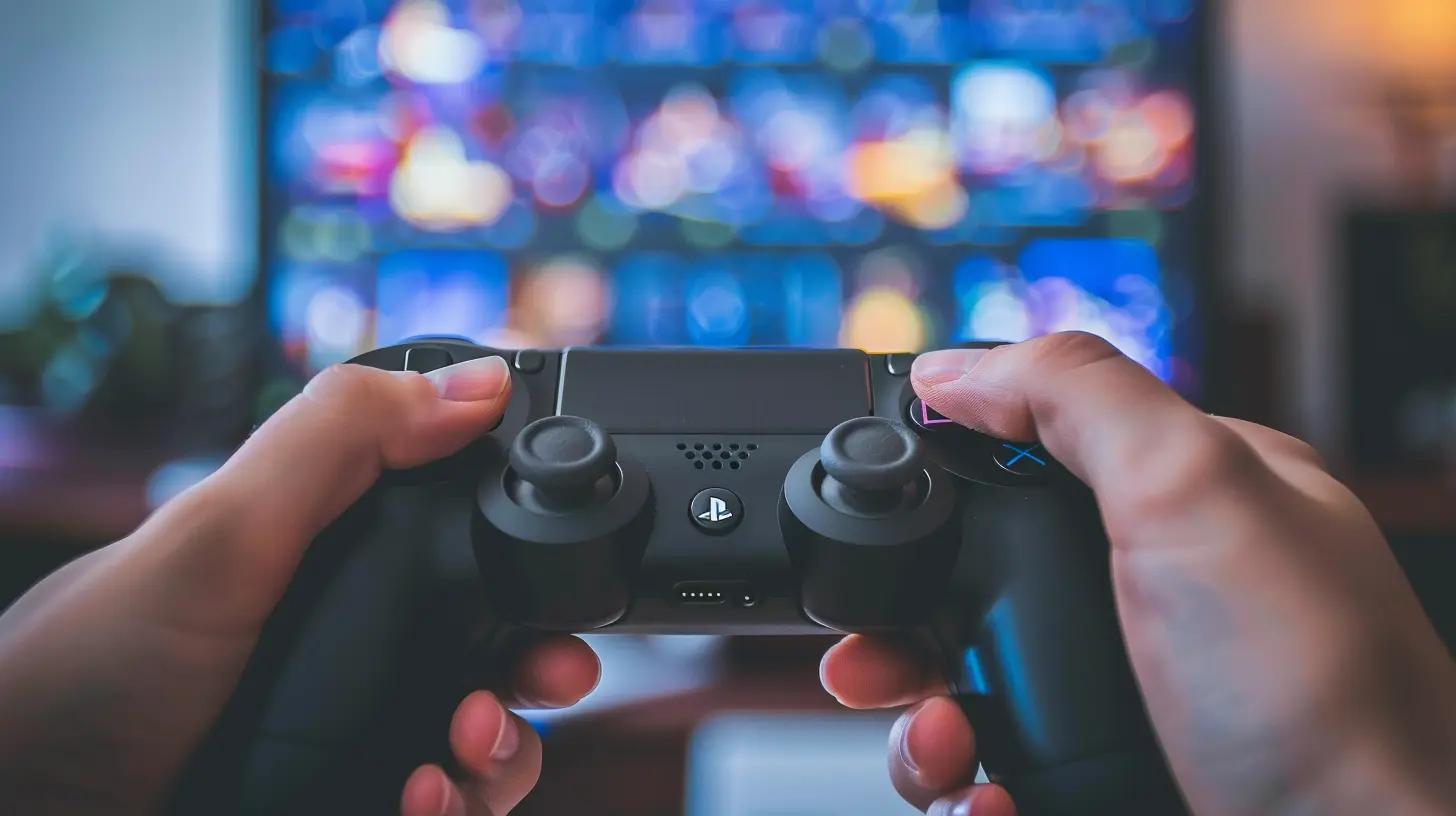
Storytelling That Pulls You In
Plot in video games? Oh yeah, it matters—a lot. Some games suck you in not because of flashy graphics or insane gameplay, but because of their story.Strong Characters and Emotional Hooks
Take The Last of Us, for example. The gameplay is solid, sure. But what really keeps players emotionally glued is the relationship between Joel and Ellie. Their journey is raw, real, and full of emotional twists.It’s not just about blasting zombies—it’s about protecting someone, making impossible choices, and surviving in a broken world.
When you care about the characters, you need to see what happens next. It's like binge-watching a Netflix series, only you are the lead actor.
Choice and Consequence
Games like Mass Effect or Detroit: Become Human double down on “player choice.” Your decisions affect the outcome. You feel in control, like your actions really matter.And when every choice could lead to drastically different endings? That’s replayability gold. You’ll play again just to see what could’ve been.
Game Mechanics & Flow: That “Just One More Turn” Feeling
The best games don’t just entertain—they hypnotize. They create what's known as “flow state,” a balance between challenge and skill that’s so perfect, you lose track of time.Easy to Learn, Hard to Master
A hallmark of great game design is accessibility. Think of Super Mario. Anyone can pick it up and play. But to master it? That takes serious skill and practice.This layered design hooks both casual and hardcore players. You’re always learning something new, and that keeps it interesting.
Feedback Loops
Instant feedback is key. Did you just land a perfect combo or dodge an enemy attack flawlessly? Bam—you get a reward. Maybe it’s a shiny animation, a sound alert, or a big “SCORE!” on the screen.These quick feedback loops make your actions feel powerful and meaningful. You’re not just playing—you’re impacting the world inside the game.
Community and Social Features
Gaming today isn’t a solo sport. Many modern games keep players engaged by tapping into their social cravings.Multiplayer Magic
Whether it’s teaming up in Fortnite, raiding dungeons in World of Warcraft, or strategizing with pals in Valorant—playing with friends adds a whole other layer of fun (and commitment).You’re not just logging in for yourself. You’re logging in for your team, your guild, your squad. That sense of accountability keeps the login streaks alive.
Leaderboards and Competitions
Nobody wants to be last on the leaderboard. Competitive games like Apex Legends or Rocket League keep you grinding to climb the ranks.Seeing your name rise in a leaderboard activates that competitive fire inside. You keep playing because you want to prove something—not just to others, but to yourself.
Regular Updates and New Content
Even the most amazing games can get stale. That’s why successful games keep things fresh with regular updates, seasonal content, and new features.Games-as-a-Service (GaaS)
Games like Fortnite, Genshin Impact, and Warframe keep players hooked with fresh content drops. New skins, quests, characters, or game modes roll out frequently, and players can’t help but jump back in to check it all out.It’s like your favorite show dropping a brand-new episode every week—and you don’t want to miss it.
Events and Time-Limited Offers
Ever notice how a limited-time event almost forces you to play? Scarcity adds urgency.You might not care about special skins or holiday events most days, but if it’s only available for one week—well, now it’s FOMO (fear of missing out) time.
Scheduled events create spikes of excitement. You log in just to be part of the moment.
Art, Music, and Sound—The “Feel” Factor
Let’s not downplay the impact of aesthetics. You might not realize it, but the music, visuals, and sound effects all sneakily draw you deeper in.Immersive Worlds
Games like Red Dead Redemption 2 or Breath of the Wild are more than just games—they're worlds you can live in. The attention to detail, the immersive environments, the dynamic weather systems... it creates a space that feels alive.You’re not just playing—you’re experiencing a second life.
Emotional Soundtracks
Music plays a huge role in mood-setting. A haunting melody during a tragic scene or an adrenaline-pumping beat during combat taps directly into your emotions.Sound cues also reinforce gameplay. You hear a chime when you discover something or a clang when you pick up loot. That sound reinforces a reward loop, and your brain loves it.
Personalization and Player Identity
People love things that feel personal. In real life, we customize our outfits, homes, and even our coffee orders. In games? Same thing.Customization Options
Games like Animal Crossing or The Sims let you create characters, design homes, and even decorate towns. This personal touch fosters attachment.When a game becomes a canvas for self-expression, you’re more likely to invest time, creativity, and emotions into it.
Building Your Legacy
In RPGs and MMOs, your avatar becomes a part of your identity. You name them, gear them up, make choices—and suddenly, they’re not just a character; they’re you.Building that legacy over time creates a bond. Quitting the game would feel like abandoning a part of yourself.
Nostalgia and Emotional Resonance
Remember the first time you played Pokémon or unlocked the Master Sword in Zelda? Some games leave a permanent mark on your memory.The Power of Nostalgia
Game developers know how to hit those nostalgic notes hard. That’s why we see remakes, reboots, and retro-styled games making waves. They tap into your childhood and sense of wonder.Nostalgia keeps you coming back—sometimes just to relive that magic all over again.
A Fine Balance: Challenge Without Frustration
Nobody likes a game that’s so hard it makes you rage quit. But if it’s too easy? Boring.The best games strike a perfect balance: tough enough to challenge you, but fair enough to keep you hopeful.
Adaptive Difficulty
Some titles (like the Resident Evil remakes or the Batman: Arkham series) adjust difficulty on the fly. They monitor your skill, then tweak the experience to keep it engaging but not overwhelming.It’s like having a personal trainer who knows just how hard to push you.
The Wrap-Up: Why You Can't Quit
At the end of the day, the best video games are more than just entertainment. They’re engineered masterpieces designed to keep you engaged, challenged, emotionally invested, and socially connected.From brain chemistry to storytelling, from visuals to social dynamics—every little detail works in harmony to create that “just one more game” feeling.
So next time you find yourself saying, “I’ll stop after this level,” just know: the game was designed to make you say that.
And honestly? We wouldn’t have it any other way.
all images in this post were generated using AI tools
Category:
Best Video GamesAuthor:

Luke Baker
Discussion
rate this article
2 comments
Matteo Russell
Gameplay is king, period.
December 31, 2025 at 5:30 AM
Luke Baker
Absolutely! Engaging gameplay is crucial for sustaining player interest and creating memorable experiences.
Berenice McMillen
Great article! You effectively highlight the psychological strategies that keep players engaged, such as reward systems and immersive storytelling. It’s fascinating how design elements create addictive experiences!
December 27, 2025 at 3:27 PM
Luke Baker
Thank you! I’m glad you found the insights on engagement strategies and design elements interesting.