How Lore Expands Across Game Sequels
21 February 2026
There’s a certain magic that happens when you boot up a new sequel to your favorite game. The graphics might be shinier, the controls tighter, but let’s be honest—what really pulls you in? It’s the lore. That beautifully tangled, ever-evolving web of stories, characters, and world-building that gets deeper with every title. And when it’s done right, it’s pure gaming gold.
So, how exactly does lore expand across game sequels? Why do some franchises turn into epic sagas while others feel like they’re just rehashing old news?
Let’s dive into this together. Grab your controller—or just your imagination—and let’s untangle the story behind the stories.
What Is Game Lore, Anyway?
Before we zoom off on our lore-laden journey, let’s get on the same page.Game lore is everything that makes the world of a game feel alive. It’s not just the main storyline; it’s the culture, history, myths, and little details that make a fictional world rich and believable. Think of lore as the iceberg beneath the surface—what you play through is just the tip.
Imagine if Hyrule didn’t have ancient ruins or whispers of a hero from the past. Or what if the Dark Souls games gave you no cryptic item descriptions or vague NPC mumblings?
Exactly. Lore matters.
Sequel = Story Expansion (Not Just More Levels)
When a game gets a sequel, you might expect bigger maps, better graphics, or more features. But for fans who are neck-deep in the lore, what they’re really craving is to see how the world—and its narrative—has evolved.A good sequel doesn’t just continue the last story. It broadens the universe. It shows you consequences, introduces new factions, digs deeper into character backstories, or even flips the previous narrative on its head.
Let’s break down how lore expands in these epic gaming sagas.
1. Building on Existing Foundations
Think of lore like a snowball. Every sequel rolls it a bit farther, packing on new layers and shaping it into something bigger.Example: The Elder Scrolls Series
Take The Elder Scrolls. Each game is set in a different province of Tamriel, which means every entry introduces fresh cultures, beliefs, and conflicts. But they’re all part of the same world. The gods you hear about in Morrowind are still mentioned in Skyrim. The political tensions in Oblivion set the stage for the events in Skyrim. That’s lore continuity done right.It’s like reading different books in the same universe. Each one stands on its own but also connects to a grander, more complex tale.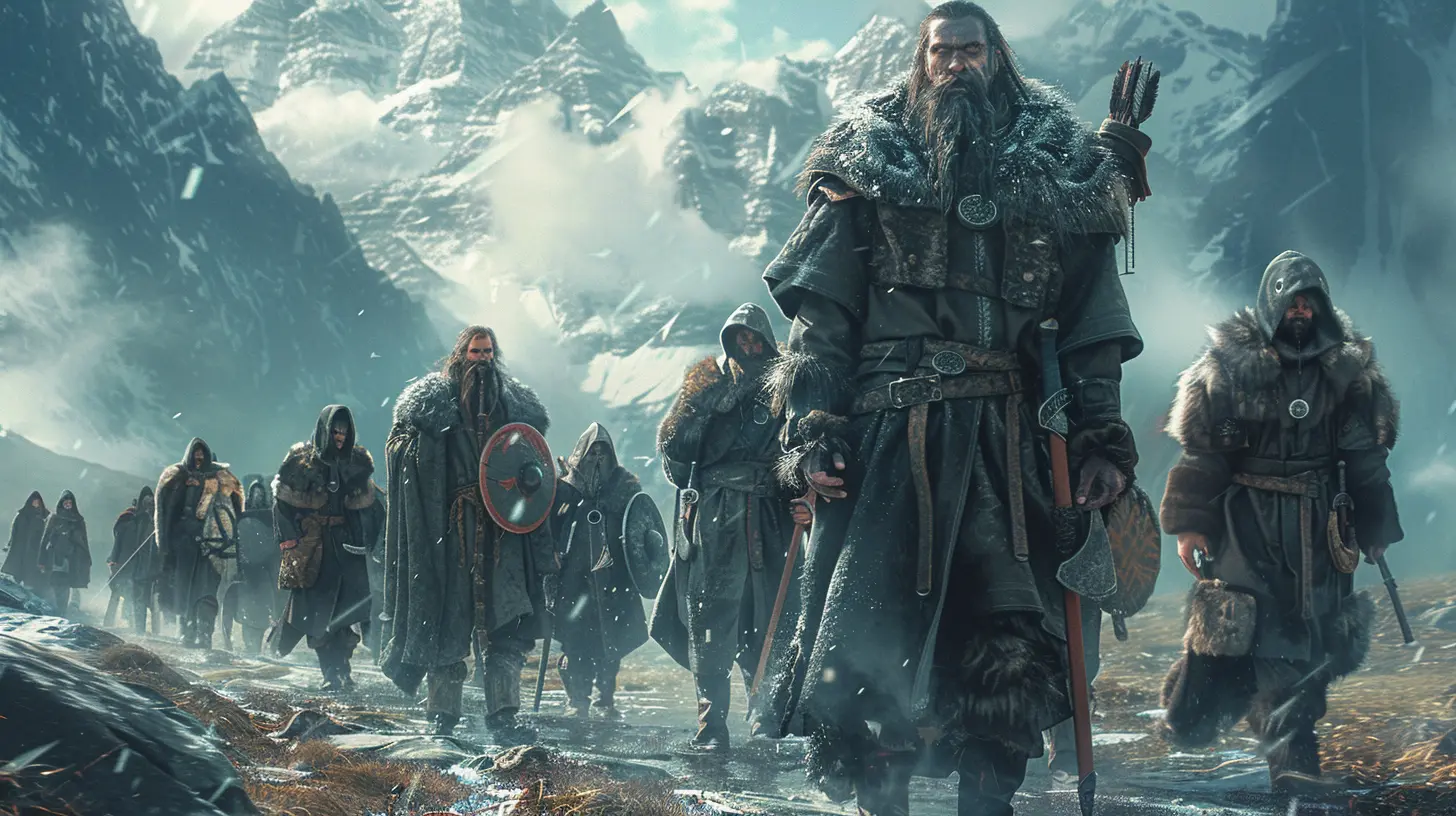
2. Character Evolution
One of the most satisfying parts of sequels? Watching beloved (or hated!) characters change, grow, or even fall from grace.Example: Kratos from God of War
Kratos is a prime example. In the original God of War trilogy, he’s a rage-fueled god-slayer. Come 2018’s God of War, he’s a weary dad trying to escape his bloody past. That’s not just character development—that’s lore that respects its roots while moving the narrative forward in a meaningful way.And fans ate it up. Because it wasn’t just more of the same—it was the next chapter in a well-earned evolution.
3. Filling in the Gaps
Sometimes, sequels don’t go forward—they loop back. Prequels and companion games offer a different viewpoint of events you thought you already knew.Example: Halo Series
Halo: Reach shows the fall of Reach—a tragic event the original games only hinted at. But seeing it firsthand adds emotional weight and context. Suddenly, you’re not just fighting aliens; you’re part of a doomed effort, and every loss hits harder.By going back in time, the lore doesn’t just expand—it deepens. You understand the stakes better, and characters become more than just names shouted in battle.
4. Introducing New Lore Threads
Okay, sometimes devs throw you a curveball and rewrite the rules. That’s risky, but when it works, it’s brilliant.Example: The Legend of Zelda’s Split Timeline
Remember how Ocarina of Time ended? Nintendo took that outcome and spun it into three separate timelines. That’s some next-level storytelling! It turned an already myth-rich universe into a multi-threaded epic, allowing future games to tell wildly different stories while remaining linked.It’s like unlocking bonus stages in a narrative. Pure catnip for lore lovers.
5. Expanding the World’s History and Mythology
With each sequel, lore can go beyond the here and now. It can dive into the past, explore legends, or reveal how civilizations rose and fell.Example: Mass Effect Series
In Mass Effect, humanity’s journey is just a blip in a galaxy teeming with ancient secrets. As the trilogy unfolds, players learn about the Protheans, the Reapers, and cycles of galactic extinction. What started as a space odyssey turns into a cosmic mystery across time.By the end, you're not just Commander Shepard. You’re a historian, an archaeologist, and sometimes… a prophet.
6. Letting Player Choices Shape Lore
Here’s one of the coolest things about games compared to movies or books—you make choices. So when a sequel acknowledges those decisions? That’s lore respecting the player.Example: Dragon Age
In Dragon Age, your decisions carry over across games. Did you spare a character? Kill a king? Your version of the world persists. The lore adapts to what you did—or didn’t do.It’s like the game says, “Yeah, that was your story. Let’s pick up where you left off.”
7. Community Theories and Developer Winks
Let’s be real. Sometimes the community adds just as much to the lore as the devs do.Gamers love to theorize, connect dots, and find hidden meanings. When developers acknowledge this—either by confirming fan theories in sequels or throwing in Easter eggs—it becomes a beautiful feedback loop.
Example: Five Nights at Freddy’s
FNAF’s lore is practically a jigsaw puzzle. Each sequel is a breadcrumb trail that reveals just enough while sparking 10 new questions. The community goes wild decoding timelines, motives, and identities.Scott Cawthon leaned into this, making the fans part of the storytelling process. The lore isn’t just told—it’s discovered.
Why Lore-Driven Games Are So Addictive
Let’s be honest: gaming is escapism. But when a game gives you a world with deep lore, you’re not just escaping—you’re living there. You find yourself thinking about training montages in Sekiro, the final boss in Bloodborne, or that weird book you found in Witcher 3.And when the next game drops? It’s like returning to a favorite story—only the plot just got juicier.
When Lore Expansion Goes Wrong
Hey, it’s not always perfect.Sometimes sequels retcon details, contradict previous canon, or just dump too much exposition at once. Fans feel betrayed. The world becomes messy, inconsistent, or worse—boring.
That’s why it’s important for devs to treat lore with care. It’s sacred ground for fans. Don’t bulldoze it for the sake of a flashy twist.
What Makes Lore Expansion Work?
Here’s the secret sauce:- Consistency: Don’t break the rules you’ve already set.
- Depth over breadth: Better to explore one thread deeply than add a dozen surface-level teases.
- Player respect: Acknowledge choices, fan theories, and invested time.
- Mystery: Don’t answer everything. Leave room for imagination.
Because let’s face it—part of what makes lore magical is the sense that there’s always more waiting to be uncovered.
Bringing It All Together
So next time you pick up a sequel, keep your eyes peeled not just for gameplay tweaks or visual upgrades. Look deeper. What’s changed in the world? How has the lore evolved? Which hints were dropped in the last game that now make sense?Lore isn’t just backstory—it’s the soul of a game universe. It’s what turns casual players into lifers. What makes fan theories explode. What turns single-player titles into shared cultural myths.
From Hyrule to Tamriel, from Rapture to Midgar—the worlds we love keep growing. And that’s the true power of good storytelling in gaming sequels.
Now excuse me while I go start another Mass Effect playthrough… for "research," of course.
all images in this post were generated using AI tools
Category:
Game LoreAuthor:

Luke Baker
Discussion
rate this article
2 comments
Celine Ross
Great article! It’s fascinating how sequels build on their lore, creating richer worlds for us to explore. Here’s to all the new adventures and backstories waiting to be uncovered! Keep gaming and let the stories unfold! 🎮✨
February 27, 2026 at 4:59 AM
Luke Baker
Thanks for reading! I appreciate your thoughts on the depth sequels can bring. Here's to more adventures ahead!
Lys McVeigh
In sequels, lore weaves its tale, Threads of past, where heroes prevail. Each chapter unfolds, rich and grand, A universe built by a masterful hand.
February 25, 2026 at 3:23 AM
Luke Baker
Thank you for capturing the essence of lore in sequels! It truly enriches the narrative and enhances our connection to the characters and their journeys.