How In-Game Economies Foster Real-World Relationships
4 May 2026
Imagine logging into your favorite multiplayer game just to sell a few potions, trade some armor, or auction rare loot—and leaving the session with not just digital gold, but a new friend. Sounds wild, right? But it's actually not. That’s the magic of in-game economies.
In-game economies have become a weirdly powerful way for people to connect, collaborate, and even build real-world relationships. They’re not just systems for managing fake money in fantasy worlds; they’re complex, social ecosystems that mirror a lot of what we deal with in real life.
Let’s break it down and see how these make-believe markets turn into real connections.
What Are In-Game Economies, Anyway?
Before diving into relationships, let’s get on the same page.An in-game economy is the system within a video game where players buy, sell, trade, or craft items. Think of it as a mini-capitalist world in your gaming universe. This could involve in-game currency, barter systems, auction houses, crafting, or even full-blown stock-market-style setups—yeah, it's that deep.
Games like World of Warcraft, EVE Online, and even Animal Crossing have ecosystems so intricate they’ve been studied by actual economists.
But the thing is—these systems don’t run themselves. They revolve around real players interacting with each other. And guess what? Those interactions often become the seeds of real-world bonds. ?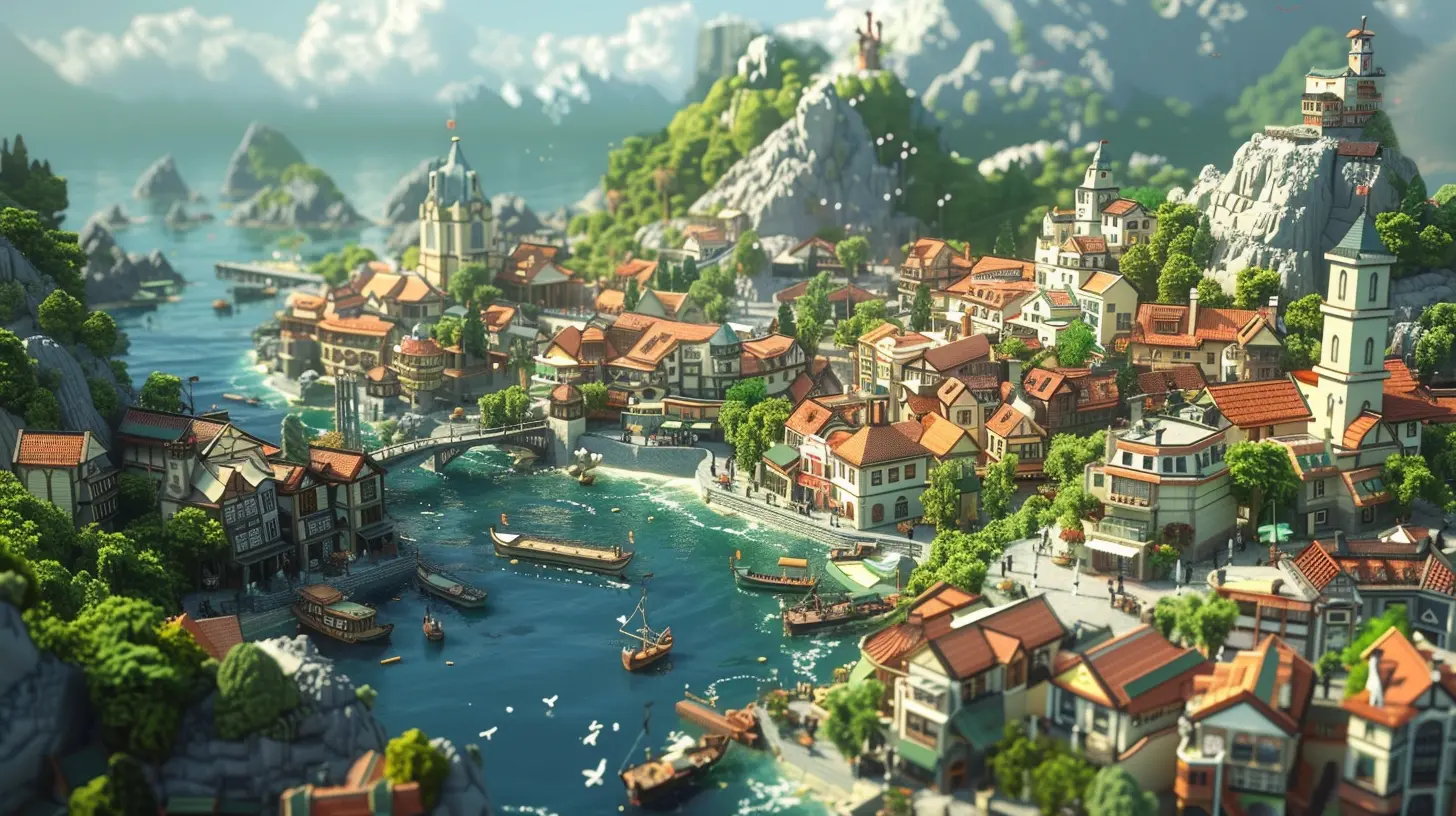
The Social Glue of Trade: Why We Connect Through Commerce
Let’s be honest—how many friendships have started with a simple trade request?Trading in games is inherently social. You can’t sell your +5 Sword of Slaying without someone buying it. You chat, negotiate, maybe even toss in a little bonus. That’s a conversation starter. That’s interaction. And sometimes, that’s the beginning of a buddy you run dungeons with for months.
In many MMORPGs, trust becomes a valuable currency. You’ve probably heard stories of players lending rare items or sharing login access—literal digital trust falls. And when trust is involved, relationships deepen.
Games like EVE Online, infamous for its deep economy, have entire corporations (guilds) that mirror real businesses. Within these organizations, players have roles, responsibilities, and shared goals. You're not just mining for profit—you're doing it for the team. That’s teamwork that can translate into friendship, partnerships, or even romance.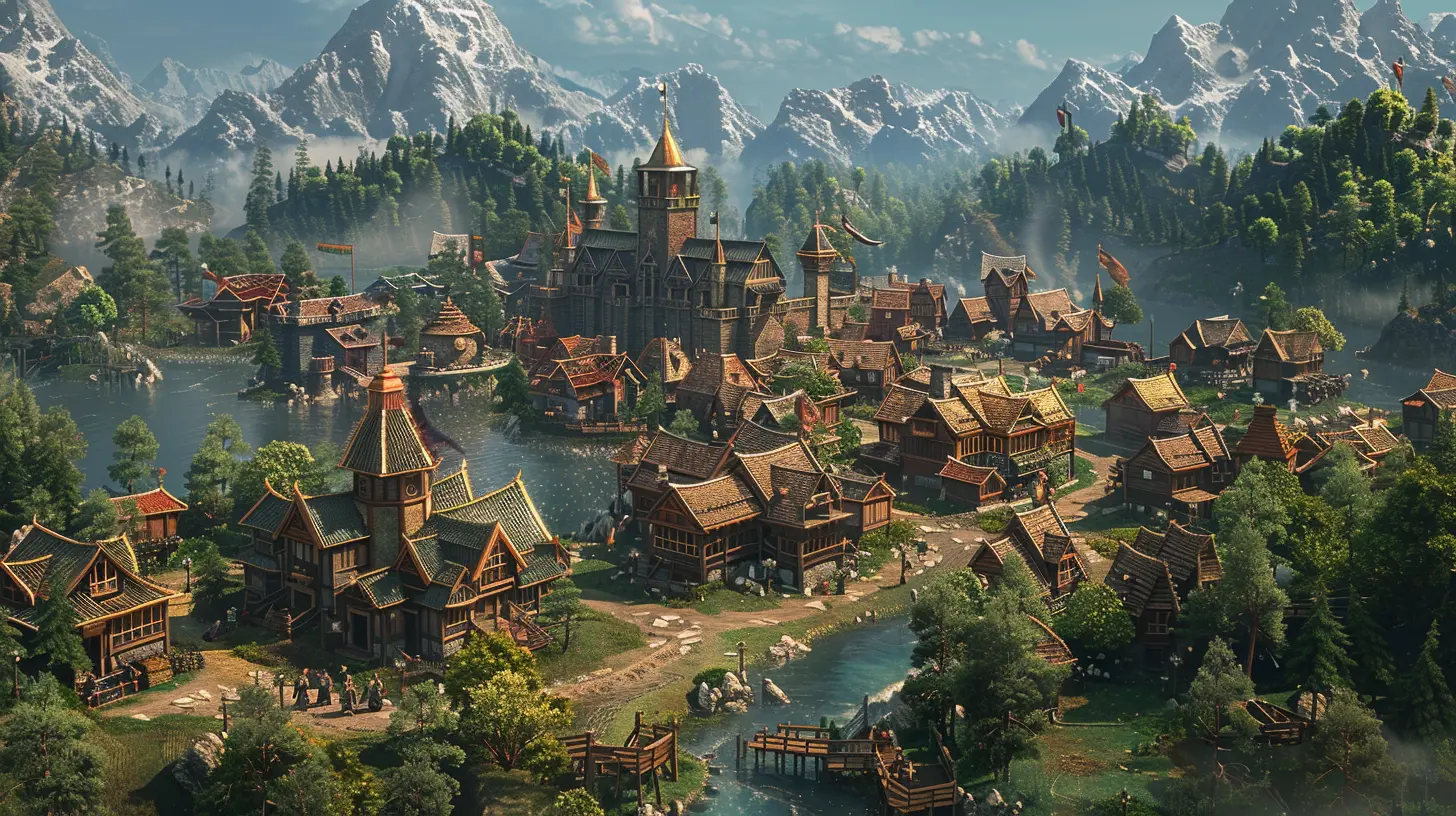
Collaboration Over Competition
Sure, you’ve got your lone wolves, but most in-game economies heavily lean on collaboration:- Crafting: Need rare materials? You might have to team up with a miner or a herbalist.
- Guilds & Clans: These groups often have internal economies, like guild banks or item sharing.
- Marketplace Success: Want to run a shop in your server’s capital city? Great—but good luck without word-of-mouth, partnerships, or bulk suppliers.
These systems naturally encourage players to work together. Whether you’re creating potions, building bases, or flipping loot in the auction house, you’re engaging with people. And not just through emotes or canned chat—you’re strategizing, negotiating, and helping each other win.
Doesn’t that sound a lot like building a network? Because it absolutely is.
Building Trust in a Virtual World
This is where things get interesting.In the real world, we’re a little guarded—especially online. But in games, vulnerability shows quickly. Maybe someone helps you get your gear back after a defeat. Maybe they give you advice on how to navigate the in-game economy. Those small, altruistic gestures lead to connection.
And here’s the kicker: when economic systems require cooperation, they also require trust.
Let’s say you’re running a blacksmithing operation in a fantasy MMO. You rely on others to bring raw materials, place orders, and pay fair prices. You’re essentially running a small business with employees and customers. And just like in the real world, when people treat you well, you start to care. You build rapport. That can bleed over into adding them on Discord and, later, into real-life connections.
From In-Game Partners to Real-Life Friends (Or More ?)
So when do these digital connections become real friendships?It often starts through consistent interaction. The economic side of the game brings people together for trade, but over time, the conversations go deeper. You’re no longer just discussing market prices or loot drops; you’re talking about your day, your work, your life.
Need some real-world examples? Here ya go:
- Friends who met in EVE Online’s trade hubs and now run real businesses together.
- Streamers who built audiences by flipping items and now collaborate in real-time.
- Couples who fell in love after spending late nights farming resources together.
It's not uncommon anymore for gaming partners to become lifelong friends, roommates, or even spouses. All that started with sharing digital resources in a made-up world.
Bartering Benefits: Emotional Connection Through Reciprocity
Barter systems are a beautiful thing. They rely on mutual need and trust.In a barter-based economy—where players trade goods directly—there’s a natural back-and-forth. You give someone what they need; they give back in kind. It’s like a social contract. This creates emotional connections rooted in fairness and shared success.
And let’s be real—we all love feeling like we can help someone. Offering a rare item to a newbie or crafting gear for someone low on funds doesn’t just make you feel good. It builds relationships. It’s the gaming version of giving a neighbor a cup of sugar.
Guild Economies: Mini-Societies With Real Bonds
Guilds are one of the most underestimated parts of gaming economies. Many guilds have entire internal economies—monthly dues, shared loot banks, assigned roles in trading ventures—sound familiar?That’s because guilds mirror real-world workplaces or even families. The more involved you are, the more bonded you feel. And these tight-knit groups often develop their own culture: inside jokes, rituals, and shared goals.
Over time, those bonds spill out of the game. Guild meetups, personal side chats, even birthday gifts—yep, all sparked from a shared economy inside a pixelated universe.
Real Money, Real Stakes
Let’s talk about something slightly controversial: real money trading (RMT). Some games have legal marketplaces where digital goods are traded for actual cash. Others still operate in gray zones.While this opens a whole can of worms, it undeniably intensifies relationship dynamics.
When real money is on the table, people take relationships more seriously. Trust and reputation can mean profit or loss. Some groups even organize like legit businesses—with customer service, inventory management, and marketing strategies.
It’s not just play anymore—it’s business. And in business, strong relationships are everything.
Cross-Cultural Connections
One of the coolest things about in-game economies? They’re global.You might be selling to a player from Japan while sourcing items from a Russian crafter and taking advice from a Brazilian guild leader. That’s globalization at pixel level.
These cross-cultural exchanges broaden horizons. You learn not just about trading—but about cultures, languages, and people’s lives around the world. And when trade becomes the common language, relationships grow no matter the background.
The Dark Side: When Things Go South
We’ve gotta keep it real—not every economic interaction leads to lifelong friendship. Sometimes, people scam, undercut, or ghost you after a big transaction. That’s just the nature of open systems.But even in those bad moments, there’s a weird kind of silver lining: they teach us lessons about trust, negotiation, and human nature. In a strange way, even bad economic encounters can prepare us for the real world—and through those conflicts, new alliances can form.
Ever had a falling out during a bad trade, only to become besties later after clearing the air? It happens more often than you'd think.
Why This Matters More Than Ever
As our digital and real lives continue to blend, it’s no surprise that relationships formed through in-game economies feel just as meaningful—sometimes even more so—than traditional ones.Gaming isn’t just about defeating enemies or leveling up. It’s about connection, storytelling, and teamwork. The economy just happens to be the framework that brings all that together.
So the next time you’re flipping rare loot or negotiating a bundle of iron ore, ask yourself—who’s on the other side of the deal? You might just be one trade away from your next lifelong friend.
Wrapping It Up: The Invisible Threads That Tie Us Together
It’s kinda wild how a fake economy in a fantasy world can lead to real friendships. But that’s the beauty of games. They create shared goals, challenges, and opportunities to connect in ways we often don’t get in our everyday lives.Whether you’re managing your shop in Stardew Valley or coordinating market domination in EVE Online, you’re part of a living, breathing economy. And through that, you’re also part of a global, human story—woven together one trade, one deal, and one friendship at a time.
all images in this post were generated using AI tools
Category:
Gaming CommunitiesAuthor:

Luke Baker
Discussion
rate this article
2 comments
Tenley McDonald
In-game economies really do bring people together. It's fascinating how virtual trade can lead to genuine friendships and connections.
June 13, 2026 at 2:40 AM
Luke Baker
Absolutely! The way players interact through trade creates bonds that often extend beyond the game, making those virtual economies truly special.
Linnea Gray
In-game economies reveal our shared values and connections.
May 4, 2026 at 3:20 AM
Luke Baker
Absolutely. Game economies reflect what we value and how we interact, creating bonds that extend beyond the screen.