How Horror Games Manipulate Your Mind Through Subtle Fear
3 January 2026
If you’ve ever found yourself gripping your controller a little tighter, heart pounding and palms sweating during a late-night gaming session, congratulations—you’ve fallen victim to the dark magic of horror games. But have you ever wondered why they get under your skin so effectively? How can a collection of pixels, eerie soundtracks, and jump scares make you feel like something is lurking in the shadows of your own room?
Horror games aren’t just about cheap thrills or startling you with random scares. Oh no, they’re a psychological playground. These games masterfully manipulate your mind, using fear as a tool to keep you hooked, unsettled, and thoroughly entertained. Let’s dive into how they do it—don’t worry, nothing’s hiding behind you. (Or is there?)
The Science of Fear: Why Does It Work?
Before we dive into how horror games mess with your head, let’s quickly chat about why fear even works in the first place. Fear is a survival mechanism—it’s your brain’s way of saying, “Hey, you might not make it out of this if you don’t pay attention!” When you’re scared, your body releases adrenaline, your senses sharpen, and your fight-or-flight reflex kicks into high gear. In real life, that’s what helps us dodge danger.In video games, though? Fear is a whole different beast. Your brain knows you’re not in actual danger, but your body doesn’t always get the memo. That’s where horror game developers step in—they hijack your primal instincts and make you question everything.
Subtle Fear vs. In-Your-Face Scares: The Art of Disturbing You
Sure, a sudden jump scare can make you scream (and maybe re-evaluate how loudly you just yelled in front of your friends), but the real masters of horror know subtle fear is where it’s at. Subtle fear haunts you. It creeps into your thoughts long after you’ve turned off the game. Let’s break down some of the sneaky tactics developers use to toy with your psyche.1. Atmosphere: The Silent but Deadly Villain
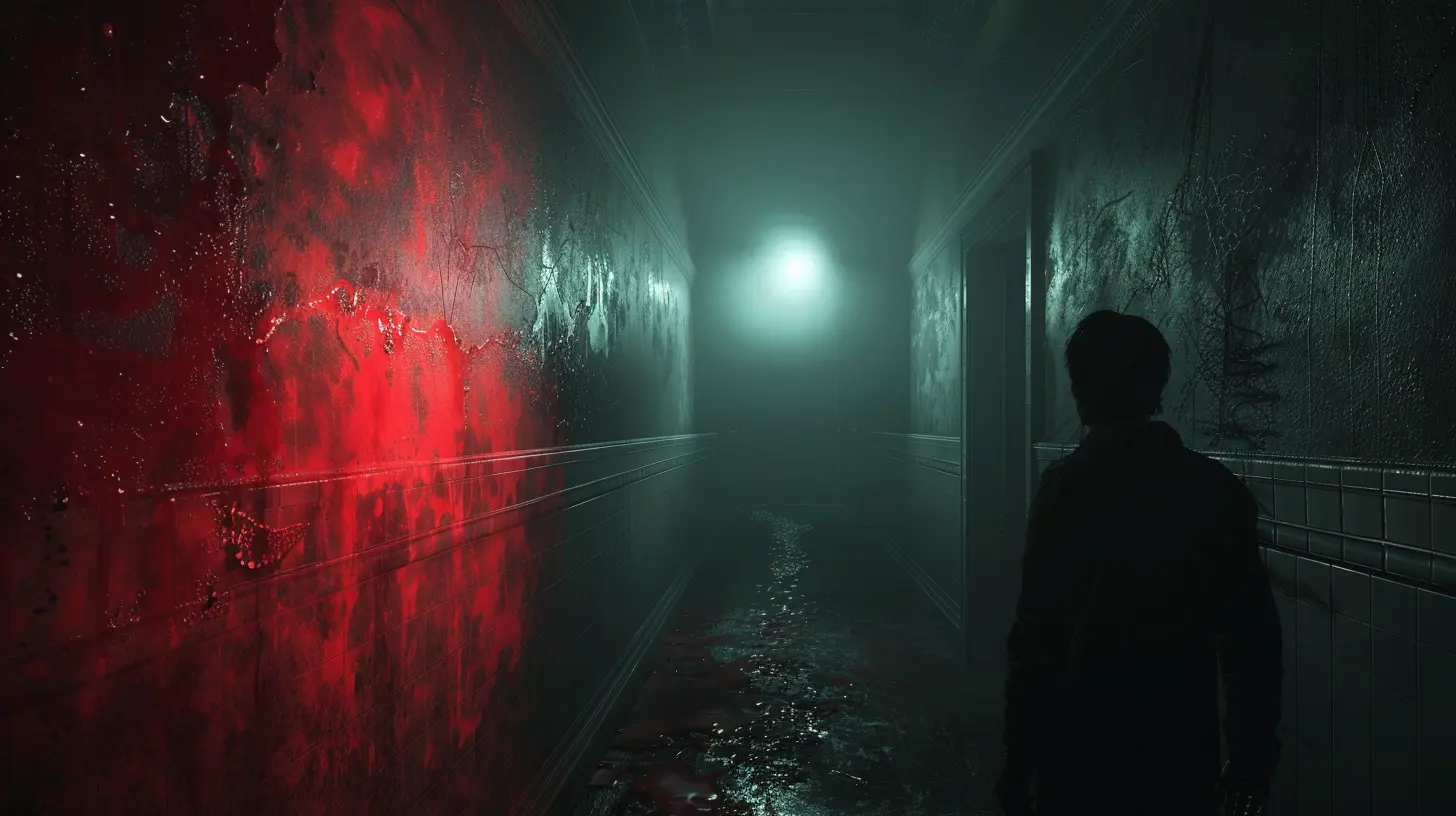
Ever played a horror game that had you on edge before anything even happened? That’s atmosphere at work. Developers carefully design the environment to make you feel uneasy. Dim lighting, flickering bulbs, and foggy landscapes create a sense of helplessness. Add in eerie background noises—like faint whispers, distant footsteps, or a howling wind—and suddenly, your brain starts filling in the blanks with worst-case scenarios.In games like Silent Hill 2 or Alien: Isolation, the environments almost feel like characters themselves. You’re not just walking through a haunted house; you’re trapped in a living nightmare that’s fully aware of your presence.
2. Sound Design: The Devil’s Orchestra
Honestly, sound is probably the MVP of fear. Think about it—without the ominous music or those spine-chilling noises, most horror games would lose their edge. Developers know this, which is why they use sound to manipulate your emotions relentlessly.Take the creaky floorboards in Resident Evil, or the unsettling absence of sound in Amnesia: The Dark Descent. Silence can be just as terrifying as a blood-curdling scream because it creates tension. You find yourself bracing for something to happen... even if nothing does. And when the game finally hits you with a sudden noise? Bam. Jump scare activated.
3. Lighting: The Darker, The Better
Horror games love to mess with your ability to see. Whether it’s pitch-black hallways, flickering lights, or shadows that move suspiciously out of the corner of your eye, lighting is a powerful tool for creating unease.And then there’s the classic “barely working flashlight” mechanic. Why do horror game characters always have the world’s least reliable flashlights? (Seriously, is it budget cuts?) That dim cone of light forces you to focus on small areas, making you hyper-aware of every movement while ignoring what might be lurking in the dark. 
Psychological Manipulation: Playing with Your Mind
So, horror games are great at creating unsettling environments, but how do they mess with your mind? It’s all about psychological tricks designed to make you doubt your senses and decisions.4. The Uncanny Valley Effect
You know that weird feeling when something looks almost human, but not quite? That’s called the uncanny valley, and horror games lean into it hard. Characters with lifeless eyes, stiff movements, or expressions that don’t quite add up can make your skin crawl.Games like P.T. take this to the next level by blending the familiar with the unnatural. A cozy house shouldn’t feel terrifying, but when the shadows stretch too far, or the baby starts crying from inside the sink? Yeah, that’s nightmare fuel.
5. Pacing: Tension and Release
Horror games are masters of pacing. They build tension slowly, giving you just enough time to let your guard down before hitting you with something terrifying. It’s like playing a game of emotional tug-of-war—just when you think you’re safe, they yank the rug out from under you.In Outlast, for example, you might spend what feels like hours skulking through hallways, waiting for something to happen. That constant anticipation is exhausting, which is exactly what the developers want. You’re more vulnerable when you’re tired and on edge.
6. Making You Feel Powerless
Let’s be real: most horror games don’t let you feel like a badass. Instead of handing you a rocket launcher and saying, “Go nuts,” they stick you in a terrifying scenario with next to nothing to defend yourself. Some games (looking at you, Amnesia) won’t even let you fight back at all. You’re left feeling vulnerable and helpless, which ramps up the fear factor tenfold.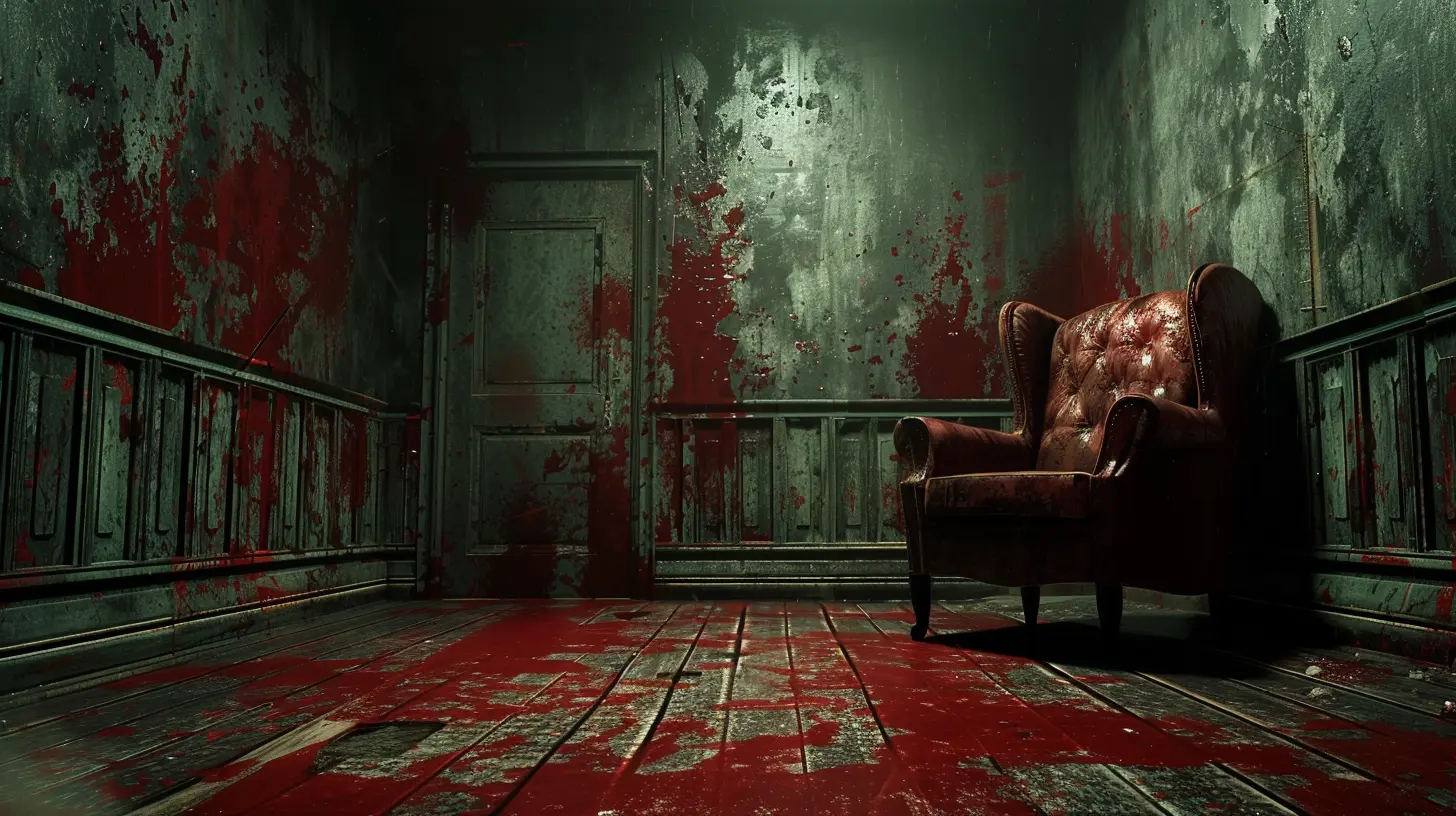
Emotional Connection: Why You Care So Much
Want to know the sneakiest trick horror games use? They make you care. Whether it’s by creating relatable characters or throwing you into situations that feel eerily personal, horror games know how to hit you where it hurts.Take The Last of Us. While it’s not strictly a horror game, it uses horror elements to make you feel deeply for its characters. When you’re emotionally invested, every scare feels more personal. If you care about the protagonist’s survival, the stakes feel so much higher.
Why Do We Even Play These Games?
Okay, so horror games are designed to scare the pants off us. Why on earth do we keep coming back for more? It’s simple: fear is fun—when it’s controlled. Horror games let us confront our worst nightmares in a safe environment. You get the adrenaline rush without any real-world consequences. Plus, there’s something oddly satisfying about surviving a terrifying experience... even if it’s just virtual.And let’s not forget the bragging rights. Beating a game like Darkwood or enduring Phasmophobia without completely losing it? That’s worth some serious gamer cred.
Final Thoughts: The Beautiful Nightmare of Horror Games
At the end of the day, horror games are a twisted form of art. They combine visuals, sound, and psychological tricks to create an experience that’s as terrifying as it is captivating. Whether they’re playing with light and shadows, manipulating your emotions, or keeping you on edge with masterful pacing, horror games know exactly how to get under your skin.So, the next time you find yourself too scared to open a door in a game, just remember: it’s not real. But also, maybe keep the lights on... just in case.
all images in this post were generated using AI tools
Category:
Horror GamesAuthor:

Luke Baker
Discussion
rate this article
2 comments
Wolf Barlow
Horror games are masters of psychological warfare, crafting an immersive experience that unsettles and disturbs. They exploit our deepest fears with cunning subtlety, making us question reality. If you think you can handle it, play on—but be prepared for mind games that linger long after.
January 13, 2026 at 5:20 PM
Luke Baker
Absolutely! Horror games expertly tap into our psyche, using subtle cues to provoke anxiety and challenge our perception of reality, leaving lasting impressions.
Mateo McGeehan
Horror games masterfully exploit psychological fears—brilliantly executed!
January 8, 2026 at 4:09 AM
Luke Baker
Thank you! I'm glad you enjoyed the article and appreciate the intricate ways horror games tap into our deepest fears.