How Game Lore Shapes Player Experience
11 September 2026
Ever found yourself completely immersed in a video game world, to the point where it feels like you’re living a second life? Yeah, me too. There’s something magical about gaming that goes beyond flashy graphics or tight mechanics. It’s the story. The world. The lore. That deep, rich backstory hidden around every corner? That’s what turns a fun title into an unforgettable journey.
In this article, we’re diving headfirst into how game lore shapes player experience. Not just the surface-level storytelling, but the way lore breathes life into fictional worlds, bonds players to characters, and even builds communities around shared narratives. Get cozy—this is gonna be good.
What Is Game Lore, Anyway?
Before we go any further, let’s break it down. Game lore is all the background information that explains the world, characters, history, and events of a game. It’s not always obvious or in-your-face—sometimes it’s tucked away in journals, item descriptions, or hidden dialogues. Think of it like the DNA of a game’s universe.Games with deep lore don’t just tell you what’s happening—they show you why it matters.
Why Lore Matters More Than You Think
You might be wondering, “Do I really care about lore when I’m blasting enemies or chasing high scores?” Short answer: yep, you probably do—even if you don’t realize it.Lore gives context. It’s the motivation behind your quest, the reason that haunted castle is haunted, and why that oddly named sword has a glowing rune. Without it, you’re just following objectives. With it, you’re part of a living, breathing story.
Ever played The Elder Scrolls or Dark Souls? Half the fun is piecing together the world’s history. You don’t just play these games—you uncover them.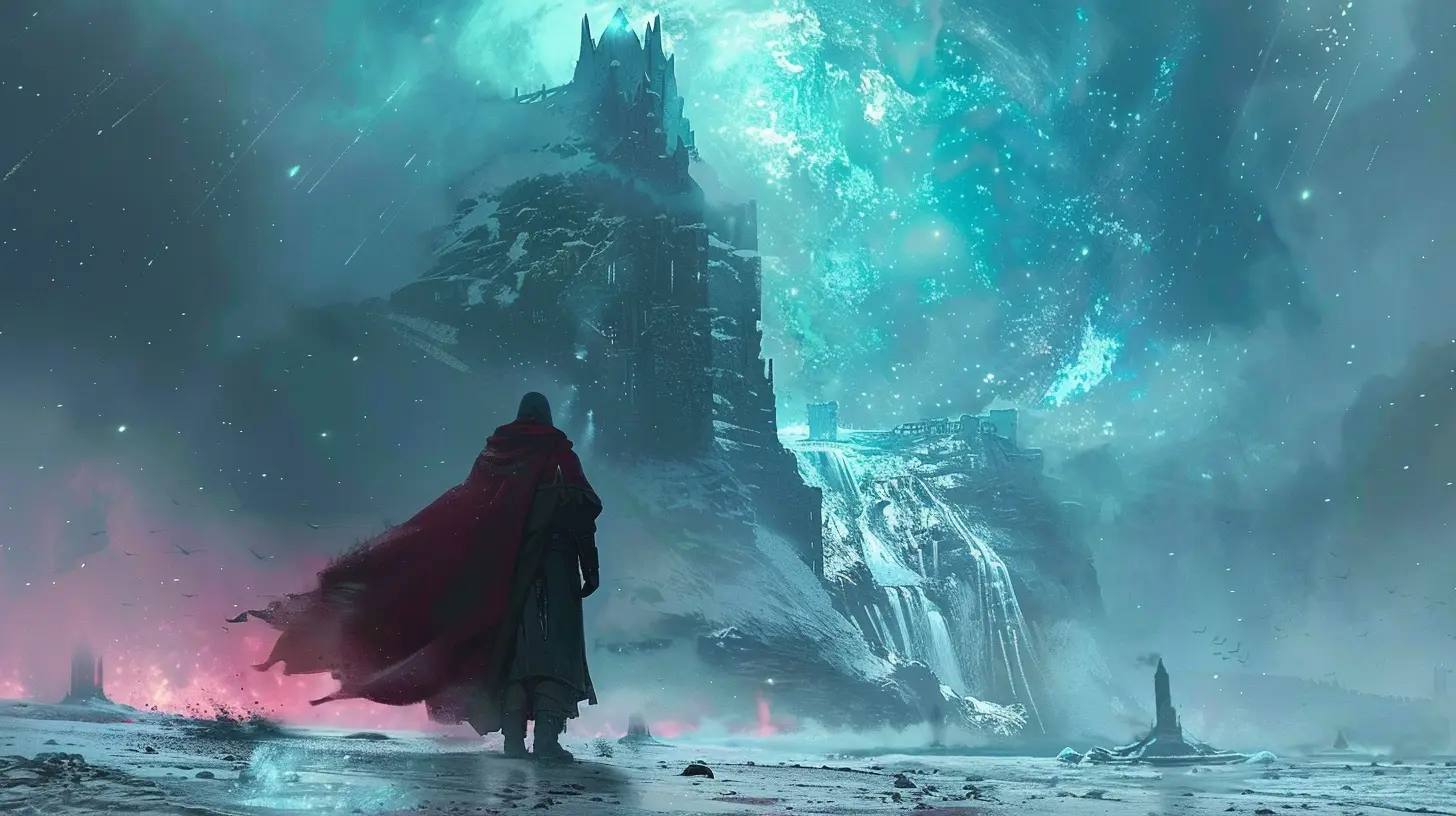
Emotional Investment: Lore Builds Bonds
Think about your favorite game characters. Why do you love them? Chances are, their backstory plays a big part. Maybe they overcame something tragic. Maybe they’re tied to a mysterious event in the game’s past. That’s lore working its magic.When we know where a character came from, we care more about where they're going. Lore gives them depth. Suddenly, they're not just pixels—they're people (well, sort of). And that emotional connection? That’s what keeps players coming back.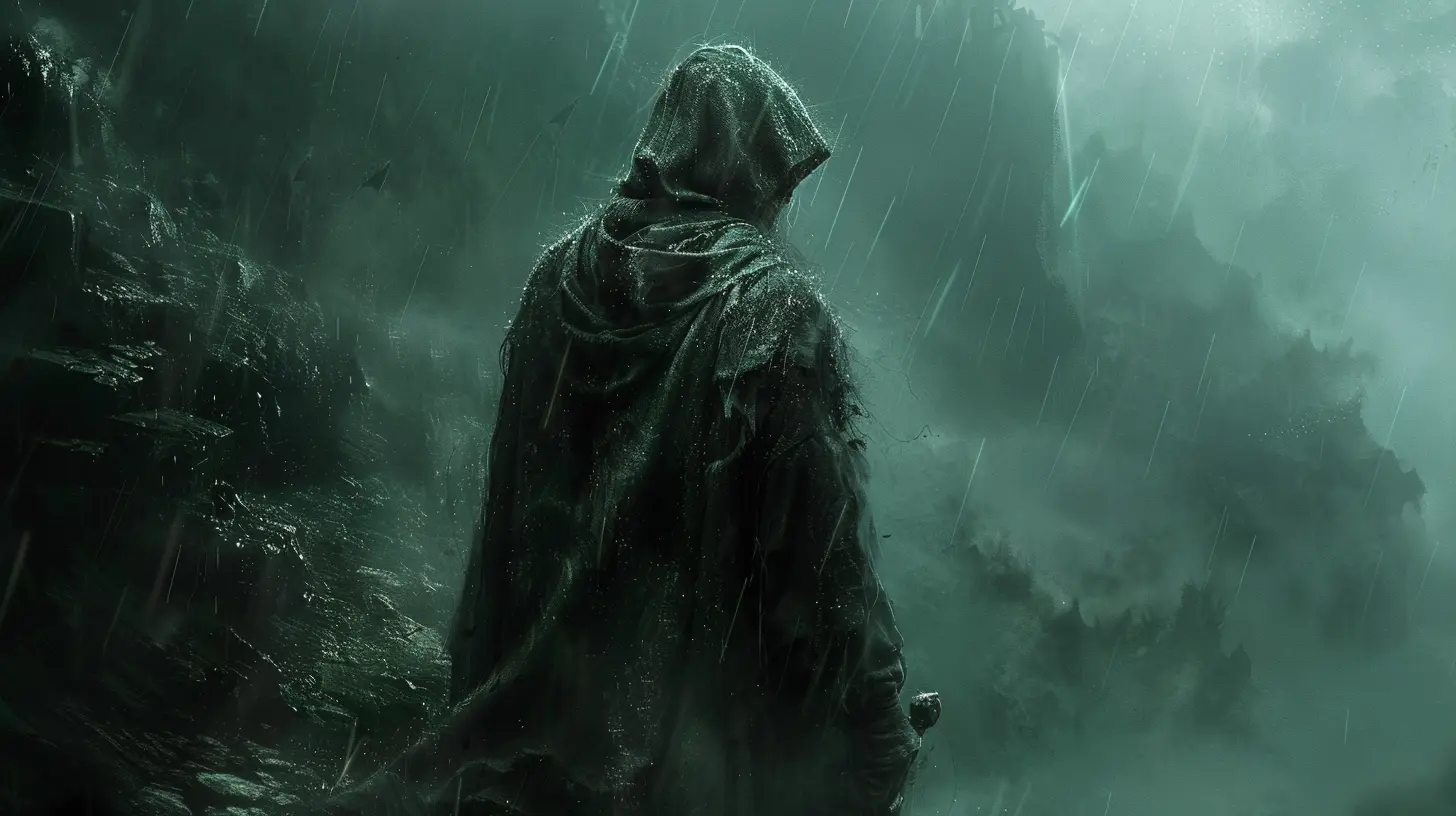
Immersion: When Worlds Feel Real
A well-crafted lore doesn’t just tell a player what the world is—it makes them feel it.Let’s take a moment to talk about The Witcher 3: Wild Hunt. The beauty of that game isn’t just in its combat or quests. It’s how the world feels ancient and lived-in. Every town has its own struggles. Every book or note you find hints at a broader universe.
The deeper the lore, the more immersive the game becomes. When you start thinking of the game world long after you’ve turned off your console, you know it’s done something right.
Hidden Stories: Encouraging Exploration
Ever wandered off the beaten path in a game and stumbled onto something incredible? Maybe a forgotten temple, a cryptic message, or an NPC telling a story that hits you right in the feels?That’s hidden lore—and it's deliberate.
Game developers often sprinkle nuggets of story all over the world. These aren’t always tied to the main plot, but they add depth and reward curious players. It’s like finding secret treasures, but instead of loot, you discover pieces of a story bigger than yourself.
Games like Bloodborne are built on this idea. The game doesn't spoon-feed you. You earn the narrative by exploring and connecting the dots. And that makes every discovery that much more satisfying.
Lore Drives Gameplay Meaning
Here’s another way lore shapes player experience—it gives gameplay meaning.Take God of War (2018), for example. Sure, the axe-throwing is incredibly satisfying, but what makes it unforgettable is the story behind Kratos and Atreus. The lore of Norse mythology is woven seamlessly into combat, puzzles, and exploration. You’re not just fighting enemies—you’re facing the legends of old.
When lore and gameplay reinforce each other, it’s pure magic. Every action feels purposeful, like you’re not just playing a game—you’re shaping a saga.
Community and Theories: Lore Brings Players Together
Want to see lore in action? Head over to a game subreddit or a fan forum. You’ll find pages upon pages of players analyzing plot points, crafting theories, and debating timelines. It’s wild, in the best way possible.Lore creates shared experiences. Even if players interpret things differently, they’re still connected by the game’s world. This communal aspect keeps the conversation going long after the credits roll.
Games like Five Nights at Freddy’s or Hollow Knight thrive off this. Part of the fun is working with others to piece together what really happened. In that way, lore doesn’t just shape the individual experience—it builds communities.
Lore Evolves with the Game
Live-service games like Destiny 2, Fortnite, or World of Warcraft show how lore can evolve over time. These aren’t static worlds. They grow. They change. New characters arrive, old ones fall, and the story keeps unfolding.Players who stick around feel like they’re part of that history. They’ve been there for major events. They’ve seen how the world shifts. That kind of long-term engagement? It's gold.
When you invest time into a game and the lore rewards you by growing with you, it feels personal. You’re not just watching events—you’re participating in them.
Games That Nail Lore Integration
Let’s shout out a few titles that absolutely crush it when it comes to lore:1. Dark Souls Series
The kings of cryptic storytelling. Everything in Dark Souls has a story—from the broken sword in your hand to the monstrous boss lurking in the shadows. But you’ve gotta want it. The game demands attention, and the reward is a spiderweb of interlinked tales.2. Mass Effect Trilogy
Choices matter. Your decisions echo through the galaxy. Each alien race, each faction, every war—they’re all backed by deep lore. The world feels massive, and the characters feel real.3. The Legend of Zelda
With each installment, Zelda builds on or reimagines its lore. Recurring symbols, names, and themes link games across decades. It makes longtime players feel like part of something big, like they’ve traveled through generations of history.4. Horizon Zero Dawn
A post-apocalyptic future where machines roam the earth? Cool enough. But why? Unraveling that mystery is what pulls you in. The lore isn’t just flavor—it’s the driving force behind everything.Creating Lore: It’s An Art (and a Strategy)
Game devs don’t just slap lore onto a game like a sticker. Good lore is baked into the design. It influences art direction, environmental design, dialogue, and even music.The best games let the world speak. A crumbling statue tells a tale of a fallen hero. A haunted forest hints at a long-dead war. Good lore doesn’t just tell stories—it invites players to imagine them.
And it’s smart business, too. A strong lore foundation means more content possibilities. Prequels, sequels, spin-offs—they all stem from a world rich with potential.
Final Thoughts: Lore is the Soul of Gaming
Look, not every game needs deep lore. There’s nothing wrong with simple, pick-up-and-play fun. But when a game does choose to embrace lore? It becomes something bigger than the sum of its parts.Lore is what turns players into fans, gameplay into memories, and levels into legends. It’s the beating heart of the stories we carry long after the controller’s down.
So next time you crack open a new game, take a look around. Read that dusty journal. Listen to that quiet NPC. Because who knows? You might just uncover something that changes the way you see the entire world.
TL;DR – Key Takeaways
- Game lore is the backstory and world-building that brings depth to a game.- Lore enhances emotional engagement, making players care about characters and events.
- It adds to immersion, making the game world feel authentic and lived-in.
- Hidden lore encourages exploration and offers rewarding story discoveries.
- Strong lore enhances gameplay—you’re not just playing; you’re living a story.
- Communities thrive around shared lore, fueling theories and connections.
- Lore evolves in live-service games, keeping the world dynamic and engaging.
- The best games blend lore into every detail, from level design to item names.
So yeah, lore’s kind of a big deal.
all images in this post were generated using AI tools
Category:
Game LoreAuthor:

Luke Baker
Discussion
rate this article
1 comments
Quorra McHugh
Game lore serves as the backbone of player immersion, creating emotional connections and enriching narratives. When done well, it transforms gameplay into a memorable journey rather than just a series of challenges.
September 11, 2026 at 3:08 PM