How Game Characters Became Cultural Icons
4 April 2026
Video games have come a long way since their pixelated beginnings. What started as simple on-screen sprites bouncing around a CRT monitor has exploded into a massive global industry filled with storytelling, graphics, and—most importantly—characters that people actually care about. But how did some of these fictional avatars become more than just part of a game? How did they leap off the screen and into mainstream culture?
Let’s hit the start button and dig into how game characters evolved into full-blown cultural icons.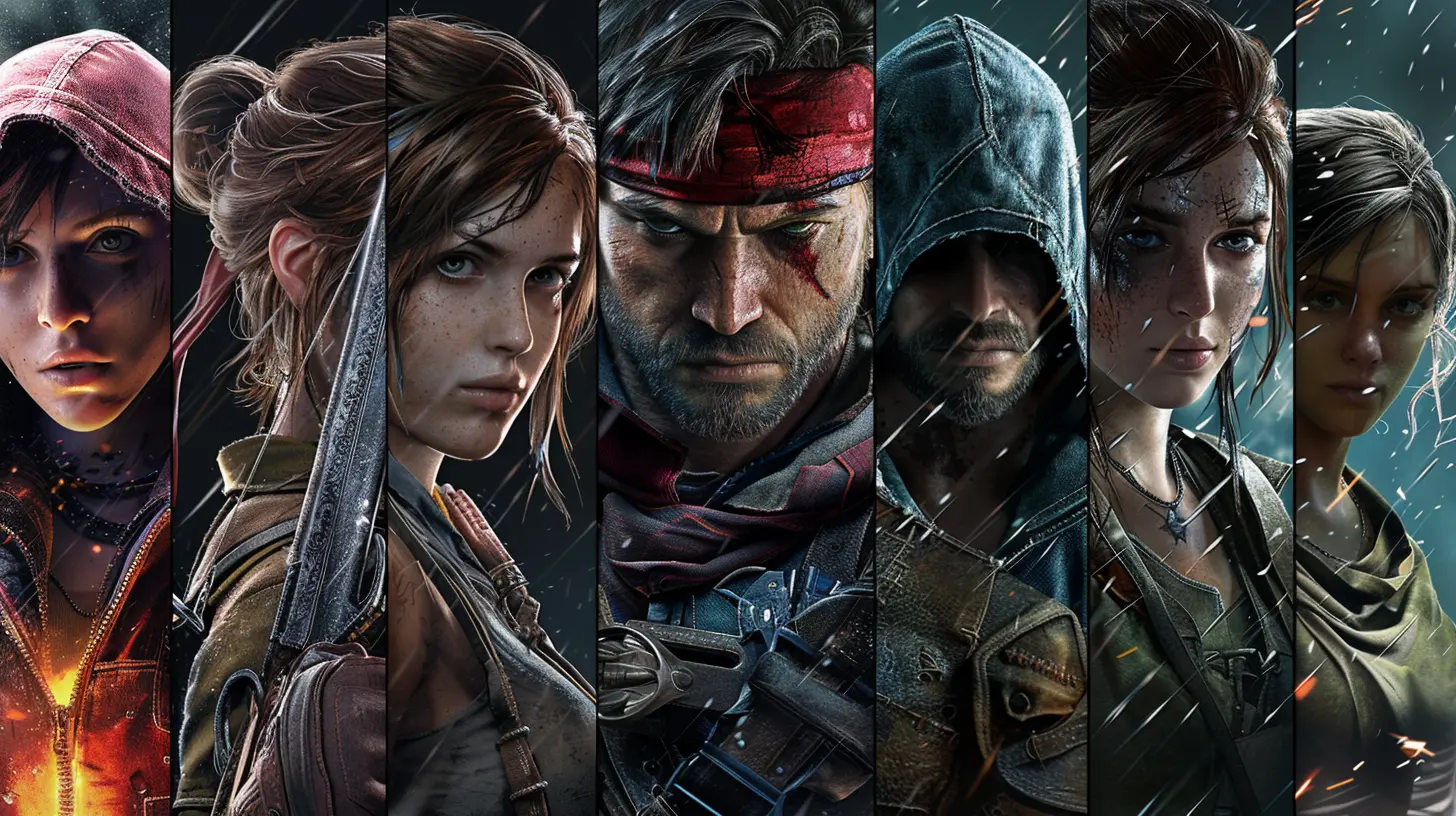
The Pixelated Birth of Personality
Back in the day, gaming was all about high scores and power-ups. Storylines were basic, and characters were mostly vehicles for gameplay. Think Pac-Man, Donkey Kong, and Mario in his earliest form—just a mustachioed plumber smashing bricks and saving princesses. And yet, somehow, even those simple sprites found their way into our collective memories.Why? Because they were new, fun, and addictive. And even in those rudimentary forms, they were relatable in their own quirky way. You didn’t need a full backstory to know Pac-Man was just trying to survive a ghost-chomping, dot-eating nightmare. The simplicity worked.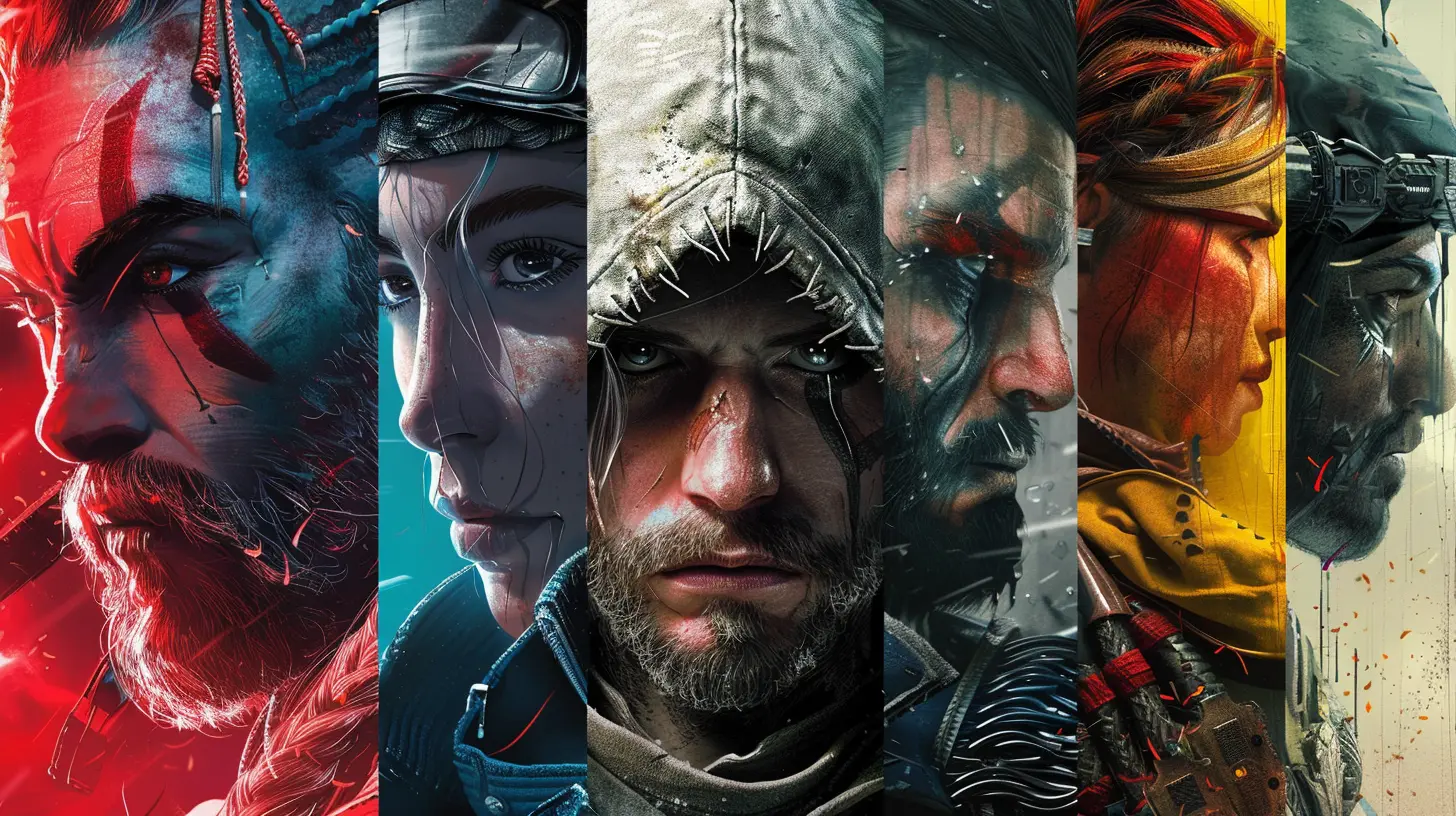
Enter the Era of Personality and Storytelling
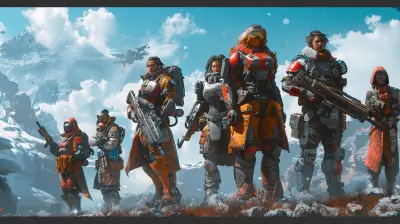
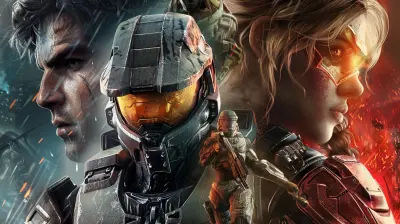
As technology improved, so did the depth of character development. Suddenly, we weren’t just moving pixels—we were following narratives, getting attached to heroes, and sometimes even villains.Characters like Link from _The Legend of Zelda_, Lara Croft from _Tomb Raider_, and Master Chief from _Halo_ gave players more than just gameplay—they offered stories, motivations, and worlds you could lose yourself in.
Developers started investing serious time and effort into crafting lore, voiceovers, cinematic cutscenes, and emotional arcs. These game characters weren't just "in" the game—they became the game. You weren’t just playing as Kratos from _God of War_; you were embodying him, rage and all.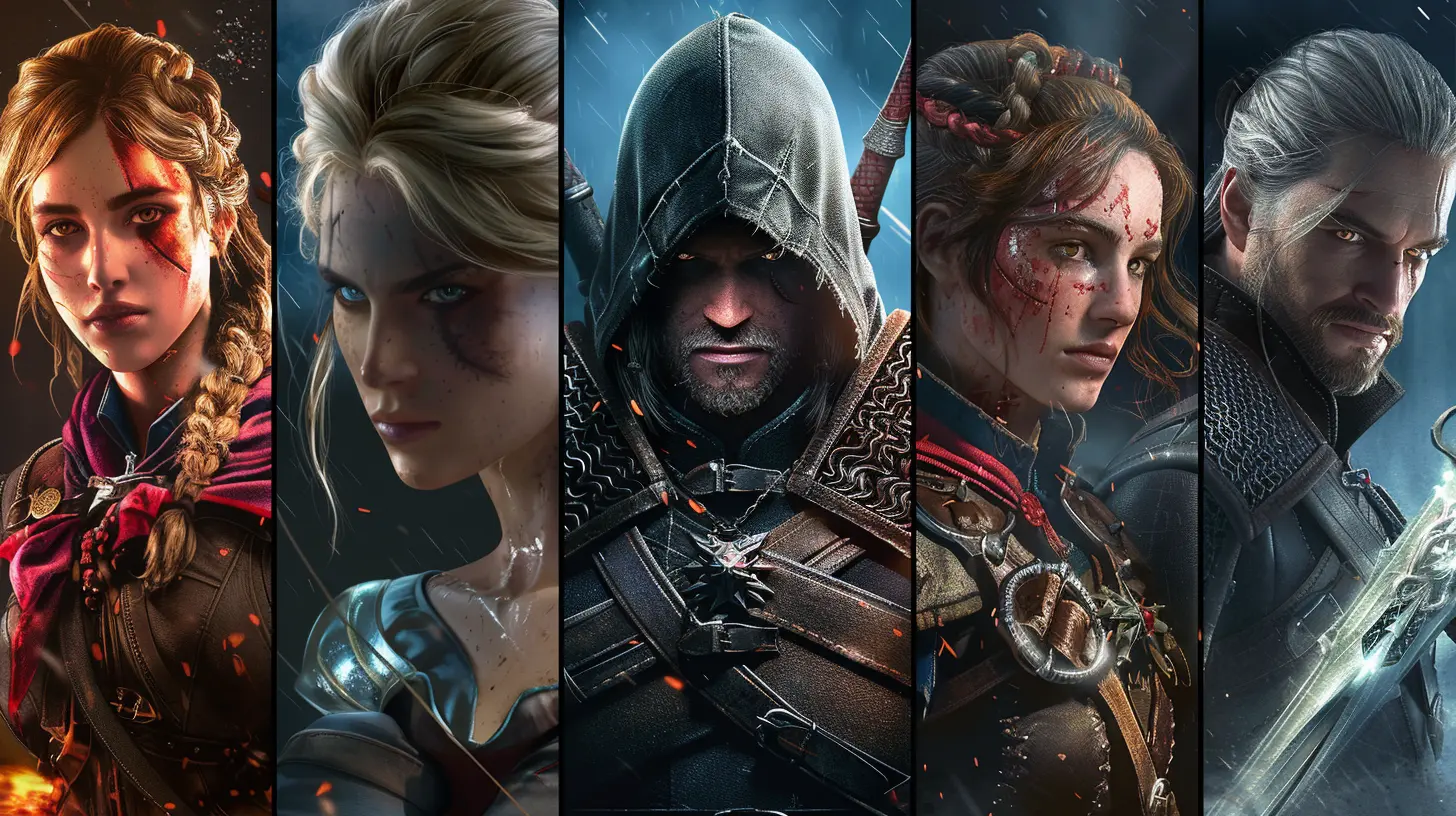
Relatable, Flawed, and Human (Even When They’re Not)
One reason why game characters become cultural icons is pretty simple: they feel real. Not necessarily biologically, but emotionally.Take Joel and Ellie from _The Last of Us_, for example. Their story tugged on human emotions in such a raw, authentic way that it left many players emotionally wrecked. Or Geralt of Rivia from _The Witcher_ series. He’s gruff, flawed, and sarcastic, yet still deeply caring beneath his tough exterior. Sound like anyone you know?
When characters mirror human complexity, they stick with us. And when millions of people experience those same emotional journeys, you’ve got a recipe for icon status.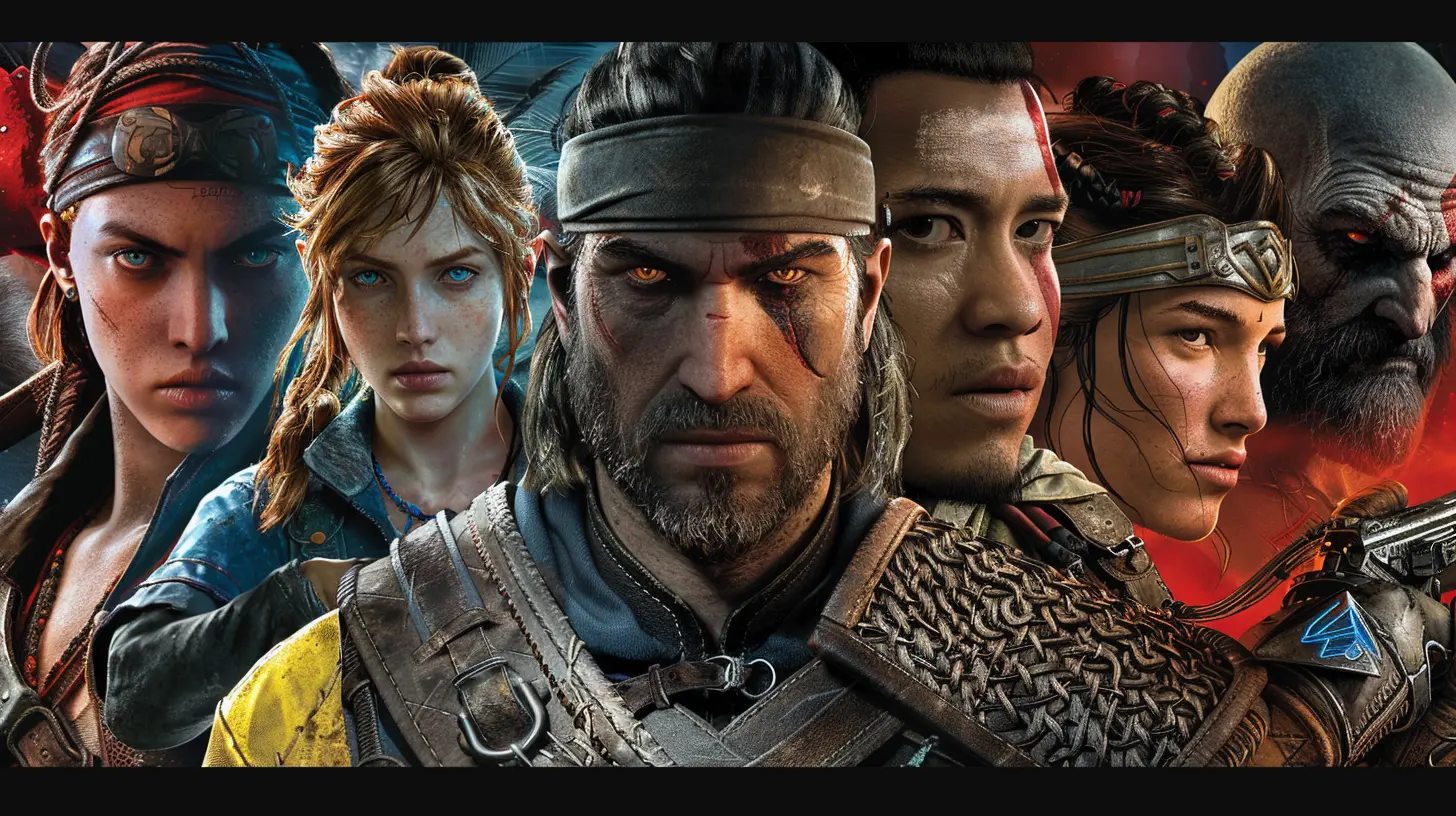
The Power of Visual Identity
Let’s not ignore this one—iconic characters usually have a distinct look that burns into your brain.Mario’s red cap and mustache. Sonic’s blue spikes and red shoes. Cloud Strife’s sword (I mean, c’mon, it's bigger than he is). These visual signatures are like branding gold. One glimpse and bam—you know exactly who you're looking at.
Just like brands with recognizable logos, game characters with unique visual identities are easier to market, easier to remember, and way more likely to end up on a T-shirt, lunchbox, or even tattooed on someone’s arm.
Voice Matters More Than You Think
The way a character sounds dramatically impacts how they’re perceived. Think about how iconic the voice of Duke Nukem or GLaDOS from _Portal_ is. Or how Charles Martinet gave Mario that joyful “It’s-a me!” charm.A well-delivered voice line can become legendary—just like a movie quote. It embeds itself in the pop culture lexicon and stays there.
When voice acting is done right, it brings characters to life in ways that even the most amazing visuals can't replicate. It adds personality, humor, gravitas, or menace—whatever fits the bill. And those voices echo in players’ minds long after the game shuts off.
Beyond the Screen: Merch, Memes, and Media
This is where characters truly go from in-game legends to pop culture royalty.Let’s talk about Pikachu. It’s not just a game character; it’s a global mascot. From plush toys lining store shelves to appearing on stage with pop stars, Pikachu is everywhere. The same goes for Sonic, Mario, and even newer faces like Aloy from _Horizon Zero Dawn_.
Then come the memes. Once the internet grabs hold of a character, things escalate quickly. Think of the “Press F to Pay Respects” meme from _Call of Duty_, or “It’s dangerous to go alone!” from _The Legend of Zelda_. These snippets spread like wildfire, giving characters new life outside the gaming world.
And let’s not forget spin-offs, movies, and TV shows. _The Witcher_ Netflix series turned Geralt into a streaming superstar. _Sonic the Hedgehog_ got a box office hit. Lara Croft crossed into Hollywood decades ago. When a character jumps mediums, their icon status gets a turbo boost.
Community Power: Fandoms Make It Happen
You can’t talk about cultural icons without giving props to the fans.Fandoms breathe life into characters every day—through fan art, cosplay, fan fiction, mods, and social media discussions. They create communities that revolve around these virtual beings, treating them almost like celebrities.
Attending a gaming convention? You’ll see hundreds of people dressed as their favorite characters. Check out fan art on Reddit or DeviantArt—some of it’s so good, it looks professional. This kind of grassroots support transforms characters from virtual entities to emotional symbols.
And when fans feel like they “own” a piece of a character’s story, that bond becomes unbreakable.
Representation and Identity
One major reason certain characters hit iconic status in recent years? Representation.Gamers are more diverse than ever, and they want to see themselves reflected in the avatars they control. Characters like Ellie, who brings powerful LGBTQ+ representation, or Miles Morales, the Afro-Latino Spider-Man, resonate deeply with communities that were often ignored in past gaming generations.
When characters reflect the real world and the people in it, they aren’t just iconic—they feel personal.
Marketing Magic and Timing
Let’s be honest—sometimes, it’s all about marketing brilliance and being in the right place at the right time.Nintendo knew exactly what they were doing by making Mario the face of gaming. Sony did the same with Kratos and Nathan Drake. These companies poured millions into making their characters unforgettable—with ads, merchandise, and massive game launches that made sure everyone knew their names.
Combine the right character with the right era, and boom—lightning in a bottle.
When Characters Transcend Gaming
This is the final stage of icon status—when characters become symbols beyond the game.Think about how people dress up as Mario for Halloween who haven't even played the games. Or how memes of CJ from _GTA: San Andreas_ pop up in unrelated contexts. Heck, even Barack Obama was known to enjoy playing _Mass Effect_—how’s that for cultural seepage?
When a character becomes shorthand for something bigger—nostalgia, rebellion, feminism, heroism, even humor—that’s when you know they’ve truly made it. They’ve crossed the line from game asset to legend.
Final Thoughts: What Makes a Character Iconic?
There’s no one formula, but if we had to sum it up, it’s a blend of:- Strong storytelling
- Distinct visual and voice identity
- Relatable, emotional depth
- Pop culture relevance (memes, media, etc.)
- Fan passion and community engagement
- Timely representation and diversity
- Smart marketing and branding
Game characters are more than pixels; they’re reflections of our aspirations, fears, and dreams. They grow alongside the medium, taking on more complexity and meaning. And when they hit the right notes across enough people for long enough, they stop being just “characters” and start being icons.
So next time you pop in a controller and choose your favorite avatar, remember—you’re not just playing a game. You’re connecting with a piece of modern myth-making.
all images in this post were generated using AI tools
Category:
Best Game CharactersAuthor:

Luke Baker
Discussion
rate this article
2 comments
Astranor Fletcher
This article beautifully captures the profound impact game characters have on our lives. They transcend mere entertainment, becoming symbols of resilience, creativity, and connection. Thank you for highlighting their cultural significance!
April 8, 2026 at 3:19 PM
Luke Baker
Thank you for your thoughtful insights! I'm glad the article resonated with you. Game characters truly do shape our experiences and connections in meaningful ways.
Zephyrae Coleman
This article offers an insightful look at how game characters transcend their digital origins to become cultural icons. It effectively highlights the interplay between storytelling, design, and player connection, demonstrating the profound impact these characters have on contemporary culture. Well done!
April 6, 2026 at 2:51 AM
Luke Baker
Thank you for your thoughtful feedback! I'm glad you found the article insightful and that it resonated with the significance of game characters in our culture.