How Cross-Cultural Connections Flourish in Online Gaming
30 January 2026
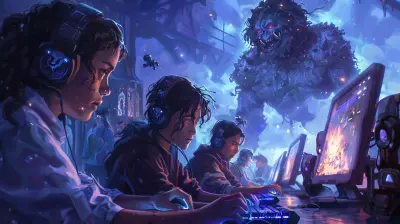
Think of online gaming as a digital campfire where people from all across the globe gather—not just to compete, but to connect. It’s not just about collecting loot or racking up headshots anymore. These days, gaming is about forming real, lasting bonds with people you might never meet in real life. The magic? It lies in the way online platforms melt geographical boundaries and foster cross-cultural connections that are both unexpected and heartwarming.
Let’s dive into how these global friendships are not only possible but thriving in the world of online gaming.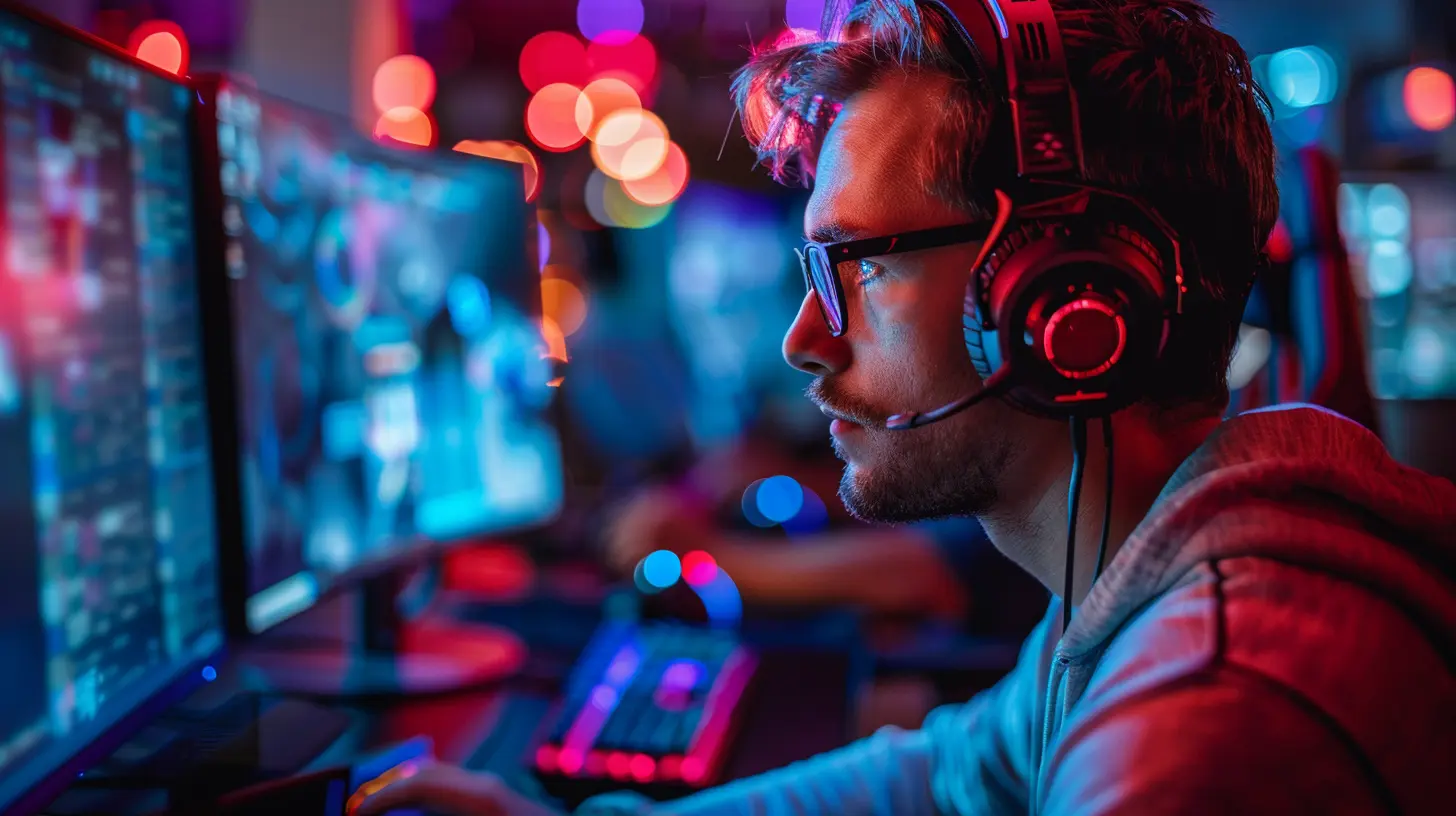
Online Gaming: A Global Playground
If you’ve ever queued up for a ranked match in a popular title like League of Legends, Call of Duty, or PUBG, you already know—you could be teamed up with someone from Tokyo, Nairobi, São Paulo, or Berlin. Online gaming platforms have evolved into massive virtual playgrounds where nationality, culture, and even language don’t necessarily get in the way of collaboration.Why does this matter? Because it means gamers are constantly interacting with people from cultures vastly different from their own. And that’s how the seeds of connection begin to grow.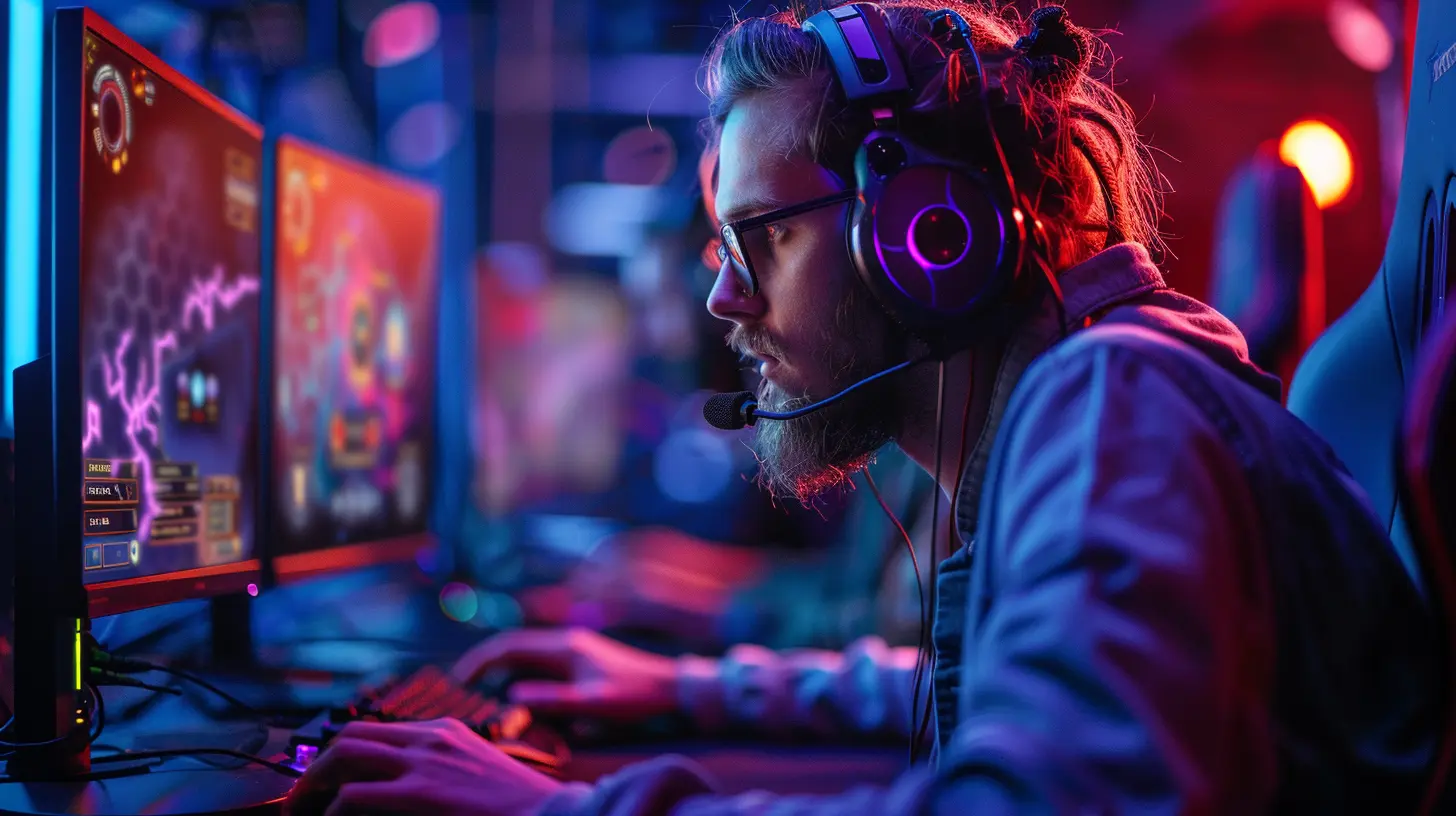
Breaking Cultural Barriers, One Match at a Time
Gaming naturally lowers many of the usual barriers that people face in real-world social settings. Let’s be honest—there’s no small talk about the weather or awkward introductions. You hop into a game, and boom—you’re already working together toward a common goal, whether that's defending a base, solving a puzzle, or surviving a zombie horde.This shared sense of purpose acts like a cultural bridge. Instead of focusing on what makes you different, you’re both too busy laughing over a crazy kill streak or shouting into your mic because you’re about to win in overtime. That’s where connection starts—shared experiences, shared victories, shared frustrations.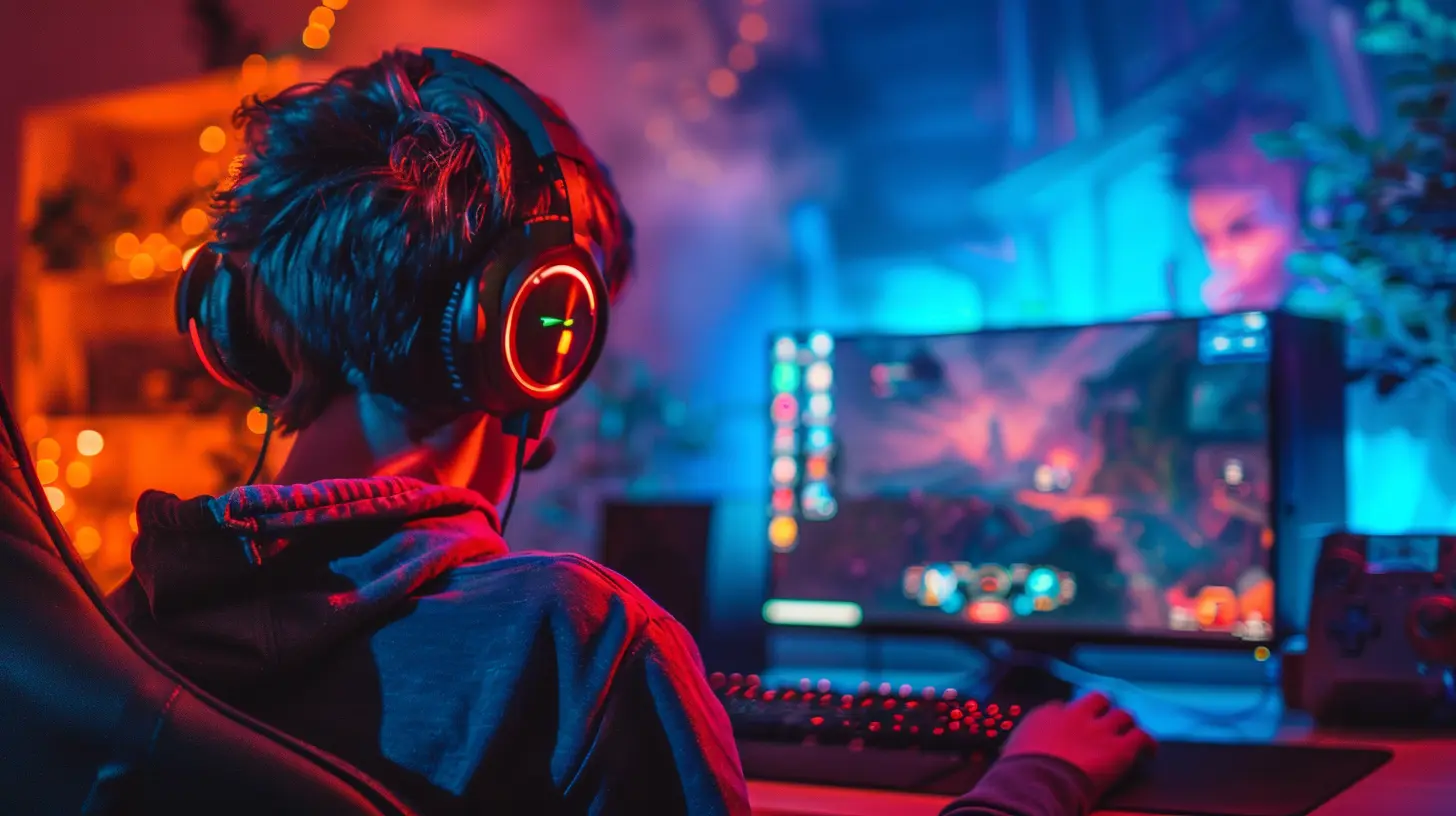
Language Differences? Not Always a Deal Breaker
You’d think language would be the biggest roadblock, right? But here’s the funny thing—gamers are surprisingly good at understanding each other, even with limited shared vocabulary. Emotes, pings, and quick voice commands have created a near-universal language.Ever communicated with someone in a match using only emojis, in-game signals, or broken English and still managed to win? That’s not just coordination—that’s culture working in harmony. You’re not speaking the same language, but you’re definitely on the same wavelength.
Also, many gamers go the extra mile to learn new phrases or improve their English or another language just so they can communicate better in-game. It’s like free language immersion in the wildest classroom possible.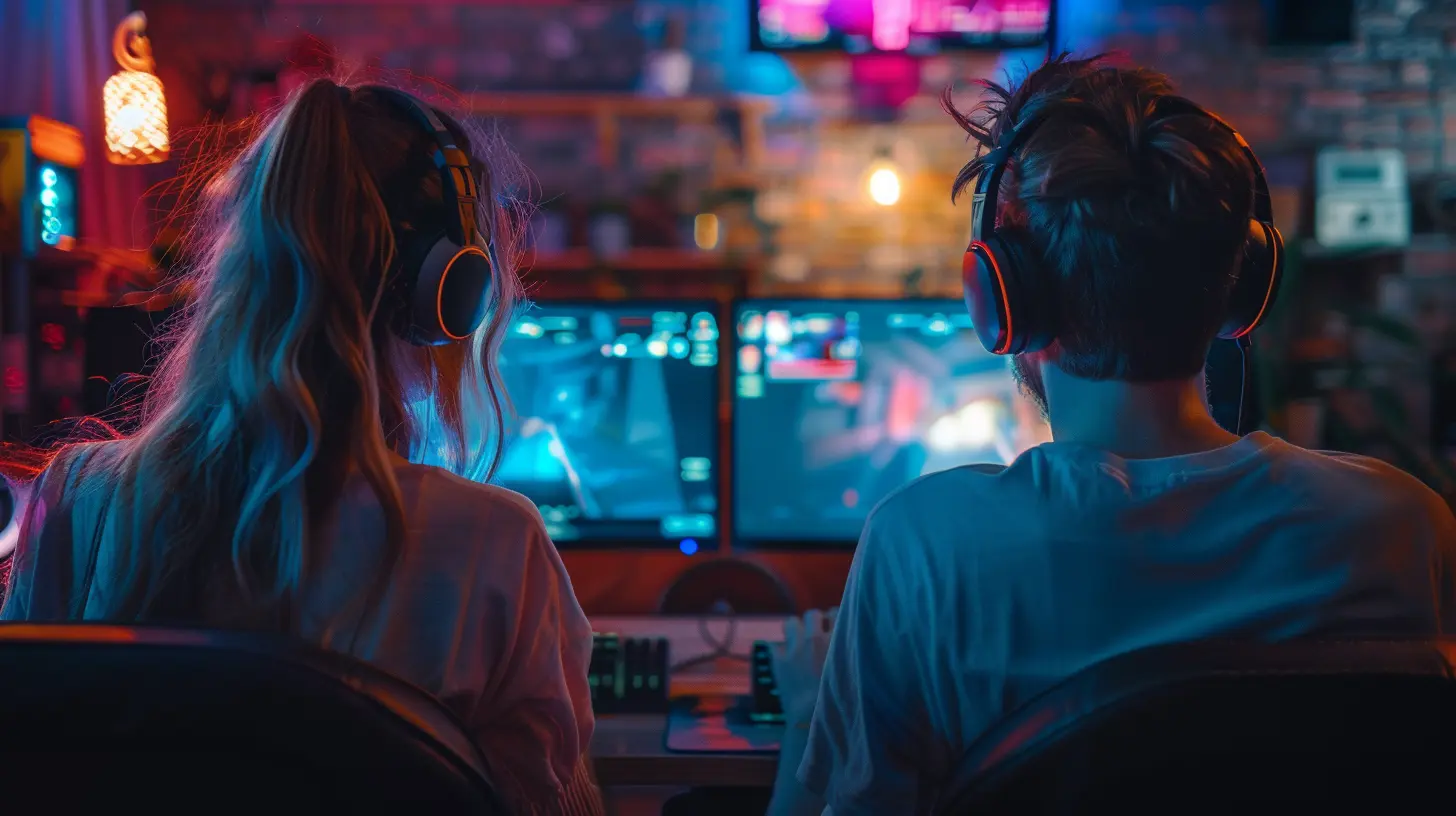
Virtual Communities That Embrace Diversity
We can’t talk about this topic without giving a nod to guilds, clans, and online forums. These digital social circles often act like mini melting pots. You’ve got members from all walks of life—different ages, genders, backgrounds, and cultures—coming together under one banner or group name.Over time, these groups become tight-knit communities. People learn about each other’s holidays, traditions, and daily routines. They start to appreciate and embrace one another’s differences. In fact, it’s not uncommon for players to send virtual Christmas cards across continents or schedule gaming sessions around a member’s cultural celebration.
Real Friendships Beyond the Screen
What starts online doesn’t always stay online. Tons of gamers end up developing friendships that spill over into real life. Some travel across the world to meet their gaming buddies. Others end up in weddings of friends they met through a multiplayer game. That’s real-world impact.Cross-cultural friendships formed in online games often last longer than those in offline hobbies because they’re built on hours of daily interaction and shared triumphs. When you’ve clutched a win together at 3 a.m., you’ve bonded over more than just pixels—you’ve genuinely connected.
Cross-Cultural Teamwork in eSports
Let’s talk about the pros for a second. In the eSports world, you see international teams working in perfect sync. These teams often have players from half a dozen different countries, yet they function like well-oiled machines. Why? Because the language of the game binds them together.These multicultural eSports rosters also become examples of what global cooperation can look like. Fans from different nations come together, not for politics or economics—for gameplay. It’s a beautiful reminder that collaboration and respect across races and cultures are not only possible but already happening.
Learning Cultural Sensitivity through Gaming
One of the most underrated outcomes of international gaming is that it teaches people cultural sensitivity—often without them even realizing it. After playing with someone from another part of the world, you might start to understand time zone challenges, religious holidays, and even subtle communication styles.Gamers who consistently engage with international teammates become more open-minded. They start to appreciate how different cultures solve problems, communicate, and even joke. Basically, you become fluent in people—even if you're not fluent in their language.
The Role of Game Developers in Encouraging Diversity
Let’s not forget the game developers here. Many modern titles are intentionally designed to be inclusive. They now feature:- Diverse character lineups with different ethnicities and backgrounds
- Culturally rich storylines
- Multi-language support and translation features
- Community-focused events that spotlight global player bases
By doing this, developers not only reflect the diverse world of gamers—they help celebrate it. And the more representation players see, the more connected they feel, regardless of where they log in from.
Games as a Soft Power Tool for Global Unity
This might sound grand, but hear me out—games function as soft power. They have the potential to build bridges between cultures faster than any formal diplomacy. Think of it like this: when people in conflicting countries squad up to complete a raid boss, their differences take a backseat to teamwork.That’s powerful. That’s progress. Online gaming creates a space where people first see each other as gamers—not as rivals, enemies, or stereotypes. And in today’s political climate, spaces like that are nothing short of essential.
Challenges That Still Remain
Now, it’s not all sunshine and rainbows. Online gaming also has its share of cultural clashes. Misunderstandings, language barriers, offensive behavior, and even racism can still rear their ugly heads. The anonymity of the internet sometimes brings out the worst in people.But here’s the kicker—because the community itself is so interconnected and vocal, many of these issues get addressed. Players call out toxic behavior, support victims, and push for change within their games. You’ll often see groups rallying for better moderation, cultural respect, and inclusion.
So yes, challenges exist. But so does a very real effort to overcome them.
The Next Generation of Global Gamers
Young gamers growing up today are being shaped by this digital cross-cultural experience from the very start. They’re forming friendships with people oceans away before they even enter high school. And they’re more aware of global perspectives than any generation before them.Imagine what that means 10 or 20 years from now. We’re looking at a generation that won’t just be gamers—they’ll be global citizens who understand the power of connection, cooperation, and empathy. All because of the games they played growing up.
Final Thoughts
Online gaming has shifted from being a solo pastime to a global social experience. It’s turned our screens into windows through which we see other cultures, not through textbooks or documentaries, but through shared victories, epic fails, and late-night strategy sessions.Whether it’s through game mechanics, voice chats, or the forming of digital tribes, cross-cultural connections in gaming aren't just surviving—they’re thriving. And each time we log on, we’re not just entering a game; we’re entering a global conversation.
So next time you team up with someone who lives on the other side of the world, take a moment to appreciate the connection. You're not just playing—you’re building a bridge.
all images in this post were generated using AI tools
Category:
Gaming CommunitiesAuthor:

Luke Baker
Discussion
rate this article
2 comments
Kenzie McGovern
Online gaming serves as a unique platform for cross-cultural interactions, enabling players from diverse backgrounds to collaborate and share experiences. This connection fosters understanding and friendship, highlighting the potential of virtual spaces to bridge cultural divides and enhance global communication.
February 3, 2026 at 3:19 AM
Luke Baker
Thank you for your insightful comment! Indeed, online gaming truly highlights the power of virtual spaces to connect people across cultures, fostering collaboration and understanding.
Sasha Mason
Online gaming transcends boundaries, fostering inclusive communities where diverse cultures intersect. These interactions not only enhance gameplay but also promote understanding and empathy among players worldwide, enriching the gaming experience.
January 30, 2026 at 3:58 AM
Luke Baker
Thank you for your insightful comment! I completely agree that online gaming serves as a powerful platform for cross-cultural connections, enriching both the gameplay and our understanding of diverse perspectives.