How Animation Styles Reflect a Character’s Personality
25 April 2026
Ever watched a cartoon, anime, or video game cutscene and immediately felt like you knew who a character was—just from the way they moved or looked? That’s no accident. In the world of animation, every line, color, and movement choice says something. It’s like body language on steroids. And the coolest part? Different animation styles offer a kind of behind-the-scenes glimpse into a character’s personality before they ever say a word.
So grab some popcorn and dive in with me because we’re about to uncover how animation styles can shape, express, and amplify the personalities of the characters we love (or love to hate).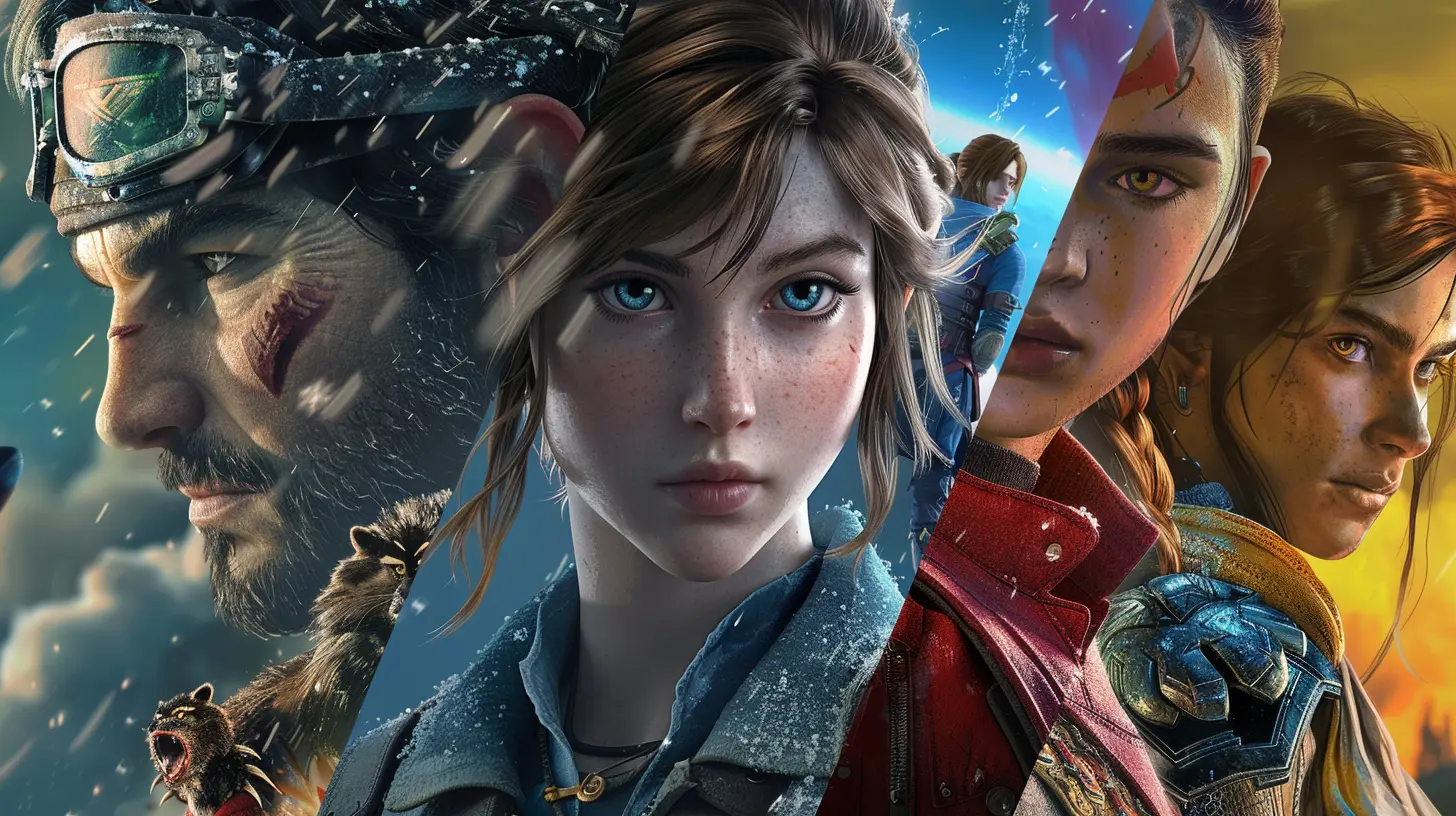
Why Animation Style Even Matters
You might be thinking, “Isn’t animation style just an artistic choice?” Well, yes—and no.Think of animation like fashion. The clothes you wear say something about you—whether you’re minimalist, bold, quirky, or laid-back. In animation, a character’s design, movement, and visual tone are like their wardrobe. It tells us who they are, what they stand for, and how they relate to the world around them.
Whether it’s a hyper-realistic anti-hero in a gritty action RPG or a bubbly sidekick in a Saturday morning cartoon, the way a character is drawn and animated is one of the biggest clues to their personality.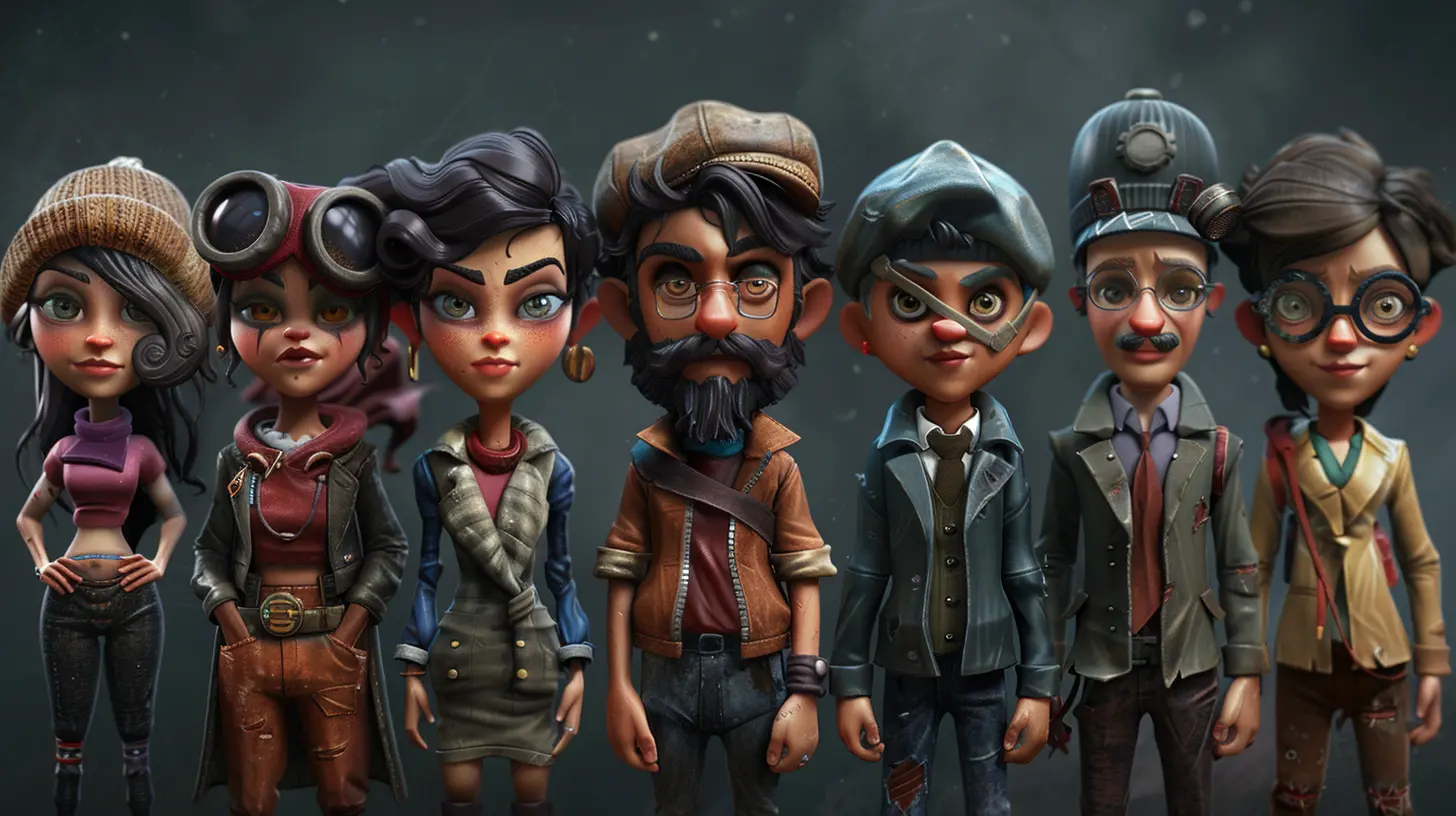
Line Work: Sharp Vs. Soft = Tough Vs. Tender
Let’s start simple—line work. The types of lines used in a character’s design can say a lot.- Sharp, angular lines often signal aggression, confidence, or a no-nonsense attitude. Think of characters like Batman or Vegeta from Dragon Ball Z. Their edges are clean, their shapes pointy—it’s like their whole body is shouting “Don’t mess with me.”
- Soft, rounded lines, on the other hand, tend to scream approachability, innocence, or warmth. Characters like Kirby or Olaf from Frozen? Their curves and puff-like shapes ooze friendliness.
So next time you see a character and instantly think, “They seem nice” or “They look mean,” it could just be your brain picking up on those subtle visual cues.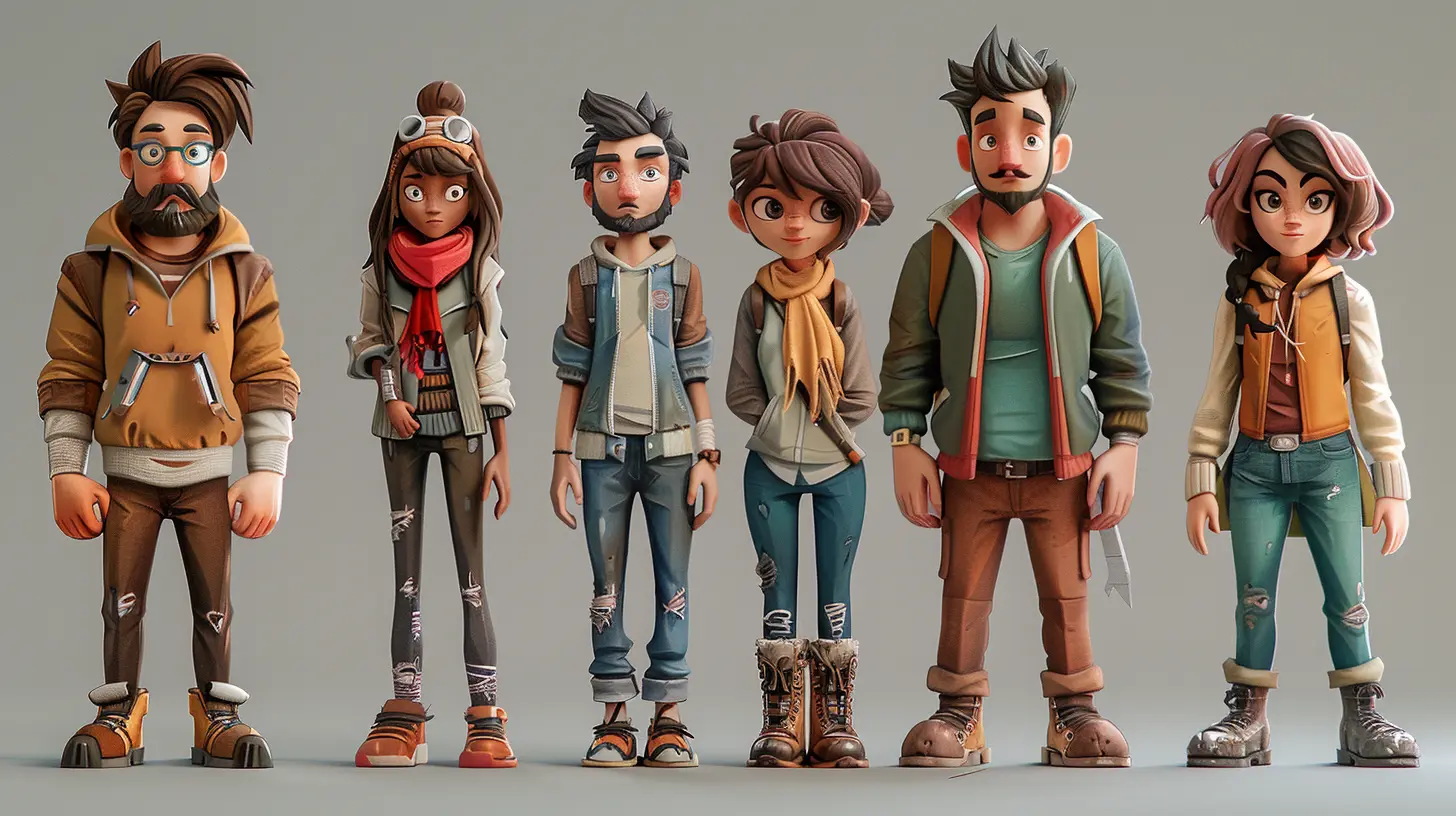
Color Schemes Speak Louder Than Words
Color is another biggie. We often don’t realize it, but the color palette used in a character's design or animation style packs an emotional punch.- Dark colors like blacks, deep reds, or midnight blues are often used for mysterious or brooding characters. Think Shadow the Hedgehog or Geralt from The Witcher. These hues suggest depth, danger, or inner demons.
- Bright, vibrant colors? Those are for your energetic, cheerful, or naive types. SpongeBob, for instance, is practically a walking sunbeam.
- Muted tones are often used for more grounded, realistic, or complex characters. Someone like Ellie from The Last of Us isn’t flashy. Her subdued palette tells us she’s serious, living in a grim world.
Color psychology is real—and animation styles use it like a painter using emotional brushstrokes.
Movement Tells A Deeper Story
Now, let’s talk about how characters move. Animation isn’t just about still shots—it’s about motion. And that motion tells us loads about personality.- A character who moves quickly and erratically might be anxious, hyper, or chaotic. Think of Daffy Duck—his exaggerated, over-the-top movements show us he’s not exactly emotionally stable.
- Conversely, someone like Sephiroth from Final Fantasy glides across the screen with calculated grace. He’s cool, composed, maybe even a little creepy. You feel his power just by watching him walk.
And then there’s comic timing. Fast cuts and snappy, exaggerated motions often signal comic relief. While slow, deliberate animations can make a character seem more thoughtful or menacing.
The tempo of their movement is like their inner metronome—what pace does their personality beat to?
Anime: A Masterclass in Personality Through Animation
Let’s spotlight anime for a second. Japanese animation has mastered the art of matching movements and styles to character traits.- Ever notice how the main hero usually has spiky hair and huge eyes? That’s intentional. The spiky hair shows energy and uniqueness. The big eyes? They’re for emotional storytelling—windows to the soul, showing vulnerability even when the character is tough.
- Villains often have slicked-back hair, sharp cheekbones, and narrow eyes. Those details scream cunning and control.
Anime also uses what’s called “limited animation,” where fewer frames are used, but they make up for it with intense facial expressions and stylistic flourishes. It’s all about exaggerating just the right thing to make a character unforgettable.
The Role of Exaggeration in Cartoons
Cartoons take exaggeration to another level—especially Western ones. Remember the way Bugs Bunny raises an eyebrow or how Rick from “Rick and Morty” slurs his speech while looking like he hasn’t slept in days?These extreme character designs are tailored to personality-first storytelling. Exaggeration isn’t just for laughs—it’s how cartoons instantly communicate who a character is.
- Big eyes and oversized heads? Childlike innocence or goofiness.
- Tiny pupils and rigid posture? Uptight or sinister.
- Rubber-band physics where a character stretches or squashes? They're quirky and unpredictable.
Cartoons play with the boundaries of reality to make personalities pop like fireworks.
Video Game Characters: Animation in Action
Gaming characters are where animation and interactivity collide. Here, how a character looks and moves actually affects gameplay—and that ties directly into their personality.- Think about Kratos in “God of War.” His heavy, deliberate animations make you feel his brute strength and emotional baggage. There’s no lightness to him, and that’s the point.
- On the flip side, look at characters in “Fortnite.” Their bright colors, flashy emotes, and cartoonish animations tell you they’re here for fun—not deep emotional introspection.
Game developers also use animation styles to tell stories without words. Say you’re playing a silent protagonist. Their body language—how they walk, react, fight—all says something. It’s storytelling through movement.
Indie Games: Unique Styles, Unique Souls
Indie games deserve a shoutout here because they break all the traditional rules—and that’s where real magic happens.Games like “Hollow Knight” or “Cuphead” have completely unique animation styles not just for aesthetics, but to reflect the soul of the characters.
- “Cuphead” uses 1930s rubber hose animation to convey a mischievous, vintage vibe—kind of like if Mickey Mouse had a gambling problem.
- “Hollow Knight” goes for a minimalist, gothic look. Its simple, bug-like protagonist may not even talk, but you feel its loneliness and determination in the way it moves and how the world reacts around it.
Indie games prove that personality doesn’t need words when animation is done right.
Animation Evolves With The Character
Here’s something that often goes unnoticed: a character’s animation style doesn’t have to stay static. It can evolve with their personality throughout the story or game.Take a character who starts off timid. Their animations might be slow, their movements small. But as they grow in confidence, they walk straighter, strike harder, smile wider. This kind of visual arc deepens the emotional payoff without a single line of dialogue.
It’s like watching someone grow up in fast-forward—and it’s super satisfying.
So… Does Animation Really Reflect Personality?
Heck yes, it does.If you strip away the voice acting, the dialogue, and the plot—what are you left with? The way a character looks and moves. And that’s the skeleton of their personality. It’s their essence boiled down to visual language.
From subtle eyebrow raises to bold color choices, animation speaks volumes. It’s not just art—it’s character psychology brought to life.
Final Thoughts: More Than Just Pretty Pictures
At the end of the day, animation isn't just there to make characters look cool (though it definitely helps). It’s used to say something real about who the character is, what they’ve been through, and how they see the world.So the next time you fire up your favorite game, binge a new anime, or rewatch a classic cartoon, take a minute to look past the surface. Notice the lines, the colors, the movements. They’re all part of the story—and they’re speaking directly to you.
Not with words, but with style. And trust me, that says more than dialogue ever could.
all images in this post were generated using AI tools
Category:
Best Game CharactersAuthor:

Luke Baker
Discussion
rate this article
2 comments
Rivera Larsen
Great, now my slouchy walk has a deep, emotional meaning.
April 29, 2026 at 3:38 PM
Luke Baker
I love that perspective! Every detail can tell a story, even a slouchy walk.
Zeke Duffy
Animation styles profoundly shape character perception, conveying emotions and traits instantly. Subtle movements and visual flair enhance storytelling, making characters relatable and immersive to players.
April 28, 2026 at 4:31 PM
Luke Baker
You're absolutely right. Animation styles play a crucial role in how we connect with characters, adding depth and relatability that enriches the storytelling experience.