Games That Revolutionized Multiplayer Experiences
15 June 2026
Gaming has come a long way from the days of couch co-op and split-screen chaos. Remember passing the controller after every death in Mario Bros.? Those were the simpler days. But the multiplayer scene? It’s evolved — no, exploded — into something unrecognizable compared to its humble beginnings. From massive online battles to real-time team chat and global esports tournaments, multiplayer gaming has rewritten the rules of digital interaction.
Today, we're diving deep into the games that didn't just ride the wave — they made the wave. These are the titles that fundamentally changed how we connect, compete, and collaborate in the gaming world.
The Evolution of Multiplayer: A Quick Look Back
Before diving into the heavy hitters, let’s not forget where it all started. The earliest forms of multiplayer were local — think Pong, Street Fighter II, or GoldenEye 007 on the N64. You needed a second controller and a friend sitting next to you.But then, the internet happened. And with it came a revolution. Games now connect millions of players around the world in real time. That shift? It completely redefined what multiplayer gaming means.
1. Halo: Combat Evolved (2001) – LAN Parties and Console FPS Glory
Let’s kick things off with a true pioneer. If you were around in the early 2000s, chances are you or someone you knew lugged an Xbox to a buddy’s house for an all-night Halo LAN party.What made it revolutionary?
- It brought fast-paced, satisfying first-person shooter action to consoles in a way that actually worked.
- Halo was one of the first console games to make LAN play accessible without being a tech wizard.
- It laid the groundwork for online multiplayer for consoles, paving the way for Xbox Live.
Halo made us realize multiplayer didn’t have to be limited to fighting over who gets Player 1. It was team-based, competitive, and, above all, social.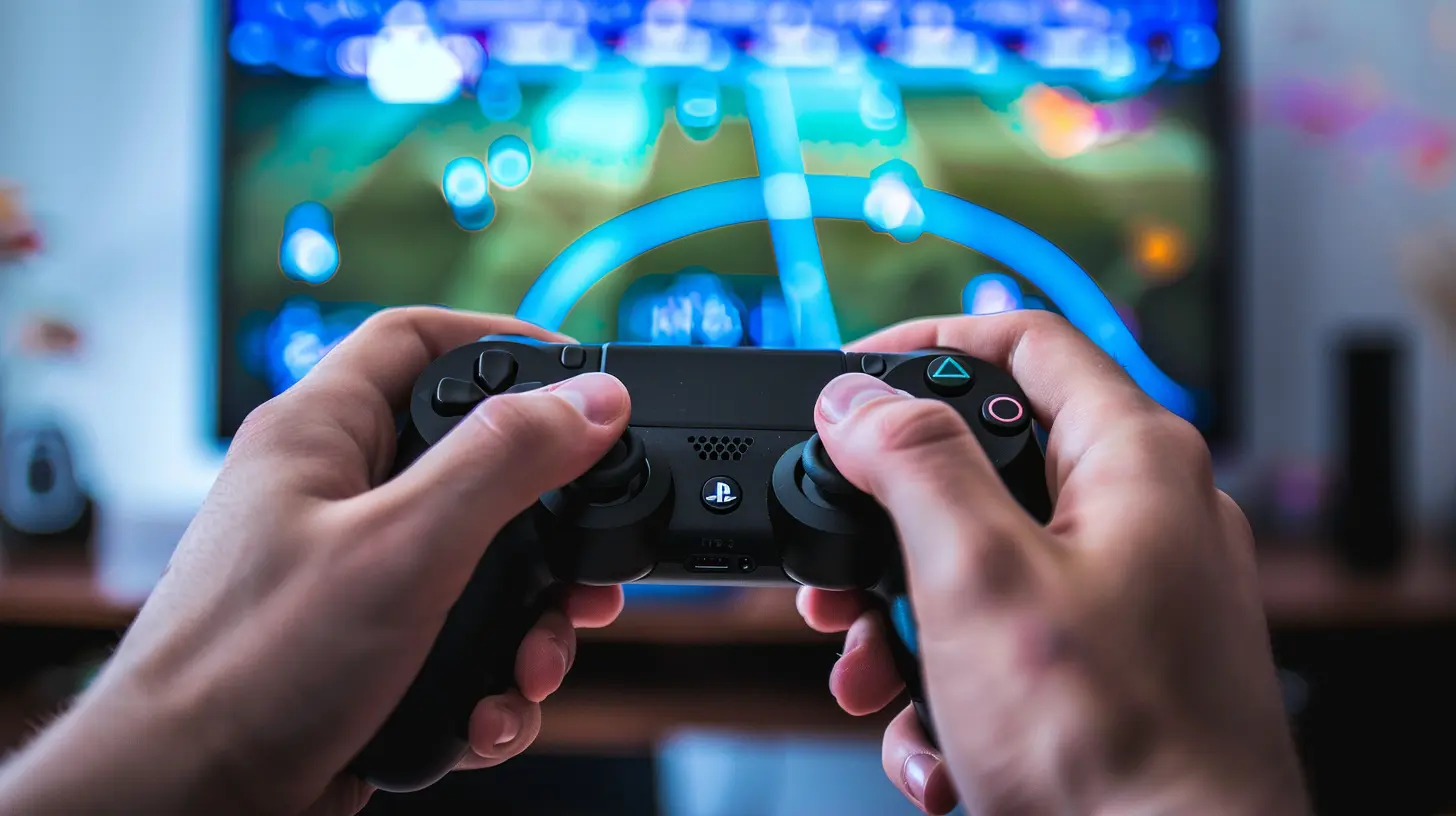
2. World of Warcraft (2004) – The King of MMOs
World of Warcraft didn’t just break the mold—it built a whole new one. It turned online multiplayer into a living, breathing fantasy world.Why WoW was a game-changer:
- It introduced MMO (massively multiplayer online) gameplay to the mainstream.
- With millions of players logging in daily, it created a virtual universe where real friendships and rivalries formed.
- Guild raids, PvP battlegrounds, and player economies became the new social hubs.
You weren’t just playing a game — you were living in it. For many, WoW was less a game and more a second life.
3. Call of Duty 4: Modern Warfare (2007) – Online Shooters Redefined
Before CoD4, online shooters were mostly the realm of PC gamers. Modern Warfare flipped that on its head.What it nailed:
- Tight, responsive shooting mechanics that just felt right.
- A ranking and progression system that kept you coming back for just one more match.
- Perks and killstreaks added layers of strategy and chaos never seen before.
This wasn’t just about shooting enemies. This was about climbing ladders, unlocking badges, and asserting digital dominance.
It built the blueprint for modern competitive multiplayer FPS games.
4. Minecraft (2011) – Multiplayer Meets Creativity
You might think Minecraft is just about breaking blocks — but it’s so much more than that. It’s also one of the most community-driven multiplayer platforms ever created.Why it’s revolutionary:
- It allowed players not just to play, but to build entire worlds together.
- Minecraft servers became microcosms of creativity, competition, and collaboration.
- Modes like Survival Games and Skyblock turned Minecraft into a whole sub-genre of multiplayer experiences.
You could battle your friends, build castles, or just chill and go mining together. The possibilities were — and still are — endless.
5. League of Legends (2009) – The MOBA That Built an Empire
MOBA (Multiplayer Online Battle Arena) games were niche… until League of Legends turned them into global phenomena.What LoL did right:
- It simplified the complex mechanics of its predecessor (DOTA) into something anyone could learn — but few could master.
- LoL’s focus on team-based strategy and skill turned it into a competitive powerhouse.
- The rise of esports can’t be told without mentioning LoL’s massive influence.
With millions of dollars in prize pools and stadiums filled with spectators, it transformed multiplayer gaming into professional sport.
6. Fortnite (2017) – Social Gaming Meets Battle Royale
Fortnite did more than introduce millions to battle royale gameplay — it became a cultural event.Why Fortnite changed the game:
- It turned 100-player drop-in survival into a global trend.
- Constant updates, crossovers with pop culture (Marvel, Star Wars, even concerts), and bright, engaging visuals drew in all demographics.
- The in-game events — like the Travis Scott concert or the black hole shutdown — turned gameplay into shared cultural moments.
And let’s not forget: Fortnite was a pioneer in cross-platform play. PS4, Xbox, PC, Switch, even mobile — all playing together? That was the dream.
7. Among Us (2018, Popularized in 2020) – The Social Deduction Phenomenon
Among Us quietly existed for years before a global pandemic turned it into the party game of the decade.What made it special?
- It brought back true social interaction — lying, bluffing, and deductive reasoning.
- Simple mechanics and cross-platform play made it insanely accessible.
- Twitch streaming and YouTube content helped it go viral — literally overnight.
In a time of social isolation, Among Us proved that good multiplayer doesn’t need AAA graphics or a giant budget. Just add friends and chaos.
8. Counter-Strike: Global Offensive (2012) – Competitive Precision
CS:GO isn't flashy. It's not riddled with power-ups or wild skins (well, except for the weapon skins, let’s be honest). But it’s one of the purest forms of competitive multiplayer out there.Key contributions:
- Mastery-based gameplay — skill truly determines the outcome.
- The introduction of a thriving economy system within rounds created deep strategy.
- CS:GO's matchmaking and ranking systems became the gold standard for competitive online play.
It’s chess with guns — simple on the outside, deeply complex underneath.
9. Apex Legends (2019) – The Evolution of Team-Based Battle Royale
Apex Legends took the chaos of battle royale and injected it with style, team tactics, and unforgettable characters.What Apex did differently:
- The ping system changed communication forever — no mic needed, just smart tagging.
- Legends offered unique personalities and playstyles, adding team synergy to the battle royale genre.
- Movement felt fluid, fast, and fun — no one moved quite like an Apex player.
It showed that teamwork and voice chat weren’t required to play cohesively. A well-placed ping? Sometimes that’s all you need.
10. Elden Ring (2022) – Asynchronous Multiplayer Perfection
From Software has always done multiplayer differently, and Elden Ring perfected that formula.How it stood out:
- Asynchronous elements like messages and bloodstains felt like echoes of other players’ experiences.
- Co-op and PvP invasions kept the world unpredictable.
- It embraced player interaction without forcing it, creating a sense of mysterious shared existence.
It’s subtle, but powerful. In Elden Ring, you’re always connected — even when you think you're alone.
The Future: Where Is Multiplayer Gaming Headed?
So, what’s next? We're already seeing metaverse-like spaces in games like Roblox, VR multiplayer in titles like Rec Room and Half-Life: Alyx, and AI-driven NPCs that behave like real teammates.Cross-platform play is becoming the norm. Cloud gaming lets us play anywhere. And social interaction? It’s becoming more immersive than ever.
The multiplayer revolution isn’t slowing down — it’s just getting started.
Final Thoughts
Multiplayer is no longer about just playing with friends. It’s about community, competition, creativity, and storytelling. The games we talked about didn’t just evolve with the times — they defined the times.They laid the tracks, built the systems, and created the moments that made us scream, laugh, rage-quit, and high-five across the globe.
If you’ve ever teamed up, faced off, or just vibed with others in a virtual space — you’ve experienced the revolution.
And you know what? It’s a great time to be a gamer.
all images in this post were generated using AI tools
Category:
Best Video GamesAuthor:

Luke Baker
Discussion
rate this article
2 comments
Weston McKee
The article highlights key titles that reshaped multiplayer gaming, showcasing innovations in connectivity and user interaction. From the social dynamics of "Halo" to the cooperative strategies in "Left 4 Dead," these games not only entertained but also fostered communities, altering how players engage worldwide.
September 16, 2026 at 3:26 AM
Luke Baker
Thanks for your insightful comment! I aimed to spotlight how these titles transformed multiplayer experiences and connected players in new ways.
Devin Pruitt
This article perfectly captures the essence of multiplayer evolution. From classic LAN parties to today's cross-platform play, games like "Halo," "World of Warcraft," and "Fortnite" reshaped social interactions. It's fascinating to see how these experiences connect players globally, making gaming a truly universal language. Great read!
June 20, 2026 at 4:36 AM
Luke Baker
Thanks for your thoughtful comment! I'm glad you enjoyed the article and appreciate how multiplayer gaming has evolved. It really is amazing how games bring people together.