Game Characters That Inspired Real-Life Change
11 July 2026
Let’s face it—video games aren’t just about flashy explosions, epic loot drops, or button-mashing through boss fights anymore. Games have evolved into this powerful art form capable of influencing hearts, minds, and yes—even lives. Some characters don’t just exist in pixelated realms—they leap off the screen and walk with us through real-world challenges. They inspire us to be better, to fight harder, to stay true to ourselves.
So, buckle up. We're diving headfirst into the world of game characters that inspired real-life change—not just by saving fictional worlds, but by seriously impacting ours.
1. Lara Croft – Empowering Women Through Strength and Intellect
It's impossible to talk about iconic characters without bringing up Lara Croft. From her early polygonal days to her modern-day reinvention, Lara embodies resilience, intelligence, and fierce independence.Sure, early versions of Lara were criticized for being overly sexualized, but as time passed, her character matured—just like her fans. The rebooted Tomb Raider series paints her not just as a treasure hunter, but as a survivor, an archaeologist, and an incredible role model for women.
Real-Life Impact? Tons of women have stepped into STEM fields, archaeology, and even extreme sports claiming they felt empowered by Lara's adventures. She helped reshape how female leads were designed in games—proof that strength doesn’t come from armor or guns, but from grit.
2. Commander Shepard – The Power of Choice and Leadership
If you've played the Mass Effect series, you’ve lived a thousand lives through Commander Shepard. Whether male or female, Paragon or Renegade, Shepard gave players the most powerful weapon of all: choice.Think about it. Shepard’s universe is filled with political tension, diversity, and life-or-death decisions. It’s not just about saving the galaxy—it's about how you do it. Moral dilemmas? Social issues? Inter-species diplomacy? It’s all there.
Real-Life Impact? Players have shared stories of how Shepard’s leadership inspired them to develop better communication, empathy, and even join the military or pursue political science. The idea that your decisions matter—that’s huge. It bleeds into the real world, urging people to be proactive leaders in their own lives.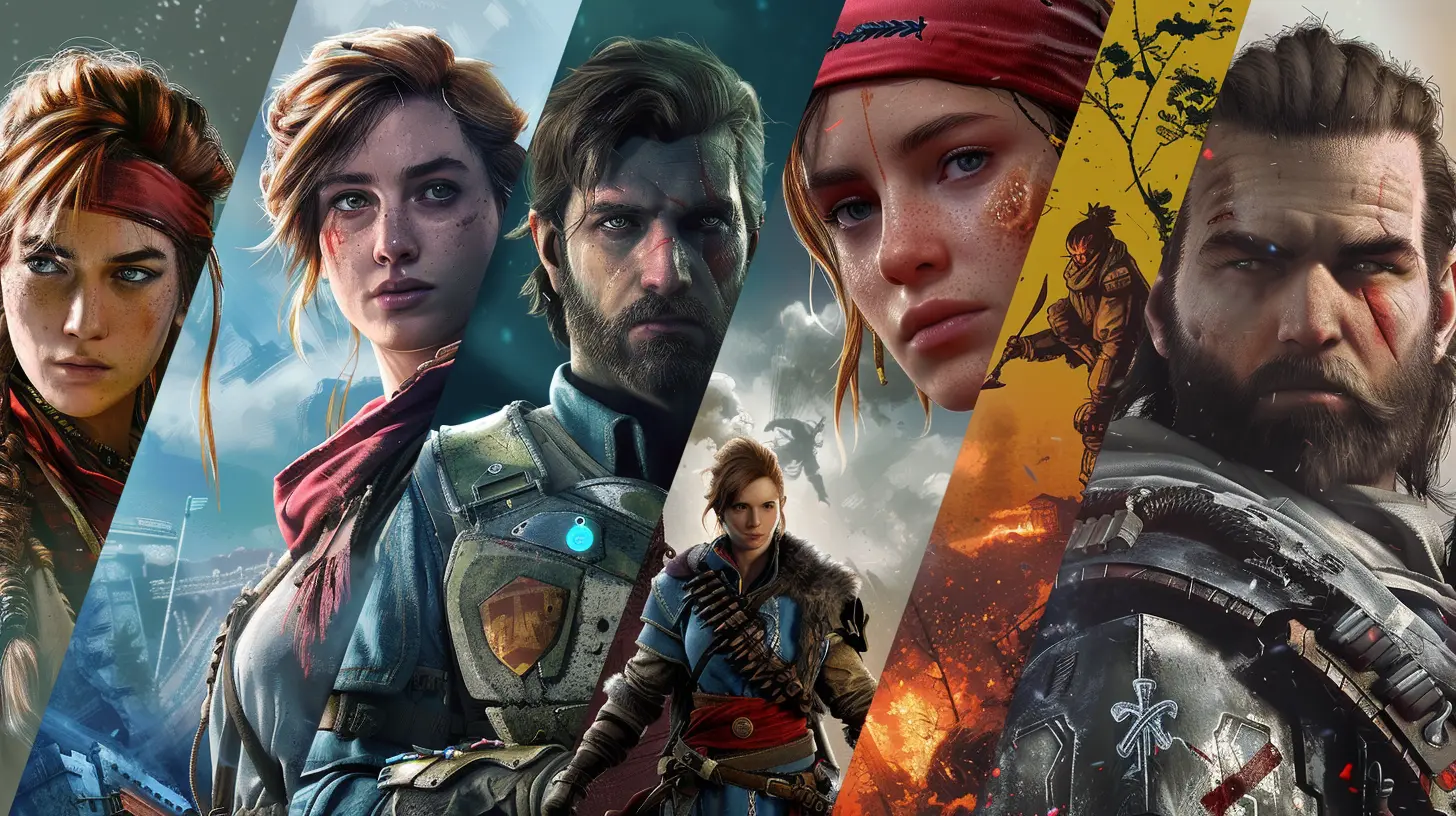
3. Ellie – The Face of Vulnerability and Strength in the LGBTQ+ Community
Let’s talk raw emotion. Ellie from The Last of Us isn’t just a survivor of a fungal apocalypse—she represents love, loss, rage, and resilience.Ellie being openly gay in a major triple-A game wasn’t just groundbreaking—it was needed. Her relationship with Dina in The Last of Us Part II was beautifully portrayed, layered with depth and authenticity. Nothing felt forced. It felt real.
Real-Life Impact? For many LGBTQ+ gamers, seeing Ellie unapologetically herself was life-changing. Representation matters. Players struggling with their identity found courage through her, and in some cases, came out to their families or communities. That’s the power of feeling seen.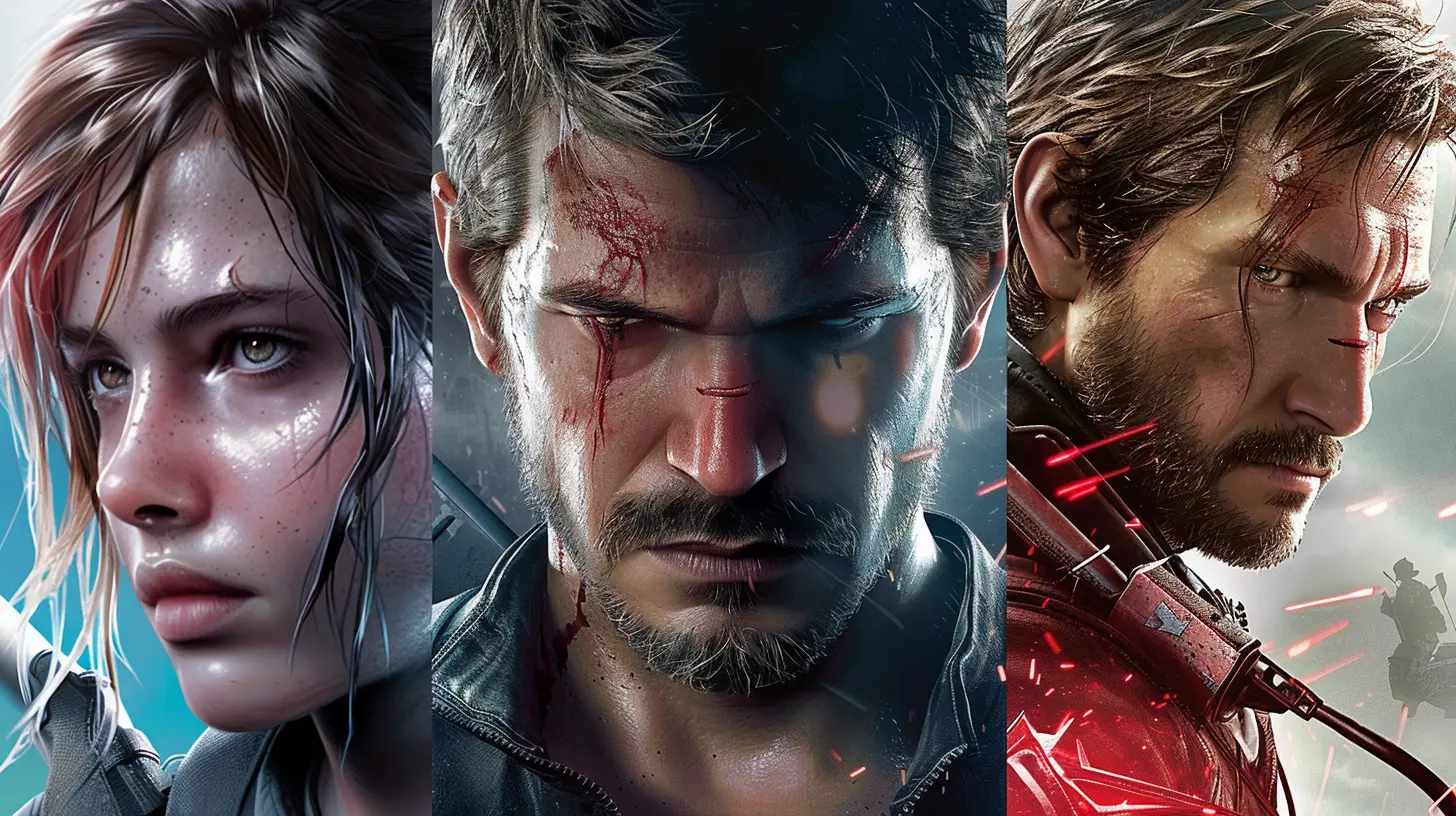
4. Solid Snake – The Cost of War and the Importance of Peace
Solid Snake isn't your typical action hero. Sure, he’s a stealth master who can dodge bullets and sneak past enemies using cardboard boxes (iconic, we know), but the Metal Gear Solid saga digs deeper.Snake constantly questions authority, war, and the ethics behind military operations. He’s a war hero who hates war. That contradiction is what makes him so compelling.
Real-Life Impact? Snake’s journey has sparked real discussions about military ethics, nuclear disarmament, and human rights. Veterans and politicians have applauded the series’ layered storytelling, claiming it helped them reflect on their own experiences in warfare. That’s next-level narrative design.
5. Max Caulfield – Embracing Mental Health and Empathy
Max Caulfield, the photography nerd from Life is Strange, may not be a warrior or space marine, but her story hits home in a way that’s even more powerful.She’s a time-traveling teenager trying to fix broken friendships, mend mistakes, and deal with trauma—all while still figuring herself out. Her friendship with Chloe, the community of Arcadia Bay, and the emotional weight of her choices make Max incredibly relatable.
Real-Life Impact? Life is Strange tackled mental health, bullying, suicide, and LGBTQ+ identity with incredible sensitivity. Max showed players that it’s okay to feel overwhelmed and that empathy isn’t weakness—it’s strength. Schools and therapists have even used the game as a conversation starter for emotional well-being. That’s real-world gold.
6. Geralt of Rivia – Choosing Humanity Over Monsters
Geralt, the White Wolf, monster-slayer extraordinaire from The Witcher series, is the epitome of the stoic anti-hero. But don’t let the gruff voice and silver sword fool you—Geralt’s biggest battles often aren’t against ghastly beasts, but against racism, corruption, and moral gray areas.He consistently chooses the more humane path—even when it’s the hardest. That’s not just story fluff. That speaks volumes.
Real-Life Impact? Geralt's character has encouraged fans to think critically about their own values. In an age where right and wrong can feel muddled, his choices remind us that doing the right thing matters—even when no one’s watching. Teachers have even used his stories to spark ethical debates in classrooms.
7. Cloud Strife – The Journey Through Trauma and Identity
When Final Fantasy VII first dropped in the late '90s, Cloud was your typical spiky-haired, too-cool-for-you protagonist. But dig a little deeper, and you’ll find trauma, loss, identity crisis—and eventually, healing.Cloud’s arc is basically a masterclass in character growth. He’s broken, manipulated, lost… and yet, he rebuilds himself piece by piece.
Real-Life Impact? Many fans struggling with depression, PTSD, or identity issues saw themselves in Cloud. His story isn't just about saving the world—it’s about saving yourself. Mental health advocates have praised his evolution, and fans have mirrored his journey by seeking therapy or support.
8. Arthur Morgan – Redemption Is Always Within Reach
You wouldn’t expect a rugged outlaw like Arthur Morgan from Red Dead Redemption 2 to make this list—but trust me, he belongs here.Arthur starts off as your typical gunslinger—tough, loyal, rough around the edges. But as the story unfolds, you see the aching weight of regret, the capacity for change, and the quiet moments of kindness that define who he is.
Real-Life Impact? Arthur’s journey toward redemption resonates deeply with people who’ve made mistakes and want to make amends. There are countless stories of players using Arthur’s arc as motivation to reconnect with family, quit destructive habits, or simply be better people. It’s raw. It’s real.
9. Faith Connors – Paving The Way For Determined Dreamers
In Mirror’s Edge, Faith Connors runs—literally and figuratively—toward freedom. As a runner in a tech-dystopia, she battles surveillance, authority, and systemic oppression.Faith isn’t a super-soldier. She’s just focused, determined, and willing to fight back. Her athleticism and tenacity symbolize personal momentum—once you start believing in yourself, nothing stops you.
Real-Life Impact? Faith became a role model for gamers who felt powerless. Female parkour athletes and advocates for personal freedom have cited her as an influence. She’s proof that you don’t need to punch harder—you just need to believe in your direction and never stop running.
10. Lee Everett – The Power of Mentorship and Second Chances
Let’s wrap this up with someone who doesn’t have magical powers or a giant sword: Lee Everett from Telltale’s The Walking Dead.Lee is a convicted criminal who finds himself protecting a young girl, Clementine, in the middle of a zombie apocalypse. His transformation from reluctant guardian to a true father figure is nothing short of heart-wrenching.
Real-Life Impact? Lee showed us that your past doesn’t define you. What you do with your second chance matters more. Players who related to Lee’s redemption arc have expressed how it helped them rebuild broken relationships or start new careers helping others. Some even became foster parents, believing they too could be someone’s anchor.
Final Thoughts: Pixels With Purpose
You might’ve loaded up these games just looking to kill time or escape reality—but instead, you found role models, life lessons, and sometimes even a piece of yourself. These characters weren’t perfect. Far from it. But maybe that’s what made them so impactful. They fell down, got up, and kept going—just like us.So, next time someone says games are just a “waste of time,” hit pause and tell them this:
Games don’t just change virtual worlds—they change the real one too.
all images in this post were generated using AI tools
Category:
Best Game CharactersAuthor:

Luke Baker
Discussion
rate this article
1 comments
Roxie Malone
It's fascinating how some game characters go beyond pixels and polygons to spark real-world change. From advocating for mental health to promoting diversity, these digital heroes show that gaming can influence society in meaningful ways. Who knew that saving virtual worlds could lead to saving real lives?
July 14, 2026 at 3:47 PM
Luke Baker
Absolutely, it's amazing how these characters resonate deeply with players, inspiring real-world progress. Their impact goes far beyond entertainment, proving that gaming can indeed drive positive change.