Dynamic Storylines That Boost Replay Value
24 July 2026
Ever finished a game and thought to yourself, "I need to play that again… right now"? Chances are, that game had a dynamic storyline. In a world where hundred-hour open-world games are the norm and attention spans are getting shorter, creating a compelling reason for players to jump back in is more important than ever. That’s where dynamic storylines come in.
Gone are the days when a game had one linear path from start to finish. Now, developers are crafting branching narratives, player-driven choices, and reactive worlds that don’t just entertain you—they invite you to reshape the story every time you play.
Let’s dive into why dynamic storylines aren’t just a fancy gimmick—they're the secret ingredient that’s boosting replay value and revolutionizing how we experience video games.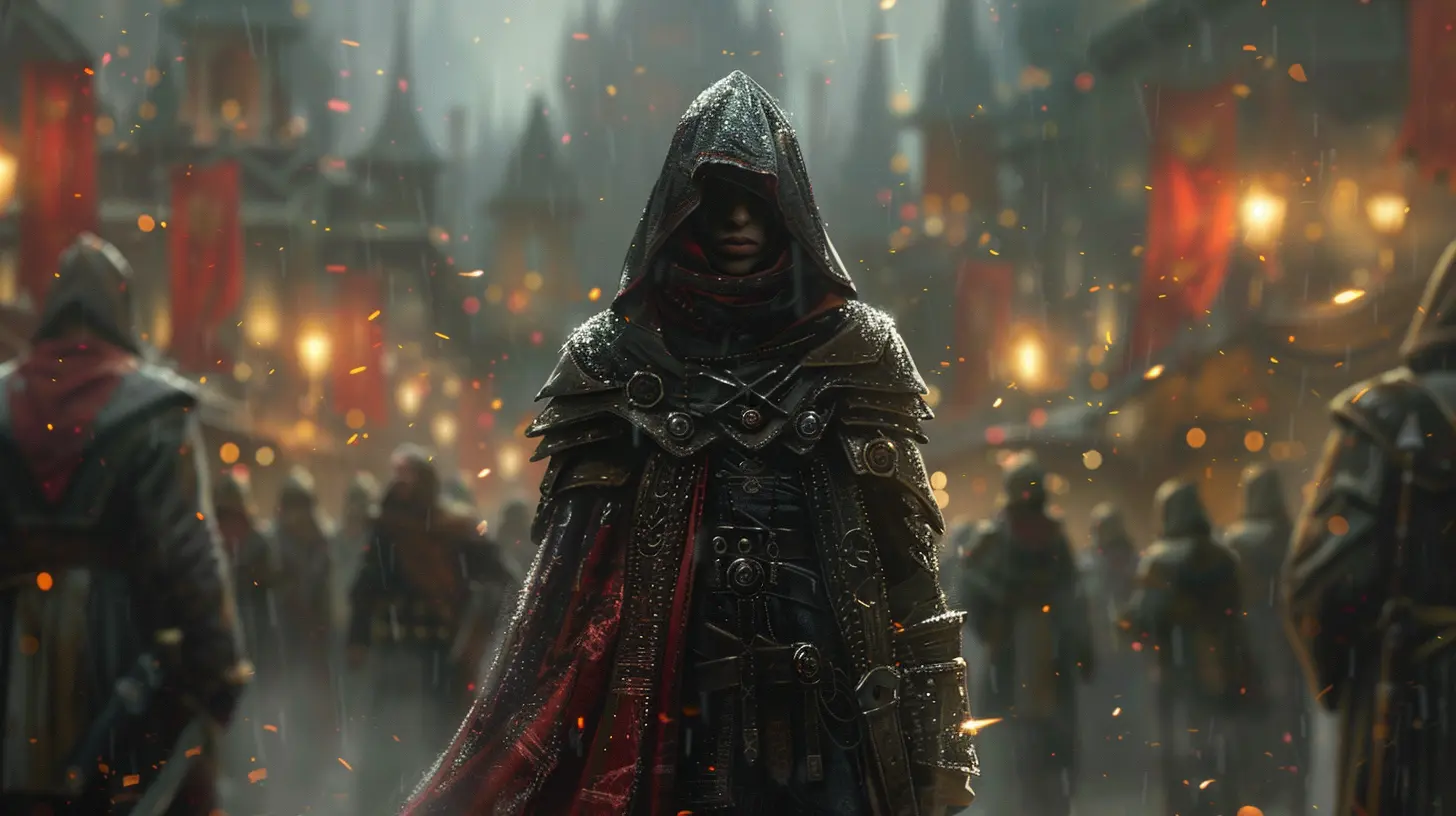
What Are Dynamic Storylines?
Before we start talking about why they’re awesome, let’s clear up what we’re even talking about. A dynamic storyline is basically a game narrative that changes based on your decisions, actions, or even minor interactions.Instead of a single, set plot, you’ve got a web of possible outcomes. Think of it like being handed the pen and ink and told, “You write it.” Suddenly, you become more than just a player—you become a co-author.
Games with dynamic storylines give you agency. Your choices matter, consequences feel real, and every playthrough can offer a new perspective.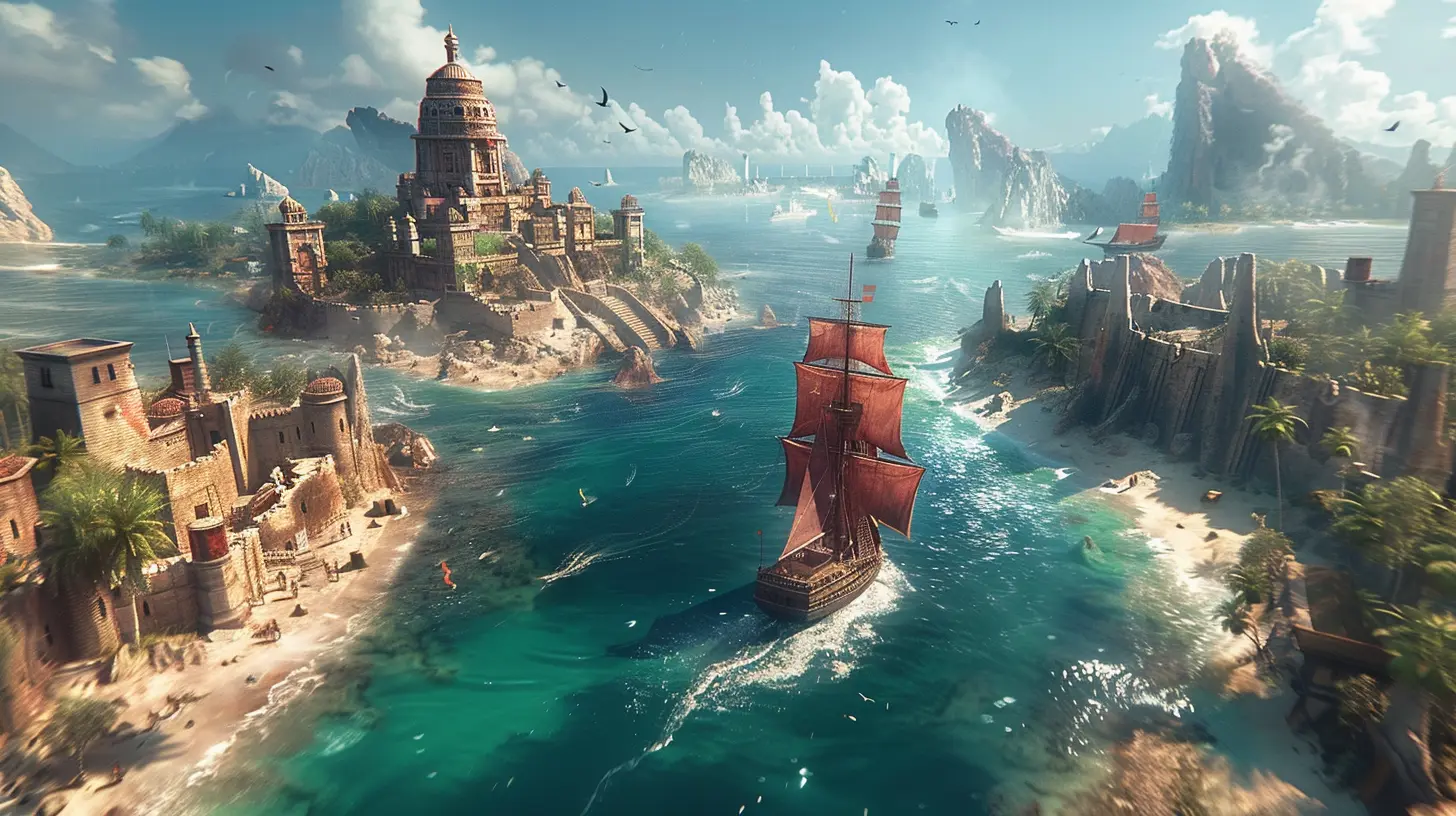
Why Replay Value Matters More Than Ever
We all love a good one-and-done storyline. You play it, complete the final mission, cry during the credits, and then… you shelve it. That’s totally fine. But ask yourself this: If you spent $60 on a game, shouldn’t it give you more than just one ride?High replay value doesn’t just justify the price tag—it deepens emotional investment, builds community interaction, and gives a game longevity. The difference between playing a game once and playing it five times is often about whether the story can surprise you… again and again.
And dynamic storylines? They’re the MVPs when it comes to keeping things fresh.
The Psychology of Choice in Games
There’s something deeply satisfying about making a choice and watching it ripple through the game world. Psychologists call this “agency,” and it’s something our brains crave. We’re wired to feel more immersed when we can make meaningful decisions that lead to visible results.That’s why dynamic storylines hit so hard. Think about games like The Witcher 3, where the fate of cities hangs on your moral compass, or Detroit: Become Human, where a single choice can kill your favorite character. Those narratives don’t just unfold—they react.
When games offer these branching paths, we feel responsible for what happens. It’s no longer just Geralt’s story—it’s your version of Geralt’s story. And that makes all the difference.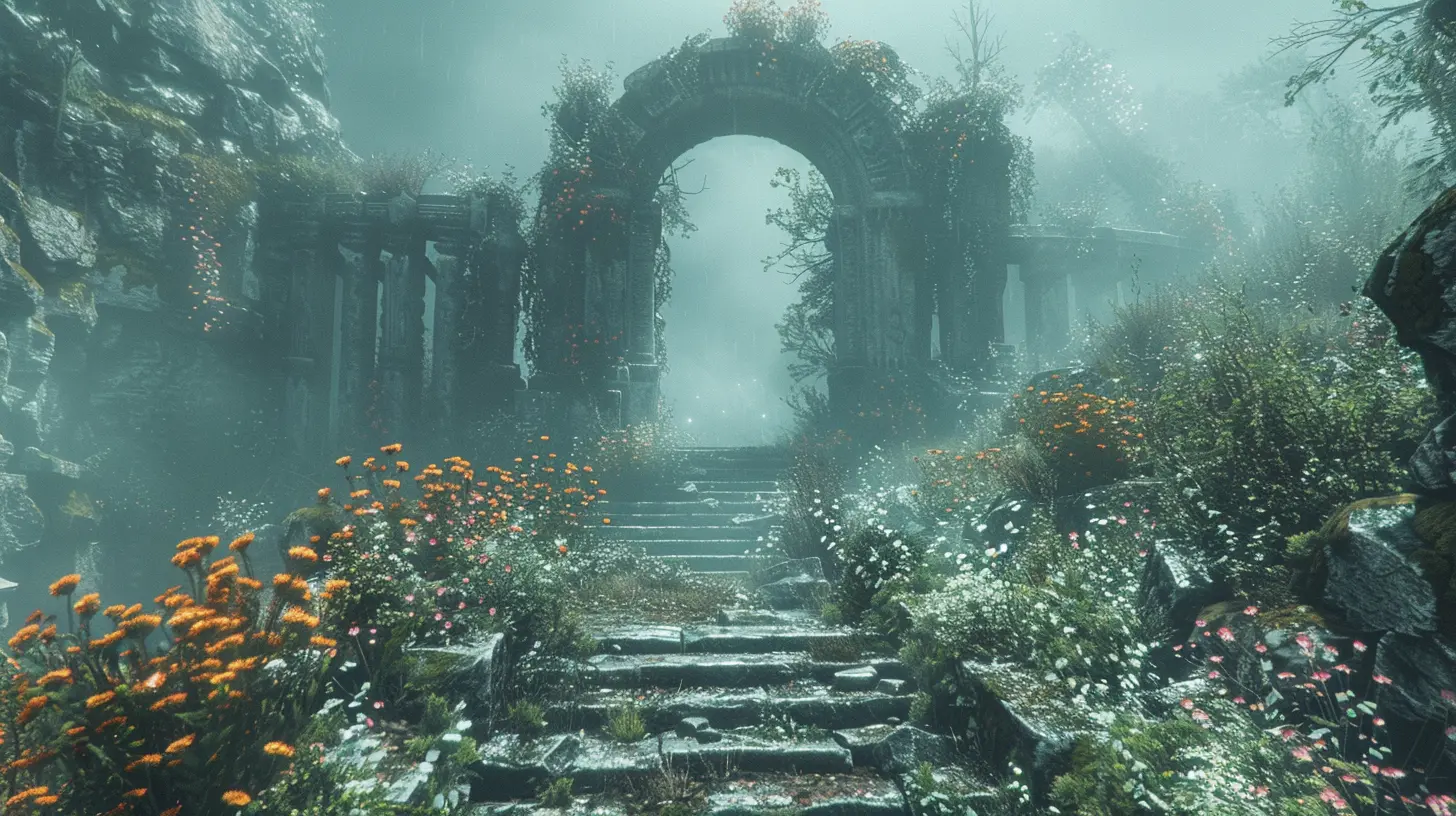
Multiple Endings: The Gateway to Infinite Playthroughs
One of the easiest ways to hook players into replaying a game is offering multiple endings. Games like Undertale and Heavy Rain do this brilliantly, creating vastly different outcomes based on how you play.Some endings are happy. Others? Not so much. But the point is, you want to see them all. You want to know what could have happened if you made a different choice. That’s powerful.
And here's the beauty: by the time you’ve experienced all those endings, you’ve played the game three or four times. That’s not just replay value. That’s replay passion.
Character Development That Evolves With You
Dynamic storytelling isn’t just about the final outcome—it’s about the journey. And what better way to make the journey stick than integrating character arcs that reflect your choices?Think about Bioware’s Mass Effect series. Your relationships with crew members can bloom into lifelong friendships… or fall apart spectacularly. And each time you play, you can explore a different connection.
This evolving character development adds layers upon layers of emotional depth. It motivates players to test new interactions just to see how different things can get. You’re not just playing a game—you’re building relationships and shaping identities.
Moral Dilemmas That Challenge The Player
We’re not talking black-and-white choices here. The best dynamic stories throw you into those murky gray areas where there’s no clear right or wrong.Should you save the village or sacrifice it to stop a greater evil? Do you protect an innocent character knowing it may doom others later? These kinds of questions linger in your mind long after you’ve turned off the console.
And that’s the magic. You come back not just out of curiosity, but because you want to understand the consequences of the path not taken. You want redemption. Or revenge. Or just to feel something different.
Procedural Storytelling: When The World Tells Its Own Tale
Dynamic storytelling isn’t limited to pre-written choices. Some games take it a step further and build narratives on the fly using procedural generation.Games like RimWorld and Dwarf Fortress craft stories out of systems, randomness, and AI behavior. No two campaigns are the same, because the story is written in real-time by what happens to you.
These aren't traditional narratives, but they’re some of the richest story experiences out there. Your characters grow, fail, betray each other, or accidentally burn down the base—and suddenly you’ve got a unique saga unlike anyone else’s.
That kind of unpredictability? It’s irresistible.
How Player Communities Fuel Replay Value
Here’s where it gets meta. Dynamic stories don’t just boost replay value for individuals—they explode across entire gaming communities.Forums, Reddit threads, YouTube videos… they’re filled with players comparing notes like detectives. “How did you get that ending?” “Wait, he survived in yours?” “You sided with them?!”
These conversations fuel curiosity. They send people back into the game with new goals and new perspectives. You’re not just playing again—you’re playing to join the conversation, to see what all the fuss is about.
Games That Nailed Dynamic Storytelling
Let’s give some shoutouts to the games that made dynamic storytelling their calling card:- The Witcher 3 – Every quest feels personal, and choices snowball into dramatic consequences.
- Life is Strange – A deeply emotional rollercoaster where time manipulation amps up the stakes.
- Until Dawn – Every decision can save or kill characters in this horror masterpiece.
- Outer Worlds – Player choices shape entire factions, storylines, and character arcs.
- Disco Elysium – A detective RPG where your internal monologue is part of the story.
Each of these games proved that when you give players the reins, they don’t just play your story—they live it.
How Indie Games Are Pushing the Boundaries
While big-budget games are doing incredible things with dynamic stories, indie developers are quietly breaking all the rules—in the best way.Games like Undertale, Oxenfree, and 80 Days show that you don’t need blockbuster cinematics to deliver gut-punch narrative variety. These games use clever writing, bold design, and intimate character moments to make your choices matter tenfold.
And because they’re not chained to mainstream expectations, indies often take bigger risks with how stories unfold. That creative freedom? It’s storytelling gold.
The Future of Dynamic Storytelling
Looking ahead, it's clear that dynamic storytelling isn’t just a trend—it’s where gaming is headed. With advancements in AI, machine learning, and narrative design tools, we're getting closer to games that adapt in real time to who you are and how you play.Imagine games that learn your playstyle and adjust character interactions accordingly. Or narratives that dynamically reconfigure based on prior playthroughs. We’re talking stories that evolve—not just with player input, but with player identity.
Replay value will be less about “seeing more endings” and more about “discovering new yous.” That’s not just gaming. That’s transformation.
Final Thoughts
At the heart of it, games are about experience. And dynamic storylines turn those experiences into something deeply personal and endlessly replayable. They make each run feel unique, every decision weighty, and every ending meaningful.So next time someone finishes a game and says, “I’m going back in,” you’ll know why. It’s not just gameplay. It’s not just graphics. It’s the story—and how it changed because they were part of it.
And hey, maybe it's time for your second (or third) playthrough too.
all images in this post were generated using AI tools
Category:
ReplayabilityAuthor:

Luke Baker
Discussion
rate this article
2 comments
Lila Allen
Oh sure, because we all have endless hours to explore every possible storyline... as if I don't have a million other games begging for my attention.
October 12, 2026 at 4:47 AM
Mason Jimenez
Great insights on dynamic storylines! The ability to make different choices truly enhances replay value, keeping players engaged and eager for new experiences.
July 24, 2026 at 3:18 PM
Luke Baker
Thanks for your thoughts! I'm glad you found the insights valuable. Choice really does transform the gaming experience.