Decoding Ancient Texts and Runes in Games
28 June 2026
Have you ever stumbled upon a crumbling wall etched with mysterious symbols in a game and thought, "What does that even mean?" You’re not alone. Ancient texts and runes pop up in all sorts of games—from massive RPGs to puzzle-platformers—and they’re not just for decoration. These cryptic glyphs and dusty scripts often hide secrets, fuel lore, or even unlock game-changing abilities. So, let’s dive deep into why developers love stuffing their virtual worlds with ancient scripts and how we, as players, have become code-breakers in a digital Indiana Jones adventure.
Why Ancient Texts and Runes are So Popular in Games
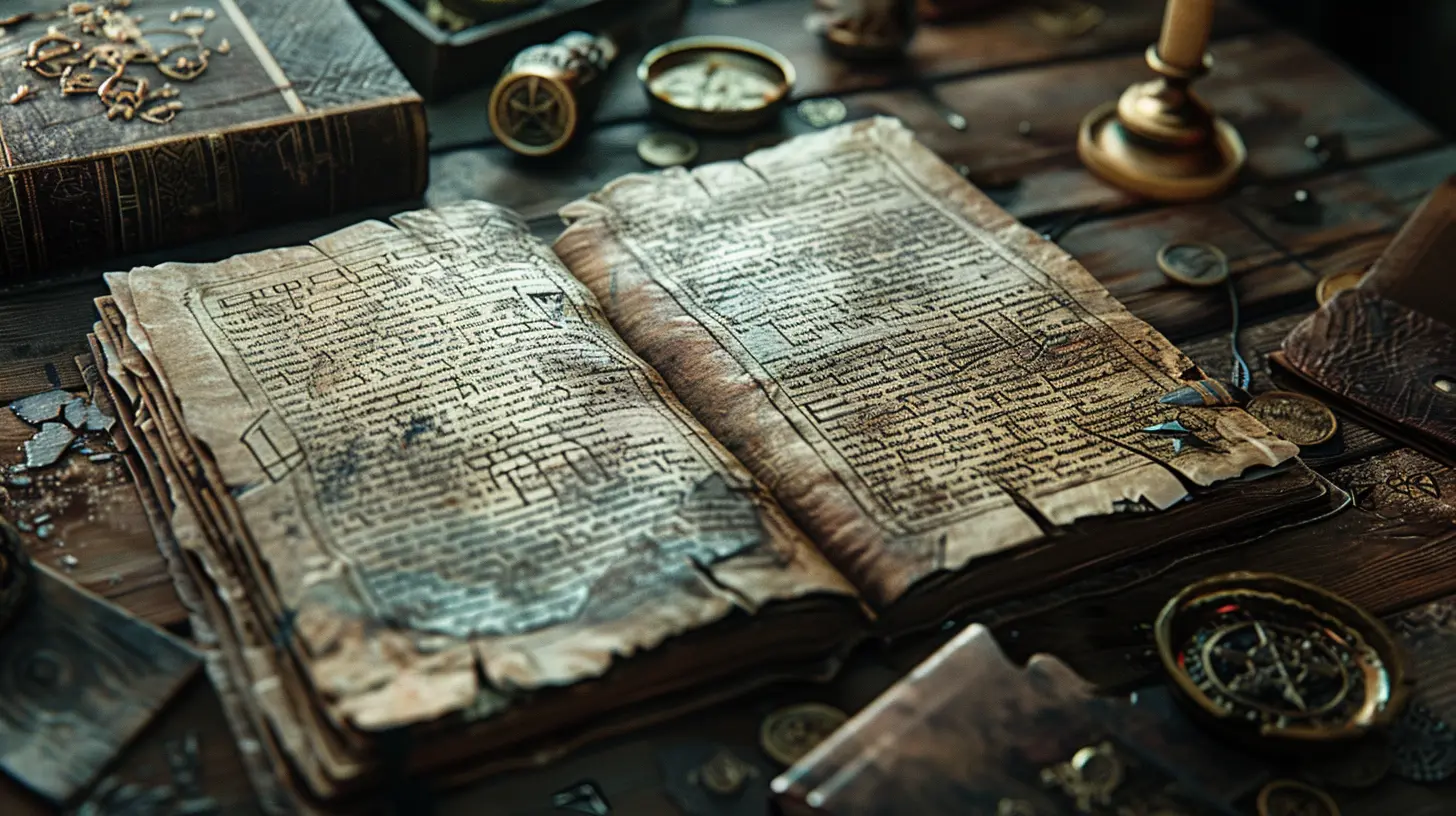
Alright, let’s get one thing straight—ancient languages are mysterious as heck. And mystery, my friend, is the seasoning on the storytelling steak. When game devs want to add a sense of history, depth, or gravitas to their world, they turn to the ancient and the arcane. Throw some aged stone pillars in the mix, and boom—the setting feels rich, old, and epic.But that’s not all. These cryptic texts also tap into our curiosity. They’re like in-game Easter eggs just waiting to be cracked open. Some players breeze right past them, but for others, they’re irresistible. And for those brave enough to decode them? Pure gamer bragging rights.
The Role of Ancient Scripts in Worldbuilding
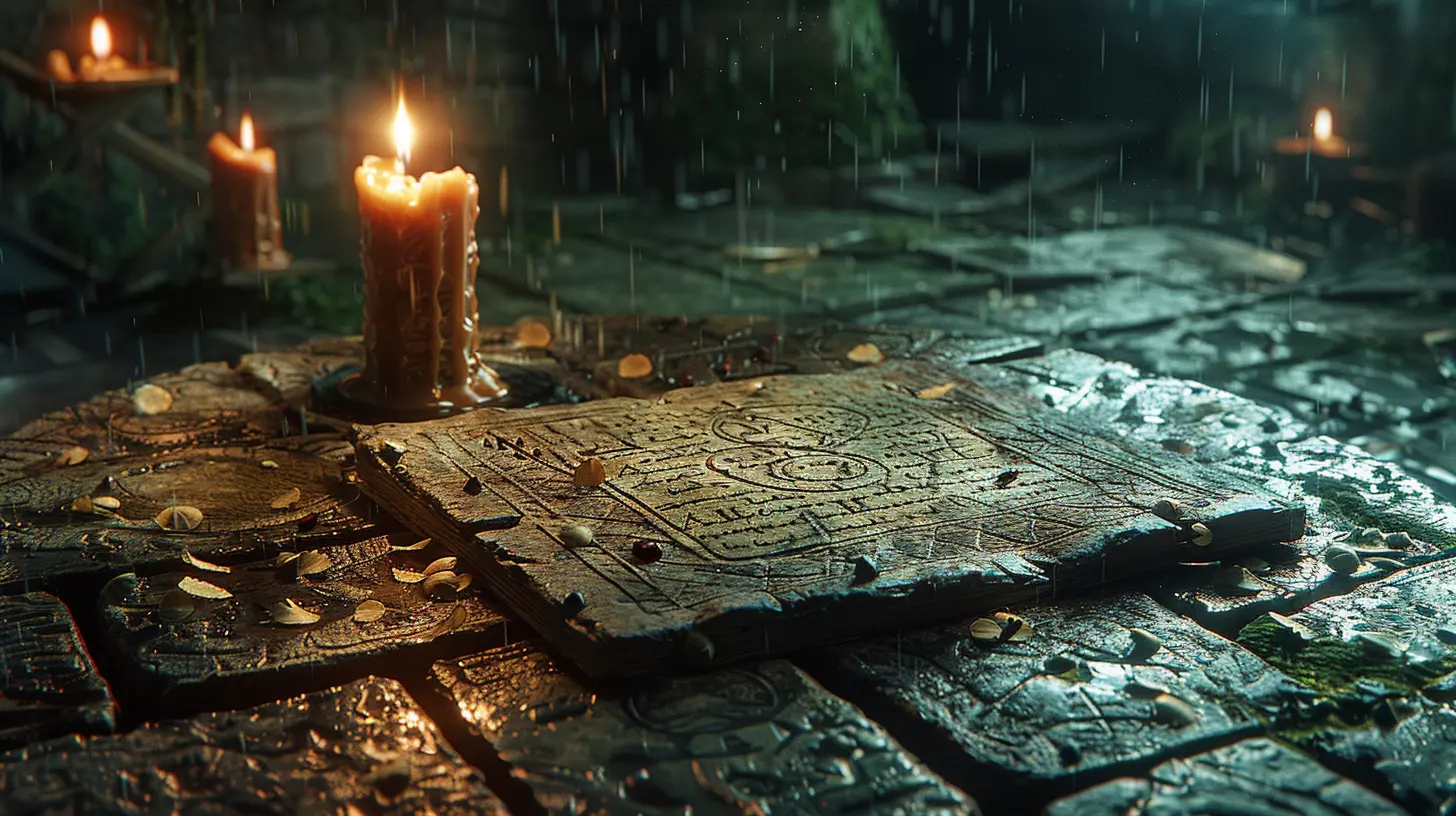
Let’s talk worldbuilding—because no fantasy land feels real unless it has a past. Think about it: in the real world, civilization has left behind libraries full of forgotten language. So why shouldn’t your favorite game have the same thing?Games like The Elder Scrolls V: Skyrim use runes and dragon language to build the history of the land. You’re not just wandering through snowy mountains—you’re walking through centuries worth of lore. Ancient texts explain forgotten wars, old gods, legendary heroes, and age-old prophecies. They give context to your journey. You're not just the hero of now; you’re part of a much bigger timeline.
Cryptic Clues and Brain-Tickling Puzzles
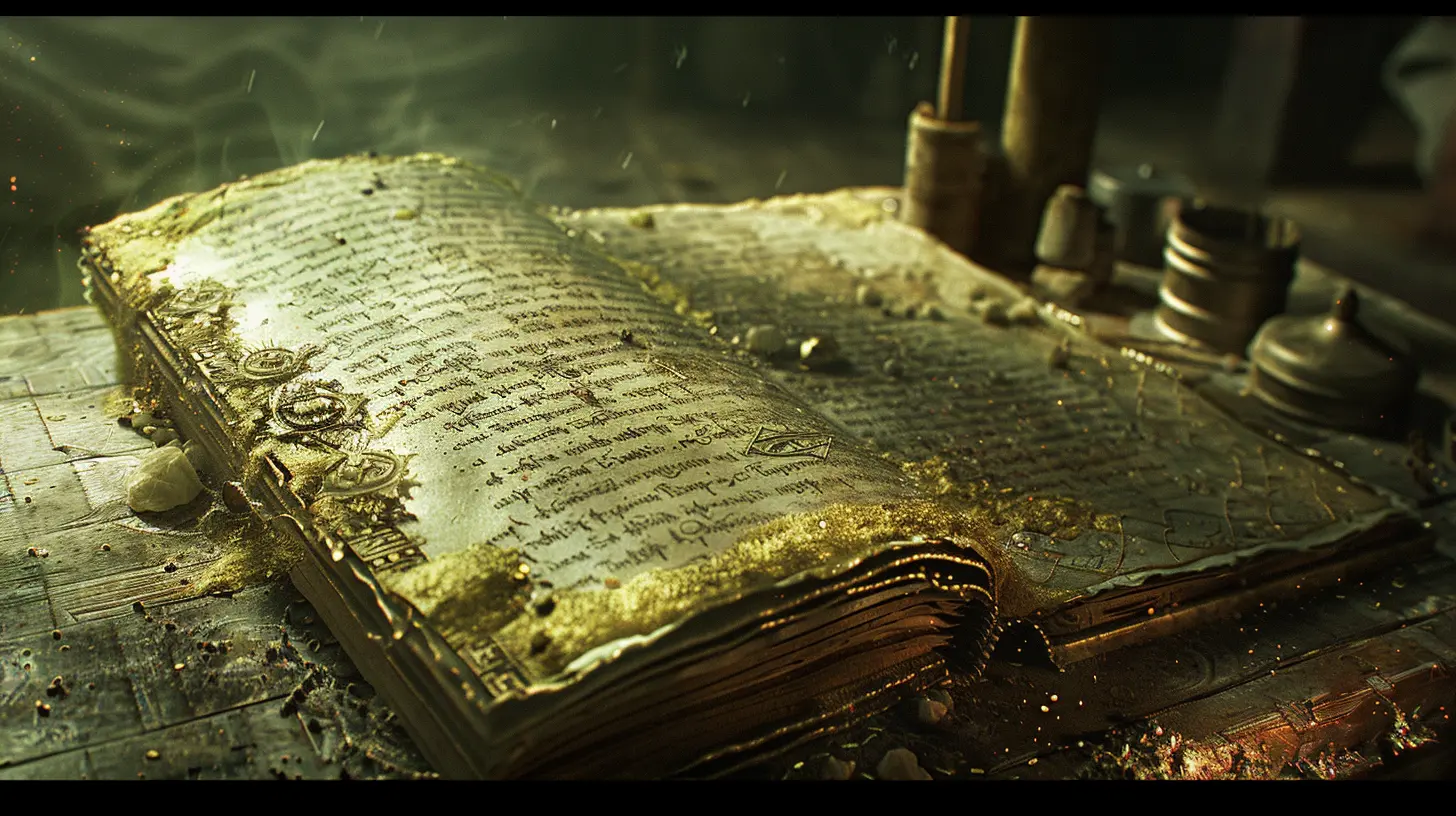
Ah yes, the good ol’ "puzzle written in an undecipherable script." It’s a classic move in games, and it works like a charm. Toss in a few cryptic messages carved into walls or ancient stones, and players go full Sherlock Holmes trying to make sense of it all.Take Tunic, for example. It’s an indie game that pretty much throws you into a world where even the instruction manual is written in a made-up language. And guess what? You’re supposed to figure it out. Piece by piece, you decode meanings, and suddenly you’re unlocking shortcuts, secrets, and mechanics that were hiding in plain sight.
It's like solving a jigsaw puzzle where every piece is also a Rosetta Stone. It engages your brain in ways that swing between frustration and pure euphoria.
Immersion and the Illusion of Real History
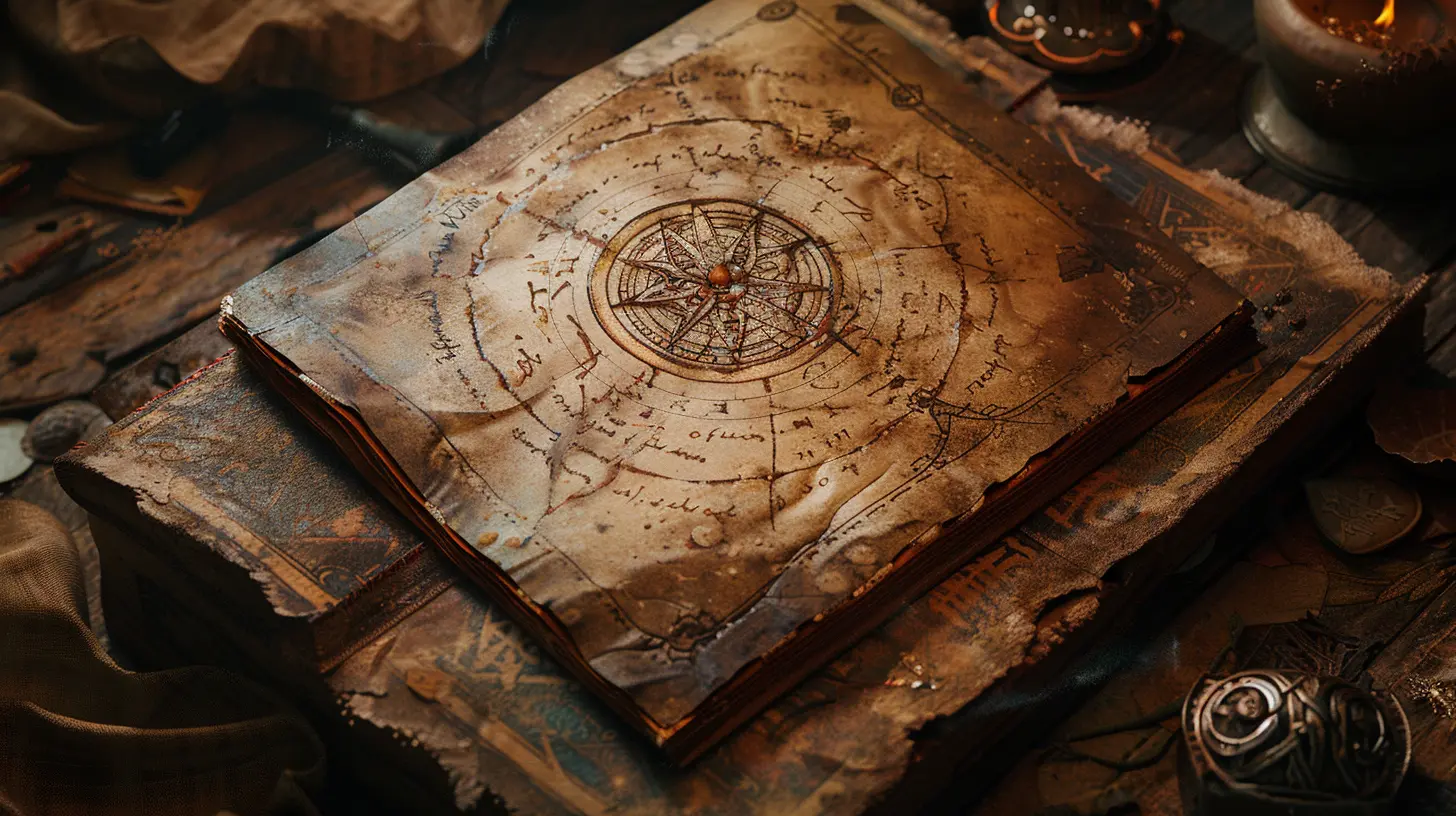
Ever played a game and forgot for a moment that it wasn’t real life? That’s the magic of immersion, and ancient languages crank it up to an 11.Think about Assassin’s Creed where you find glyphs hidden around the world that reference ancient civilizations and real historical events. The blend of fiction and fact makes you second-guess if some of this stuff might actually exist. And that’s the beauty of it—it blurs the line between gaming and archaeology.
By incorporating runes and ancient texts, developers don’t just create a story; they create a legacy. It makes you feel that the world existed long before you pressed “Start,” and that’s immersion at its finest.
Types of Ancient Texts in Games
Let’s break down some of the most common types you’ll run into. Not every rune is the same, after all.1. Constructed Languages (Conlangs)
Some developers go all-out and build an entirely new language from scratch. We’re talking grammar rules, syntax, phonetics—the whole shebang. Like Tolkien did with Elvish, but for games.In Destiny, the Hive have their own runic language. And in Skyrim, you have the Dragon Tongue, which you actually use to shout people off cliffs. These languages aren’t random—they’re built to feel real.
2. Cipher Texts
This one’s fun. It’s basically a code where each symbol stands for a letter or a word. Players often crack these using substitution ciphers or frequency analysis. It’s like playing Words With Friends with ancient gods.A great example is the alien language in No Man’s Sky. The more you interact with alien races and study artifacts, the more words you unlock. Eventually, you're fluent enough to understand quests better or even haggle prices with NPCs. It adds a layer of progression that’s more mental than mechanical.
3. Symbolic Artifacts
Some texts are less about being translated and more about being interpreted. These are usually found in games with strong mythological or abstract storytelling elements.Think of the murals in Shadow of the Tomb Raider or the tapestries in Dark Souls. They might not be languages per se, but they tell stories in symbols. It’s up to you to fill in the blanks, and sometimes that's even more powerful than a direct translation.
When Decoding Changes the Game
Here’s where things get spicy. Some games lock major secrets—like ultimate weapons or hidden endings—behind ancient texts. This is where decoding isn’t just for fun, it’s functional.Take Fez. The game’s entire meta-puzzle revolves around a made-up alphabet. Players had to collaborate online to crack the code. It was a global effort, and when someone did finally unlock the secrets? Absolute chaos in the best way possible.
In these cases, understanding ancient texts becomes your actual goal. It’s not a side mission—it’s the mission. And it’s totally rewarding.
Player Communities and Collaborative Decoding
Let’s face it—not all of us are linguistic geniuses. That’s where the internet comes in.Every time a game includes ancient languages, forums and Reddit threads light up with theories, translations, and sometimes even spreadsheets. It becomes a community event. Decoding isn’t just a solo activity—it brings players together.
One of the coolest examples of this was how Destiny 2 players cracked the Niobe Labs puzzle. It was an elaborate, rune-filled brain-buster that took collective effort from across the globe to solve. People made Discord groups just to brainstorm possible translations. That’s powerful. That’s what makes gaming more than just sitting in front of a screen.
The Magic of Not Knowing Everything
Here’s the twist: sometimes, not translating everything is what makes it great.Leaving a few runes untranslated adds mystique. It’s like in Dark Souls where the lore is deliberately vague. The unknown becomes part of the experience. It gets you theorizing, guessing, connecting dots that may or may not be there.
Just like in real life—we don’t know everything about ancient Egypt or the Mayans. And that mystery? It’s exactly what keeps archaeologists (and gamers) obsessed.
Tips for Decoding In-Game Languages Like a Pro
Wanna try your hand at decoding? Here’s how to get started:- Take Notes: Screenshots are your best friend. Jot down recurring symbols, locations, and context.
- Look for Repetition: Common words like “the,” “is,” or “you” show up a lot. Find repeating patterns.
- Use Frequency Analysis: Just like in real cryptography, letter frequency can help you crack the code.
- Check In-Game Literature: Often, games drop hints about meanings in books or dialogue.
- Collaborate Online: Don’t go it alone. Chances are someone else is just as curious as you.
Why It’s Worth the Effort
You might be thinking, “That sounds like a lot of work for a video game.” And yeah, it can be. But the payoff? Totally worth it.Decoding ancient texts transforms you from a passive player into an active participant in the game's story. You’re not just consuming lore—you’re uncovering it. You’re literally pulling history from the shadows, and in the process, you connect with the game on a whole other level.
Plus, let’s be honest—bragging rights are nice.
Final Thoughts
Ancient texts and runes in games are more than just visual flair. They’re puzzles, plot devices, world-building tools, and sometimes, love letters from the developers to the diehard fans. They invite us to look closer, think deeper, and engage harder.Next time you see some ancient scribbles on a wall or tucked away in a dusty old tome in a game—don't just walk past it. Stop. Stare. Start decoding. Who knows what secrets you'll unlock?
all images in this post were generated using AI tools
Category:
Game LoreAuthor:

Luke Baker
Discussion
rate this article
1 comments
Elidi McIlwain
Fascinating insights on ancient game lore!
June 29, 2026 at 3:49 AM
Luke Baker
Thanks for your feedback! I'm glad you found it fascinating.