Characters That Broke the Mold in Gaming
19 September 2026
Let’s face it—most video game characters tend to follow a pretty predictable playbook. You’ve got your brooding male anti-hero, your perpetually kidnapped princess, your over-the-top villain twirling a virtual mustache, and just a tad too many gruff space marines. Yawn. Been there, shot that.
But every now and then, someone comes along who flips the script, punches clichés in the gut, and shouts, “Let’s get weird!” These are the characters that didn’t just break the mold—they set fire to it, danced on the ashes, and then built something unexpected, ridiculous, or downright revolutionary in its place.
So buckle up, because we’re diving headfirst into the world of characters that dared to be different—whether that meant redefining gender norms, ripping apart genre expectations, or just being so outlandishly themselves, it was impossible not to notice.
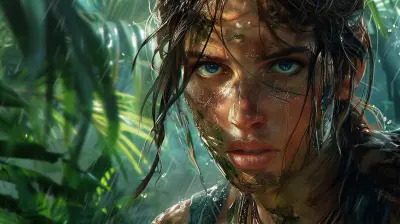
Lara Croft – From Polygonal Pin-Up to Feminist Icon
Let’s rewind to 1996. The original Lara Croft was basically a triangle on legs with a British accent and zero chill. Designed to appeal to adolescent boy fantasies (and possibly alienate everyone else), she was big on guns and even bigger on other, um, assets.But then something magical happened.
Over the years—and with some hefty reboots—Lara transformed from a walking stereotype into a fully fleshed-out character. The Tomb Raider reboot in 2013 gave us a young, vulnerable, but incredibly resilient explorer who was 100% more human and 1000% more relatable. Her evolution didn’t just mark a shift for her—it signaled that maybe, just maybe, female characters could exist beyond eye candy.
Lara Croft didn’t just break the mold. She smashed it with a climbing axe, scaled its walls, and then raided its tomb.
Kratos – God of (Actual) War and Emotional Damage
Ah, Kratos. The bald, scar-faced Greek rage machine who spent most of his early life screaming at gods and making mincemeat out of mythological creatures like a protein-fueled blender.In the original games, Kratos was about as single-minded as a toddler denied dessert. But then God of War (2018) happened, and suddenly our boy had… (gasp) feelings?
Now a dad with emotional baggage heavier than his Leviathan Axe, Kratos goes from being the poster child for toxic masculinity to someone actually trying to be better—for his son, for himself, and maybe even for the world. He still rips monsters in half (because duh), but now he pauses to drop some hard-earned wisdom along the way.
Kratos redefined what it means to be a protagonist in an action game. Who knew the God of War also came with dad guilt and bedtime stories?
Samus Aran – Surprise! The Guy in the Suit Is a Woman
Imagine playing through an entire game thinking you’re controlling yet another space dude in power armor—only to be hit with the plot twist of the decade. “Wait, Samus is a WOMAN?!”Back in 1986, this blew people’s minds. We were living in a world of mustache-twirling plumbers and bandana-wearing commandos, and then along came Samus Aran from Metroid, quietly rewriting the playbook and not even asking for credit.
She didn’t need to announce herself. She just showed up, saved the galaxy, and dropped the mic—without saying a single word. That’s how you become an icon.
Samus was the stealth feminist hero of her time, and she proved that sometimes, breaking the mold means doing it with zero fanfare and maximum badassery.
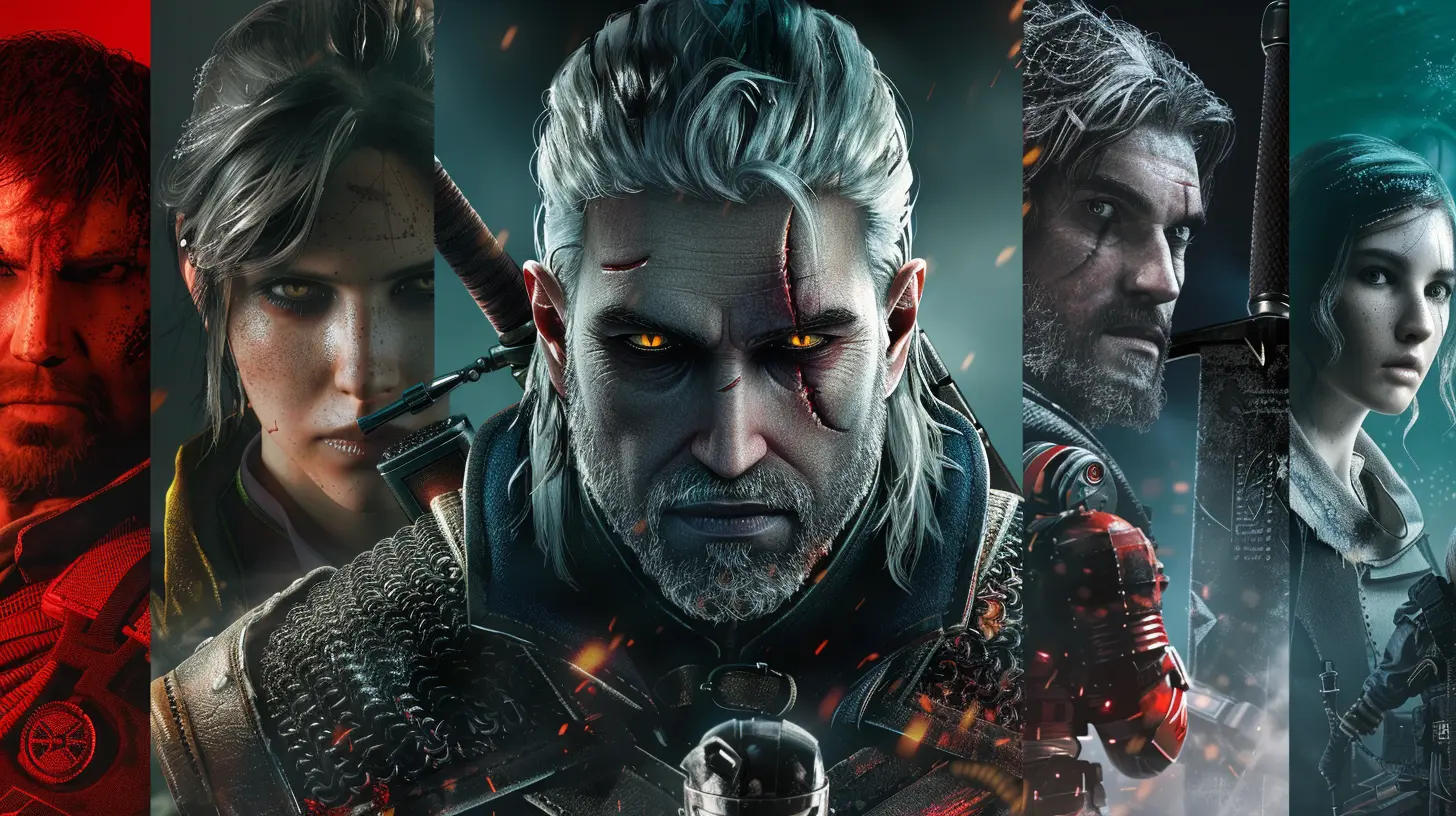
Geralt of Rivia – The Mutant With More Emotional Depth Than You
From the outside, Geralt looks like he’s been carved out of granite and dipped in sarcasm. He’s a Witcher, for crying out loud—trained to kill monsters with cold precision and barely a flicker of emotion.But spend five minutes playing The Witcher 3: Wild Hunt, and you’ll realize this guy is more layered than a lasagna. He’s a dad (unofficially, but let’s be real, Ciri is basically his daughter), a philosopher, a lover (often), and a reluctant hero who’s just trying to do the right thing... all while constantly being side-eyed by a world that hates his kind.
Geralt tore apart the notion that fantasy protagonists need to be infallible paragons of virtue. Instead, he’s flawed, grumpy, moral-ish, and utterly magnetic.
Bayonetta – The Umbra Witch Who Twirls Right Past Expectations
Bayonetta is… a lot. She’s a gun-slinging, demon-summoning, hair-whipping witch who treats enemies like practice dummies in a pole-dancing class. Oh, and she’s constantly breaking the fourth wall while doing high-heeled parkour. Casual.At first glance, she seems like yet another hyper-sexualized female lead. But spend any time with her, and you’ll realize she’s completely in control of her image, her power, and the entire tone of her game.
Bayonetta doesn’t exist to be ogled—she exists to obliterate demons and make you question every sexist assumption you thought you just made. She’s confident, campy, ridiculous, and brilliant. In short? She’s the drag queen of gaming—and we are not worthy.
Commander Shepard – Choose Your Own Space Hero
Gaming’s ultimate customizable protagonist, Commander Shepard from the Mass Effect series was a breath of fresh sci-fi air. Why? Because you decided who Shepard was—male, female, hero, renegade, flirt, fighter, diplomat, whatever.The fact that FemShep (voiced to perfection by Jennifer Hale) became a fan favorite says a lot about how thirsty gamers were for diversity and voice acting that didn’t sound like a human potato.
Shepard didn’t just break the mold—they let players mold it themselves. And the result? One of the most beloved space operas in gaming history.
Trevor Philips – Your Friendly Neighborhood Psycho
Let’s be real—GTA characters are usually walking stereotypes. But then Trevor showed up in Grand Theft Auto V like a meth-fueled wrecking ball and flipped the script on what we thought a main character could be.Trevor isn’t just violent—he’s unhinged. He’s unpredictable. And yet… somehow… you root for him. He’s the human embodiment of “Well, that escalated quickly,” yet he somehow makes an argument for loyalty, weird twisted friendship, and unapologetic freedom.
He’s not the hero gaming wanted, but he sure as check is the maniac we deserved.
Aloy – The Red-Headed Future-Savior Who Told the Dudes to Sit Down
When Horizon Zero Dawn launched, Aloy was met with skepticism. “Another female lead? But who’s gonna save the post-apocalypse if a guy isn’t grunting about it?”Turns out, Aloy—a pragmatic, smart, no-nonsense warrior—was exactly the savior we needed. She didn’t come with glitz or melodrama. Just a bow, a brain, and a desire to find the truth in a world ruled by robot dinosaurs.
She didn’t break the mold by being loud. She did it by simply existing, existing well, and proving that competent female protagonists aren’t niche—they’re the new normal.
Senua – Mental Health Representation Done Right
In Hellblade: Senua’s Sacrifice, we met a warrior haunted by inner demons—literally and figuratively. Senua’s journey isn’t your typical game narrative. It tackles psychosis, trauma, grief, and fear without turning those things into gimmicks or tropes.The result? A hauntingly beautiful tale that feels more like living someone’s pain than just playing through it.
Senua didn’t just break gaming tropes—she obliterated the idea that mental health couldn’t be the emotional core of an action game. And guess what? Players loved it.
Ellie – Growing Up Gay & Grieving in an Apocalypse
The Last of Us series gave us Ellie—at first, a snarky, knife-wielding sidekick. Fast forward to Part II, and she’s the full-blown protagonist with a heart heavy enough to sink a ship.She’s angry, gay, grieving, and not always likable—which is exactly what makes her so human. Ellie's character arc was a gut-punch wrapped in emotional depth and set in a world where emotions get you killed.
She represented real, raw storytelling in a way few characters ever do. Ellie didn’t just break the mold—she tore it apart with a guitar string and a broken promise.
Cuphead – An Old-Timey Cartoon with Bullet Hell Vibes
Okay, hear me out. Cuphead is not what you think of when you hear “groundbreaking character.” He’s literally a cartoon cup with a straw. But here’s what's wild—Cuphead brought back a retro 1930s animation style and slammed it into a modern bullet-hell gameplay loop.That quirky look? It’s not just aesthetic—it’s weaponized nostalgia, a mold-breaking visual treat that turned “cute” into “mercilessly punishing.”
Cuphead was proof that innovation wasn’t just in shiny graphics and gritty vibes. Sometimes, it’s in going backwards to go ridiculously forward.
Undertale’s Sans – The Pun-Loving Skeleton with Layers
Undertale gave us a game where mercy was a feature, not a weakness. And Sans? This laid-back skeleton with a love for dad jokes and secrets galore? Yeah, he became an internet icon.Behind the comedy and puns was a character with a tragic past, moral ambiguity, and the ability to beat the brakes off players in one of gaming’s hardest boss battles.
Sans made us laugh, feel, and scream into the void. And he reminded us that mold-breaking comes in all shapes—even a lanky, hoodie-wearing skeleton.
The Future of Mold-Breaking Characters
The great news? We’re just getting started. Indie games are kicking down doors, AAA titles are taking more risks, and players are demanding depth, diversity, and something a little weird.We want heroes who cry. Villains who make sense. Skeletons who tell puns and witches who own their power.
So here’s to the characters who refused to fit in, who changed how we play and how we feel. May the mold forever stay broken.
Final Thoughts – Why These Characters Matter
Gaming is storytelling, and stories shape how we see the world—and ourselves. When a character breaks the mold, they aren’t just defying expectations. They’re expanding what’s possible in games. And in doing so, they open the door for something truly magical: representation, emotion, and a whole lot of weird.So next time you meet an offbeat hero or a villain with feelings, maybe pause that cutscene and give ‘em a silent high-five. They’re not just different—they’re helping shape the future of gaming.
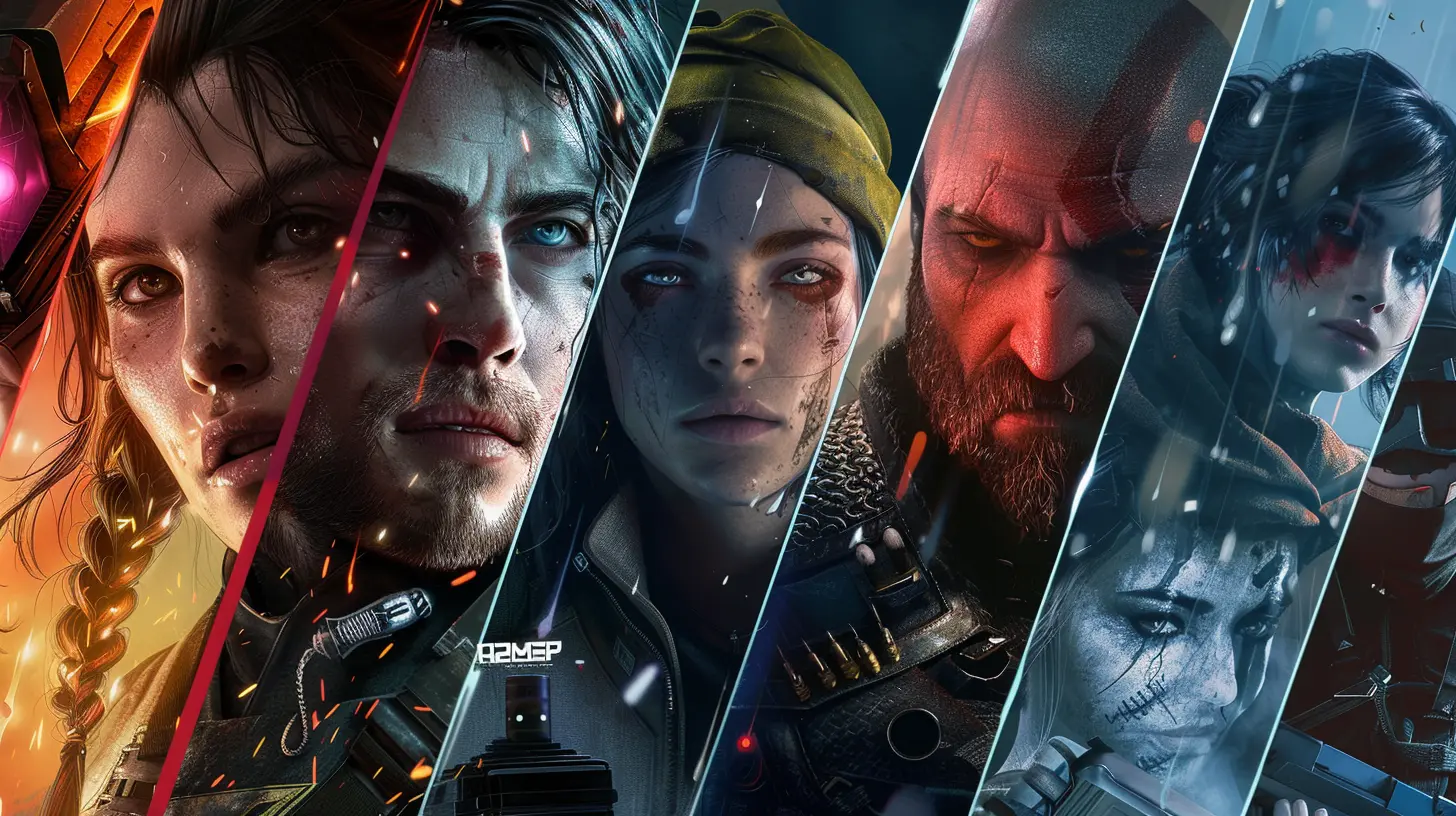
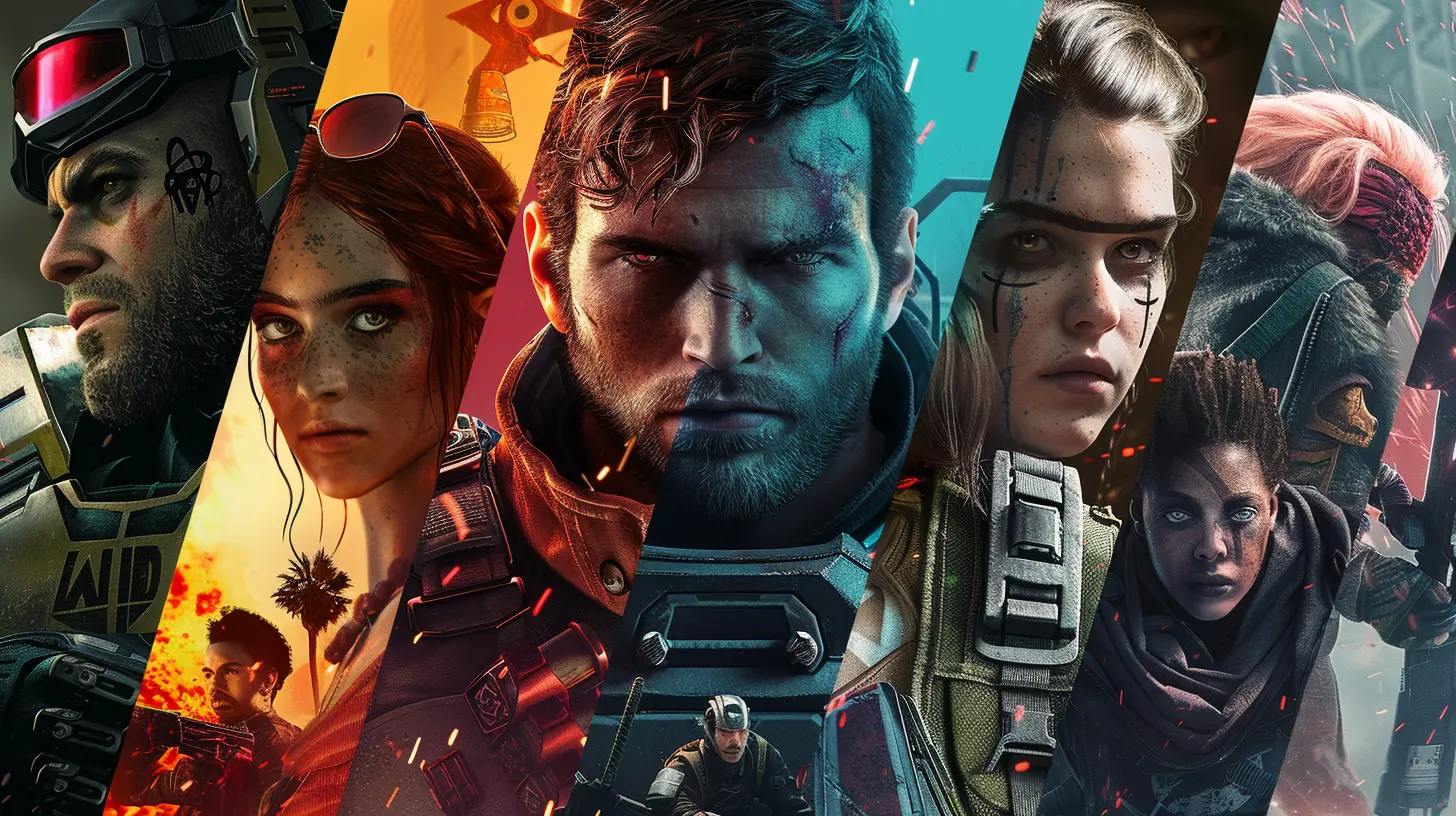
all images in this post were generated using AI tools
Category:
Best Game CharactersAuthor:

Luke Baker