Ancient Gods and New Pantheons in Fantasy Games
27 April 2026
When you dive into a fantasy game, what grabs your attention first? The towering dragons? The mystical spell-casting? Or is it the rich, mythical world-building that hooks you instantly? For a lot of us, it’s the gods—the all-powerful beings pulling the strings behind the curtain.
Fantasy games are absolutely obsessed with deities—and for good reason. They offer endless storytelling opportunities, moral dilemmas, magical systems, and epic quests. But what’s really interesting is how games juggle the ancient gods we kind of recognize (think Zeus, Odin, Ra) with entirely new, original pantheons that feel just as rich and real.
Let’s take a wild adventure through the realm of gods in fantasy games—both the revered ancients and the freshly-forged divine figures that make these digital realms feel alive.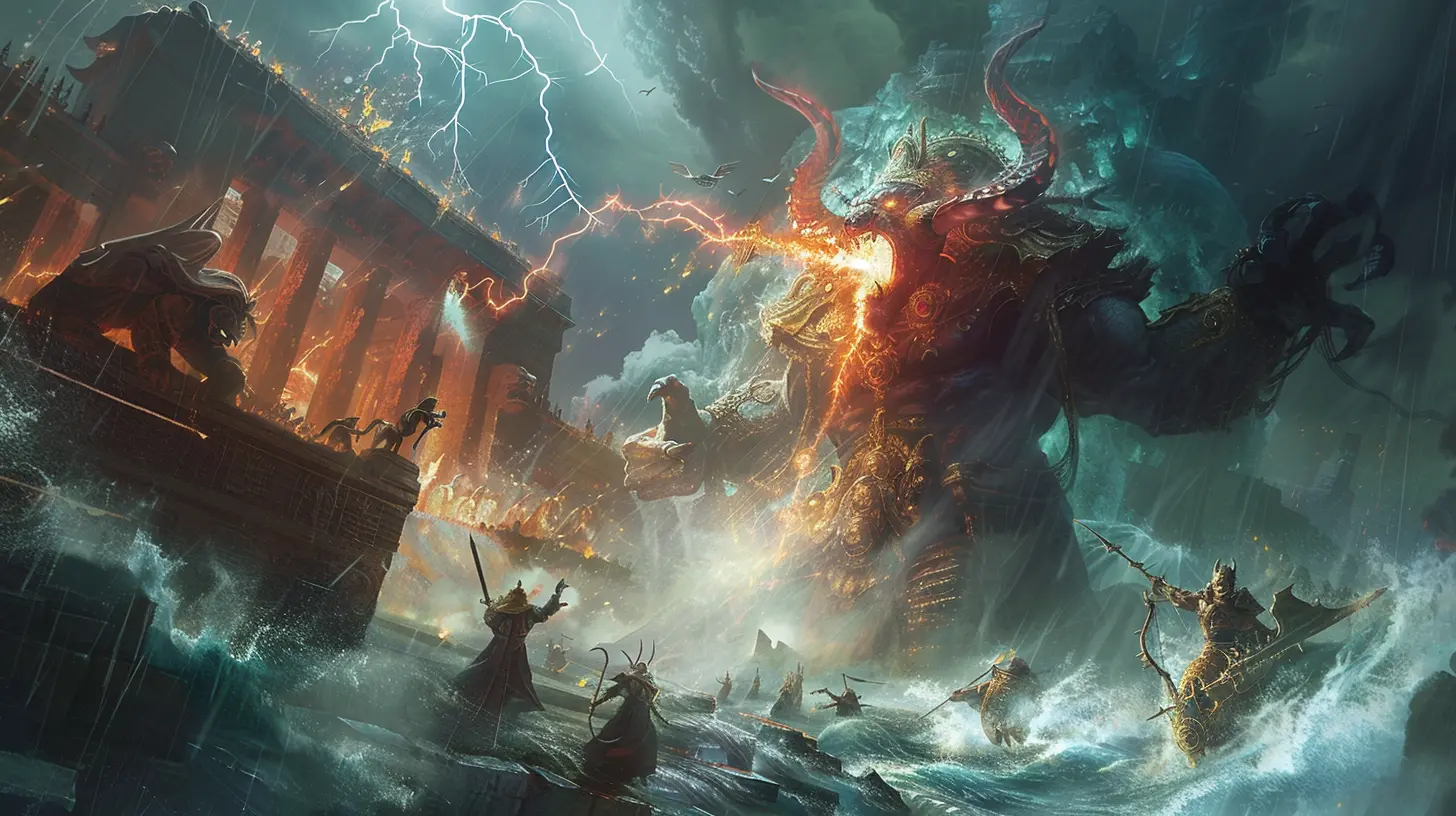
Why Do Fantasy Games Lean So Heavily on Gods?
Before we start naming names, let’s answer the burning question: why are gods such big deals in fantasy games?Well, think about it—gods are the ultimate plot devices. They’re mysterious, powerful, and often morally ambiguous. Need a reason for a continent-wide war? Blame a god. Want to explain how magic came into the world? A god did it. Looking for a final boss that hits all the right notes? Yup, god again.
But it’s not just about power. Gods in games often reflect the themes of the world. A harsh god of war mirrors a brutal, war-torn setting. A trickster god gives flavor to a mischievous, unpredictable realm. They’re mirrors of the game world’s soul.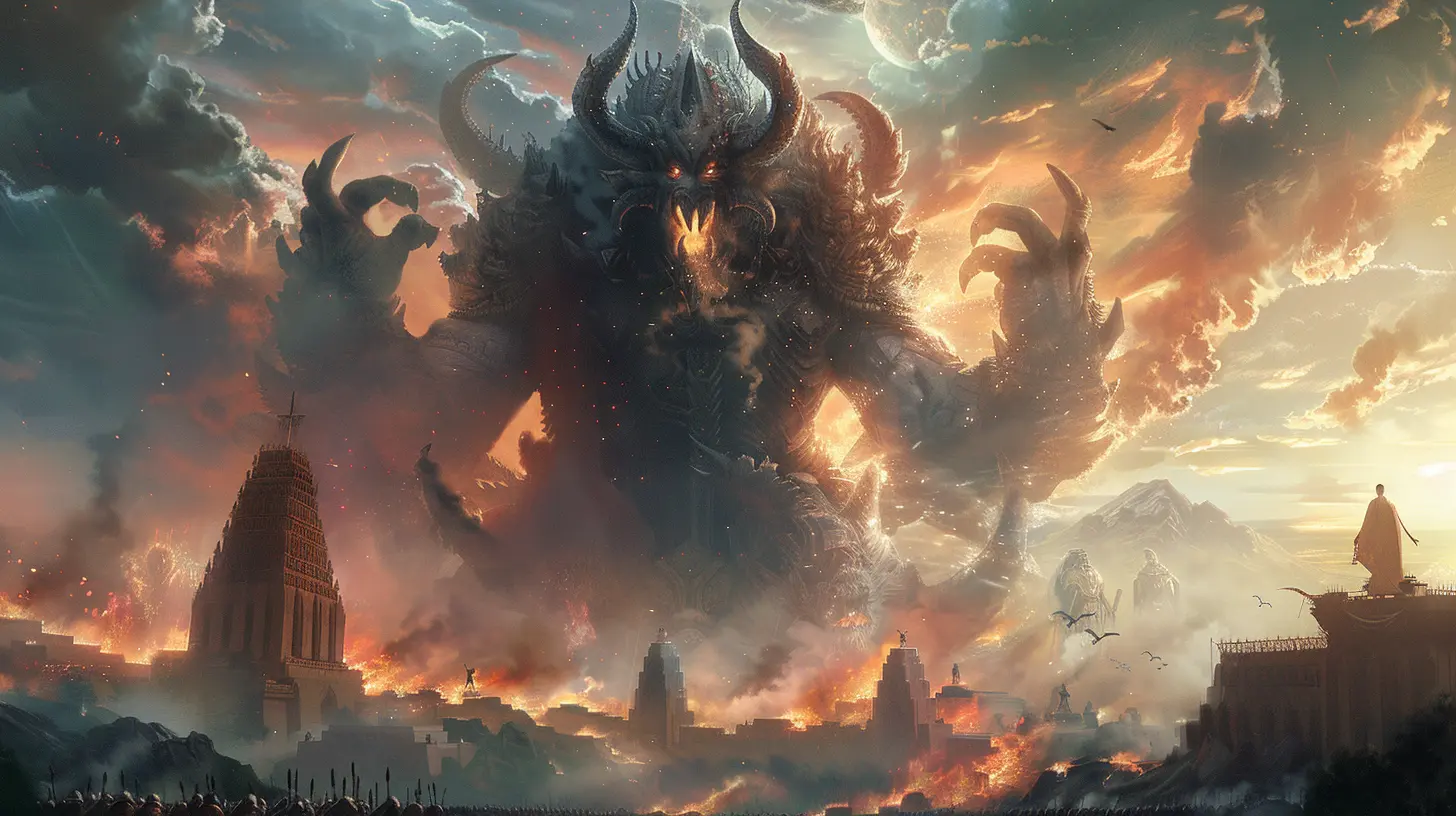
Ancient Gods: The Familiar Faces
Many games draw straight from real-world mythologies. It’s a smart move—players already have a mental image of who these gods are. But it’s not just fan service. These familiar deities come with centuries’ worth of baggage, stories, and symbolism.1. Greek Gods: The Drama Queens of Olympus
You can’t talk about gods without mentioning the Greeks. Zeus, Athena, Hades, and the gang show up in tons of games—like God of War, Assassin’s Creed Odyssey, and Smite. These gods are perfect for games because they’re larger-than-life and full of drama.The Greek pantheon is like a divine soap opera: betrayals, love triangles, epic wars... it’s juicy stuff. Plus, each god has clear domains (war, wisdom, love), which makes them easy to plug into quests or skill trees.
2. Norse Gods: The Moody Powerhouses
Thanks to God of War Ragnarok, Norse mythology is having a serious moment. Odin, Thor, Loki, and Freya are deeply complex—often skirting the line between “protector” and “villain.” These aren't just gods who bless you with powers; they come with motives, manipulations, and consequences.Norse gods fit perfectly into gritty, cold, survival-heavy fantasy. And their mythology? It's dark, dramatic, and fatalistic. It captures the kind of emotional weight modern games love to lean into.
3. Egyptian Gods: The Symbol-Rich Mystics
Ra, Anubis, Isis, and Osiris—these gods breathe life into games like Age of Mythology, Smite, and Assassin’s Creed Origins. Egyptian gods are symbolic and tied tightly to life and death, offering a sense of mysticism and cosmic balance.Their visual style is also iconic—animal heads, hieroglyphs, pyramids—it’s fantasy gold from an art direction standpoint.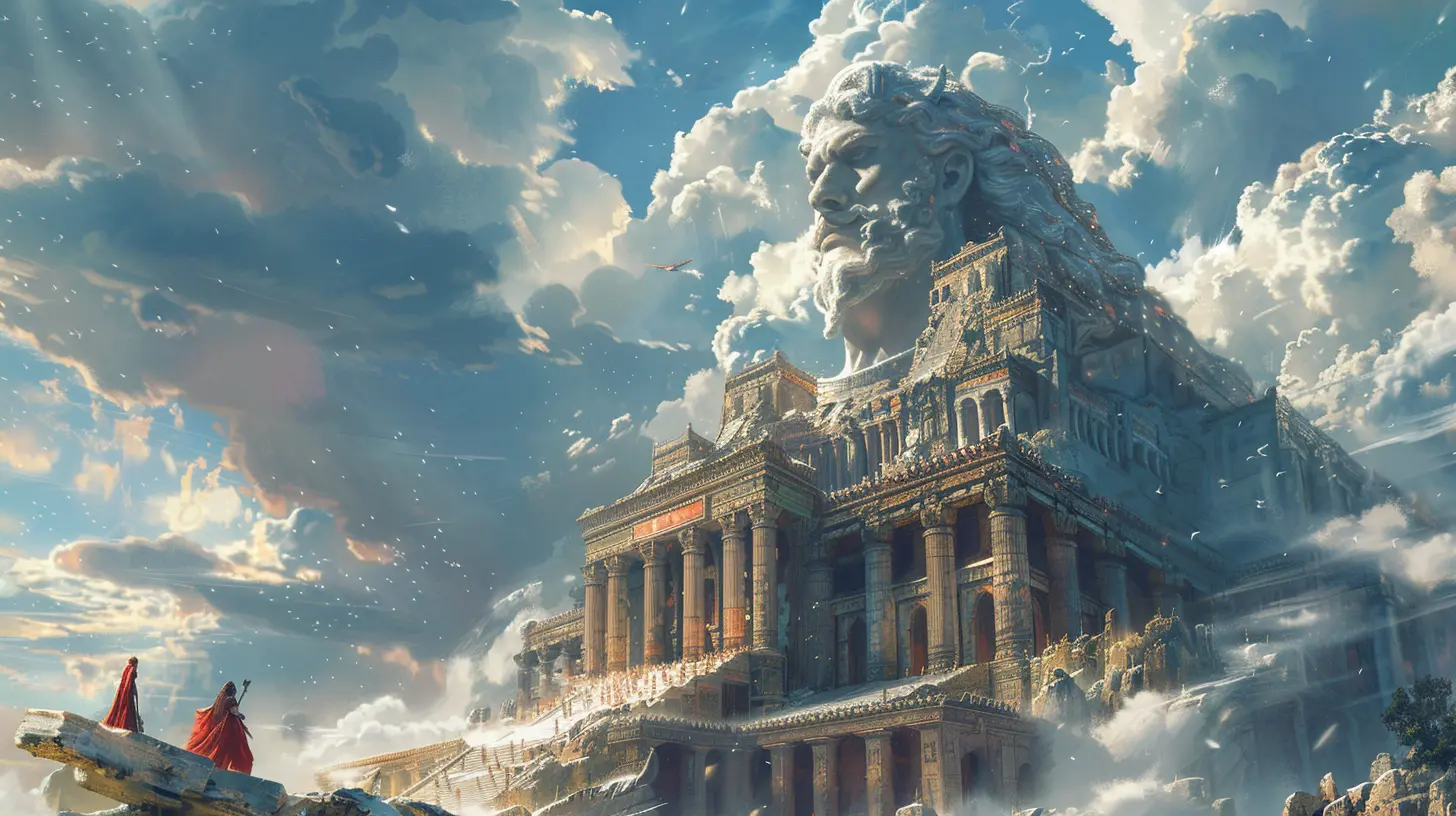
New Pantheons: When Game Devs Play God
Here’s where things get really exciting. While ancient gods bring familiarity, original pantheons let developers do something even more powerful—create their own mythos. These homebrew gods shape everything about a game world’s culture, conflict, and character arcs.Some of the most beloved fantasy games cook up entire divine ecosystems from scratch. Let’s look at a few major ones.
1. The Divines of Tamriel (The Elder Scrolls)
If you’ve played Skyrim or Oblivion, you’ve probably run into the Nine Divines or Daedric Princes. Bethesda didn't just invent gods—they created entire philosophies and religious conflicts.You’ve got gods like Akatosh (time and dragons), Mara (love), and Talos (a mortal-turned-god). Then there are Daedric Princes like Sheogorath, the god of madness, who are honestly more fun than the so-called good guys.
The beauty here is in the complexity. Different cultures in the game view the gods in different ways. Some worship Talos, others see him as heresy. It’s messy in the best way possible, just like real-world mythology.
2. The Pantheon of Divinity (Divinity: Original Sin II)
This game doesn’t just give you gods—it lets you become one. The gods in Divinity are deeply flawed, desperate for survival, and highly manipulative. Each player character has a patron god, and those relationships twist and shift over time.Here, godhood isn’t just about worship—it’s a political and personal battleground. The idea that mortals can ascend and replace gods is a recurring theme in fantasy, and games like this explore it beautifully.
3. The Forgotten Realms (Dungeons & Dragons)
Okay, technically this started as a tabletop thing, but D&D’s pantheon is legendary in gaming. From Tyr (god of justice) to Lolth (spider queen and all-around nightmare fuel), these gods have been inspiring RPG worlds for decades.Games like Baldur’s Gate and Neverwinter Nights carry these deities into the digital realm. And again, what’s fascinating isn’t just the gods themselves—it’s how societies worship (or fear) them, and how that worship shapes everything from law to magic.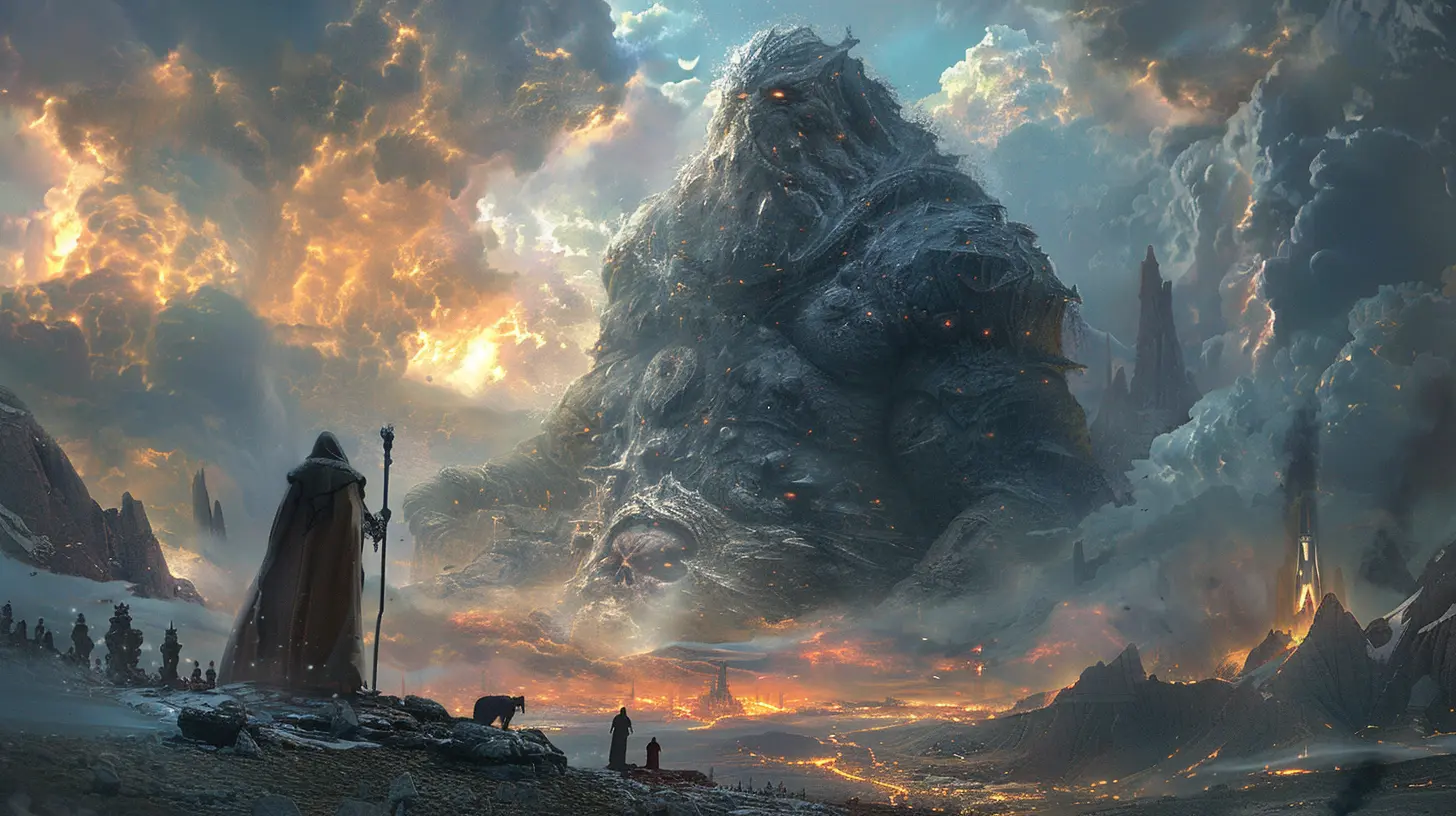
Gods as Game Mechanics: Not Just Lore, But Gameplay
Let’s pause for a sec. We’ve been talking about gods as characters and plot points—but in smartly designed games, gods also affect actual gameplay mechanics.Divine Powers and Skills
Some games let you choose a deity at the start, and that choice affects your skills, spells, and even dialogue options. Think about clerics and paladins in D&D-inspired games—they’re literally powered by their devotion.Or take Hades by Supergiant Games. You get boons from Olympian gods that shape your build every run. The gods aren’t just lore—they’re part of your gameplay strategy.
Morality and Choice Systems
In games with branching narratives, gods often represent different ideologies. Choosing which god to follow can determine your moral alignment, the quests available to you, and even the ending you get.Some games go even deeper, letting you challenge, betray, or even kill gods. That’s a powerful moment in any game—because it’s not just a boss fight, it’s a philosophical rebellion.
Why We Love Godly Conflict
At the end of the day, gods in fantasy games offer something elemental. They stir up chaos, challenge beliefs, and make everything feel epic.But more importantly, they give us a sense of agency. In real life, we’re at the mercy of higher powers we can't control. In games? We get to meet them, challenge them, worship them, or even become them.
That’s the ultimate fantasy, isn’t it? Not just slaying dragons—but standing toe-to-toe with the creators of the world, armed with sword, spell, or sheer willpower.
The Future of Divine Storytelling in Gaming
So where do we go from here? Honestly, the sky isn’t even the limit. We’ve already seen games inspired by Japanese, Slavic, Hindu, and Polynesian mythologies. As developers look beyond the usual Western pantheons, we’re getting more diverse, rich, and authentic representations of deities from around the world.And then there’s AI and procedural storytelling. Imagine a game where a living pantheon is generated dynamically and evolves based on player actions. Your god might be born in one playthrough and completely forgotten in the next. Creepy? Sure. But also super exciting.
Final Thoughts: Gods Are People Too
Whether they’re ancient and well-known or brand-new and game-born, gods in fantasy games are more than just power trips. They're mirrors of our desires, fears, and questions. They force us to ask: what do we believe in? What are we willing to fight for? And sometimes, what would we do if we had that kind of power?Next time you boot up your favorite RPG and an ominous voice booms from the heavens—don’t just skip through the dialogue. Take a second to think. Because that god? They might just have something important to say… or they might be the final boss. Either way, it’s going to be a wild ride.
all images in this post were generated using AI tools
Category:
Game LoreAuthor:

Luke Baker
Discussion
rate this article
2 comments
Victoria McQuaid
This article brilliantly explores the dynamic interplay between ancient mythologies and contemporary gaming narratives. By highlighting how developers reinvent pantheons, it showcases the depth of storytelling possible in fantasy games. The fusion of old gods with new interpretations challenges players to engage with rich, culturally resonant worlds.
April 28, 2026 at 4:54 AM
Luke Baker
Thanks for your insightful comment! I'm glad you appreciated the connection between ancient myths and modern gaming narratives. It's fascinating how these stories evolve and enrich our experiences.
Kimberly Bailey
This article brilliantly explores how fantasy games intertwine ancient mythology with innovative pantheons, enriching player experiences and narratives. The evolving representation of deities adds depth and intrigue to gameplay.
April 27, 2026 at 3:06 PM
Luke Baker
Thank you for your insights! I'm glad you enjoyed the exploration of mythology and its impact on gameplay. It truly brings depth to the fantasy experience.